

Mdina is a fabulous place to visit and one of those special town that really has a unique atmosphere. Known as The Silent City it is the home of the Maltese nobility, whose palaces line many of the streets. It is a walled and fortified city and these walls and the hill it is built on, still contain it now.
Our visit to Mdina
On this occasion we drove to the city and parked in the centre of the new city, next to the Roman villa and opposite the main gate. There are several large car parks in the town to cater for the variety of attractions there. We have also visited by bus – the buses on the island are excellent and basically do a northern or southern circuit of the island with a few crossover points. Mdina old city doesn’t really cater for children and most of the family tourist attractions are outside the walls, the inside is really architecture, churches and a few cafes.
My experience in Mdina
On this holiday (in 2018) we visited the city twice. The first time was for a booked photography tour that was cancelled after an hour or so due to the rain. The second visit to Mdina was a few days later and it had been dry for an hour but started to drizzle when we got there but we headed into the old city and had a good walk around. It is a beautiful place, full of narrow alleys, balconies and churches and surrounded by the amazing fortifications of the Knights. We walked through the Howard gardens under the ramparts before heading back home.
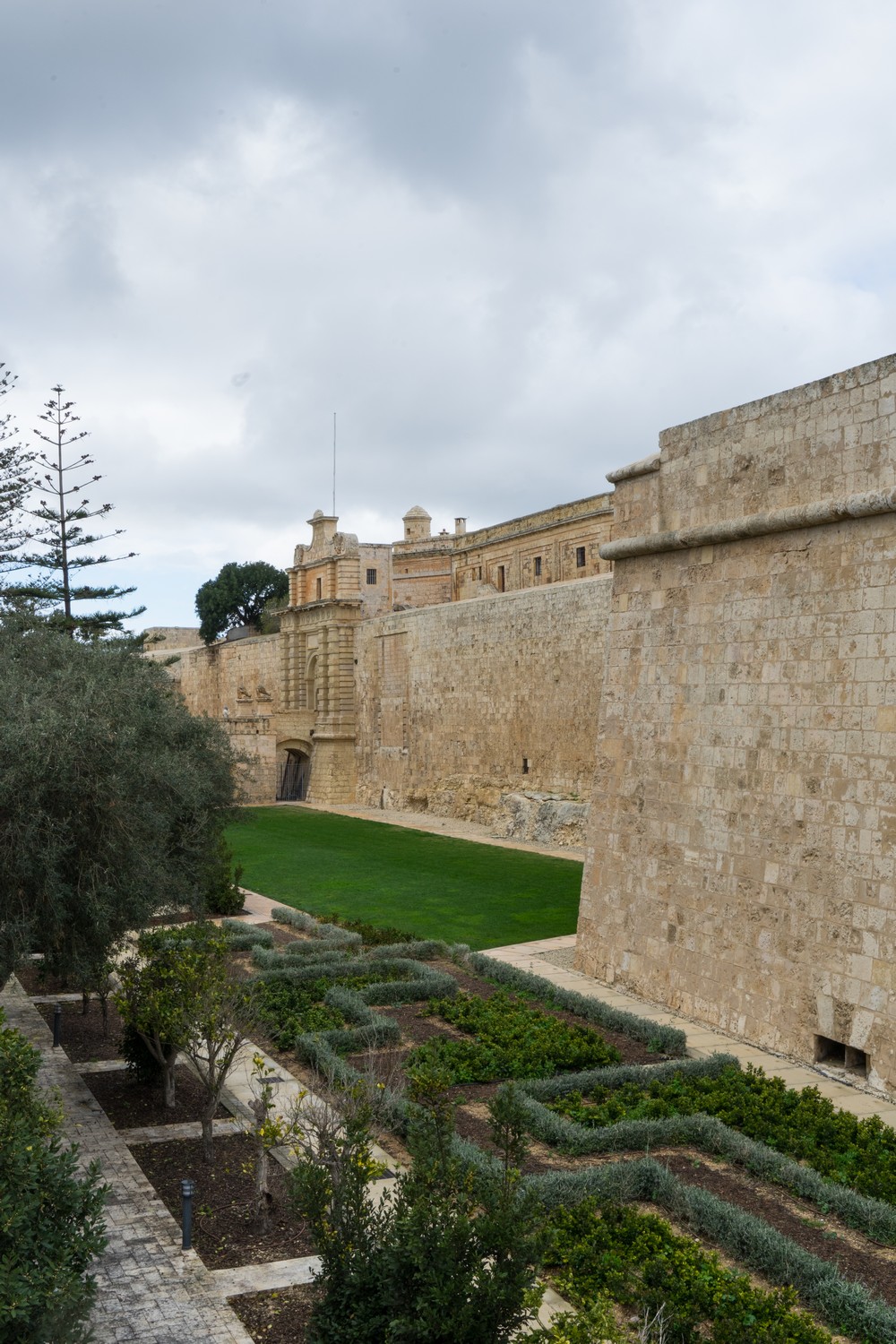
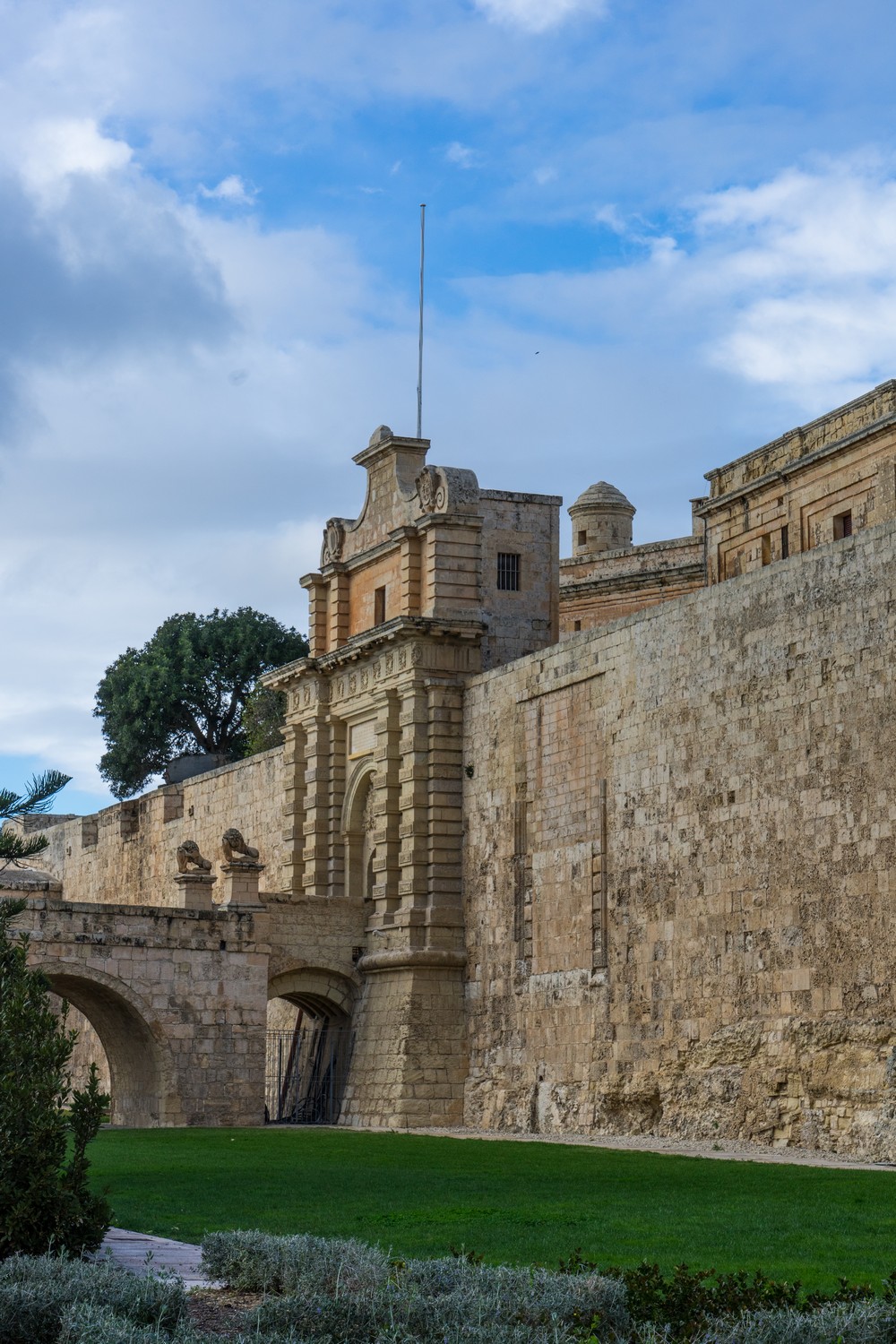
As I hope you can see from the photos, the city is a maze of narrow, winding streets that open onto little squares or courtyards. The surrounding walls and defences are certainly impressive although they never saw action as they were built after the Great Siege, during the 16th and 17th centuries. There are a couple of remaining medieval buildings, the Greeks gate and a portion of city wall, although the gate has a baroque entrance portal so it is only from behind that the medieval defences can be seen.
The moat is now a pleasant garden, when it’s not raining and is open to the public as the Howard Gardens. Walking a circuit here gives an excellent idea of the scale of the walls.
Photo gallery for Mdina
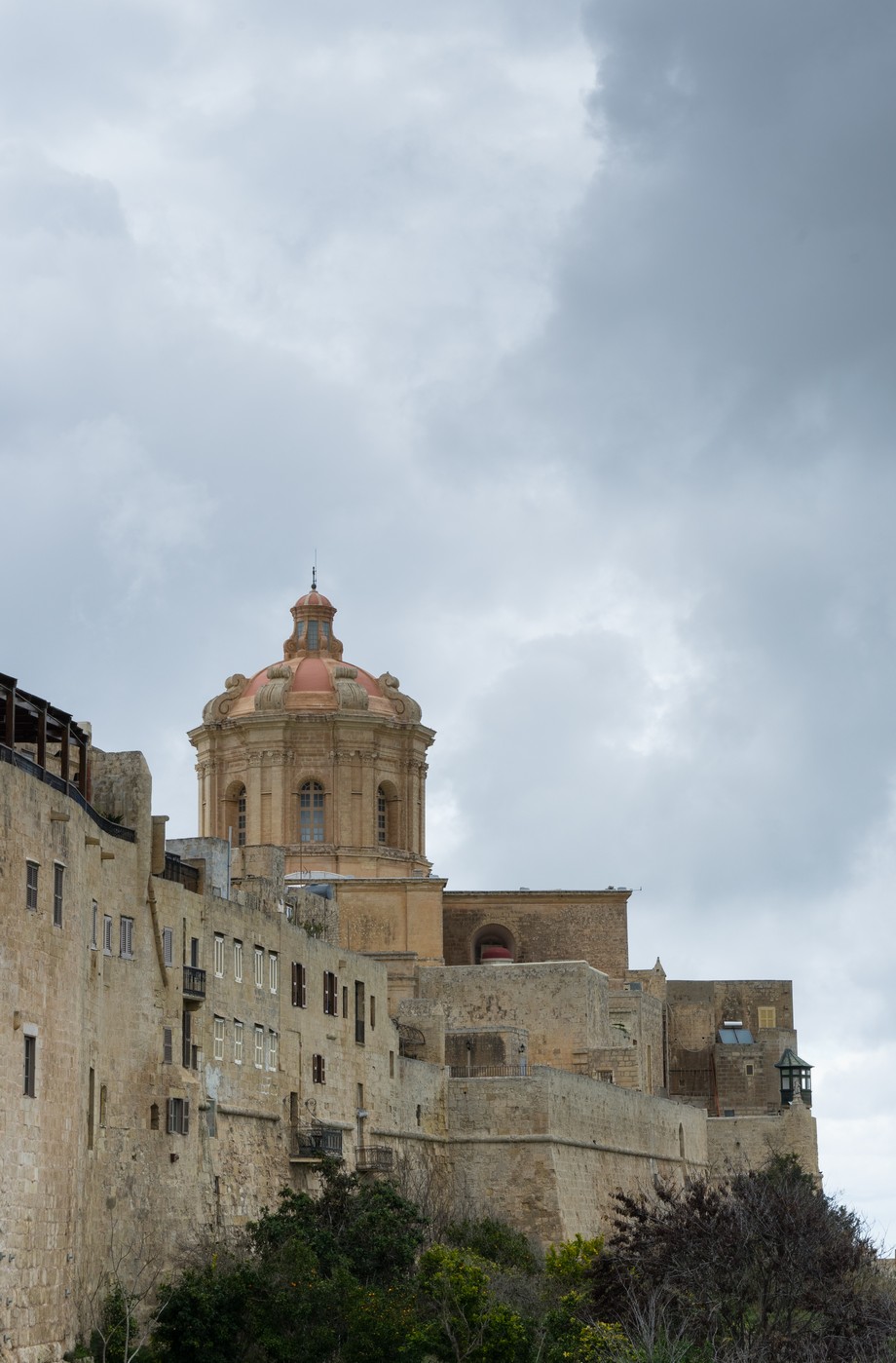
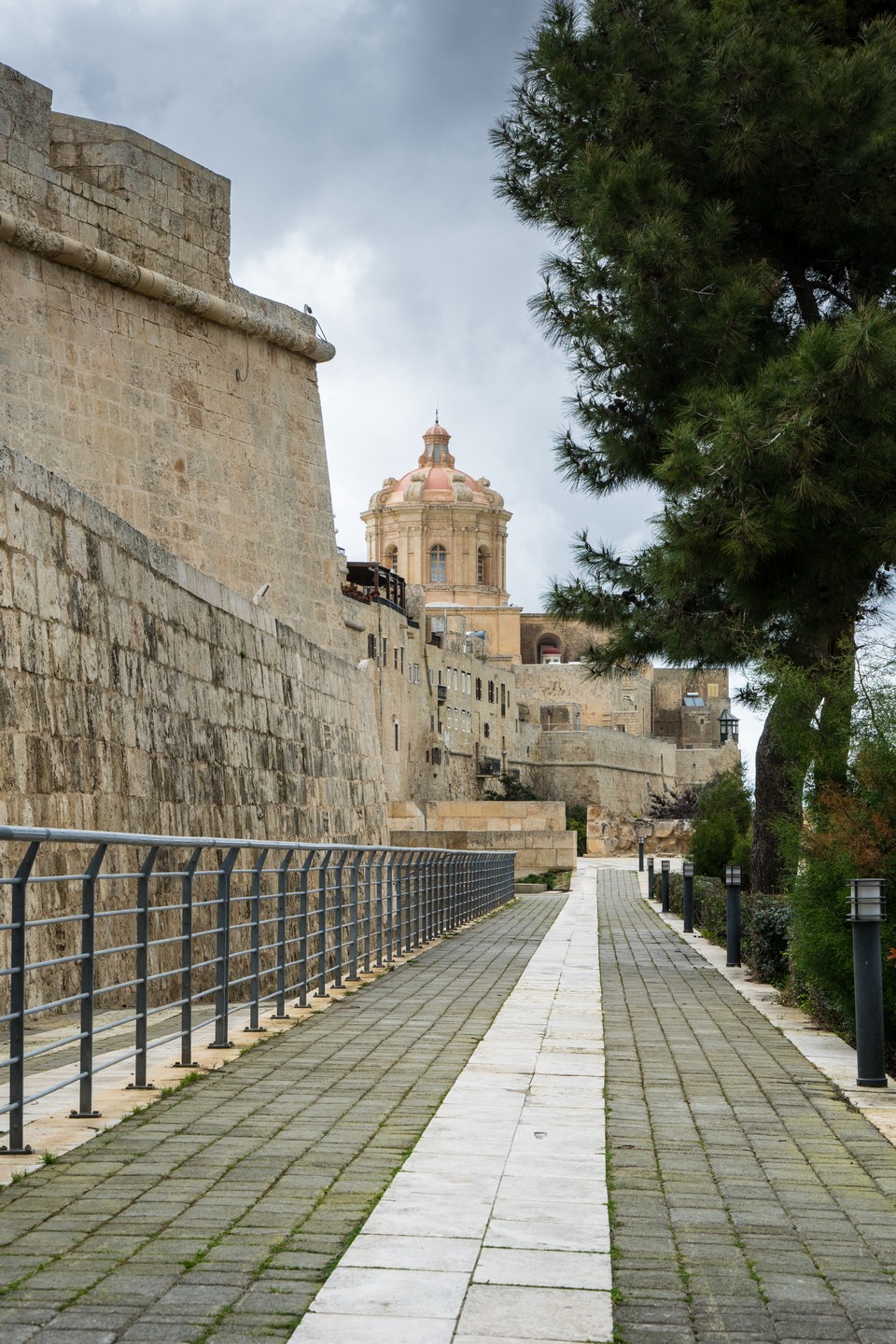
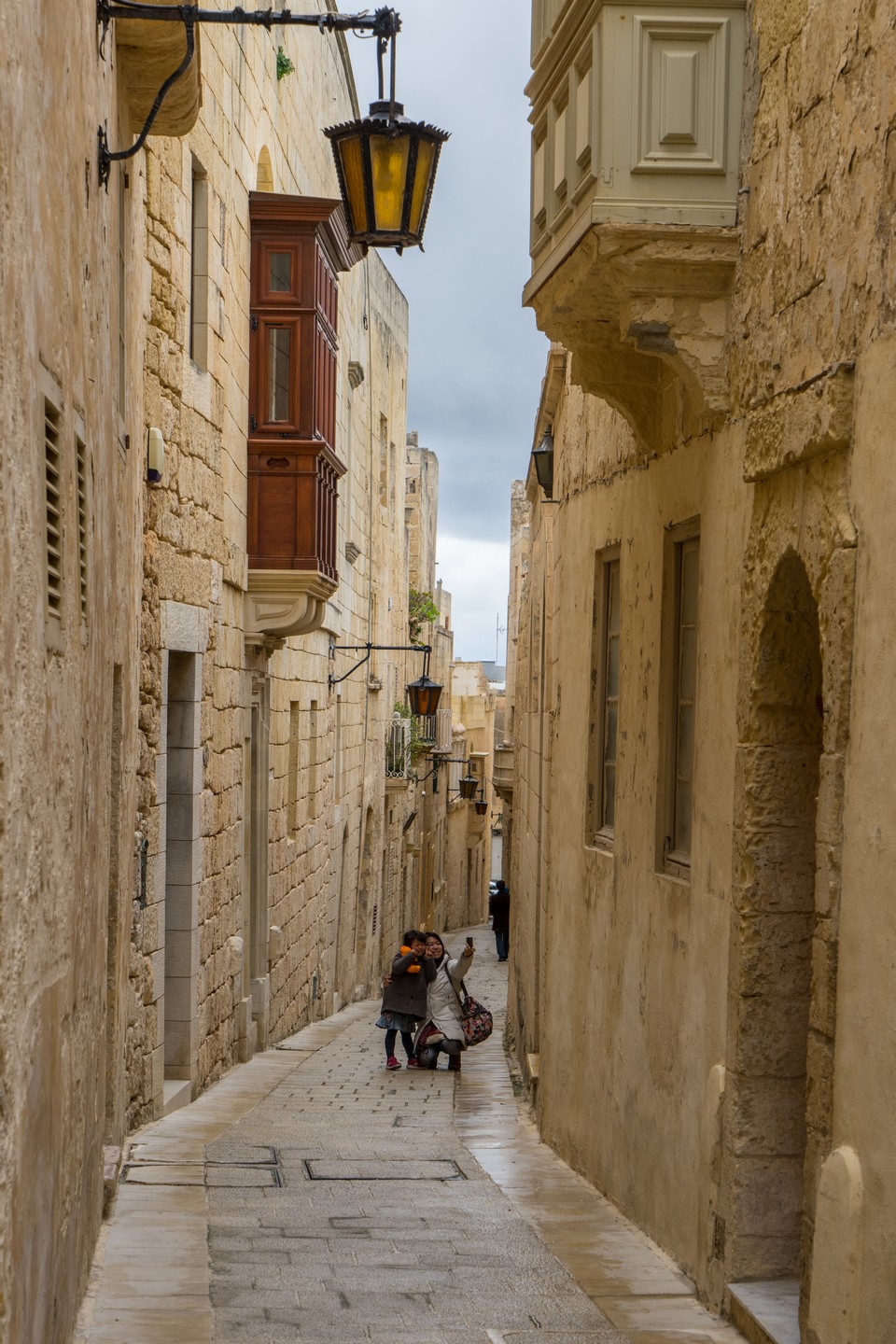
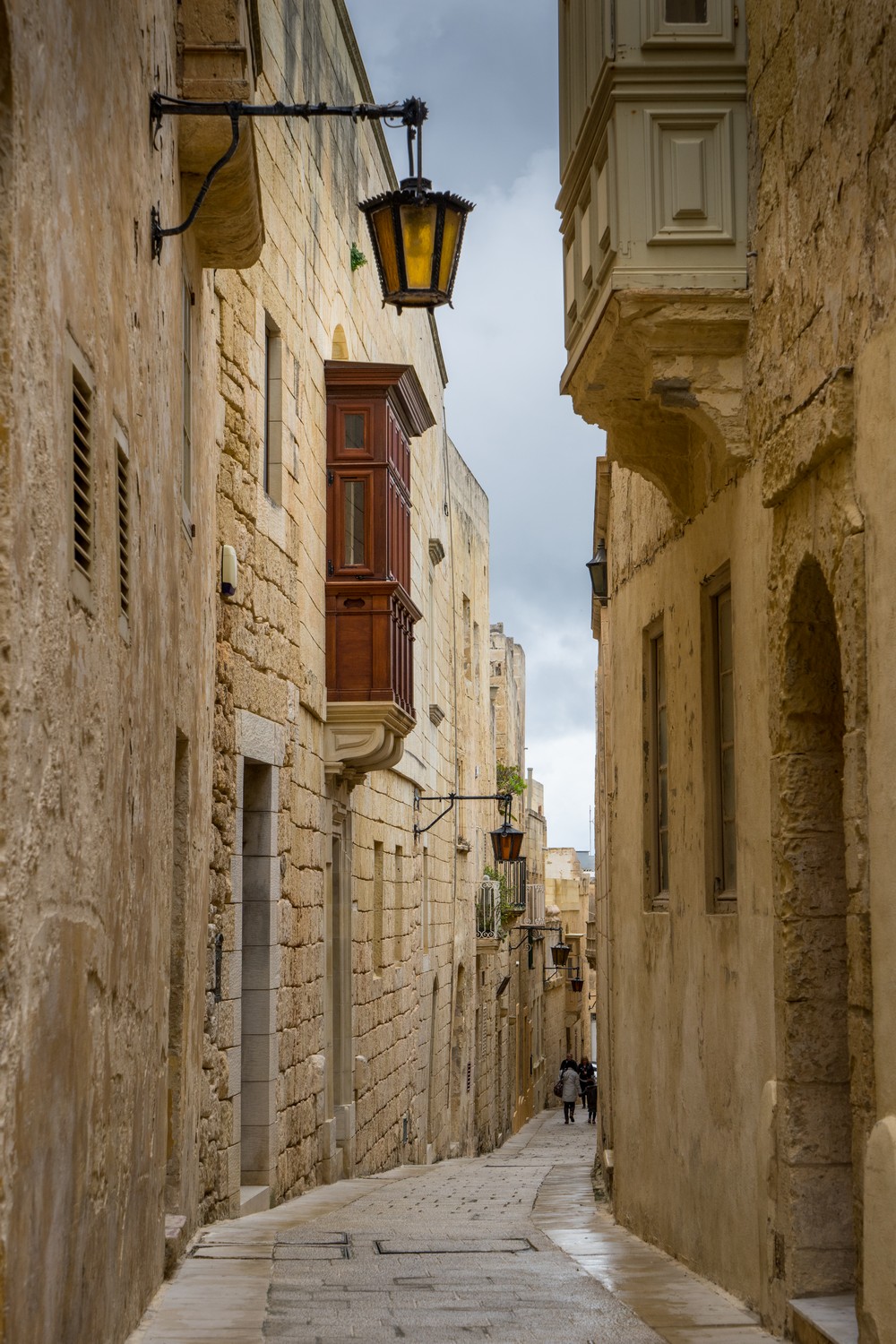
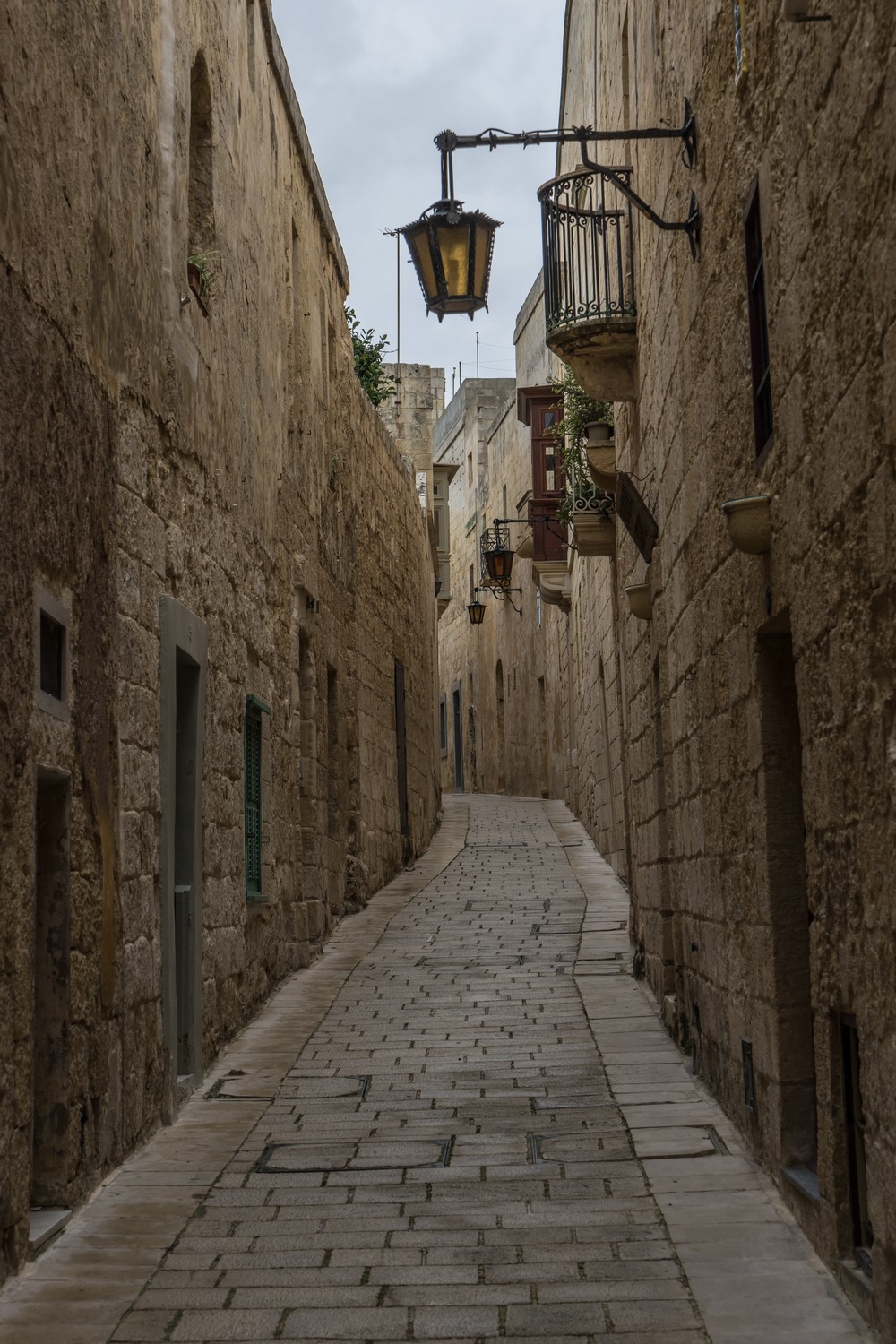
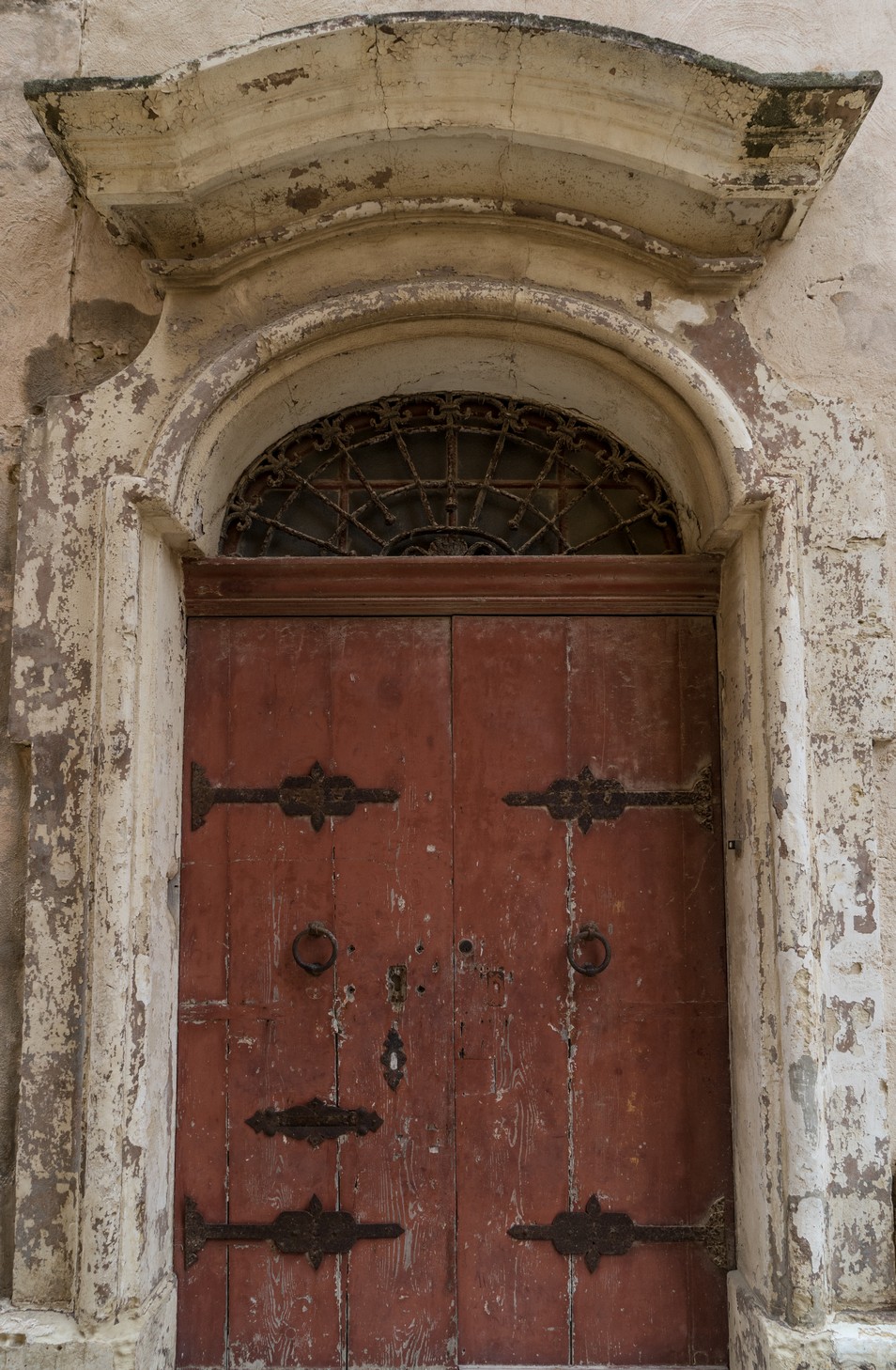
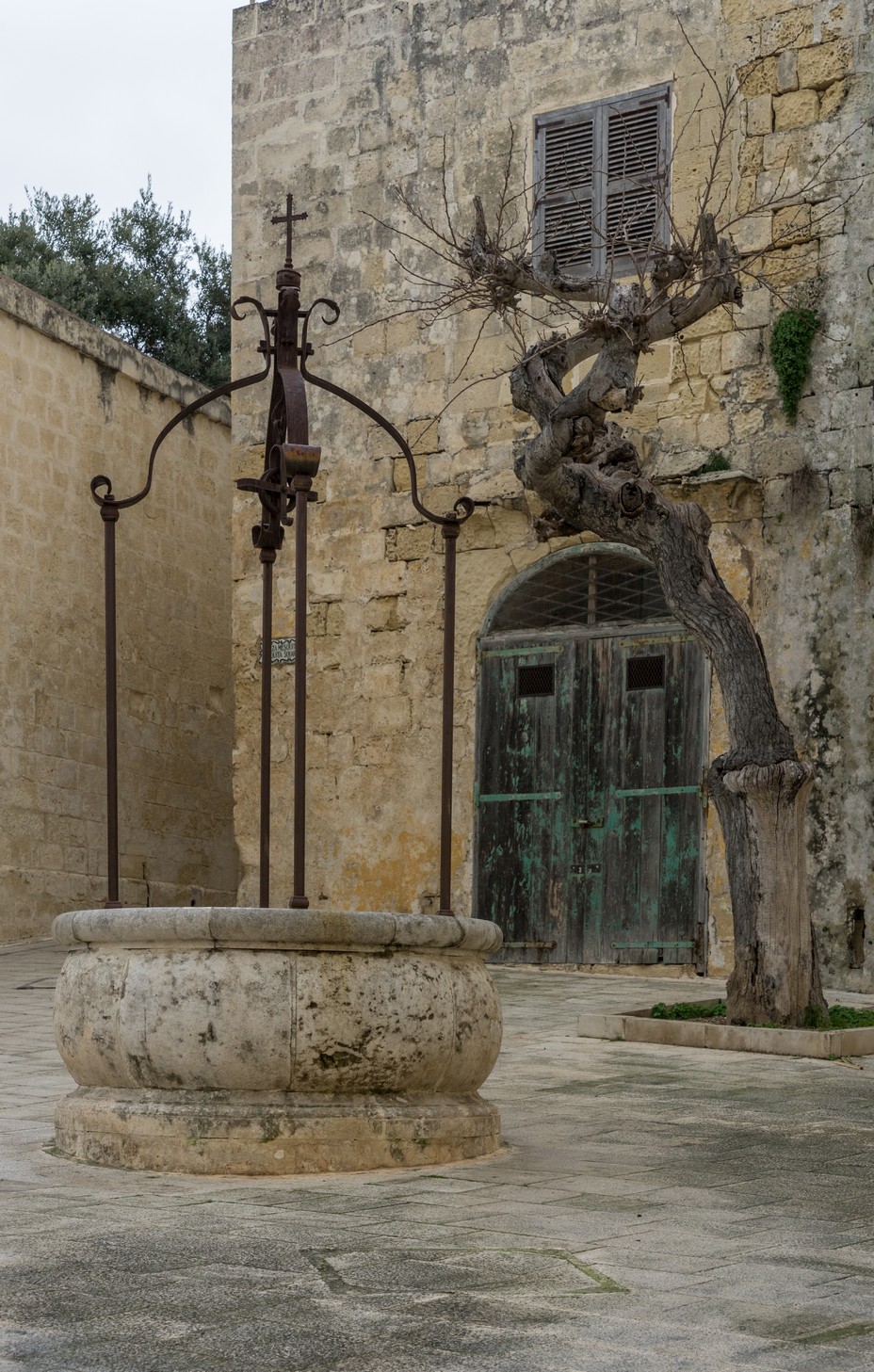
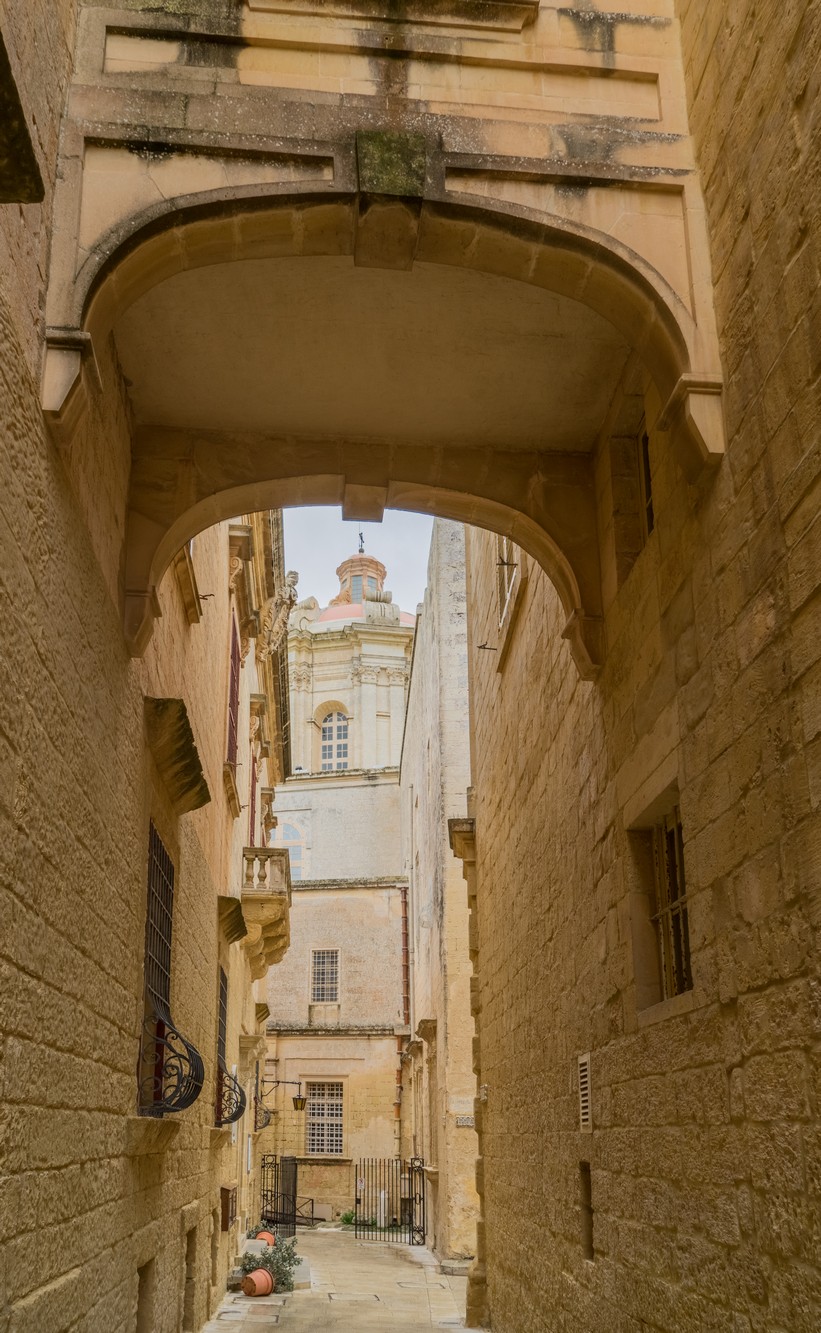
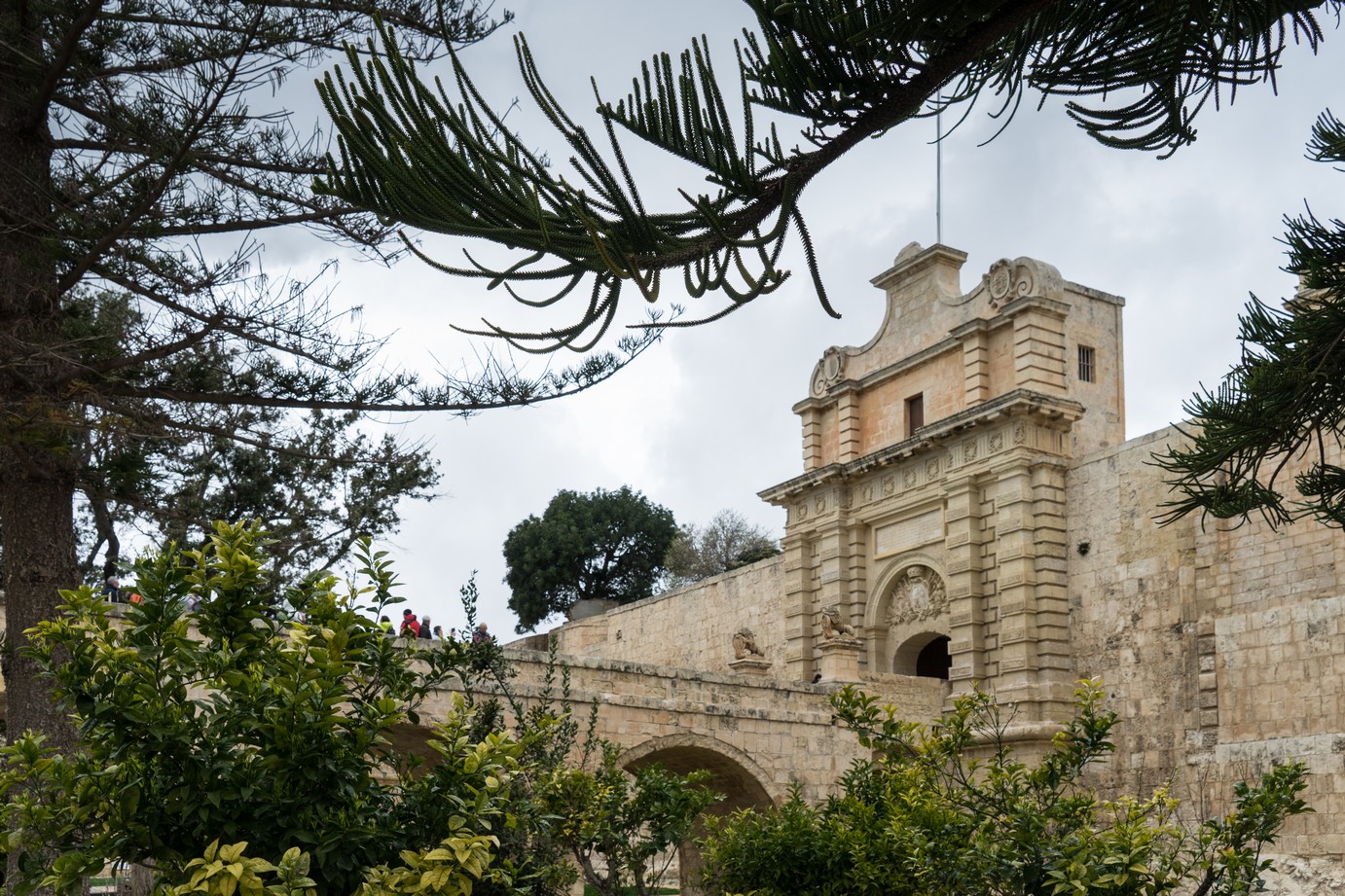
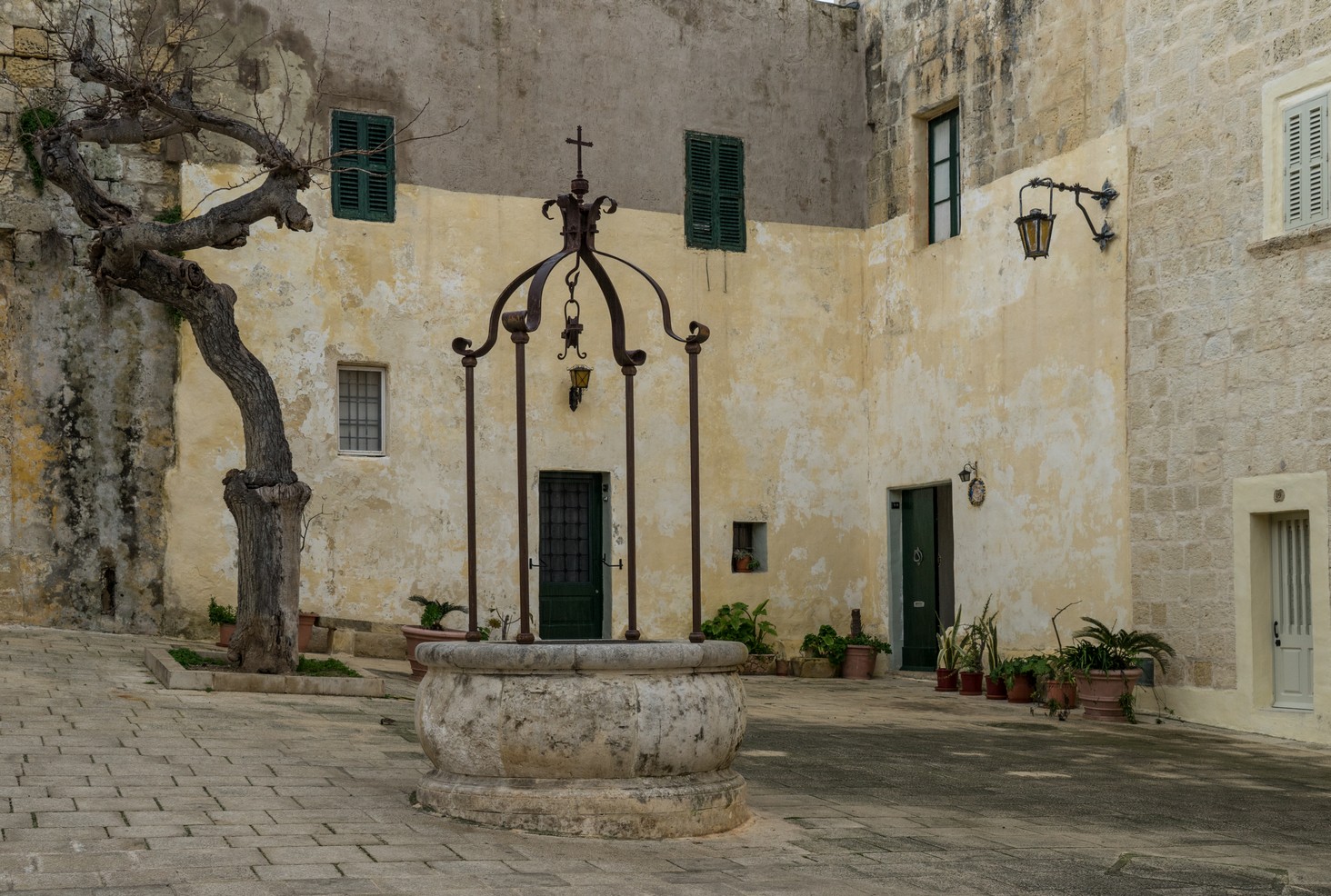

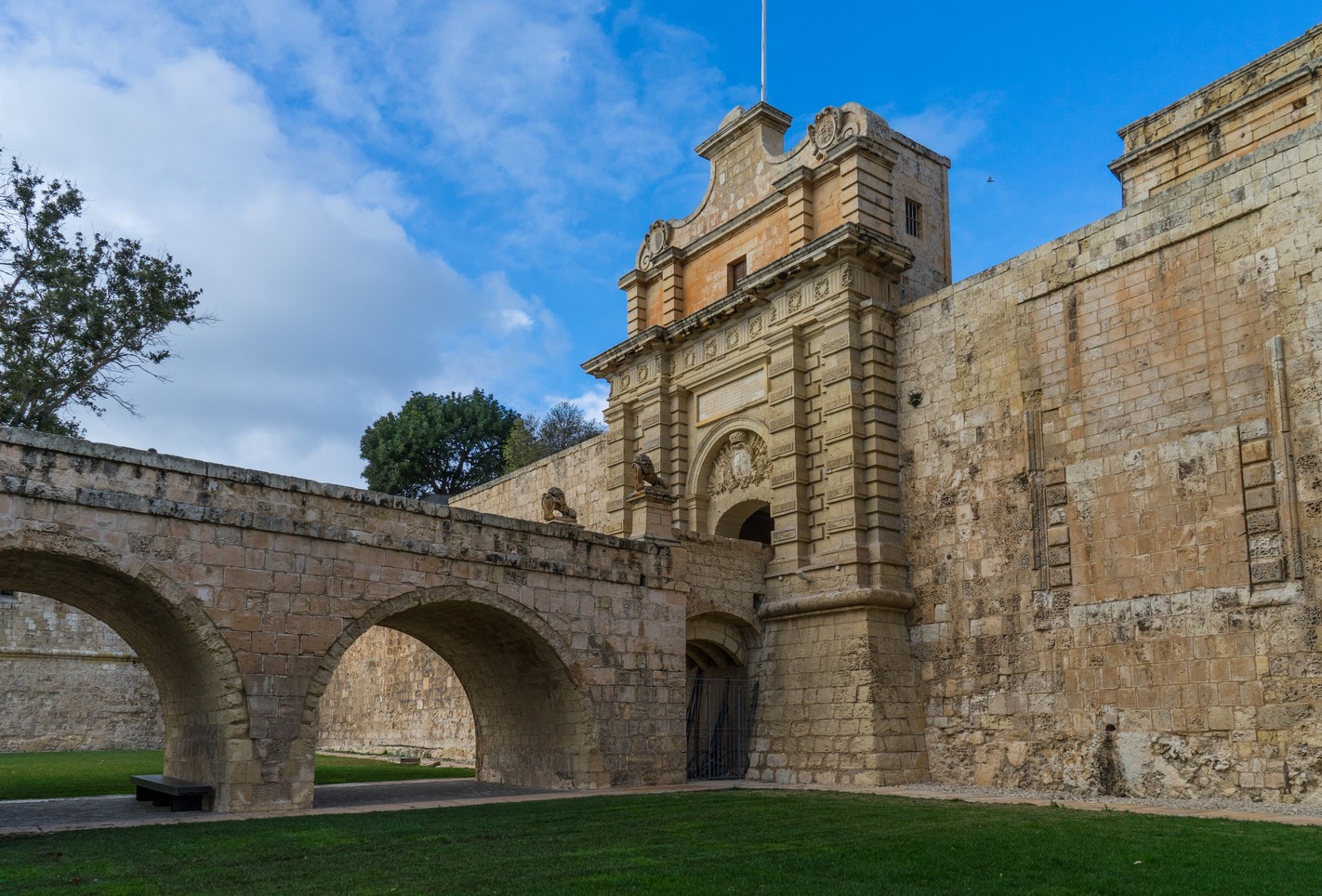
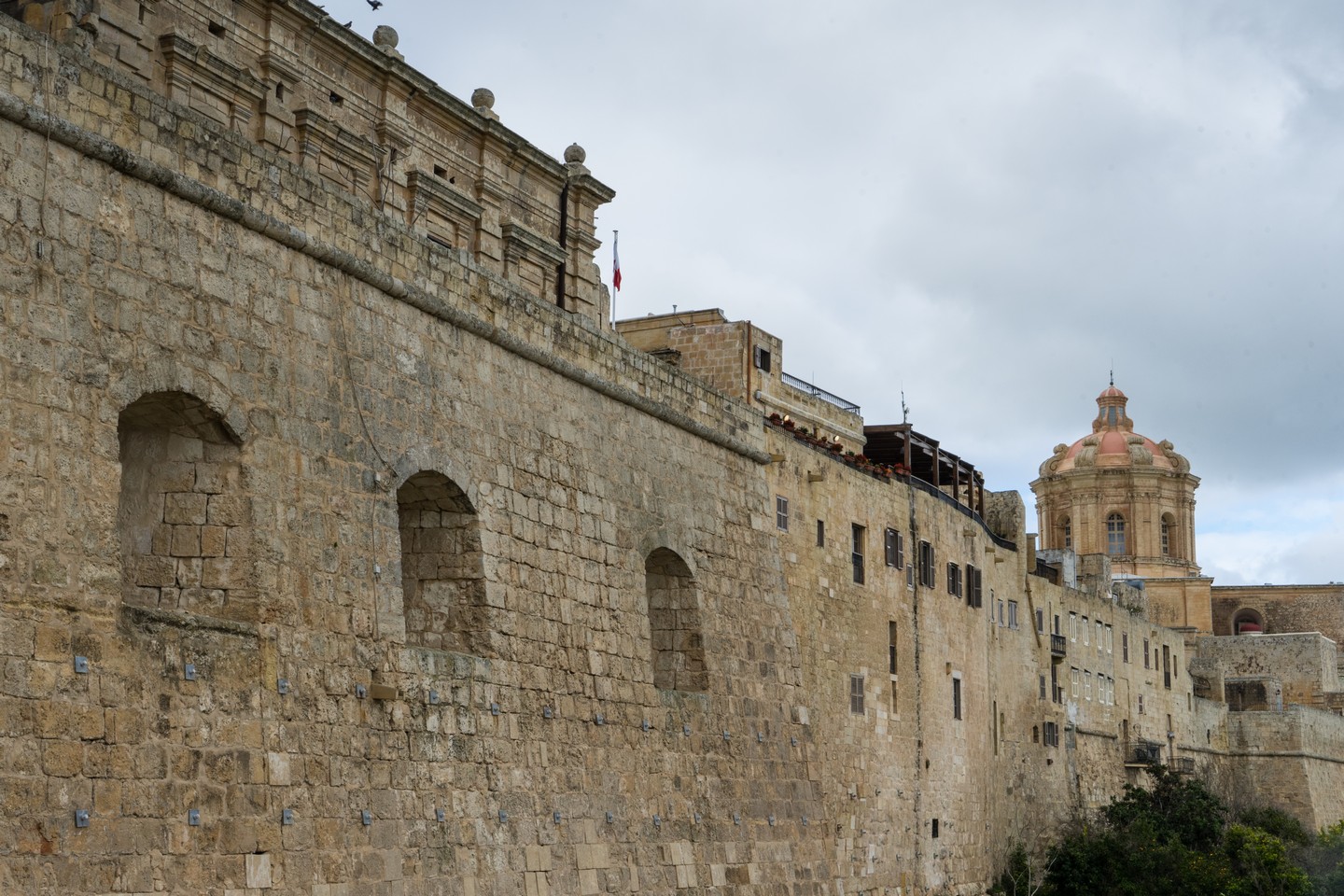


These are from a visit in 2012:


History of Mdina
Mdina is a fortified medieval town enclosed in bastions, located on a large hill in the centre of Malta. The town was the old capital of Malta, and with its narrow streets, few inhabitants and beatuful views over the Island it is truly a magical town. Mdina is referred to as the “Silent City” by Maltese and visitors alike – no cars (except those of a limited number of residents) have permission to enter Mdina and the town provides a relaxing atmosphere among the visitors walking its narrow streets and alleyways.
Mdina has a small population of around 250 people who live at 0.9km2, within the city walls. In contrast, outside the city walls, the village of Rabat is just a step away, and has a population of over 11,000 people. The medieval town of Mdina presents a mix of Norman and Baroque architecture and is the home to many palaces, most of which today serve as private homes. The large and striking Cathedral of the Conversion of St. Paul stands in the main square of the town.
Mdina was first inhabited and fortified around 700 BC by the Phoenicians and was at that time called Maleth. Mdina benefits from its good location on the island’s highest point, far away from the sea. Under the Roman Empire the Roman governor built his palace in Mdina and it is said that even St. Paul stayed there after he was shipwrecked in Malta.
It was the Normans who surrounded the city with its thick defensive fortifications and they also widened the moat around Mdina. After an earthquake in 1693, there was the need to redesign parts of the city. This introduced Baroque designs within the city, and the Knights of Malta rebuilt the cathedral as well as the Magisterial Palace and Palazzo Falzon.
The gate that stands at the entrance today is not the original entrance; the bridge was built later on to enable cars and people to enter Mdina. The original entrance gate stands approximately 100 meters to the left.
References
There is a fantastic Wiki page of the defences of Mdina here.
The history given above is copied from the malta.com site, an excellent island resource.