
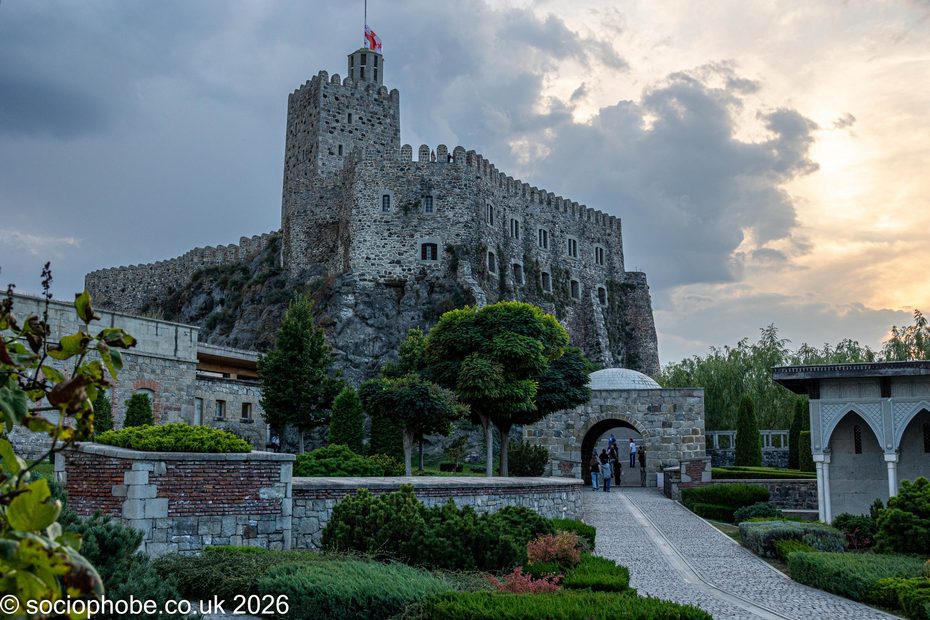
The 1200 year old fortress at Rabati was hugely restored in 2010 and showcases Georgian and Ottoman military and religious architecture. It is a massive complex and obviously a highlight for tourist visits to the area so allow plenty of time for the visit and the drive there from Tbilisi.

Visiting Rabati Fortress
I visited the fortress at Rabati as part of a day trip from Tbilisi that included Vardzia and Borjomi, booked via Viator. We parked outside the castle but by the time we arrived the sun was setting so we had a mad rush to see everything in the time allowed.
You buy the ticket for the upper city (the part with the mosque and citadel in) just inside the castle entrance so don’t be like me, walk all the way to the upper city and then retrace your route to buy a ticket. There is a museum inside the citadel I think but I didn’t have time to go there. If I was visiting solo I’d allow 3-4 hours.
My Experience
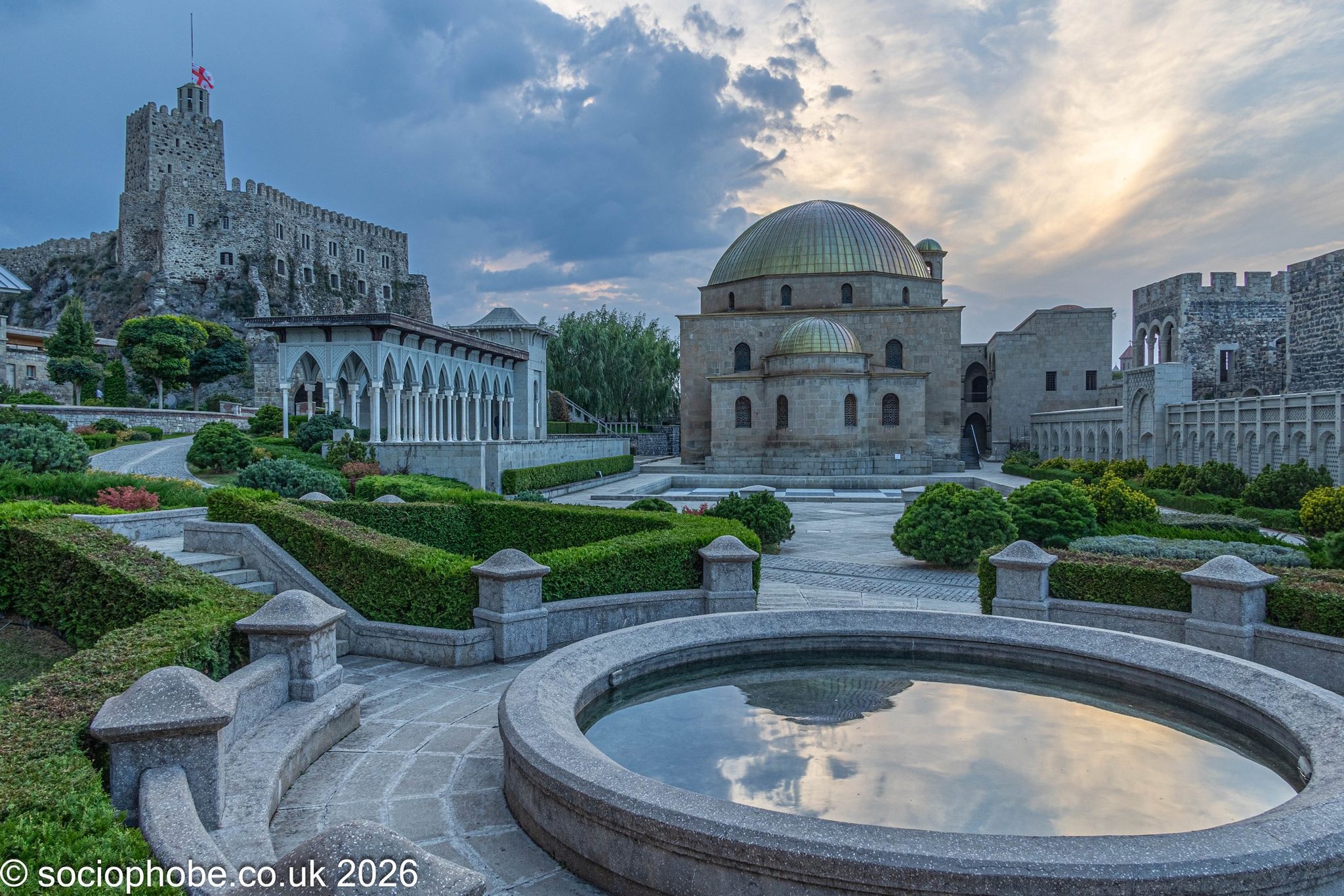
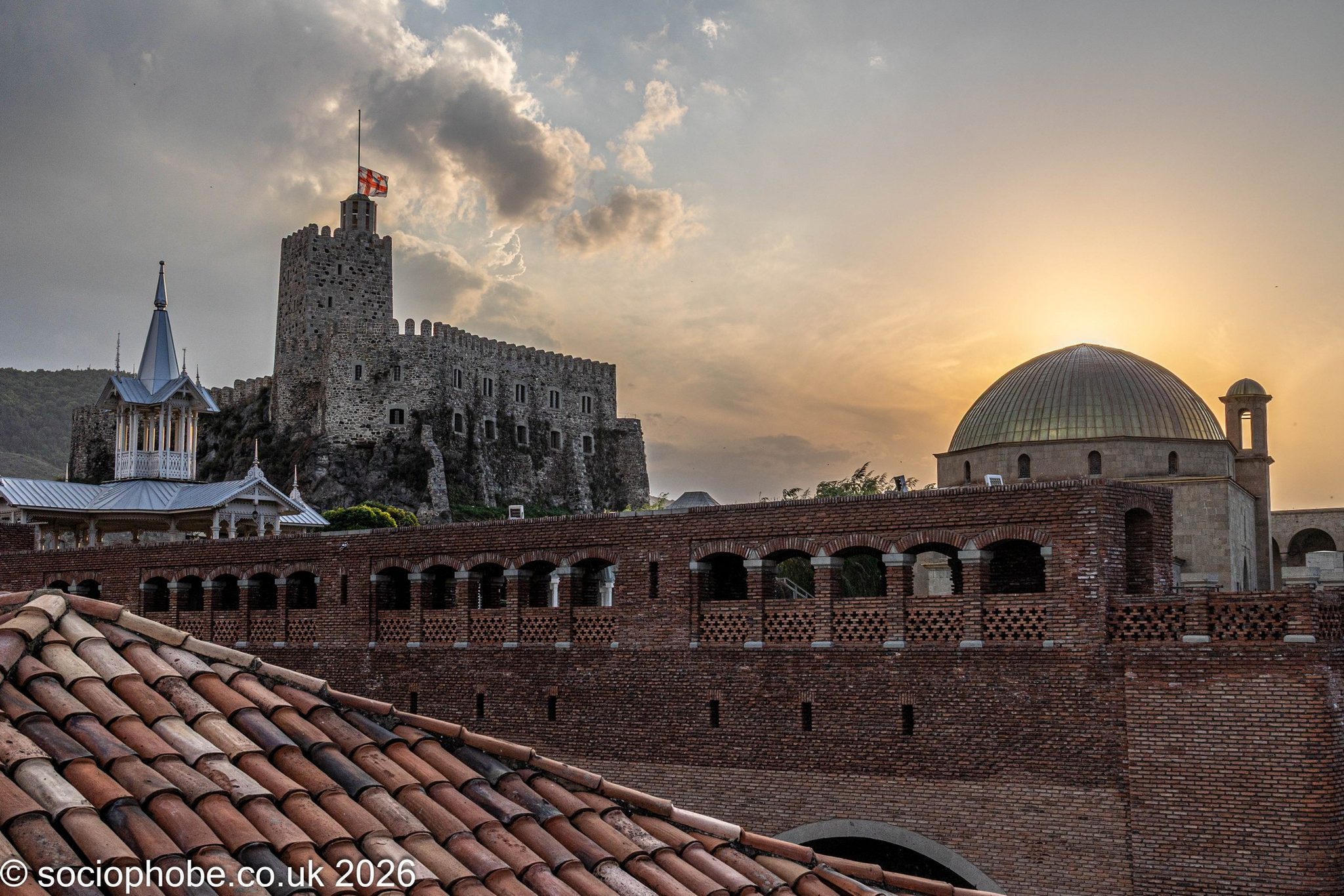
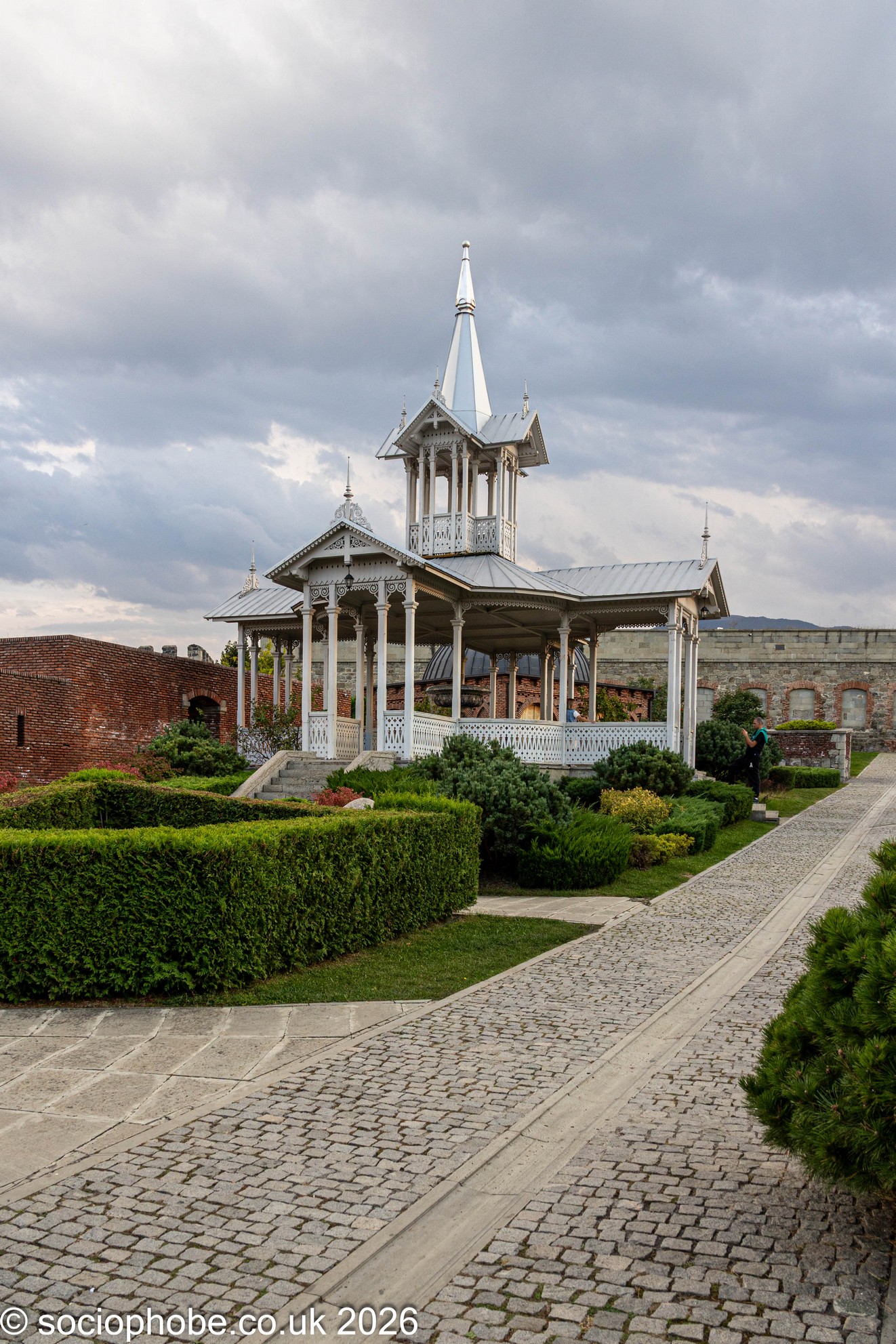
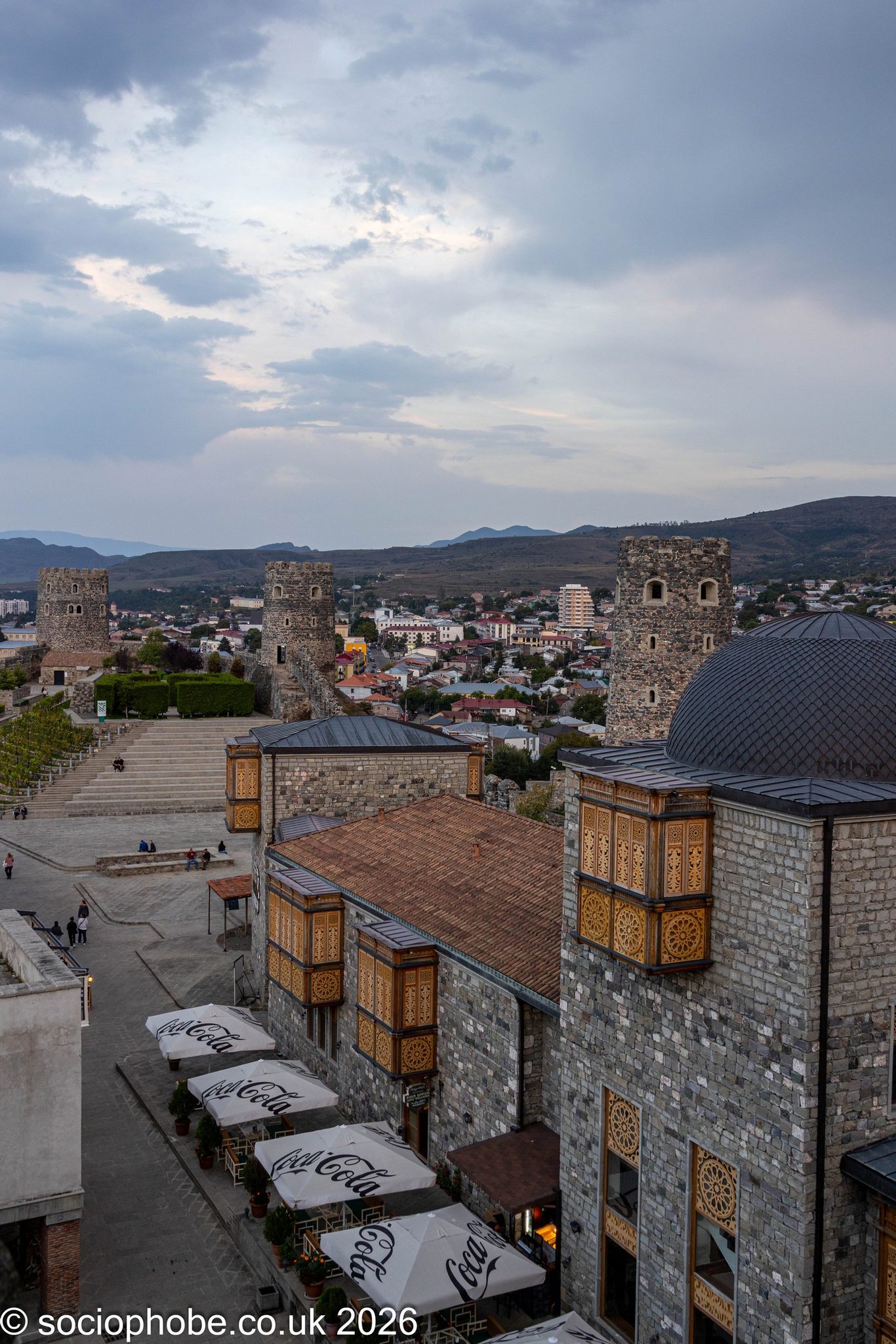
The drive to Rabati Fortress from Vardzia was just over an hour and we arrived around 5PM. This attraction was the undoubted star of the day and I could have easily spent half a day there. We had around an hour so I went straight into the inner fortress (20 Gel entry) and wandered round as the light faded. There were beautiful gardens, a mosque, various pavilions and the ramparts and towers. I didn’t get time to visit the citadel or the museum. Inside the outer walls were shops and restaurants as well as the walls themselves and towers. Everything was well preserved/restored and labelled.
The fortress was originally a 9th century creation and actually held against Tamerlane in the 14th century before being handed over to the Turks in 1590 then surrendered by them in 1829 to the Russian Empire, of which Georgia was a protectorate. The buildings were heavily restored in 2010 to improve tourism and it certainly worked. There were also lots of affectionate dogs in the lower fortress which helped too.
The drive from the fortress back to Tbilisi took a ridiculous amount of time, I think due to an accident or maybe just traffic volumes but we didn’t arrive at the drop off point until 11:30PM, 16.5 hours after we left. The team (Jony and Data4) were excellent and Jony must have been shattered driving all that way, especially considering a chunk of the roads weren’t tarmaced so he had to manoeuvre around potholes and assorted bumps, mostly at night. Data4 was great at informing us of each place we visited and the areas we passed through as well as general info on Georgian history and society.
Personally I’d have skipped the cave site (Vardzia) and added an hour or so to Borjomi (maybe a short hike?) and Rabati or possibly added in Surami Fortress as a stop. For information, entrance fees weren’t included so I’d add 70 Gel each plus food for the day. 600km in one day on those roads was a lot of driving.
Rabati Fortress Photo Gallery




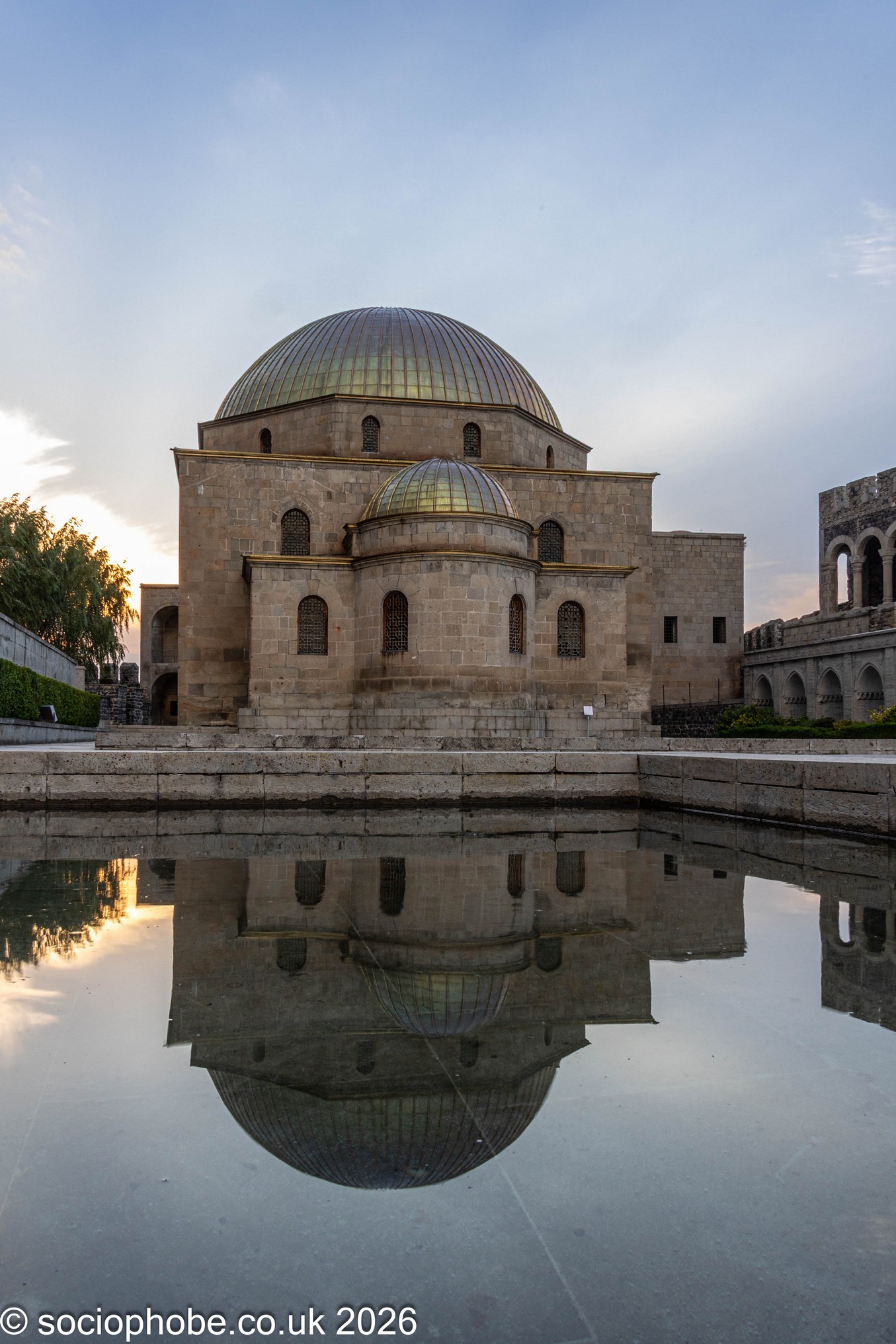


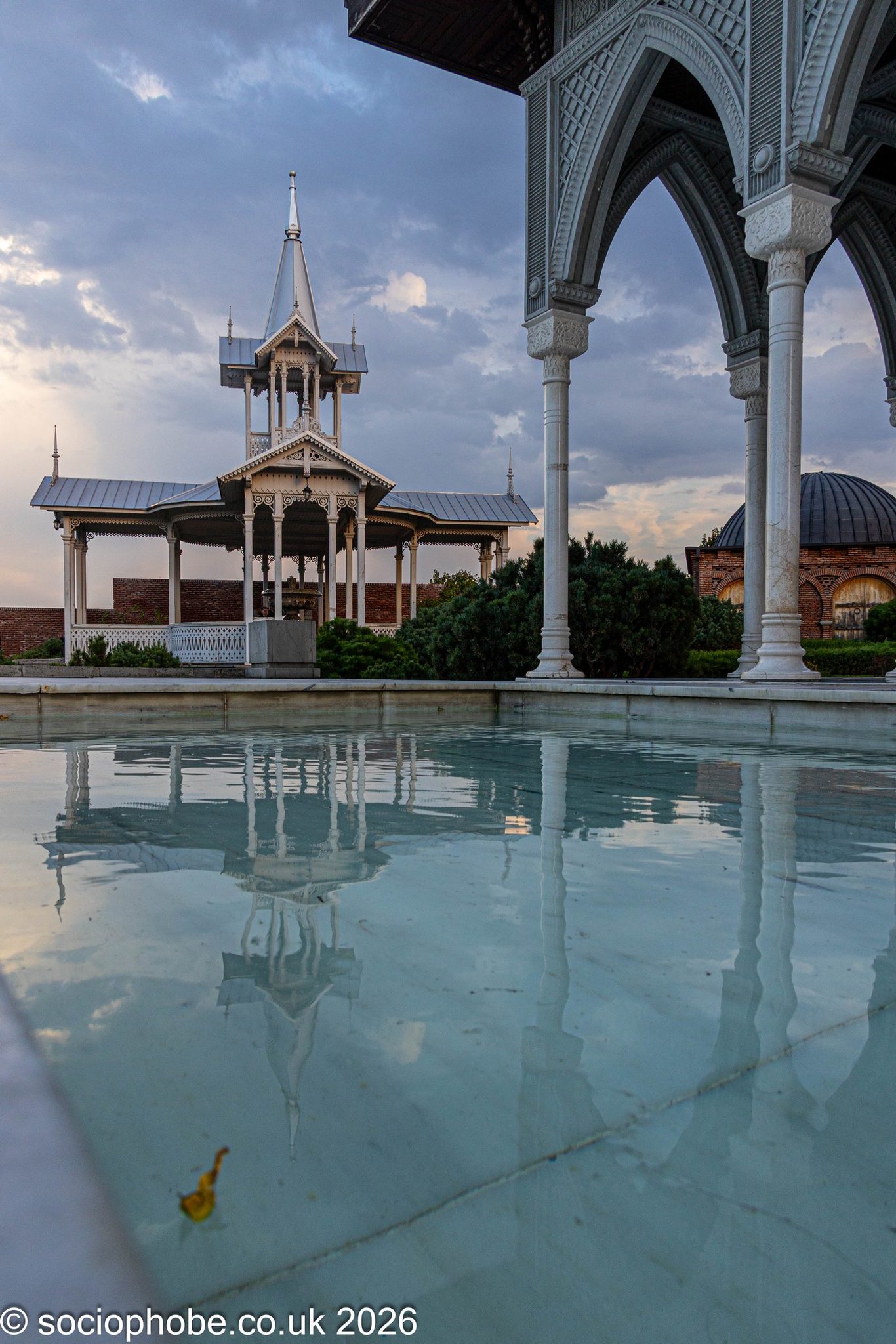


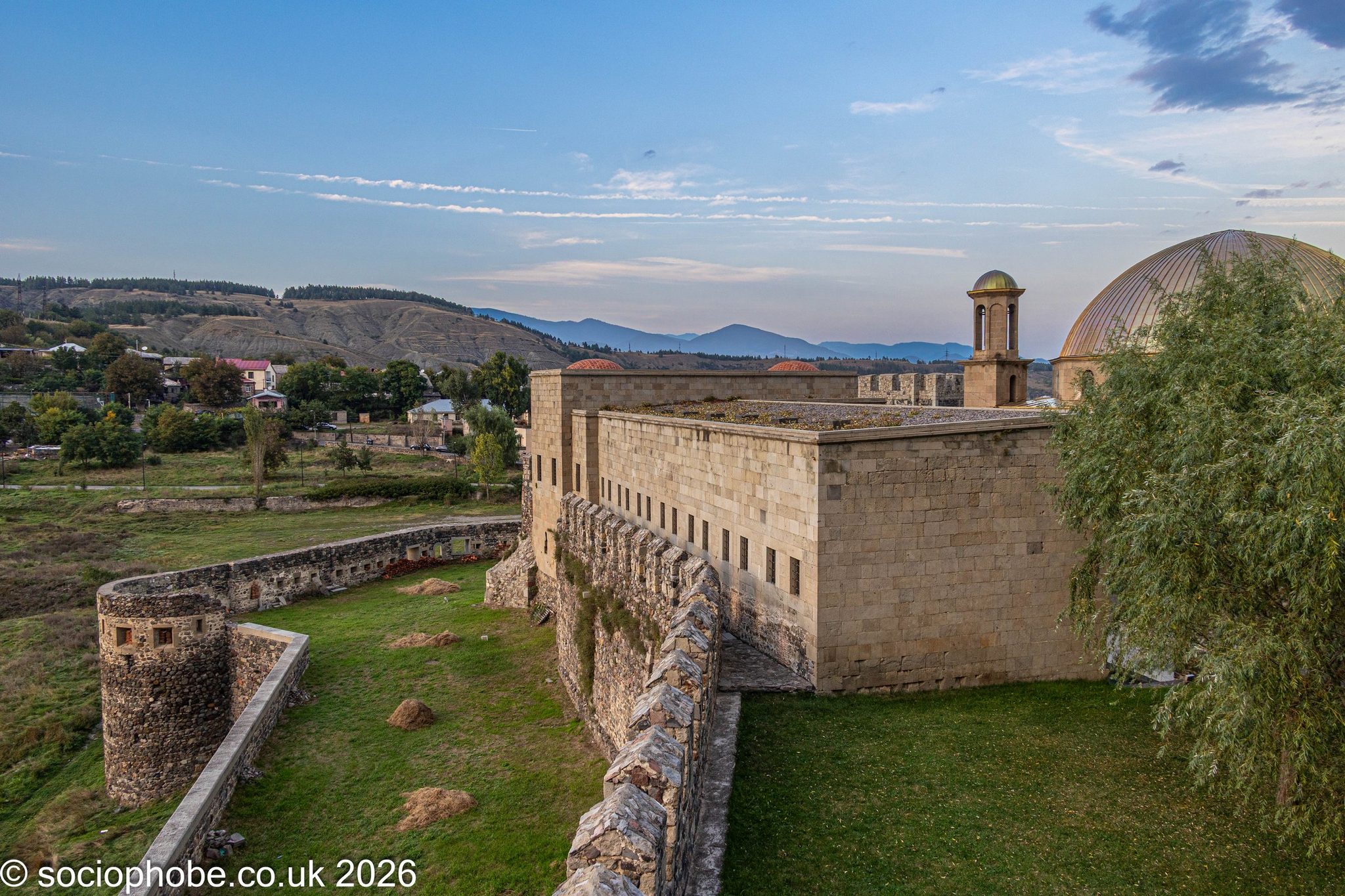
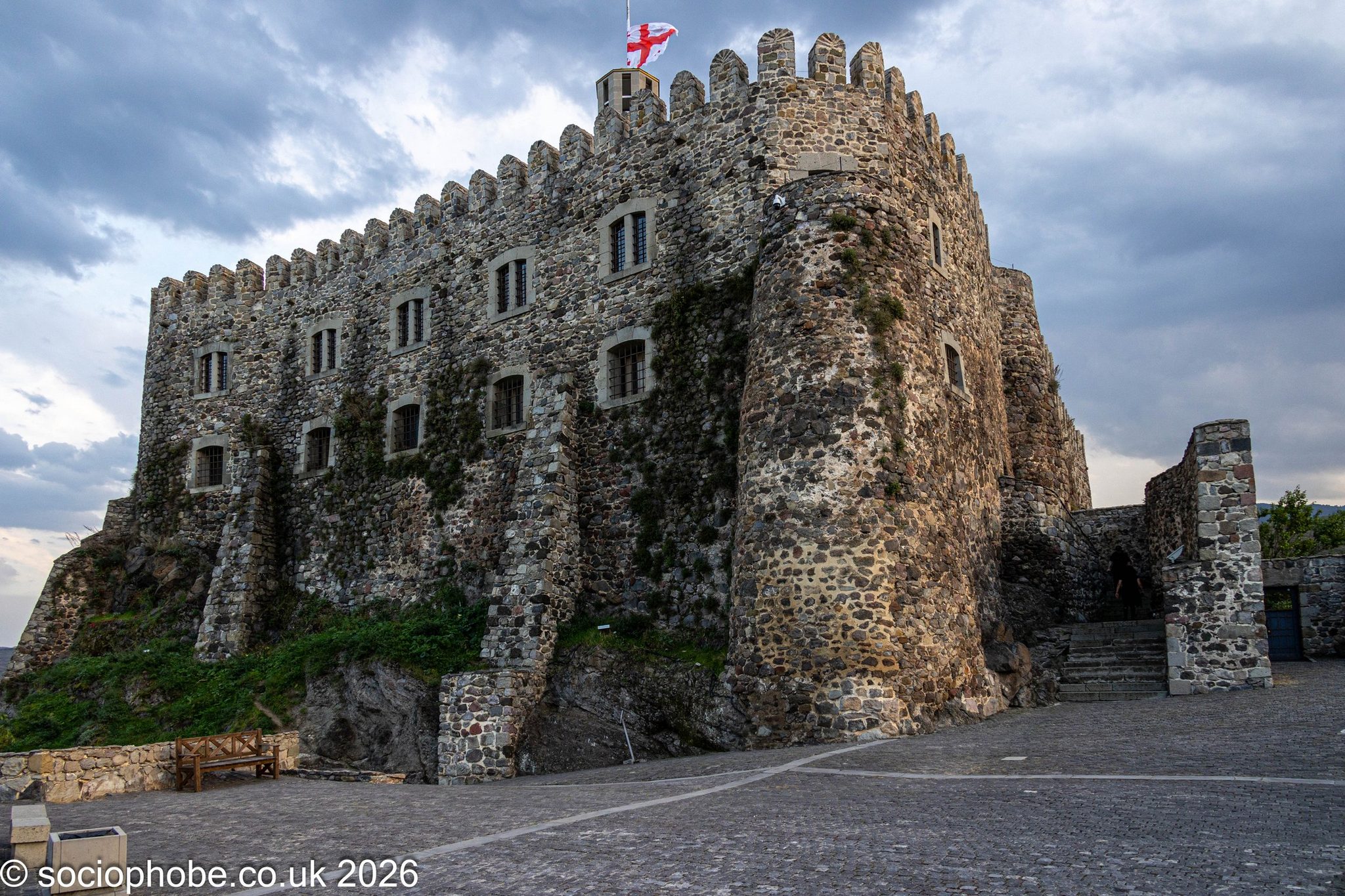



History
The first fortress on this site was built by Guaram Mampali under the name of Lomsia. Guaram Mampali was the founder of the Bagrationi royal dynasty, which ruled the country for about 1000 years until the beginning of the 19th century. Guaram built a total of three fortresses in the region, from which the name “Samtskhe” is derived (“Sami Tsikhe” means “three fortresses” in Georgian).
At the end of the 13th century, the entire region came under the control of the Jakeli princely family, who restored and extended the old fortress of Lomsia in the same century. They then gave the fortress a new name, Akhaltsikhe, which translates as ‘new fortress’. Akhaltsikhe became the seat of the princely family and the capital of the Samtskhe region.
In later centuries, when Georgia was repeatedly invaded by the Ottomans, the Jakeli family converted to Islam. This enabled them to maintain a harmonious relationship with the neighbouring Ottoman Empire, which also spared Akhaltsikhe from destruction. However, after the ‘Treaty of Constantinople’, both the fortress and the entire region of Samtskhe remained outside the control of the Central Georgian Kingdom and were ruled by the Ottoman Empire.
In 1810, the Georgian-Russian army under General Alexander Tormasov attempted to take Akhaltsikhe fortress, but after an epidemic broke out in the region, he abandoned the plan.
It was not until 1828 that Georgian and Russian troops under General Paskevich took the fortress.
The Turks tried to retake the fortress the same year, but failed.
In 1829, the entire region was incorporated into Tsarist Russia and a Russian garrison was stationed at the fortress. During this period, parts of the ramparts and several buildings in the complex were restored.
In 1853, during the Crimean War, the Turks launched another offensive against Akhaltsikhe, but General Andronikashvili, who was stationed in the fortress, was able to hold Akhaltsikhe.
In 1918, after the turmoil of the October Revolution, the Ottomans were able to take the fortress for several months, but soon had to give it up.
During Soviet times, several thousand Soviet soldiers were stationed in the region around Akhaltsikhe, on the border with Turkey. Part of the Akhaltsikhe fortress was used as a military hospital, but the complex was largely neglected.
Following Georgia’s independence in 1991, the fortress remained unattended for many years as it was badly damaged by the battles of the previous centuries and required a great deal of funding for restoration.
It was only in 2011 that Georgia had the financial means to thoroughly restore this once grandiose castle and rebuild parts that had fallen into disrepair.
After about 2 years of restoration, Akhaltsikhe Fortress was reopened and named Rabati after its historic location. Since then, Rabati Castle and Fortress has been a major attraction for both local and foreign tourists.
The restoration of the complex cost Georgia a total of 34 million Lari.
References
The history above is taken from the Enjoy Georgia site here.
The website of the castle is here, with information on opening times and events.