
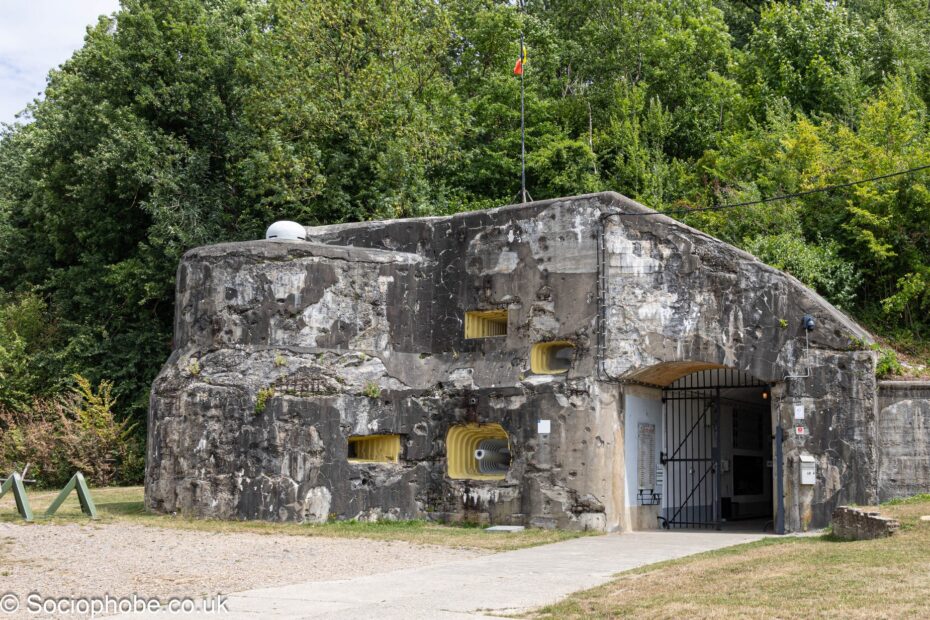
Fort Eben Emael is a testament to both Belgian and engineering and German strategic genius. The capture by glider assault was a world first and demonstrated the difference in military philosophies between the two sides.
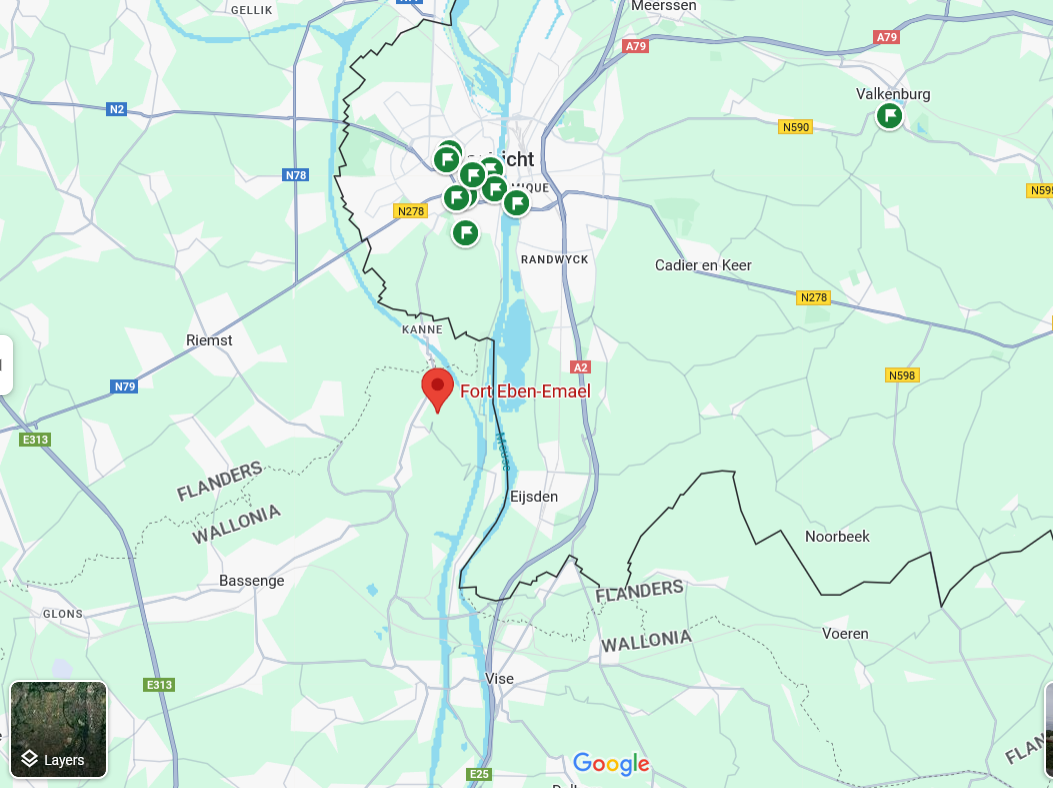
Visiting Eben Emael Fort
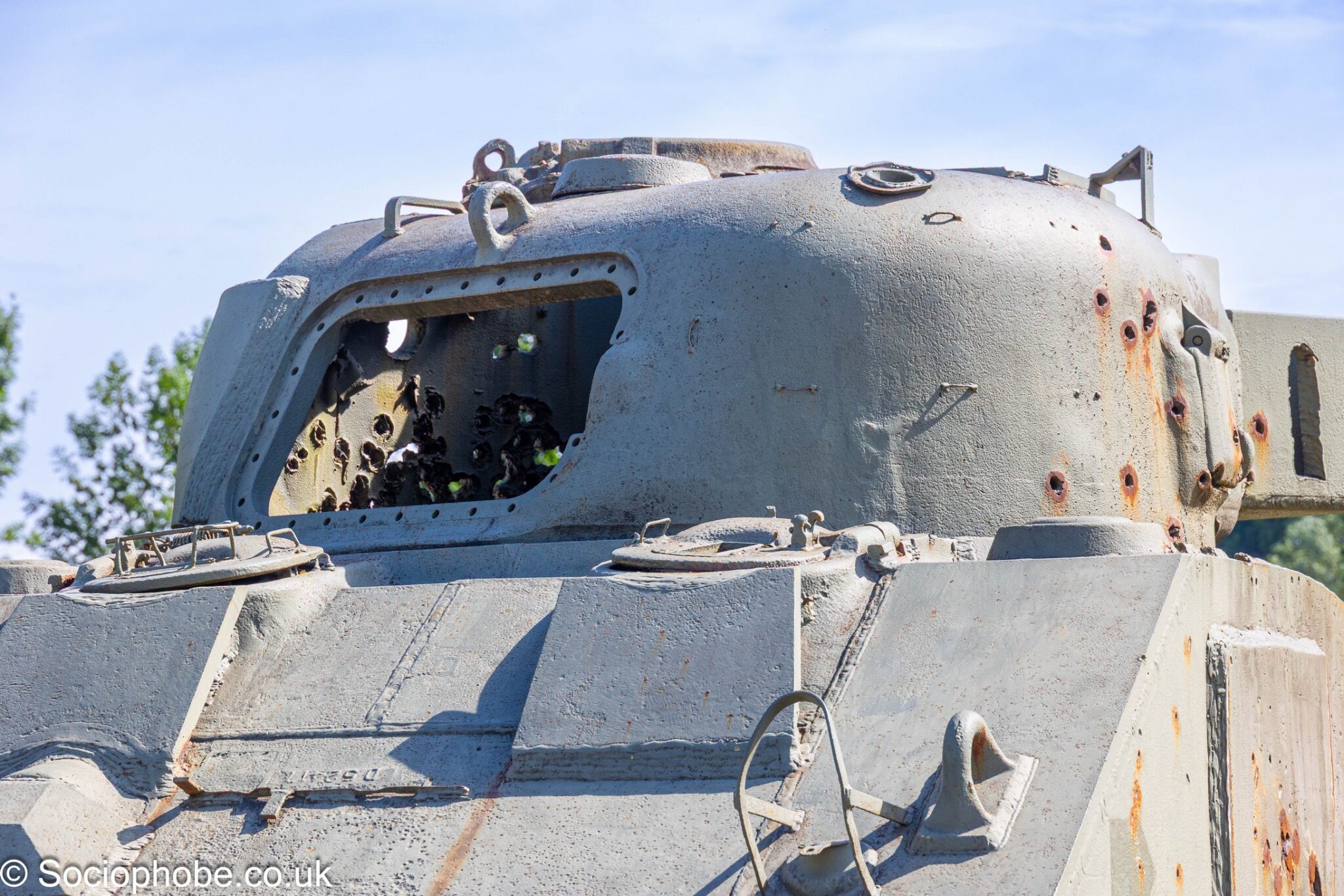
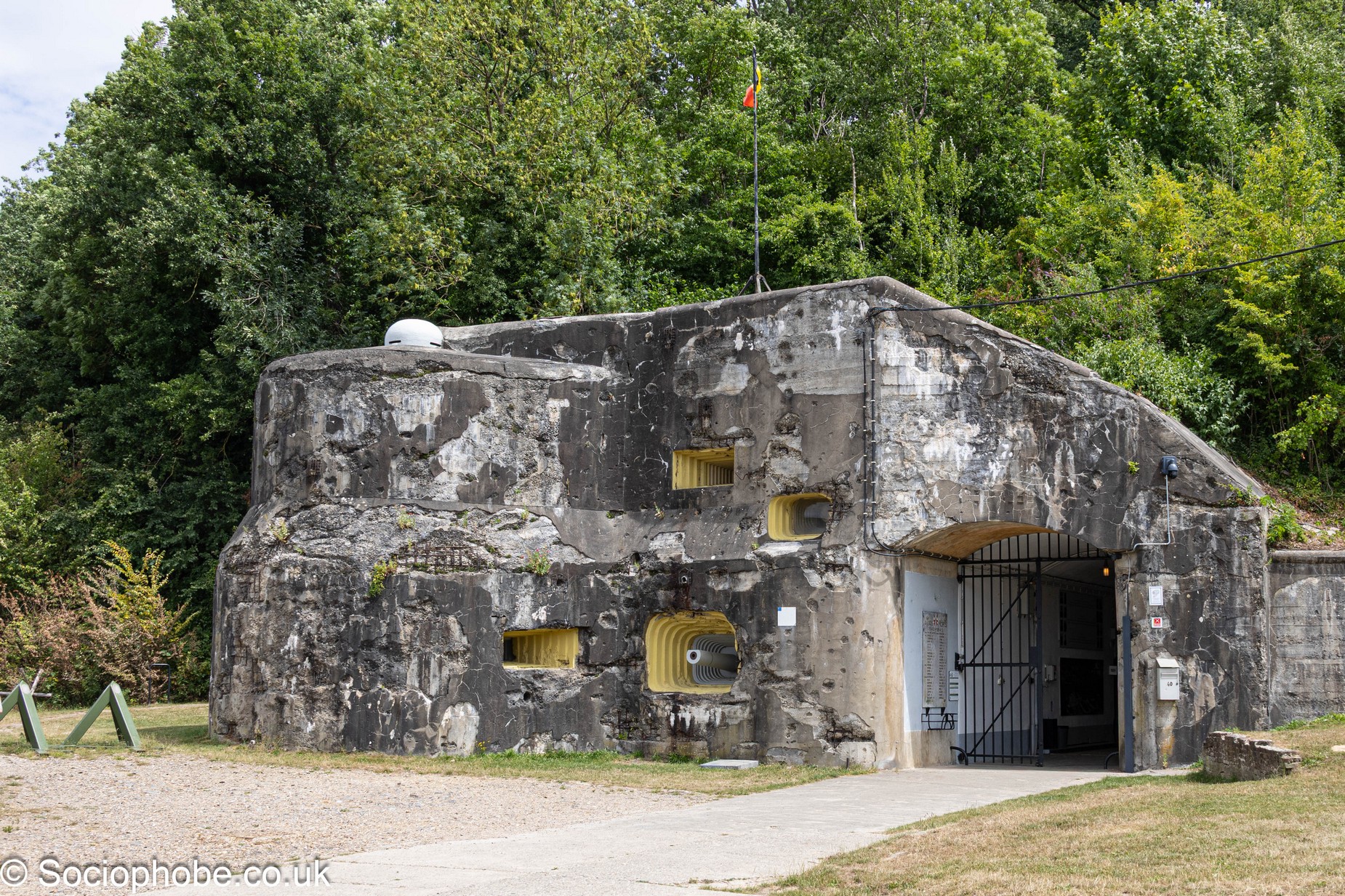
Last time we were in the area the fort was only open on certain days and we missed it so this holiday was organised around visiting the fort. It is well signposted once you are a few miles away and there is a large car park as well as a bunker, destroyed Sherman tank and an observation point to show you’re in the right place.
The fort is now open every day except Mondays and you have the option of an unguided tour (€12) or a 2 hour guided tour (€17) which includes extra areas. I’d recommend booking in advance for the guided tour as places are limited.
There are toilets on site as well as a limited cafe. It is cool inside the tunnels so a jacket is recommended and be aware some of the areas are quite a tight fit.
My Experience
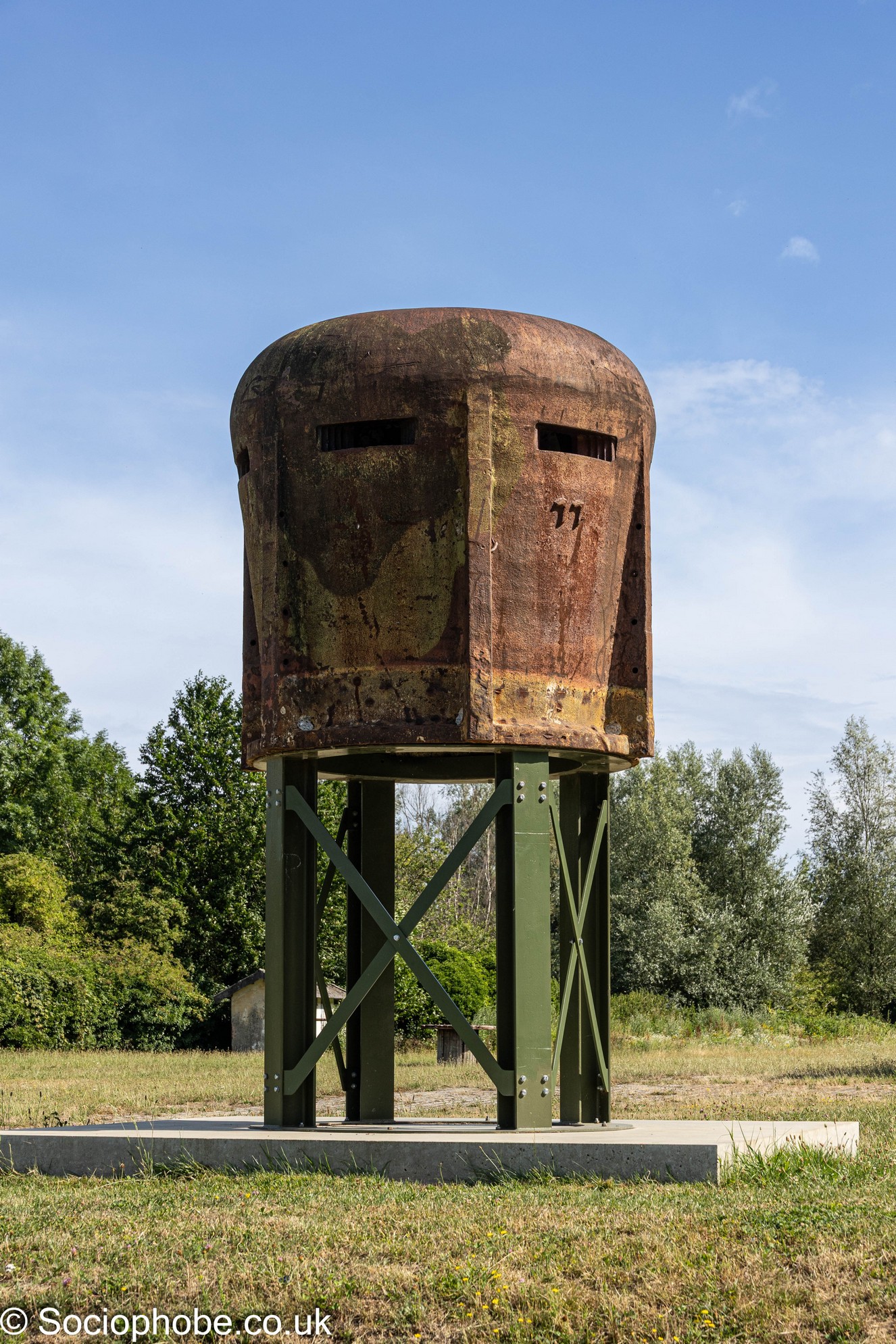
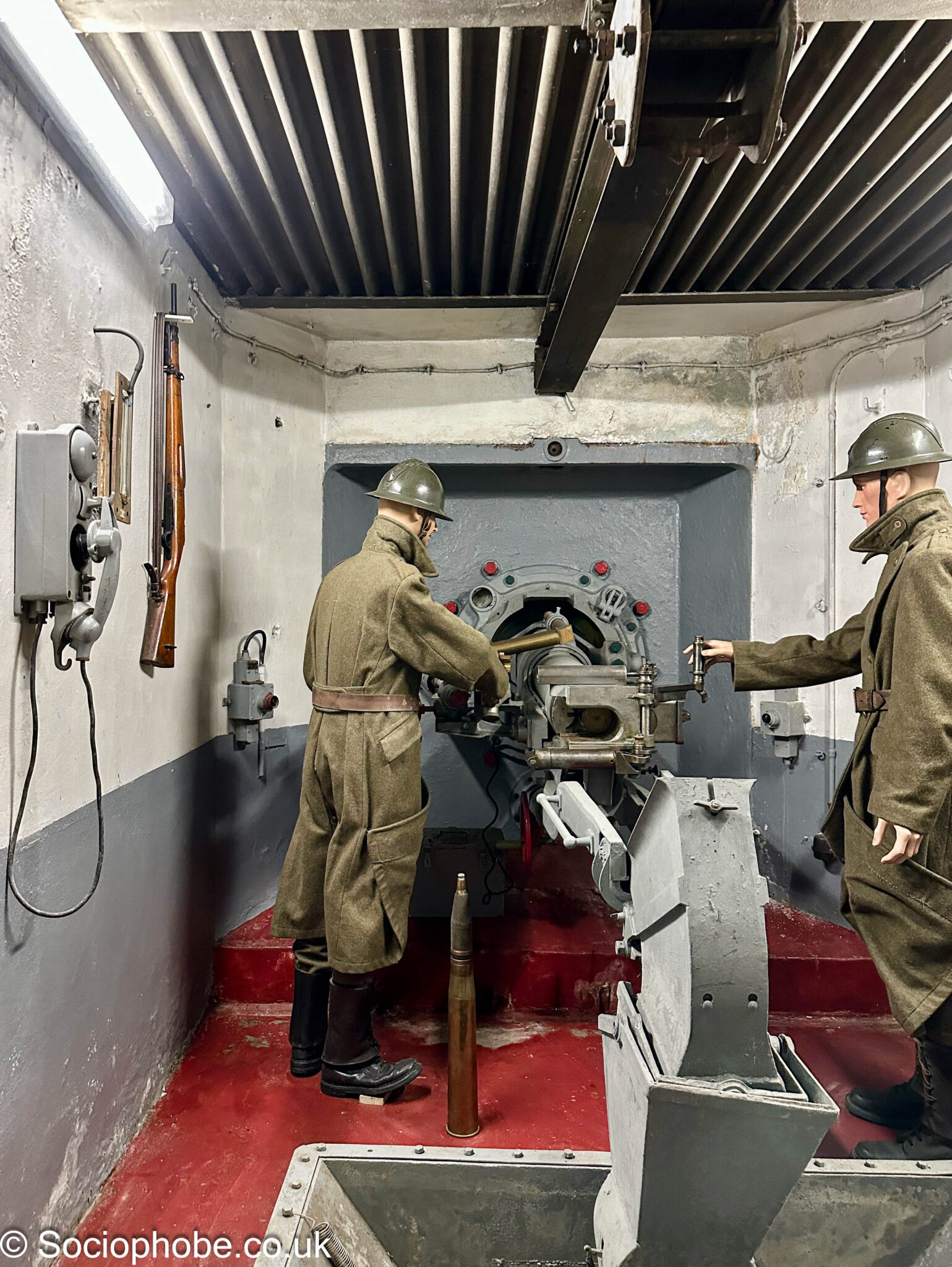
We had a 2 hour tour of the fort (cost €68 for the 4 of us), led by Sven, that was very interesting. The fort was designed in the most modern way but everything seemed to be based on keeping the enemy at a distance. German innovations in demolitions meant the hollow charge weapons could penetrate the turrets of the fort and within about 30 minutes of landing, most of the observation points and weapons were disabled. The guide explained about the Belgian troops that lost their lives in each position of the fort, mostly conscripts and some as young as 19.
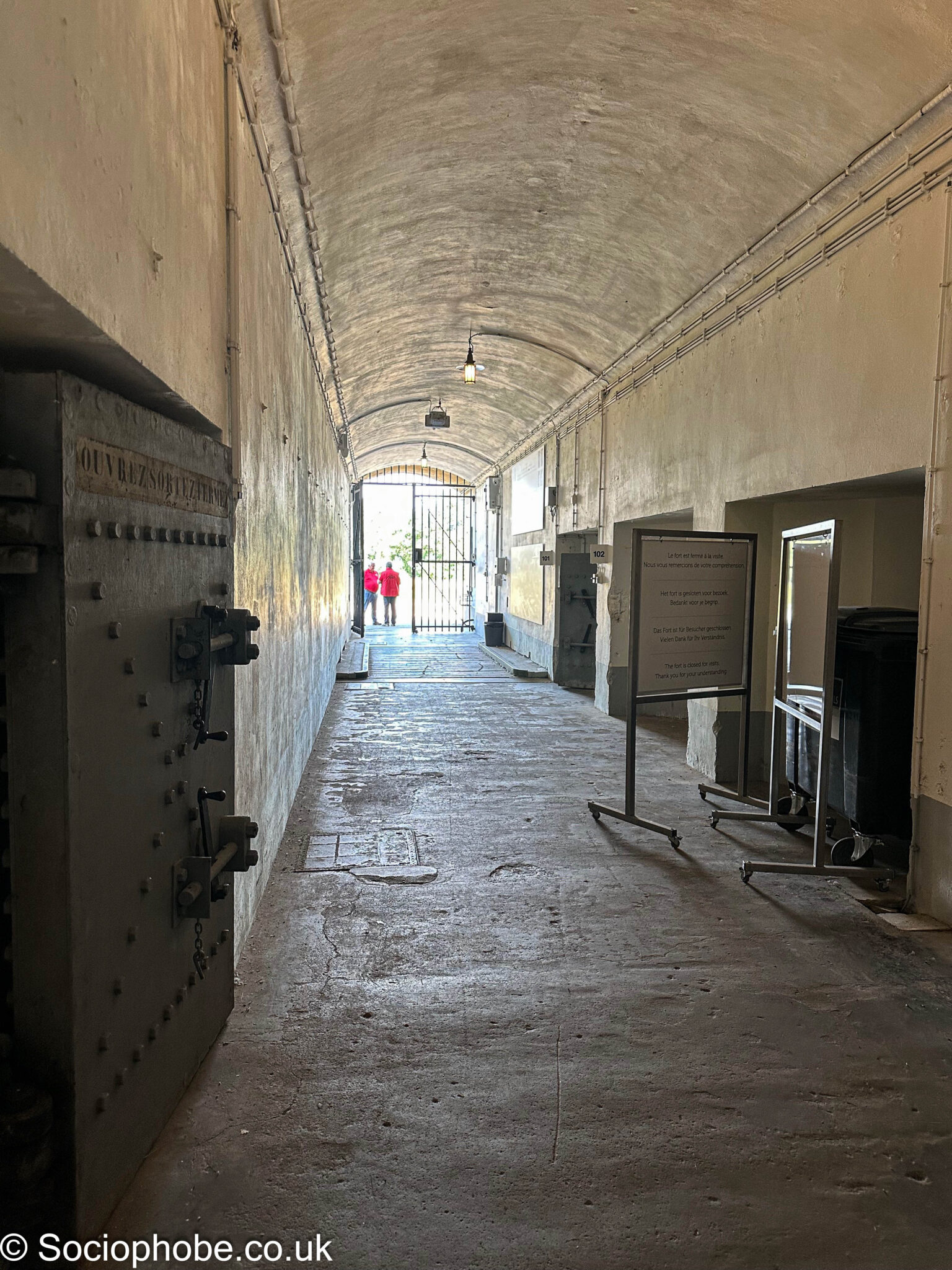
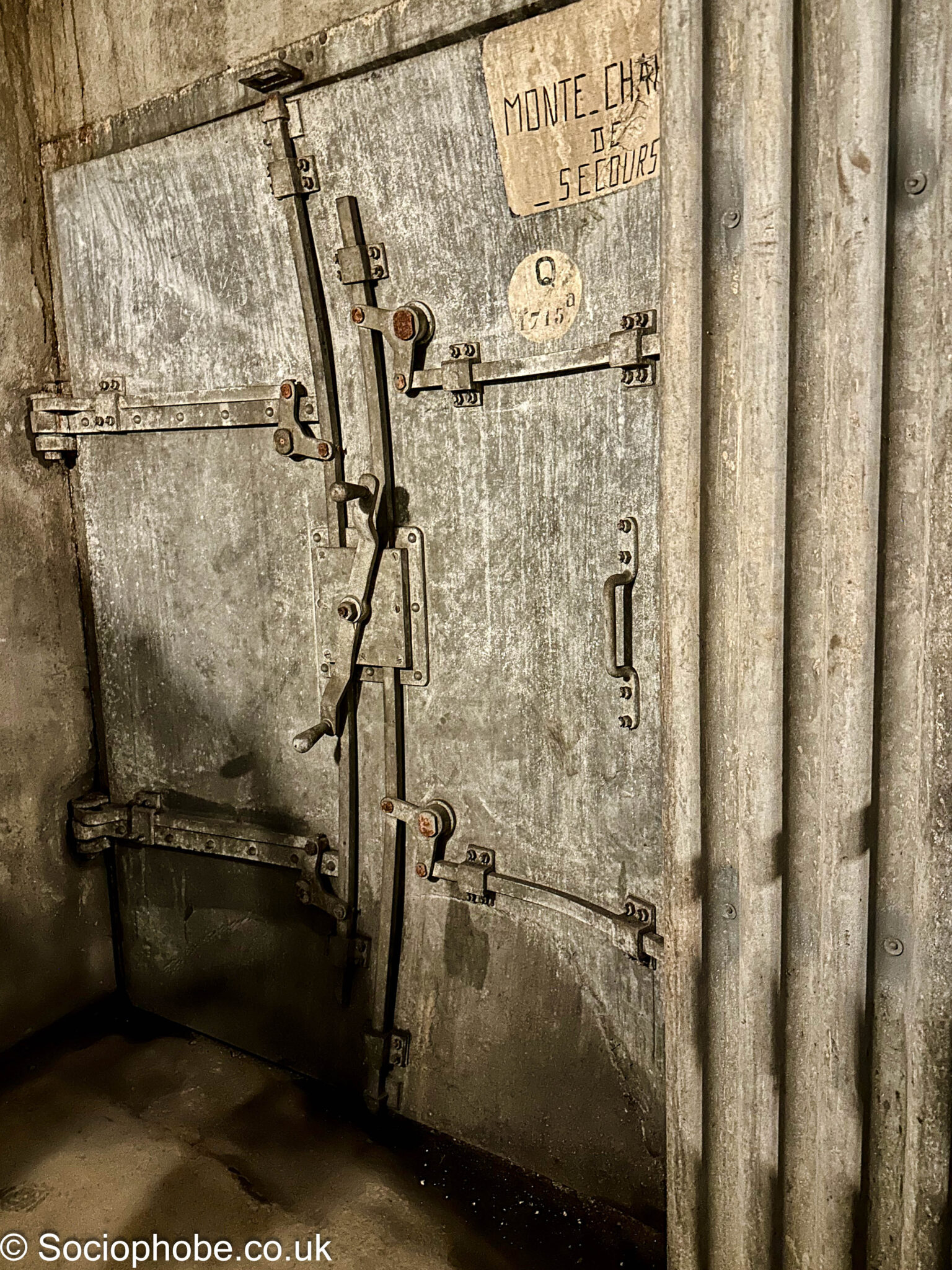
The scale of the fort was vast, far larger than I expected and there were 5km of tunnels with electric lights, gas doors on the corridors, ventilators, and everything needed for the 1200 strong garrison to function. The Germans managed to capture it with 72 men as once the guns were disabled the fort served no purpose and the Germans were already able to cross the Albert Canal and Meuse bridges that the fort was built to defend. There were options to do other specific tours to the revolving cupola and the plateau where the gliders landed so I think we’ll do that on another visit.
Eben Emael Fort Photo Gallery


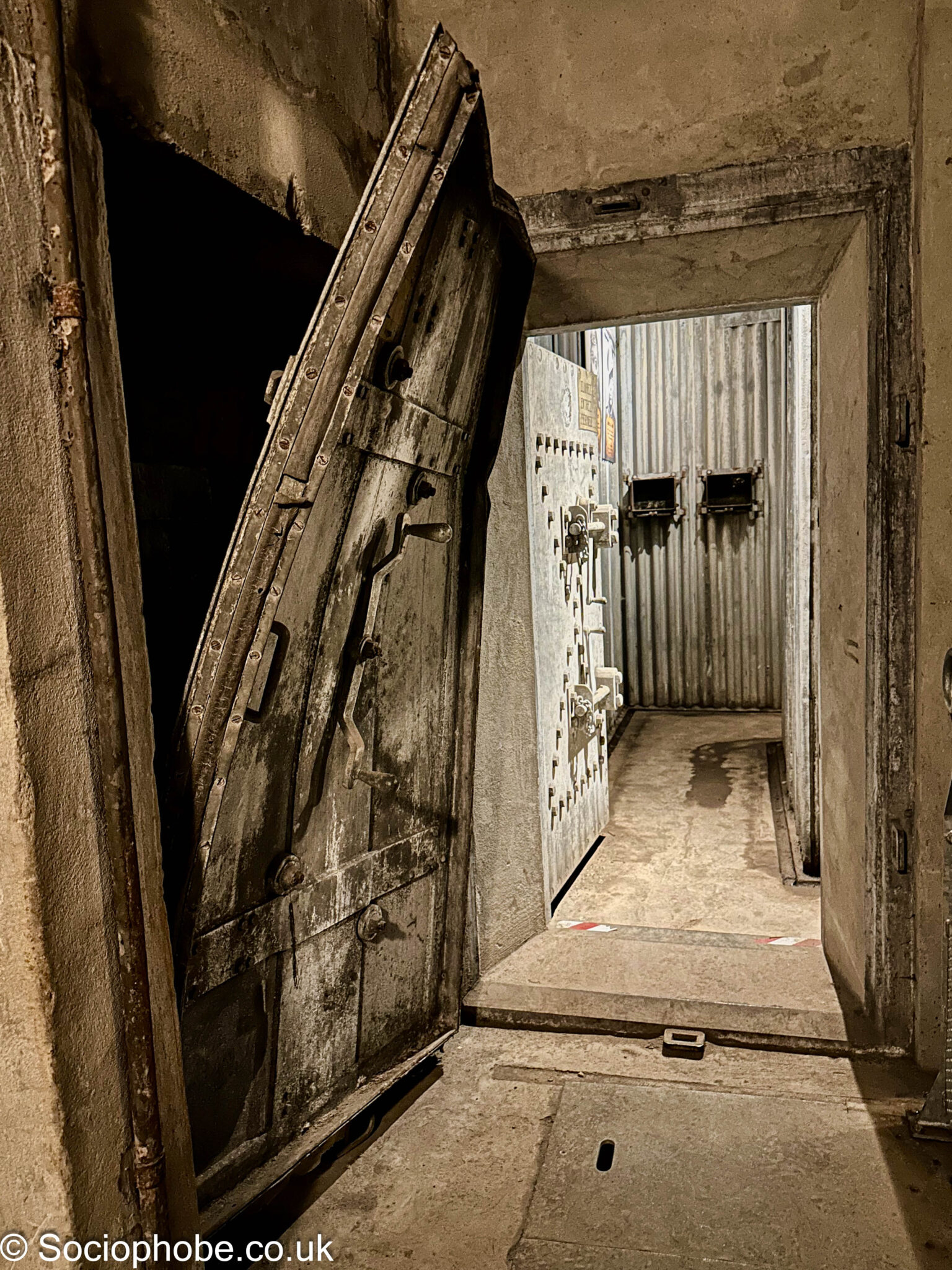
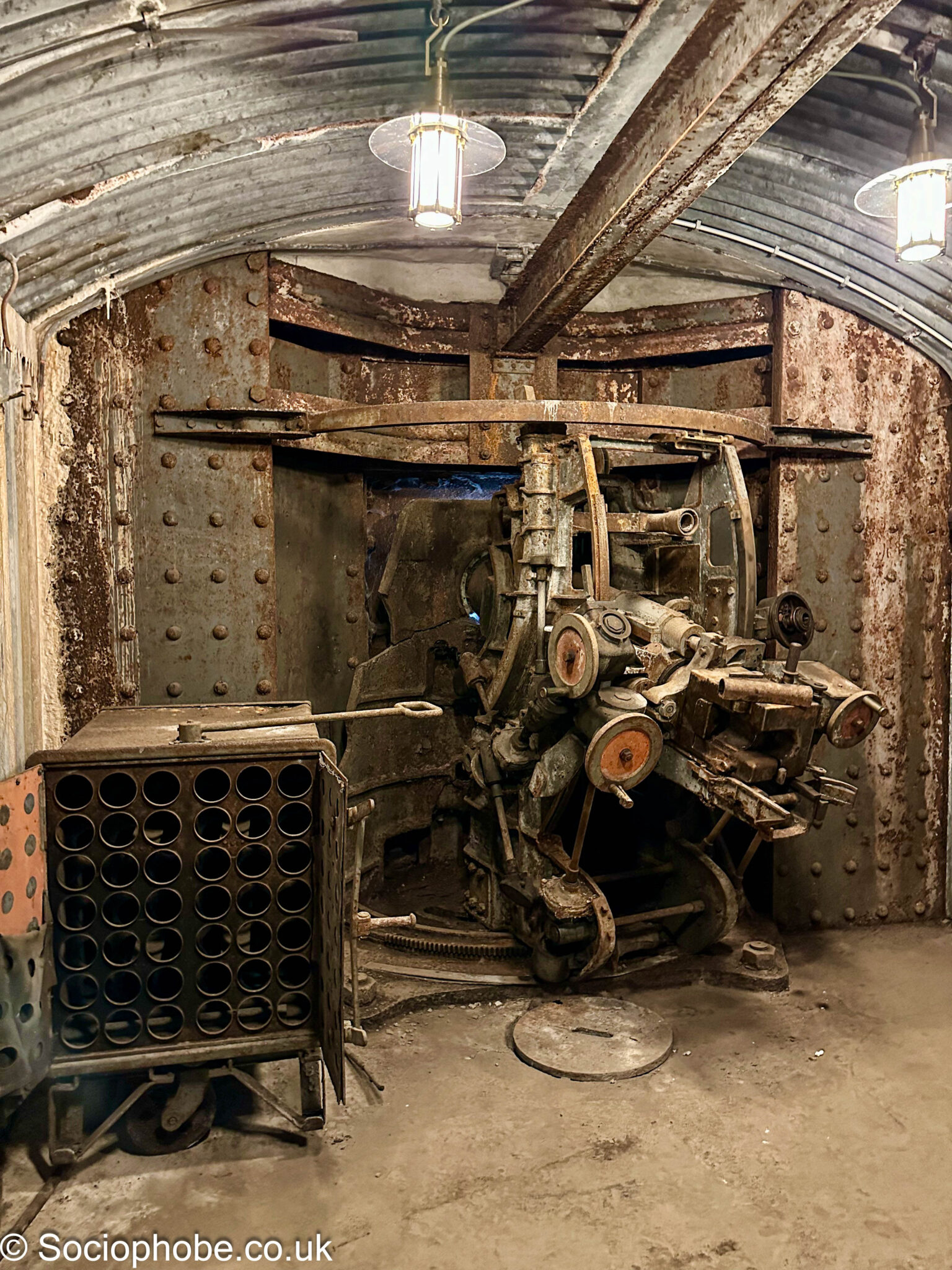

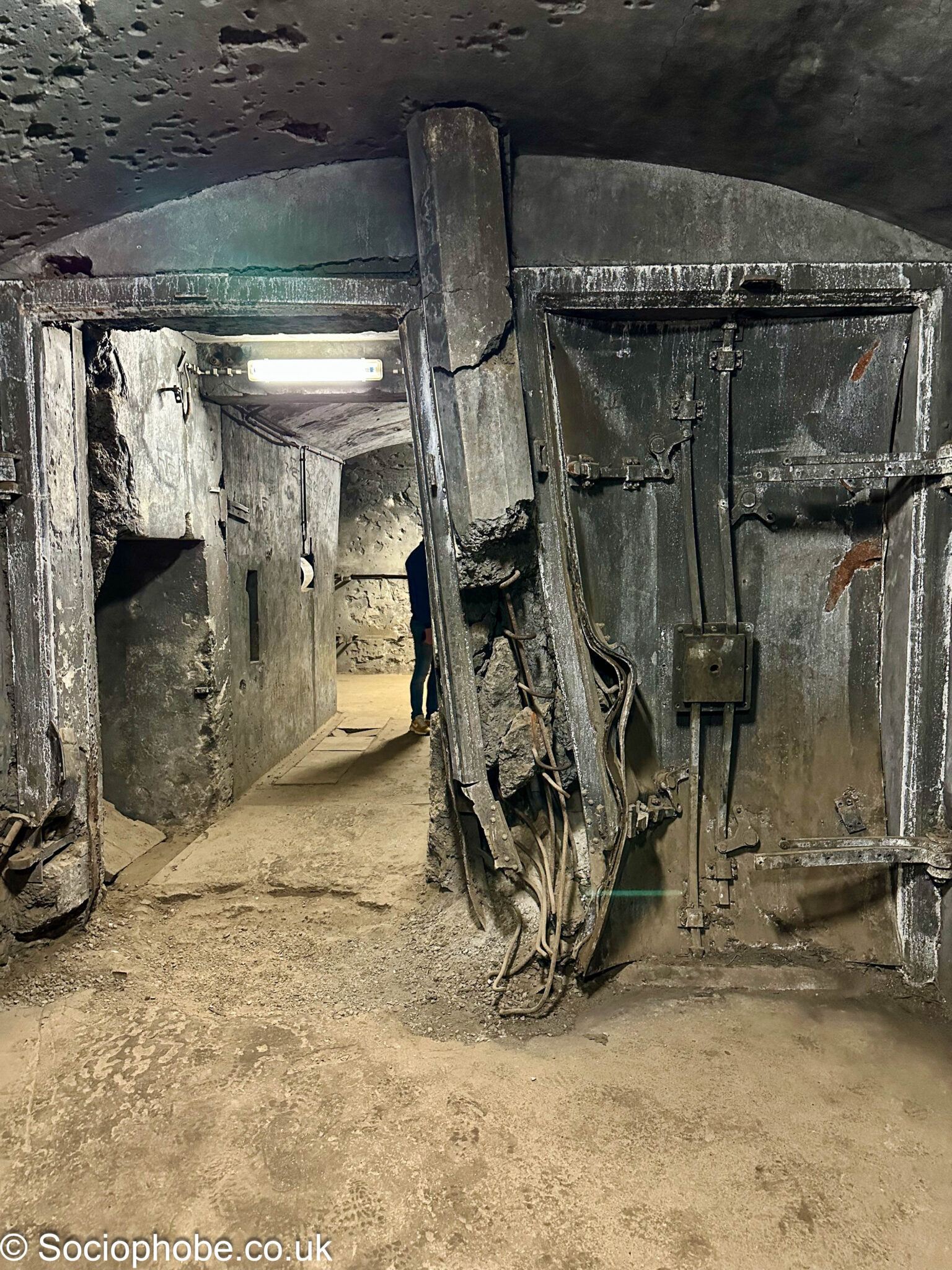


History
At dawn on 10 May 1940, 10 large transport gliders landed an elite unit of German paratroopers (code name GRANIT) on the plateau of the fort.
There had been no official declaration of war yet.
Immediately after landing , one of the assault teams disabled the anti-aircraft machine guns. By using a new type of explosives, called a shaped charge, most of the observation domes, machine gun bunkers, artillery bunkers and artillery cupolas were neutralised in a very short space of time.
Gliders also landed at three bridges over the Albert Canal to the north of the fort. The two most important bridges were captured intact.
Counterattacks by the gunners of the fort failed due to the lack of automatic weapons and appropriate training. The disadvantageous terrain and regular attacks by the German air force ensured that the German attackers maintained their superiority.
Artillery bombardments by the forts at Pontisse and Barchon had no result either, because the German soldiers had found shelter in the conquered bunkers.
During the night of 10 to 11 May 1940, German ground troops crossed the Albert Canal and the fort became surrounded.
Shortly before noon on 11 May 1940, only two artillery bunkers were still active. Furthermore. defensive fire had become impossible due to the neutralisation of the observation posts.
The fort surrendered around noon on Saturday 11 May 1940. The situation had become critical. The destructive effect of the new German explosives had done its work. Many soldiers of the garrison were killed, seriously wounded or completely demoralised.
References
The history above is copied from the Fort’s website which also has opening times, costs, tours etc
Wiki has a more detailed account of the battle and wider strategic impacts here.
There are a multitude of accounts on YouTube of the attack but I liked this one here.
There is another comprehensive report on the fort on Warfare History Network here.