

Xativa Castle is one of the many Spanish castles that occupy awesome hilltop sites and the structures have evolved over thousands of years. Occupied by the Celtibereans, Carthaginians, Romans, Arabs and finally Aragonese the castle last saw military action in the eighteenth century.
Visiting Xativa Castle
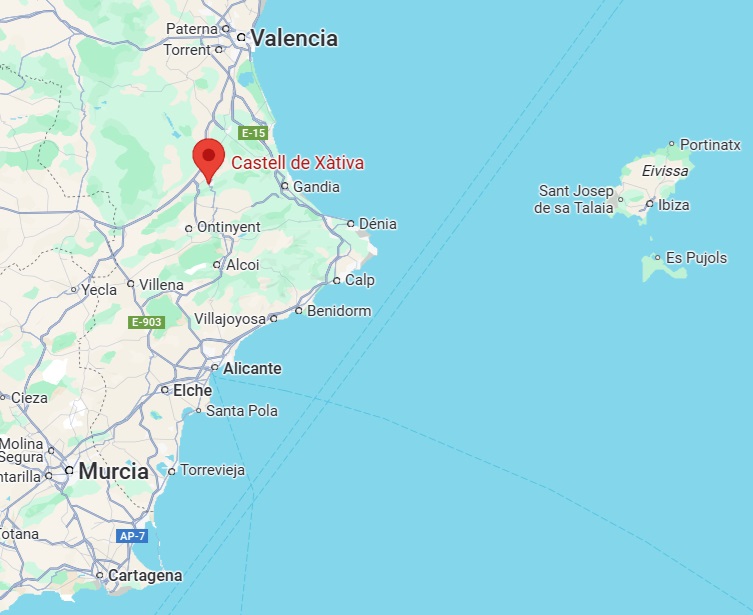
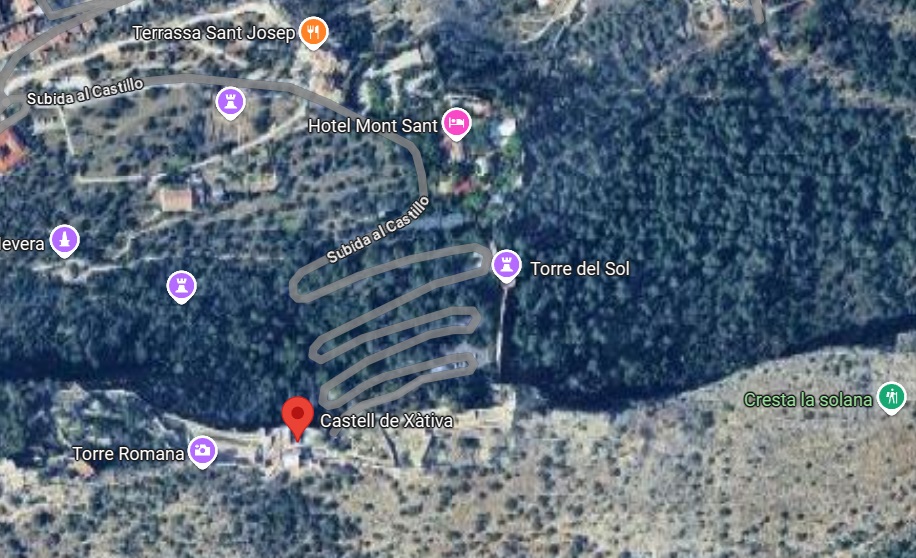
The castle is at the summit of a long and winding road with a small car park at the top but parking is limited. Most people seem to either walk from the town (a long trek) or get the shuttle bus, information for which is here. Once inside, the castle has all the usual facilities – toilets, cafe etc. The site is large and I’d allow a couple of hours, following the map you are given with your tickets, to see all the sights.
My Experience
Our visit to Xativa Castle was as part of a larger tour around Valencia, detailed in my travel blog here. We were staying the fabulous Hotel Mont Sant and as Deb wanted a rest I decided to walk up the hill to Xativa castle. The roads were closed on Sunday so I didn’t really have much choice but it was a lovely walk, gently climbing through the pine forests until I reached the castle entrance.
Entry was €6 and I probably spent 90 minutes onsite, there was a cafe and restaurant with a terrace that had wonderful panoramic views but I didn’t visit that. With the ticket you got an excellent map that showed you all the main places to see while there, which was useful as it is a large site and the cisterns were outside the main walls.
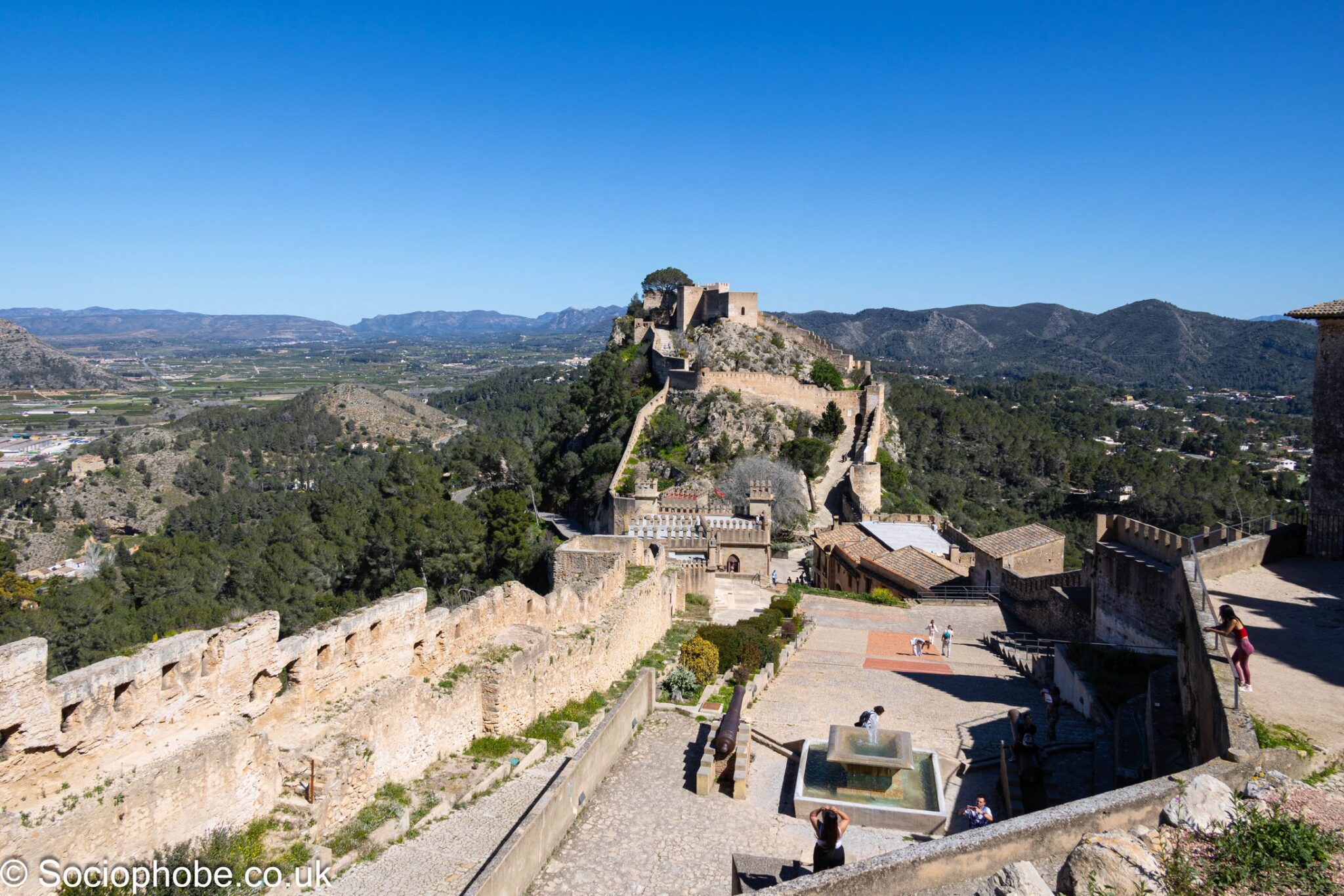
The castle is similar to San Marino, with two sets of fortifications, joined by walls and towers.
Originally a Celtiberean fort, it was captured by the Carthaginians (Hannibal’s son was born there) and then the Romans, Arabs and reconquered by the Christians in the thirteenth century. It saw action again in the War of the Spanish Succession but was badly damaged by an earthquake in 1748 and abandoned. The original castle was on the lower hill and the later castle on the higher one.
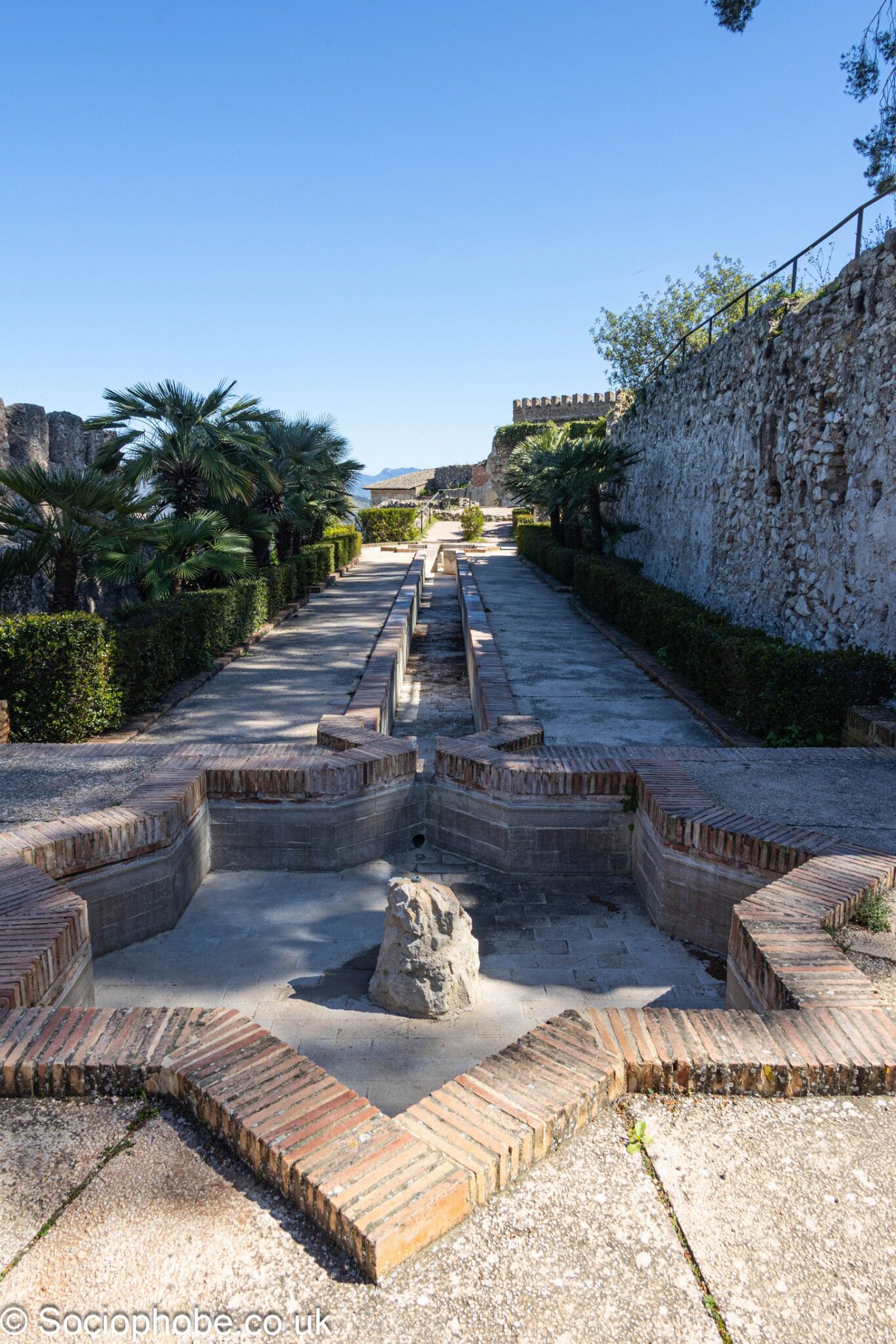
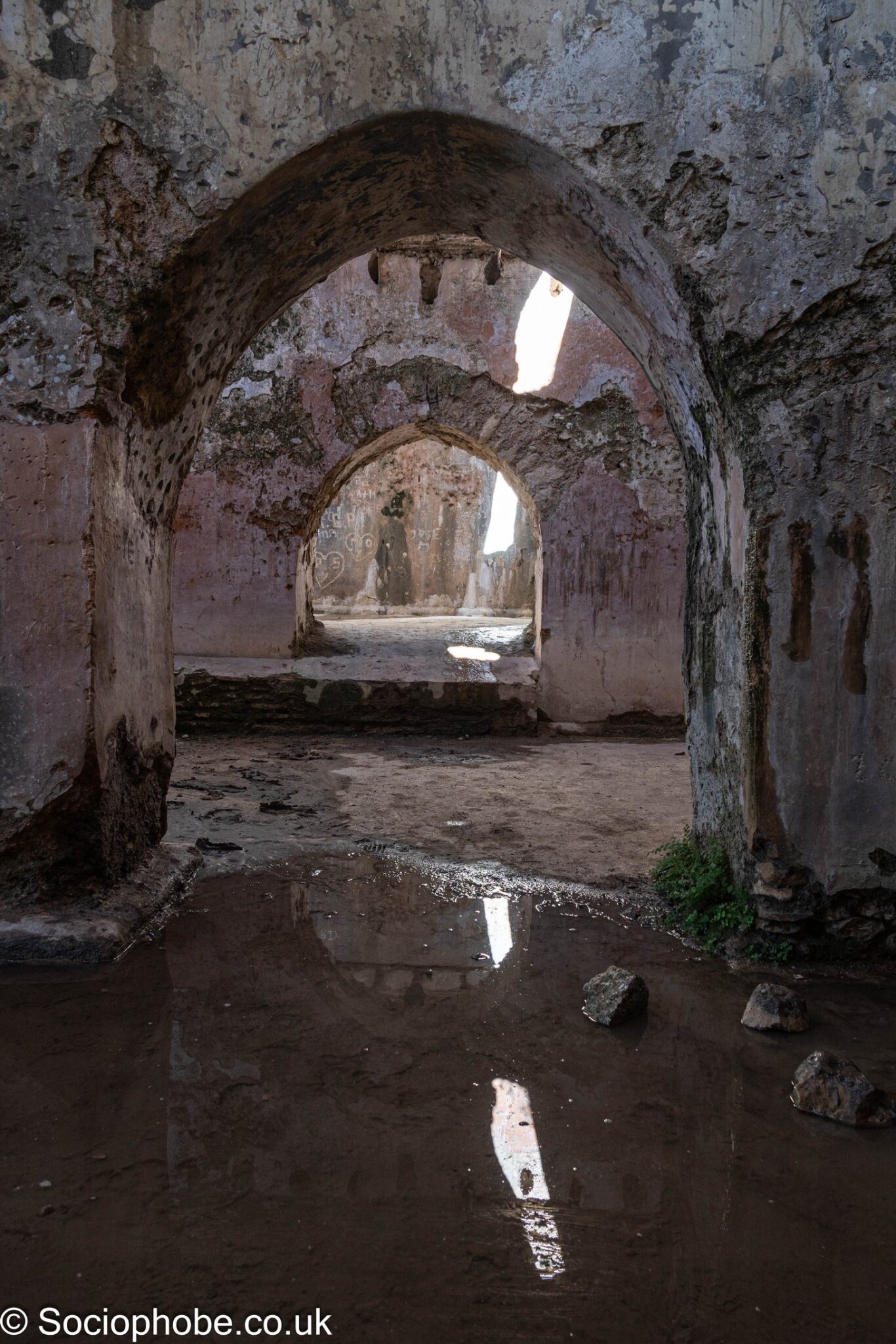
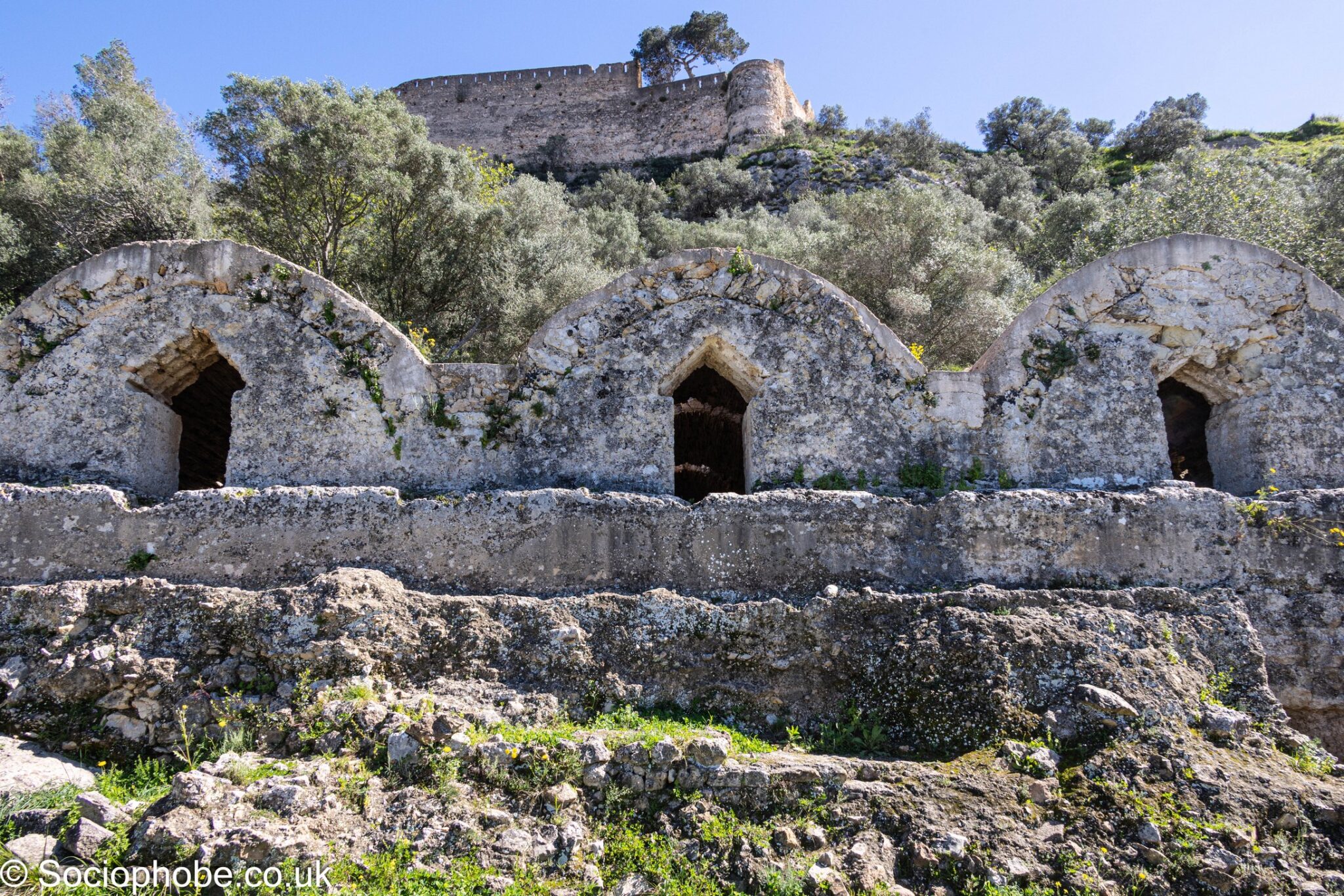
I followed the steps up past the fountains and cannon to the Gardens of Ibn Hazm, a water garden similar to many other alcazars, although this was empty of water. The views were just awesome and I followed the path out of the Malanyat Gate to the Roman cisterns, which had been recently restored.
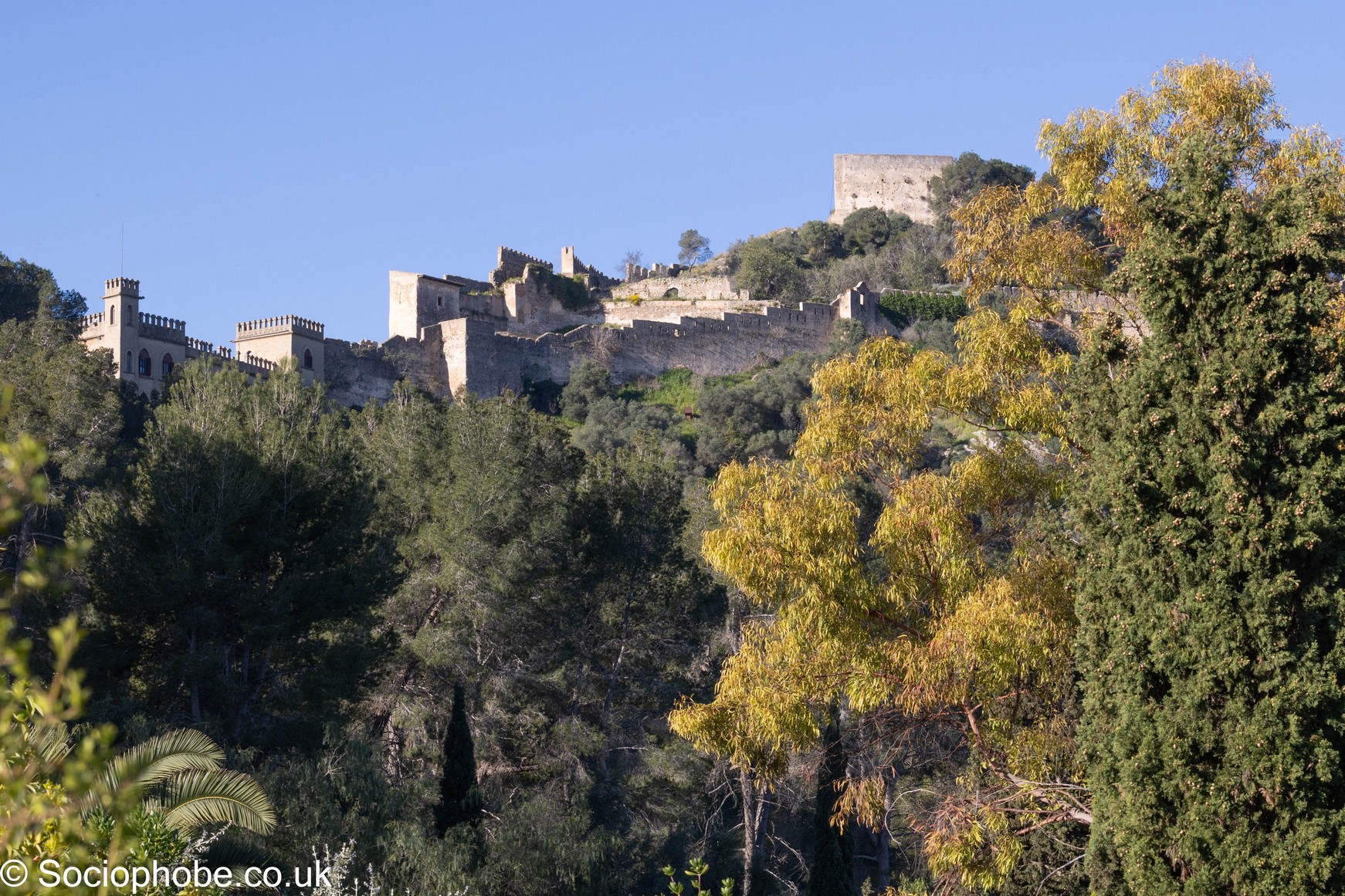
Walking back in to the castle, the route took me past a prison, the governor’s rooms and various towers and battlements. There were lots of wildflowers in bloom which added to the spectacle. I then continued down the hill and up again to the lower castle. This was again (as you’d expect) a mixture of towers and battlements with some impressive views back to the upper castle and also to the escarpment below. It was a pleasant walk down the hill back to the hotel Mont Sant and refreshments.
Xativa Castle Photo Gallery

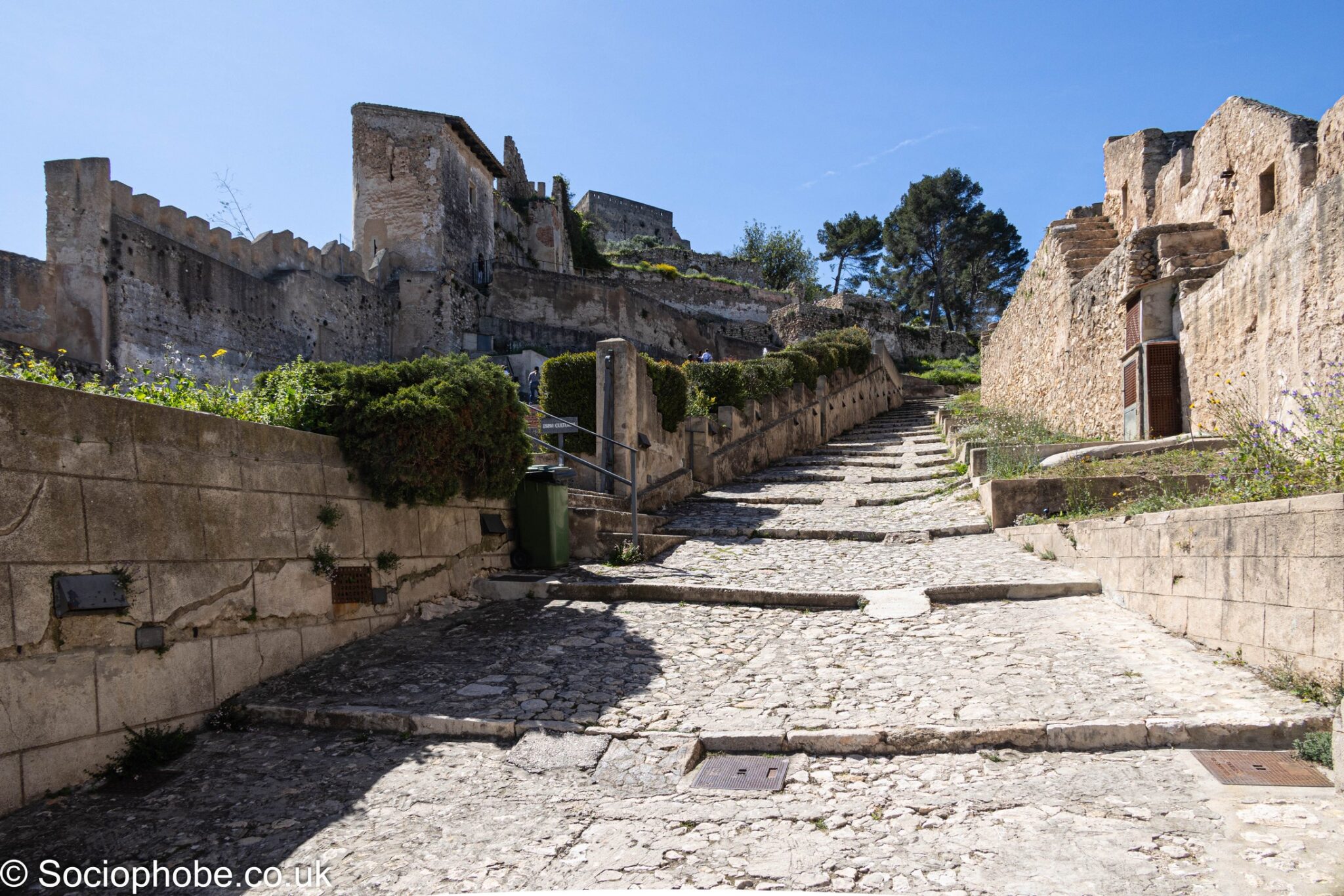
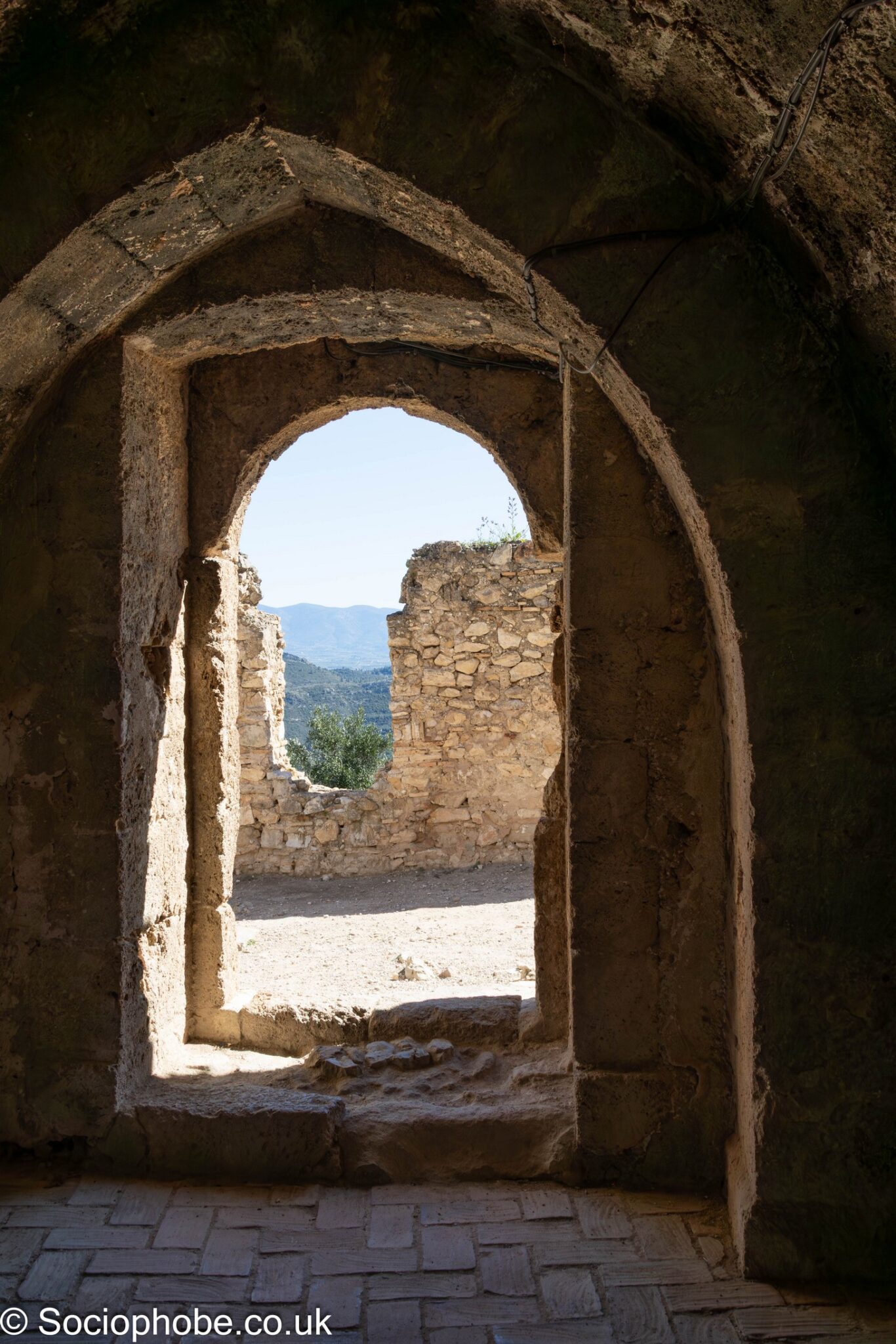

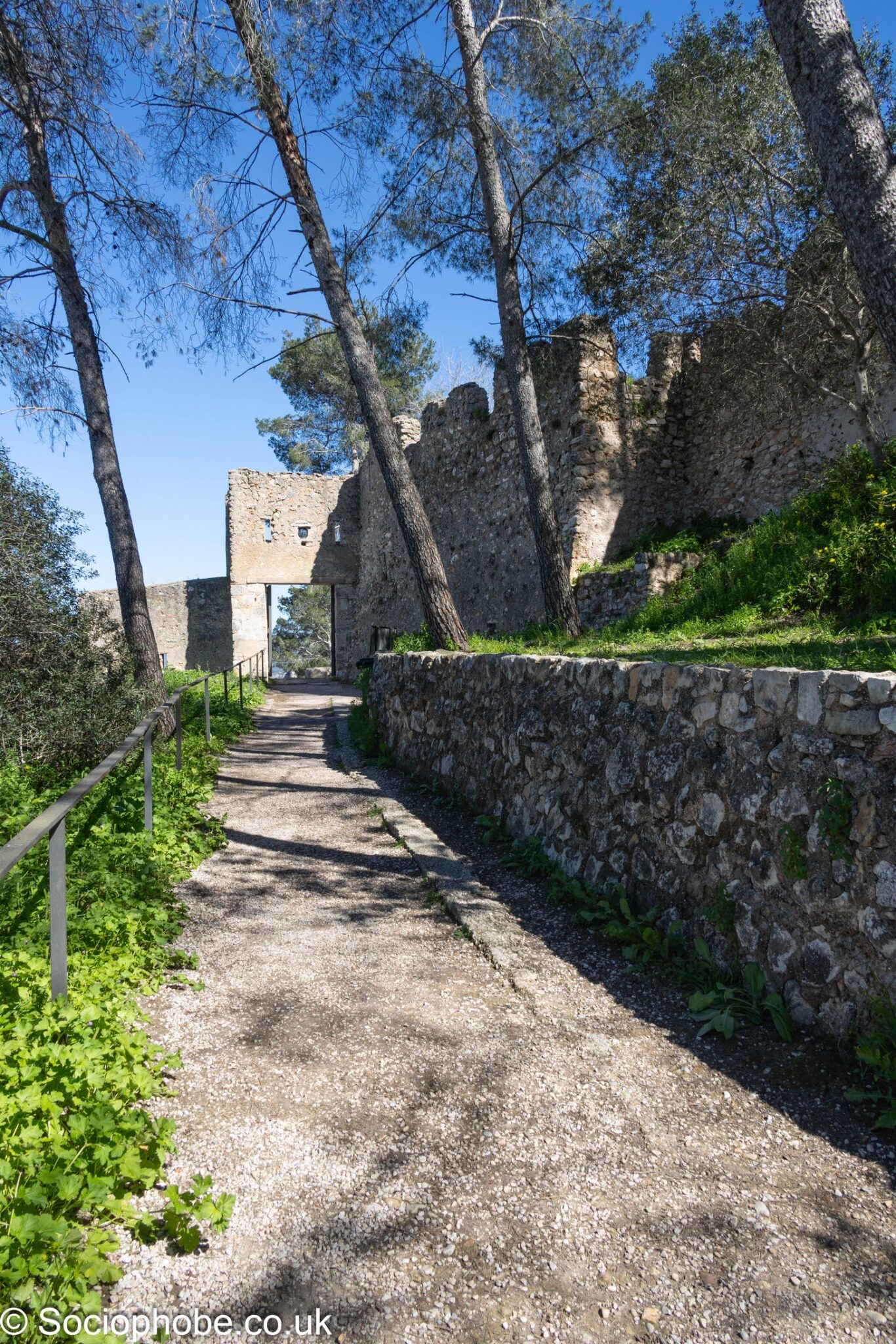
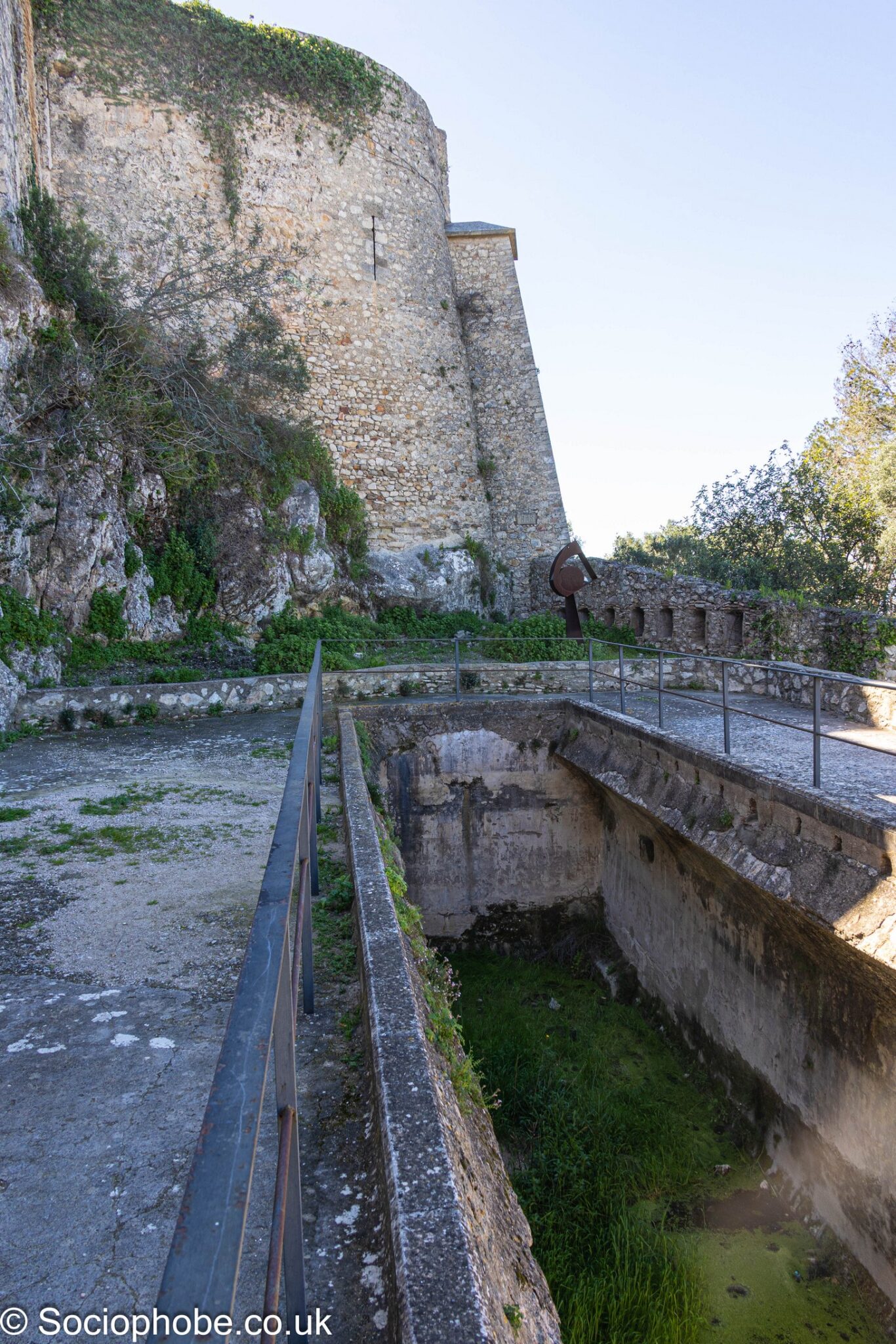
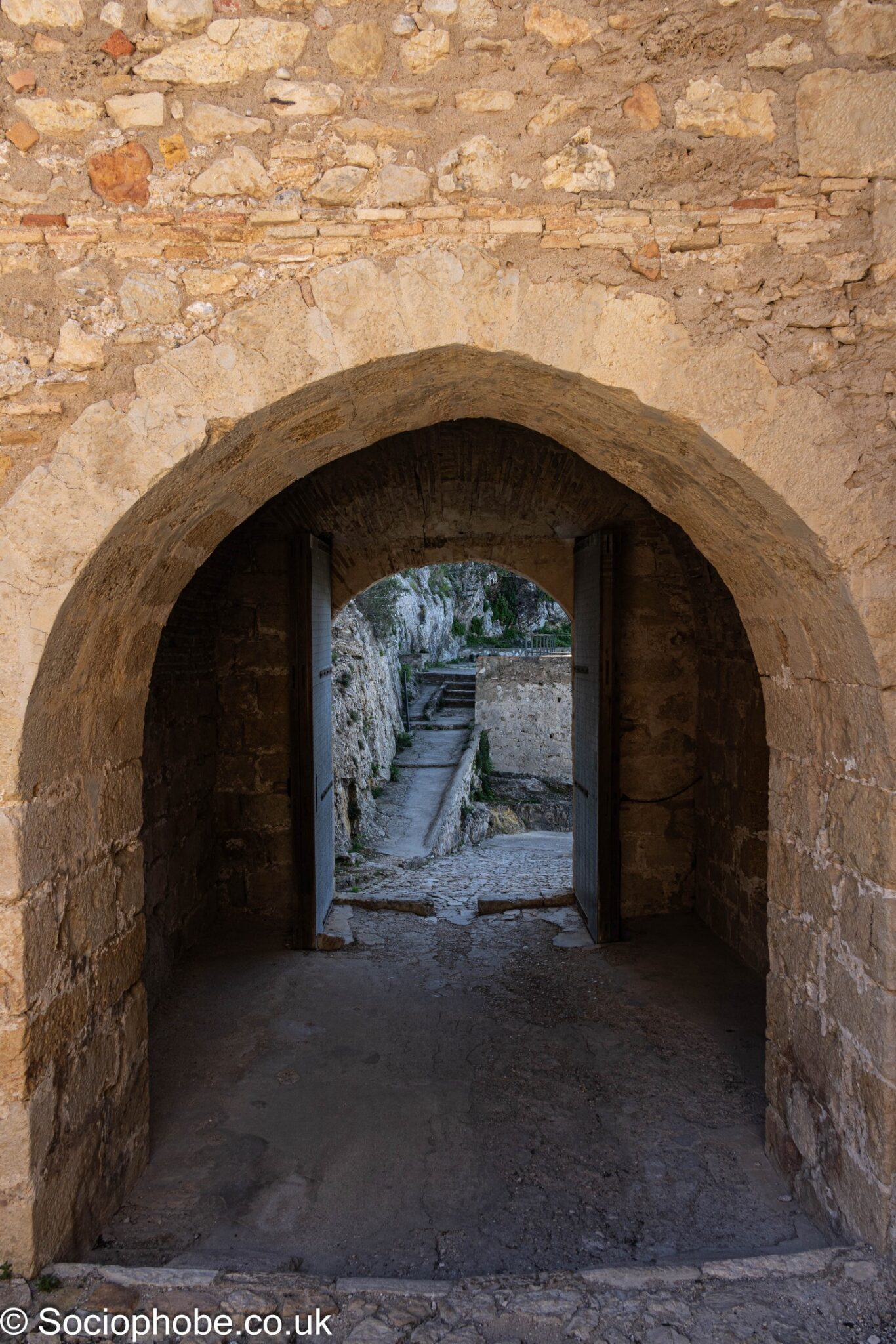
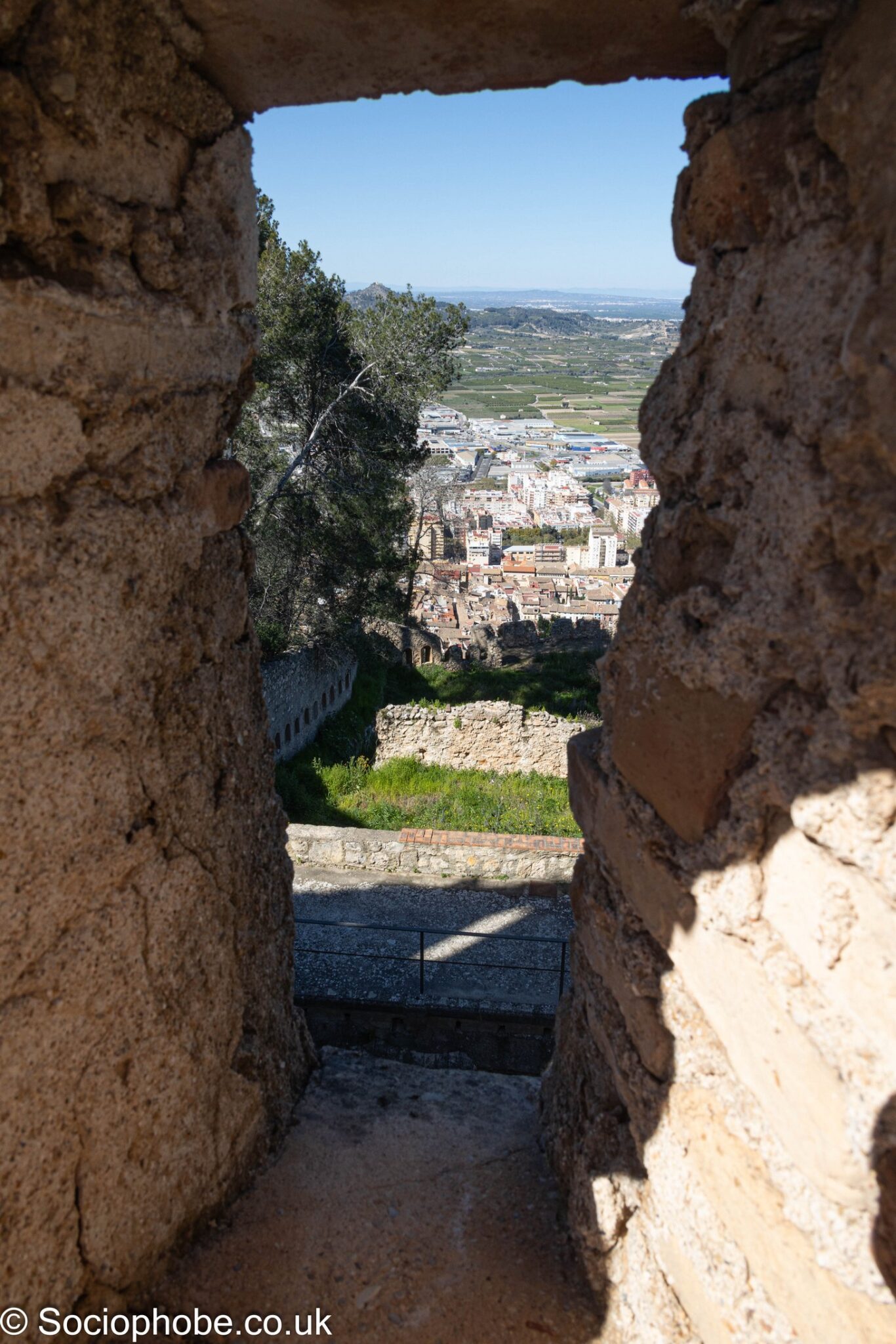
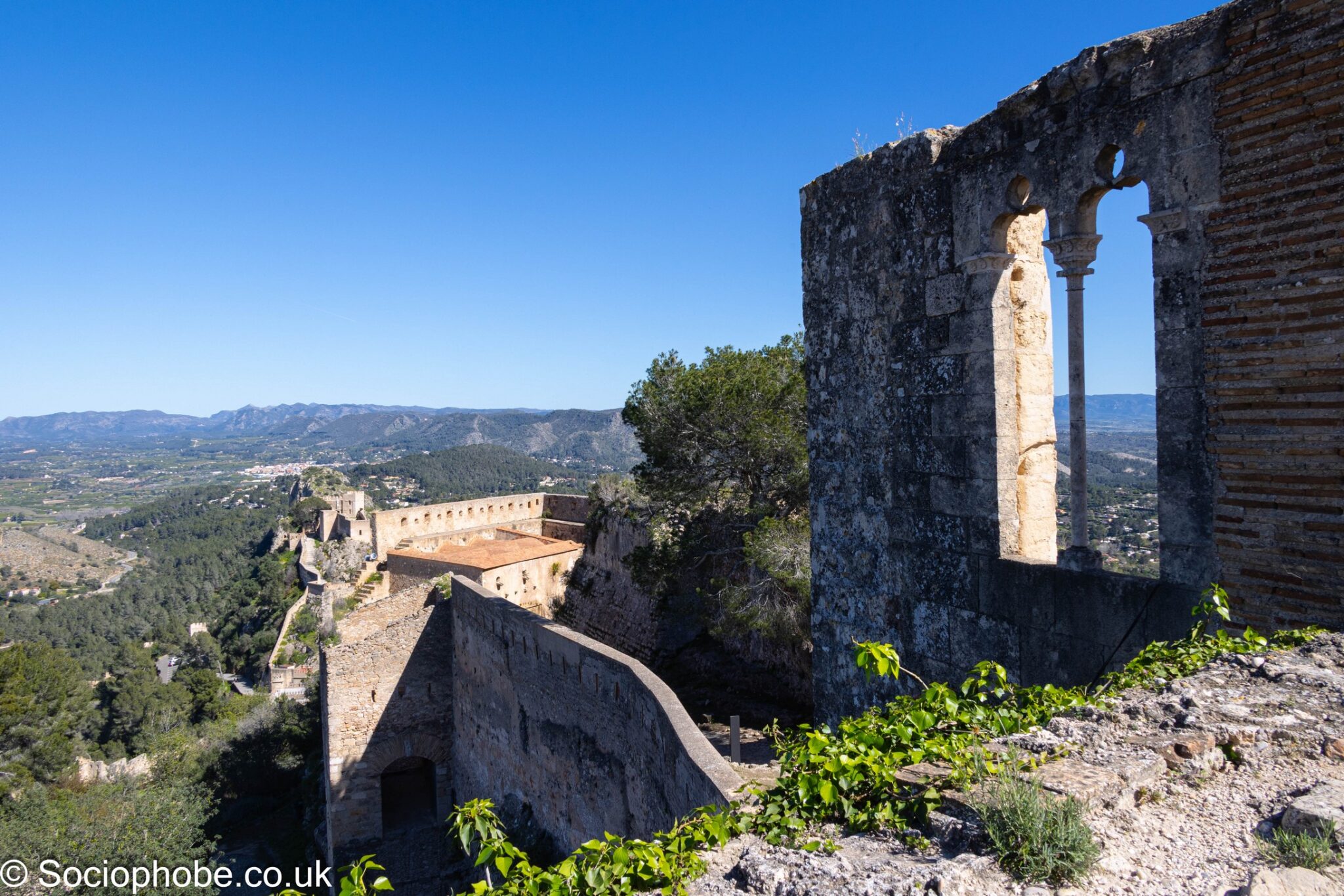
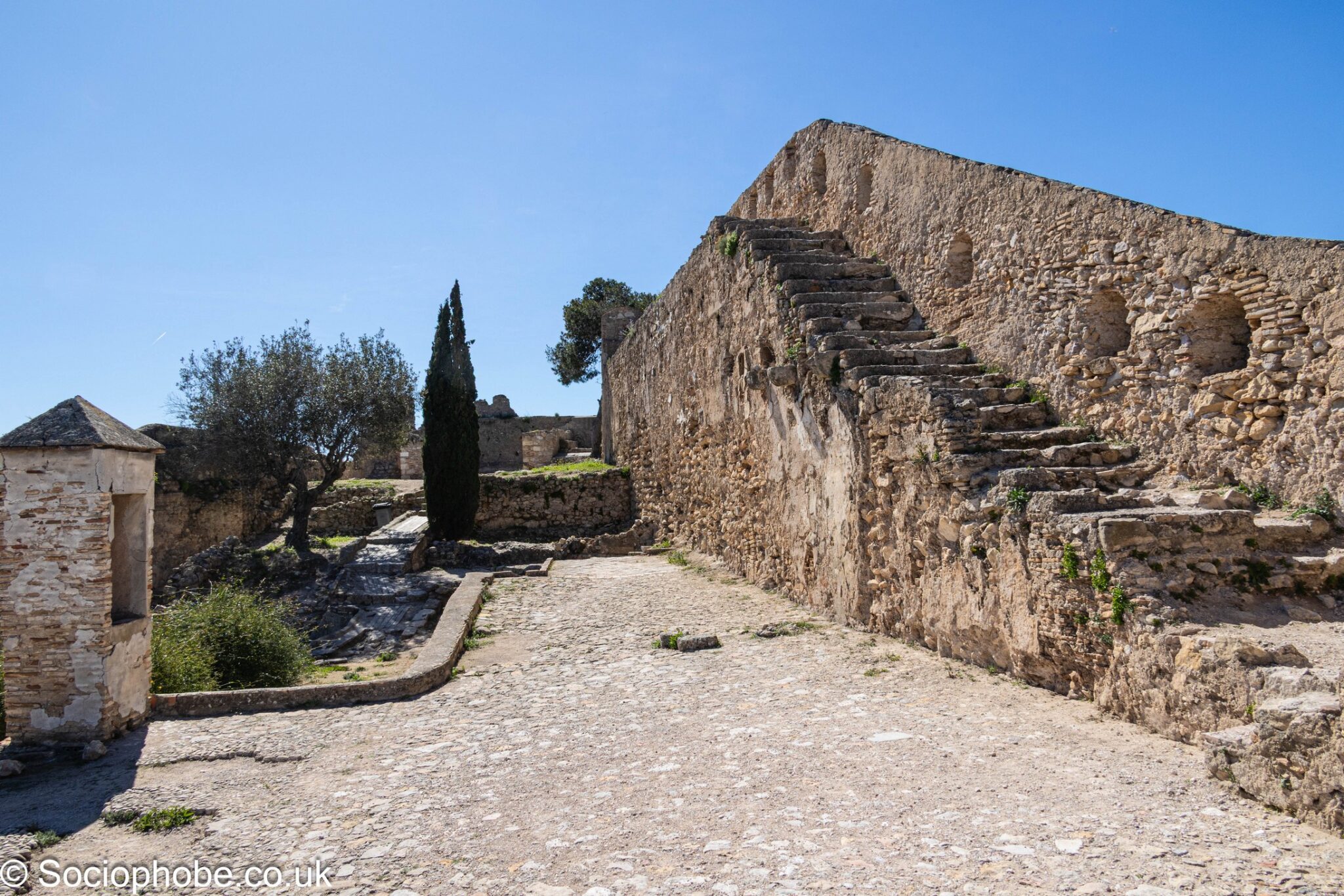
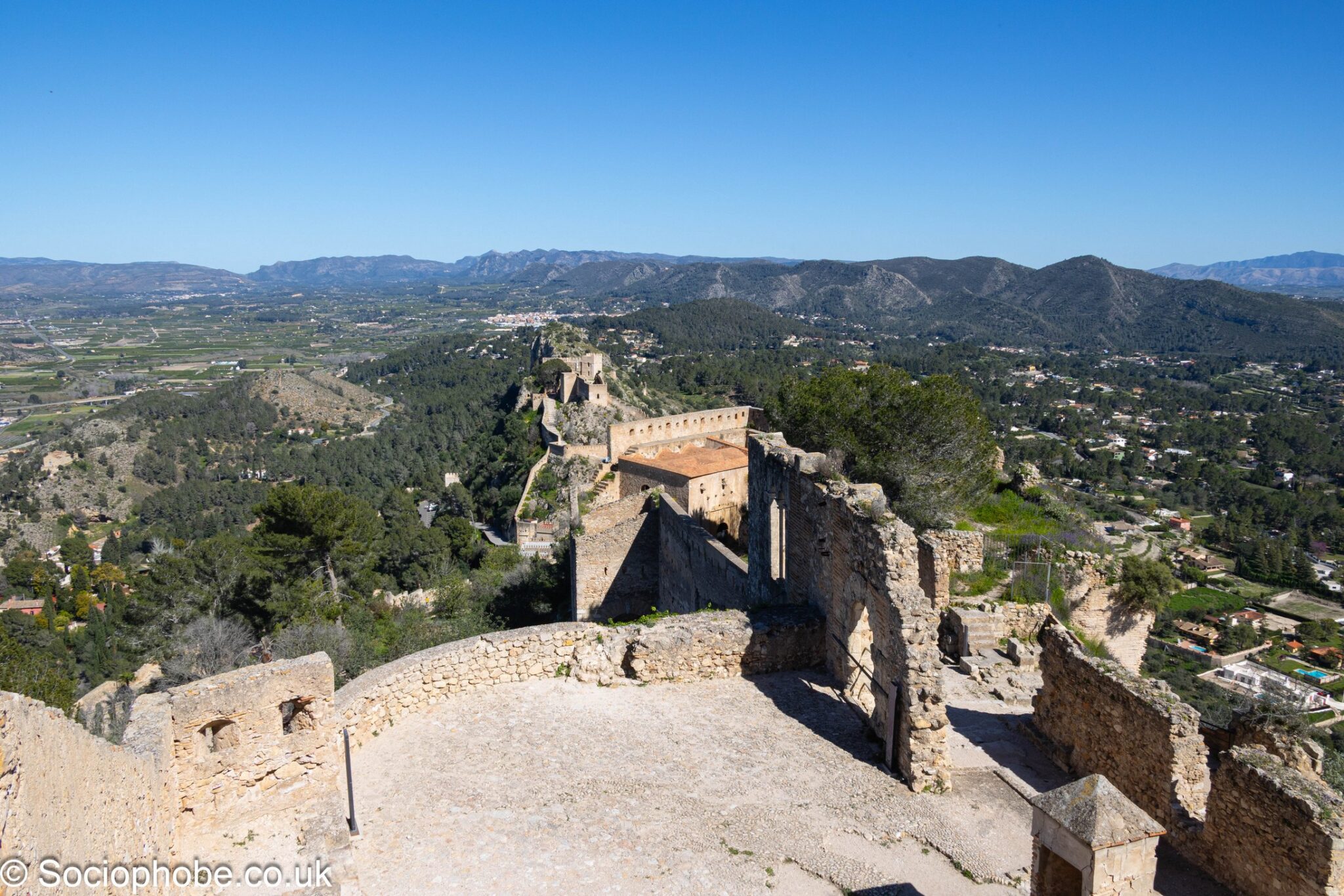
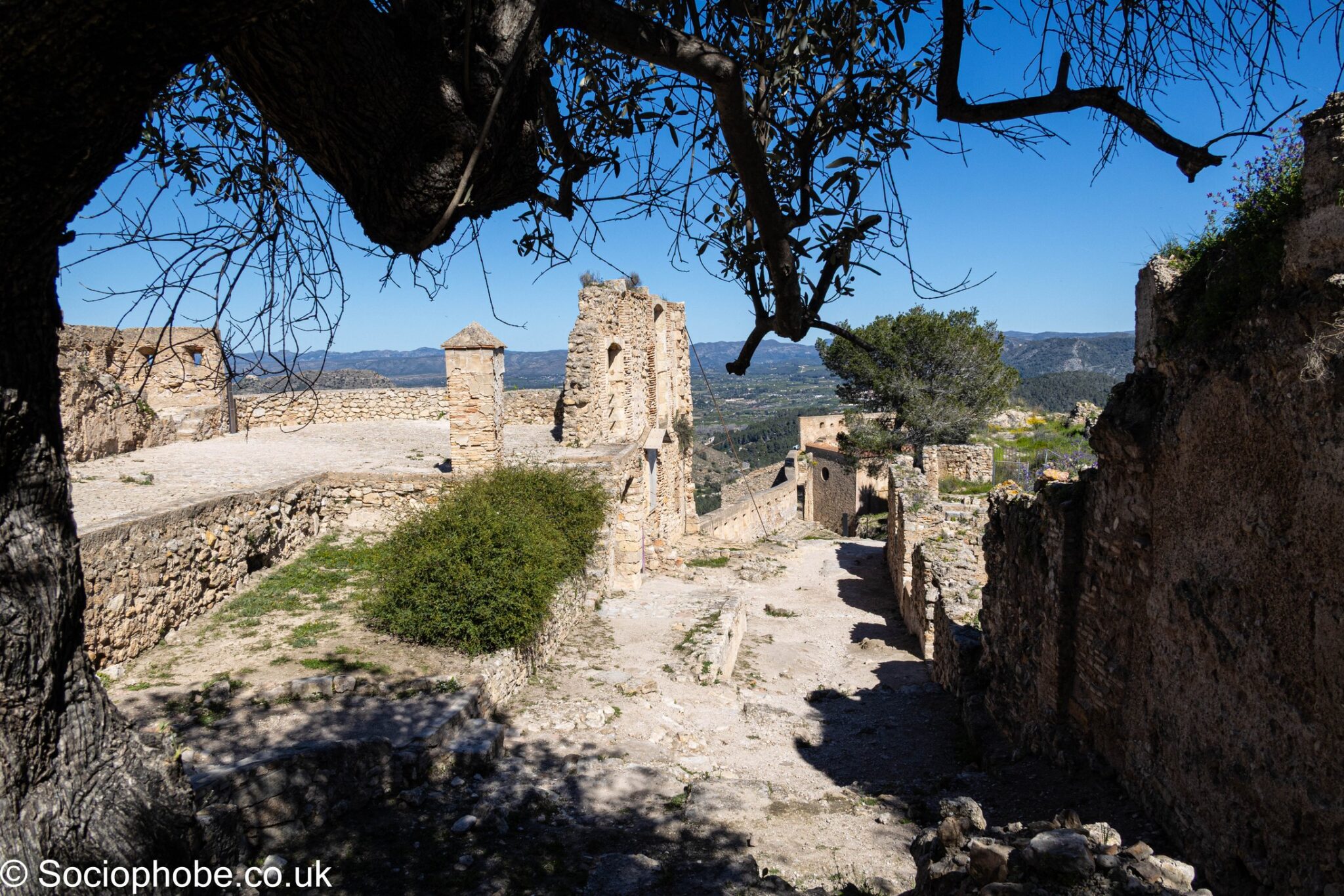
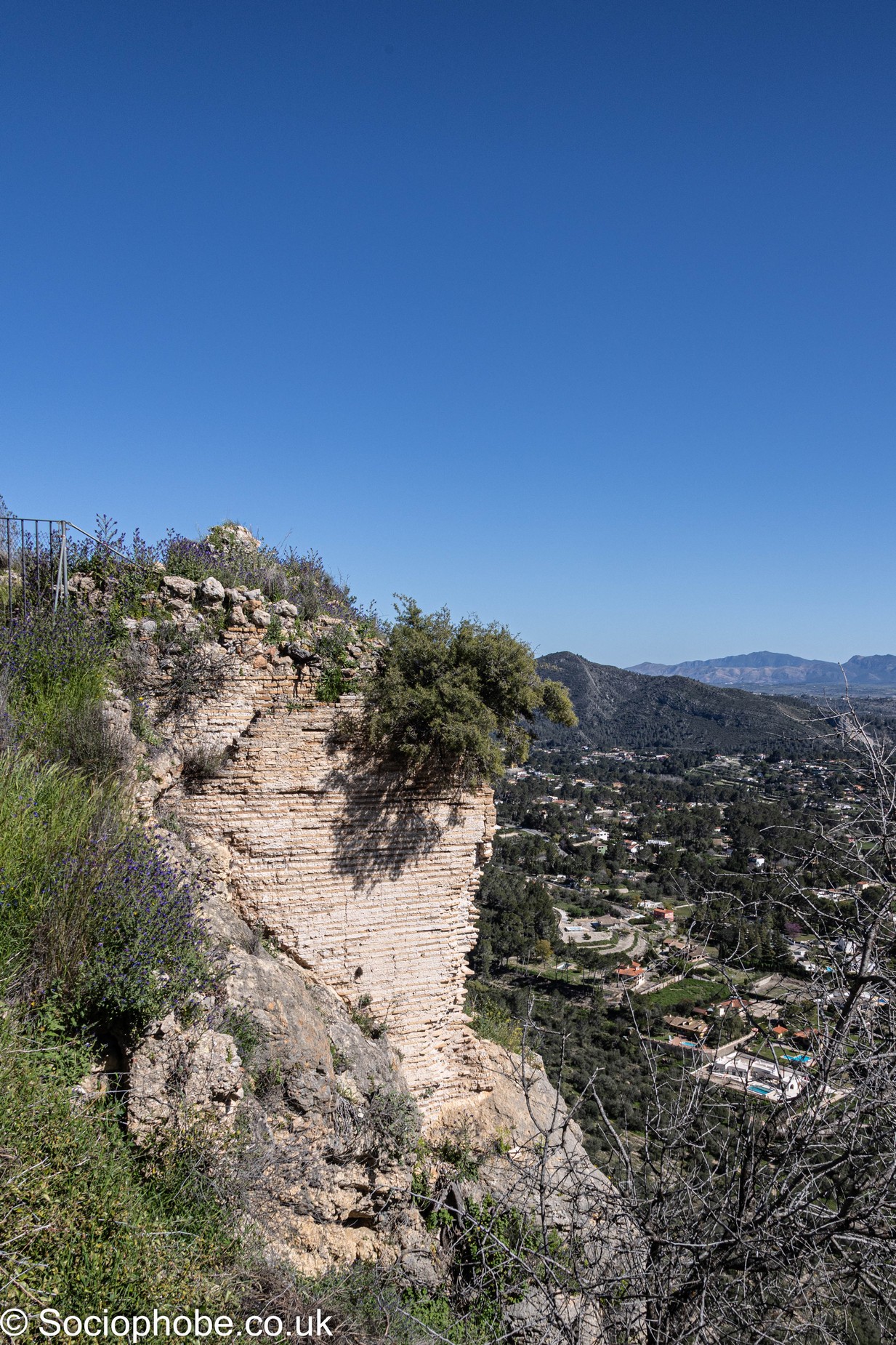
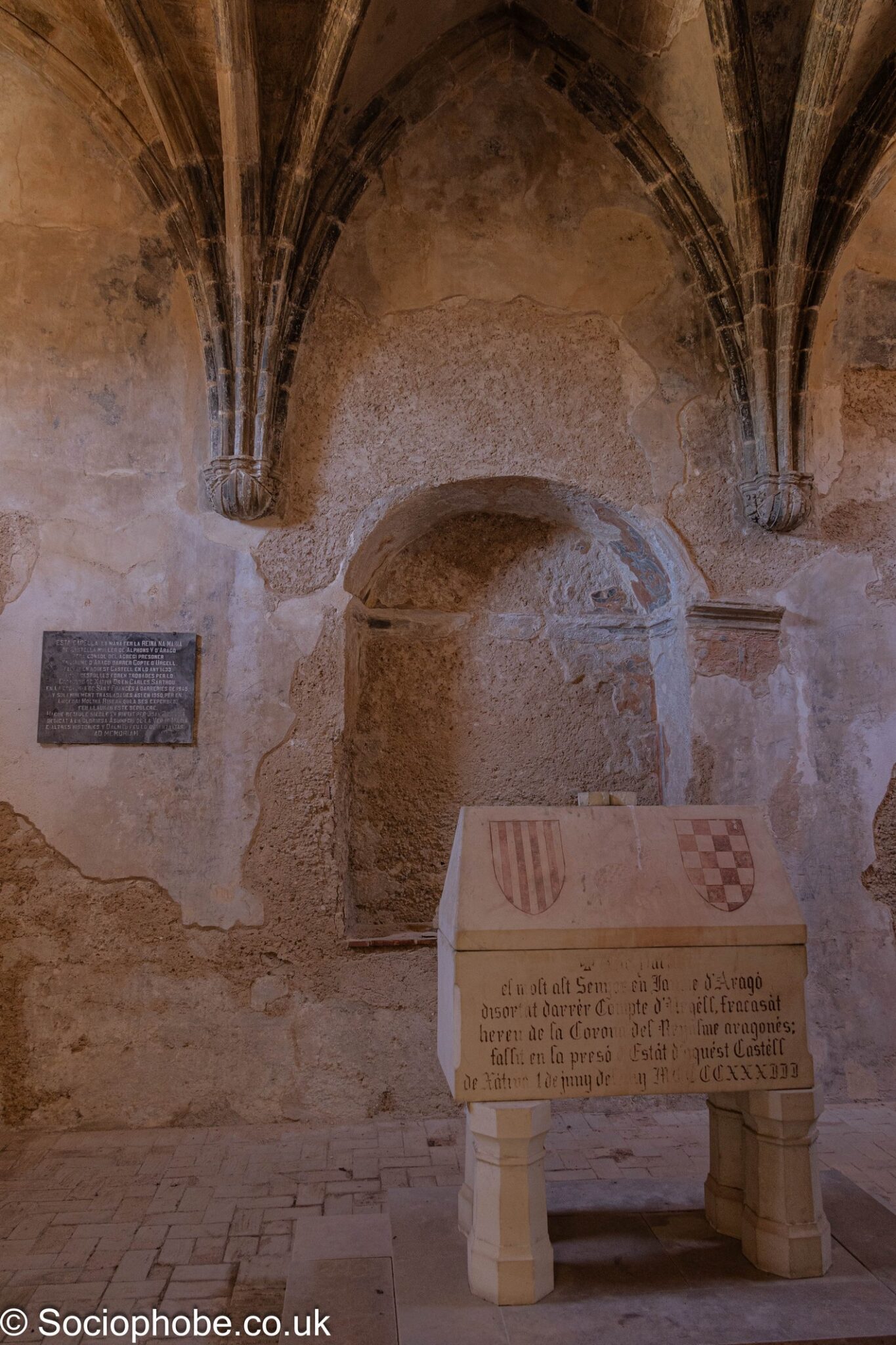


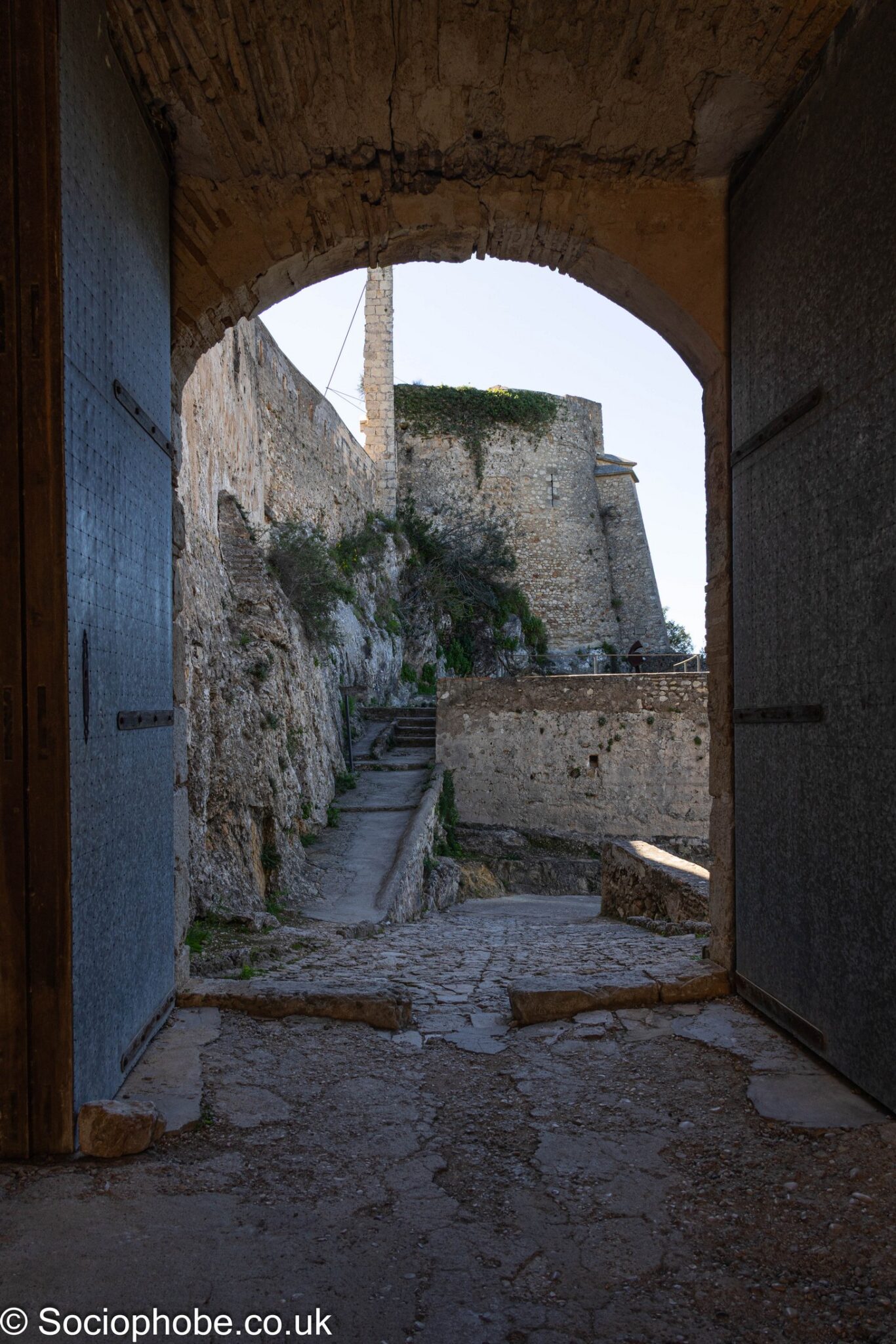
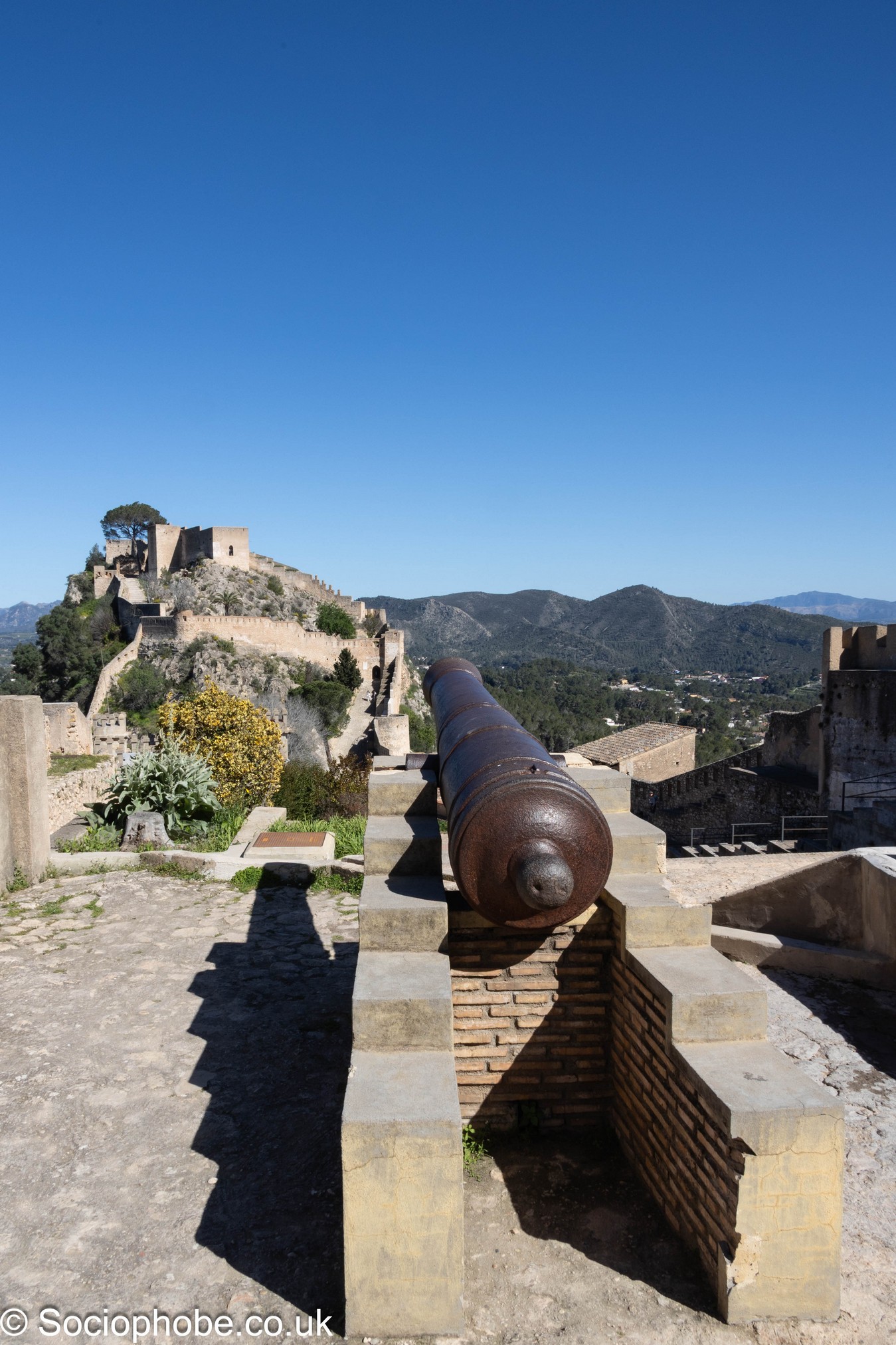
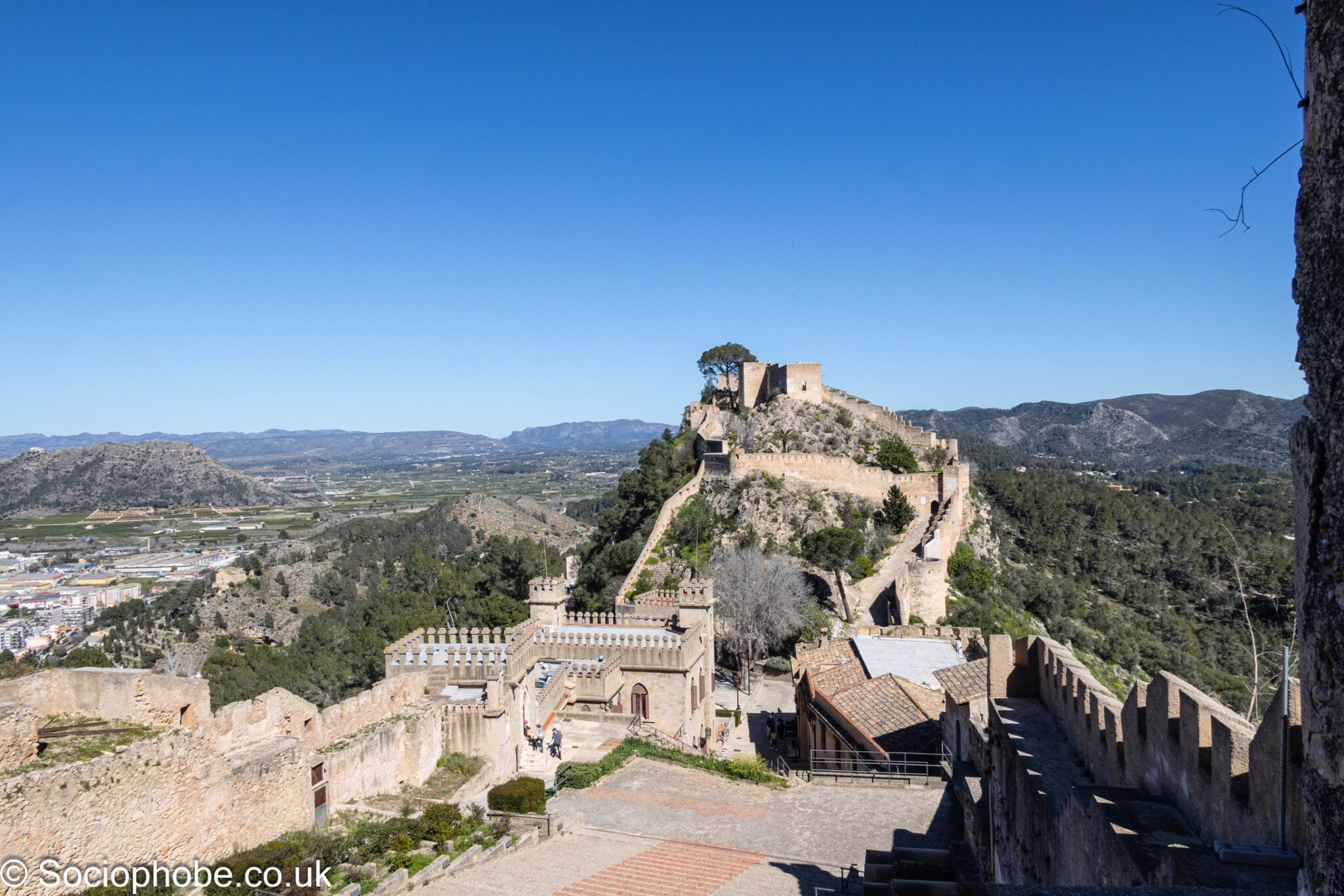
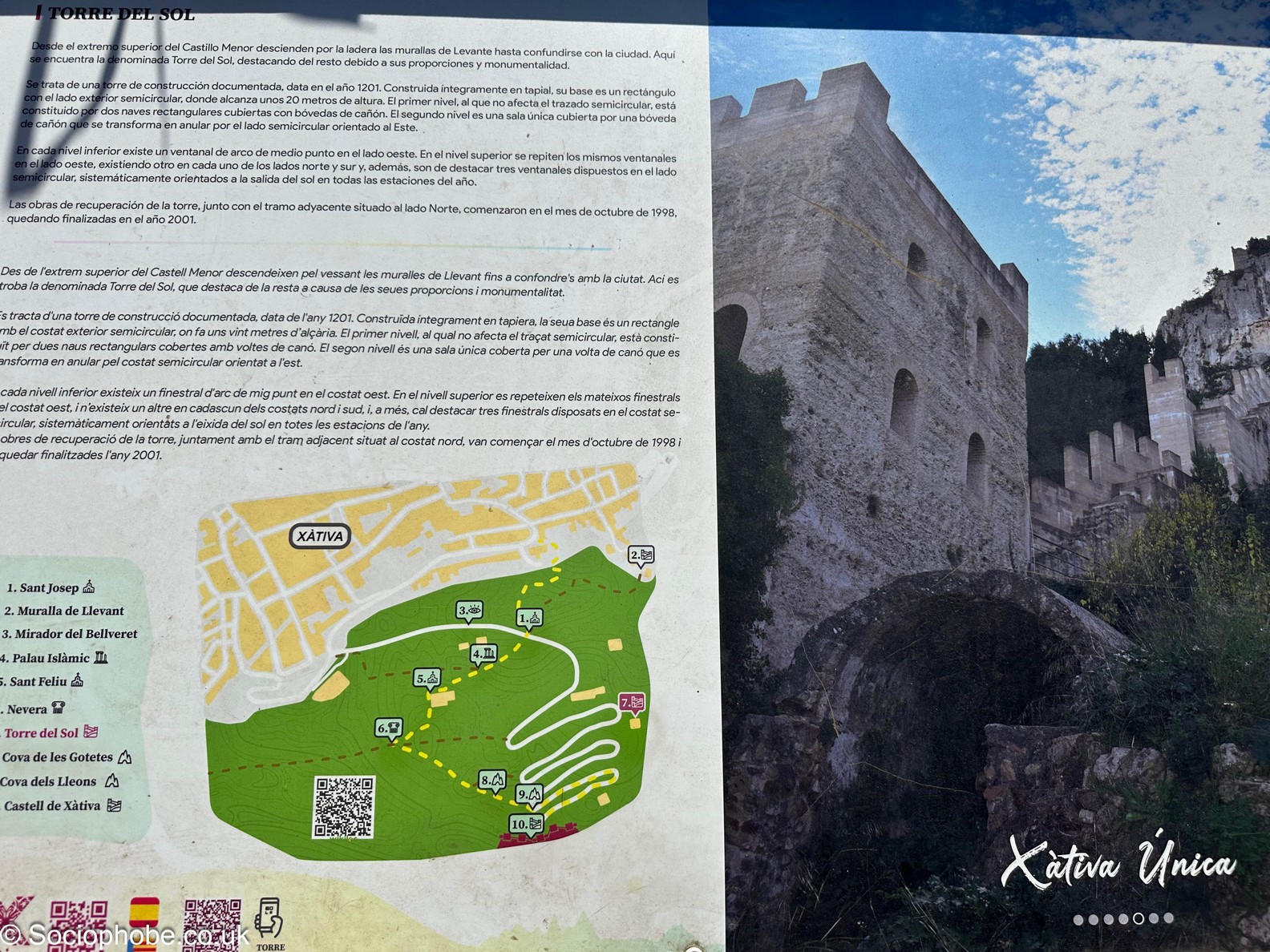
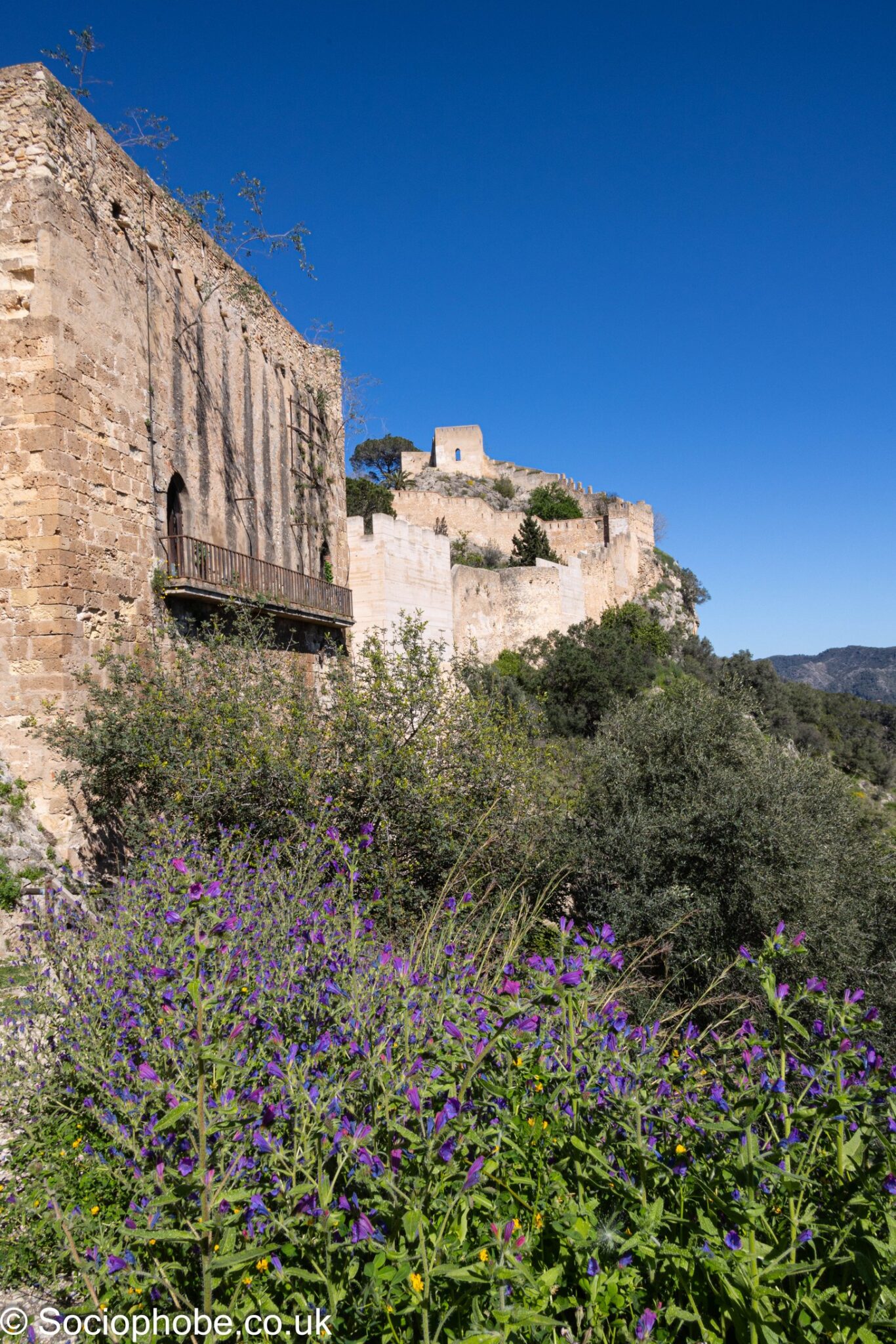
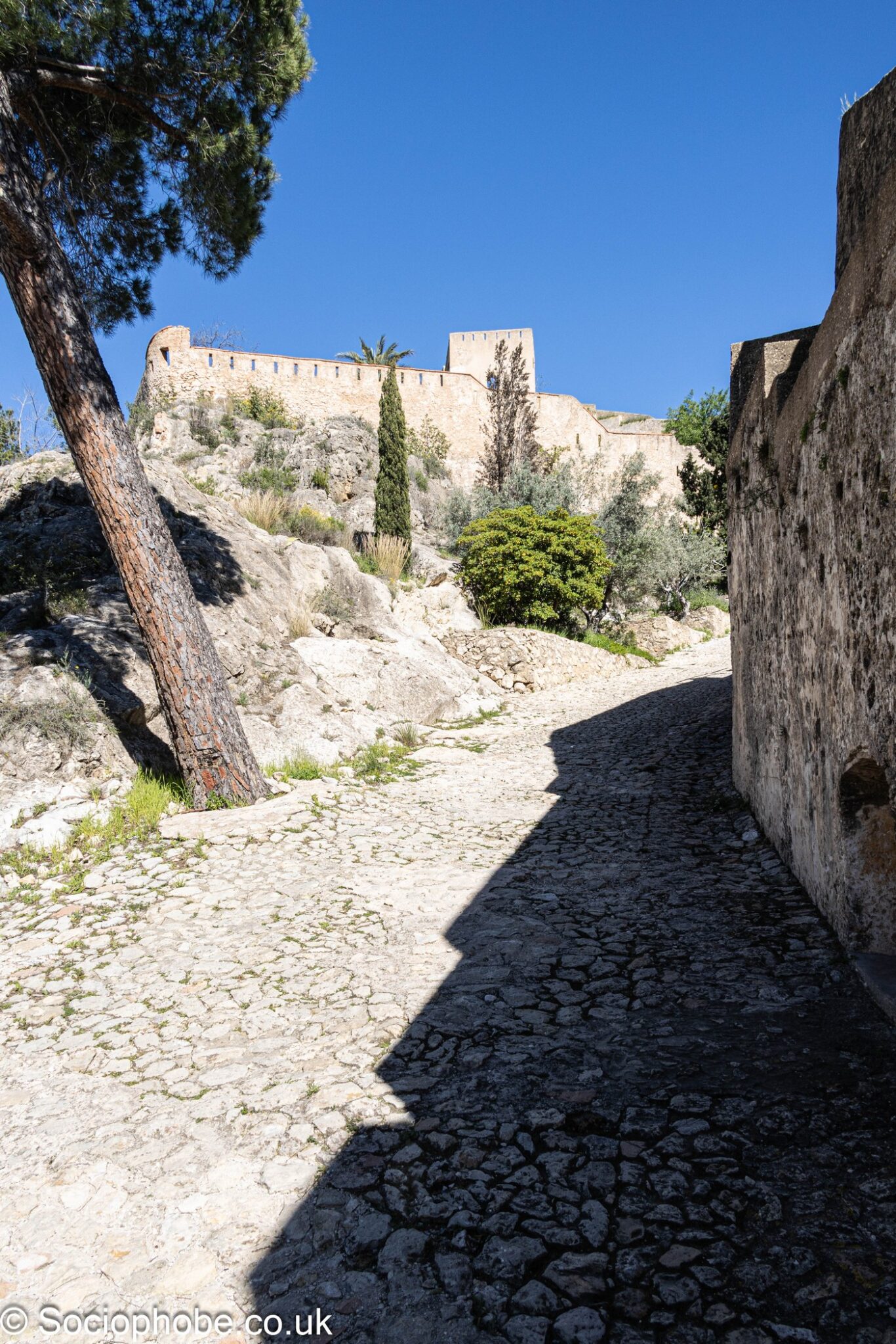
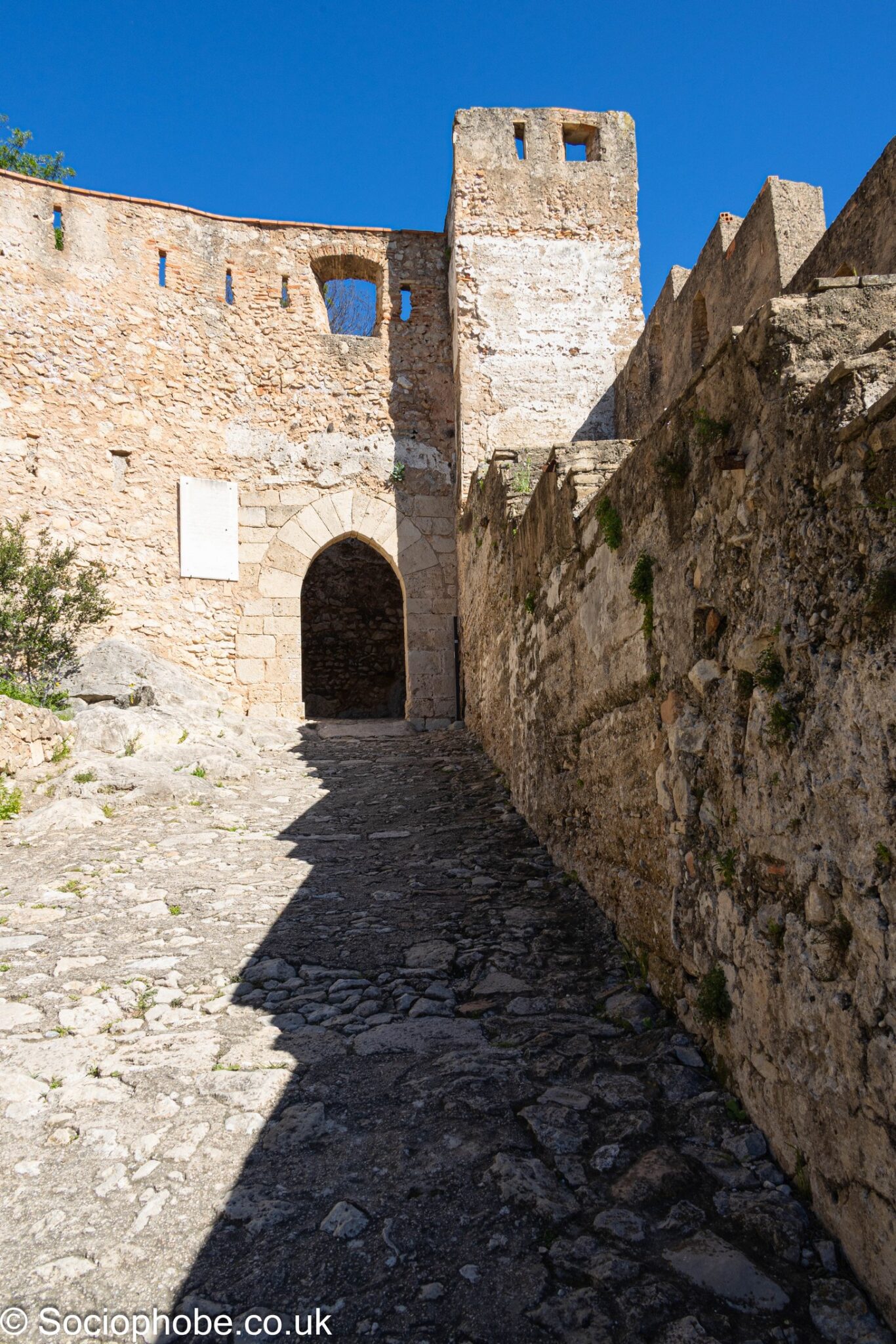


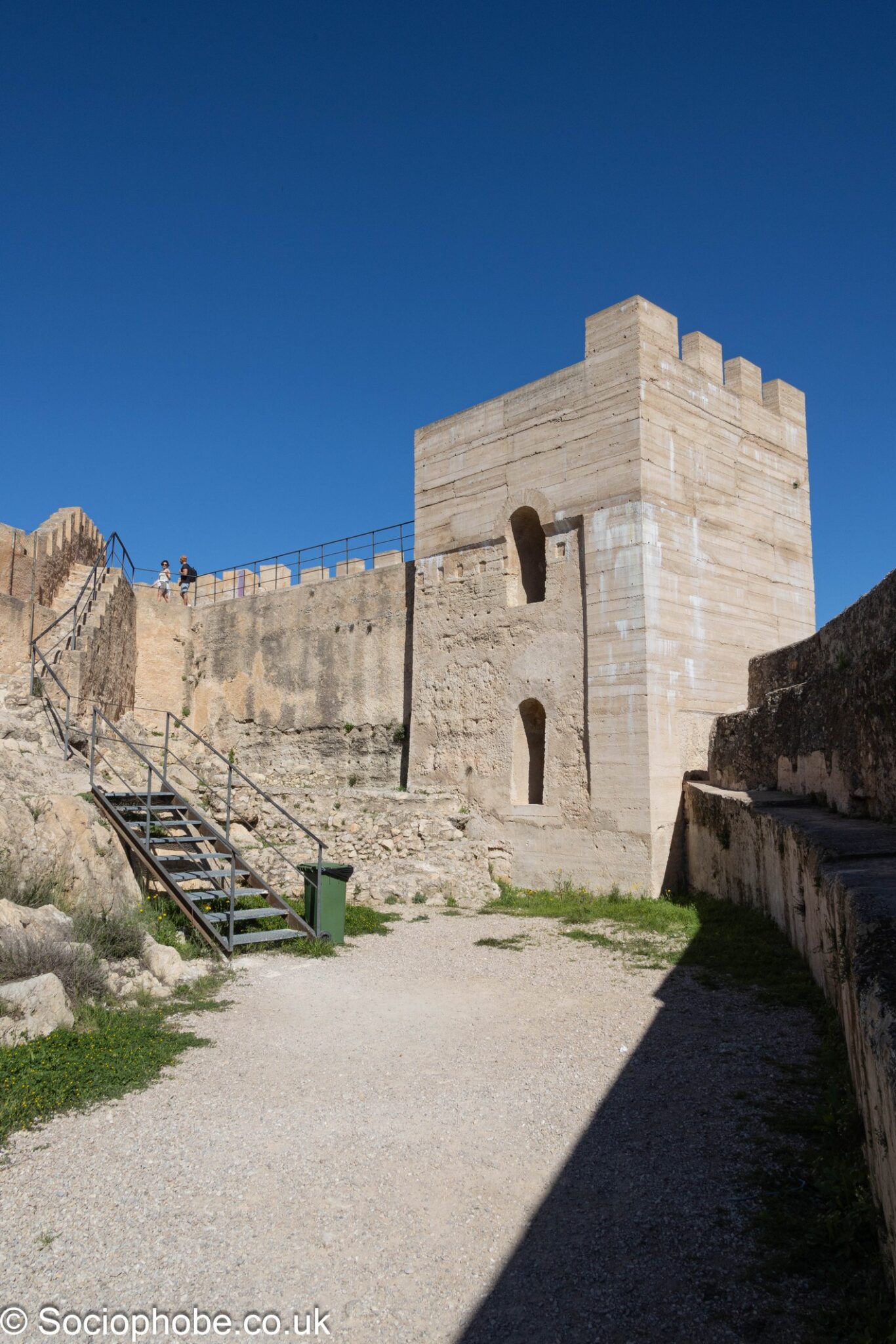

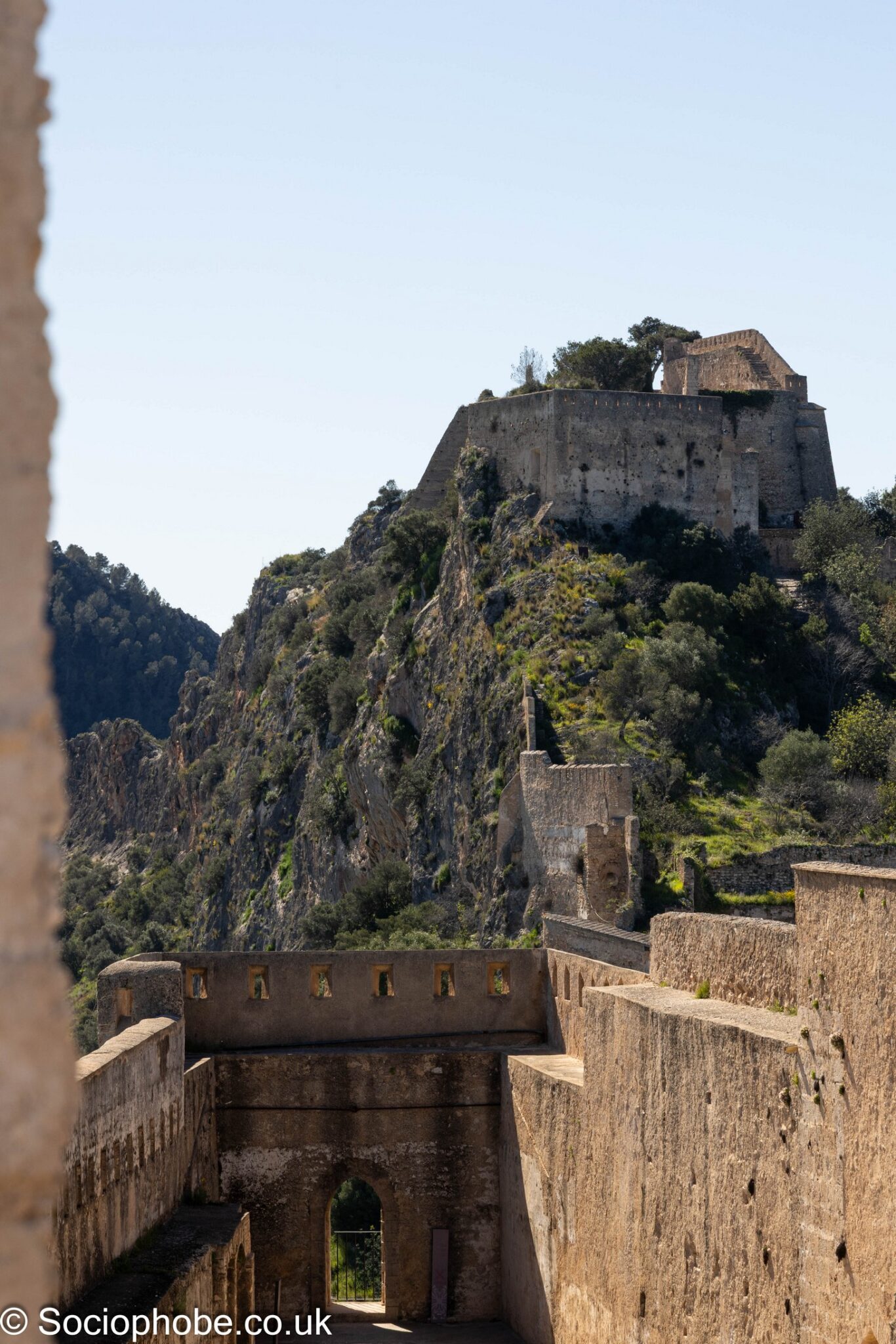
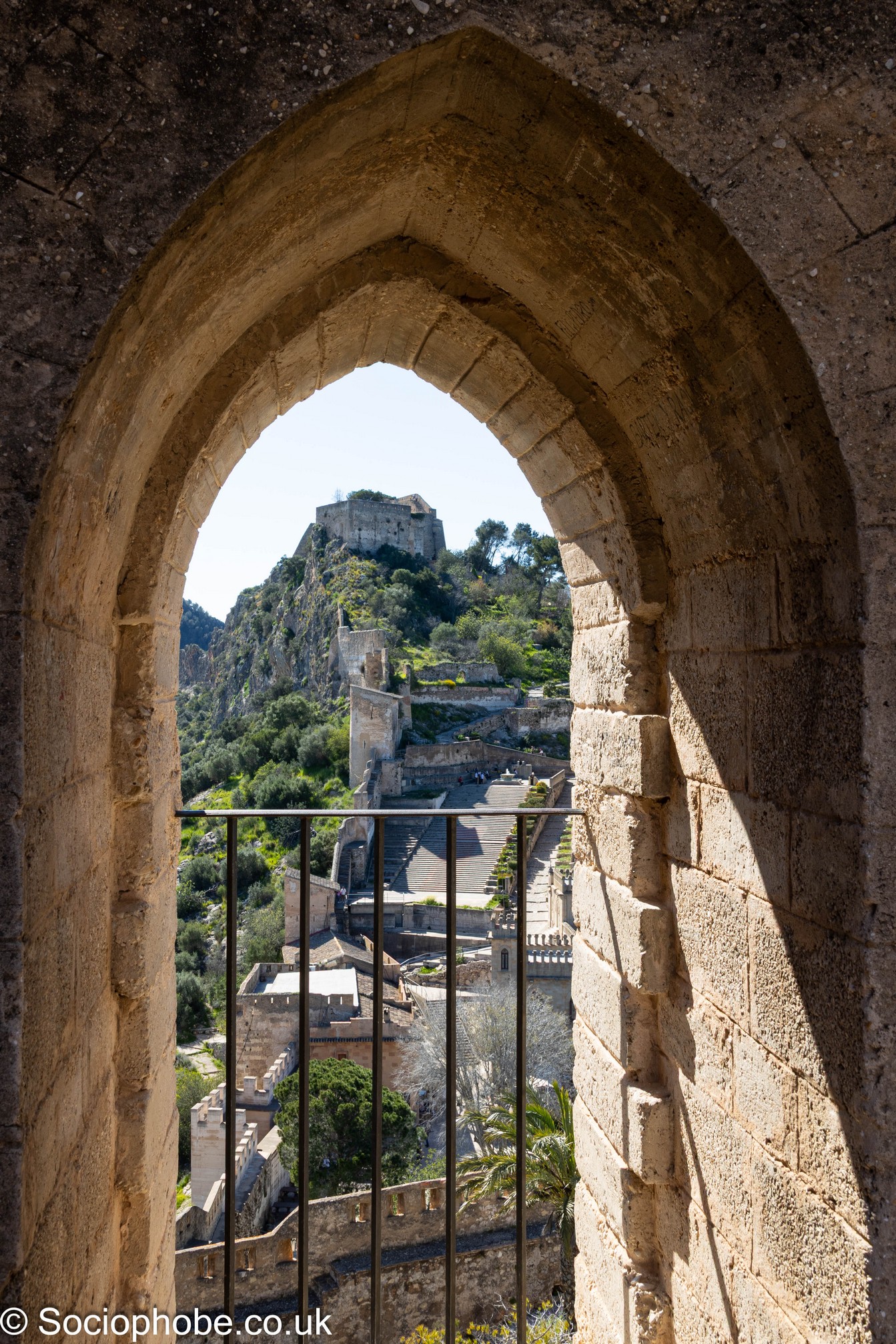


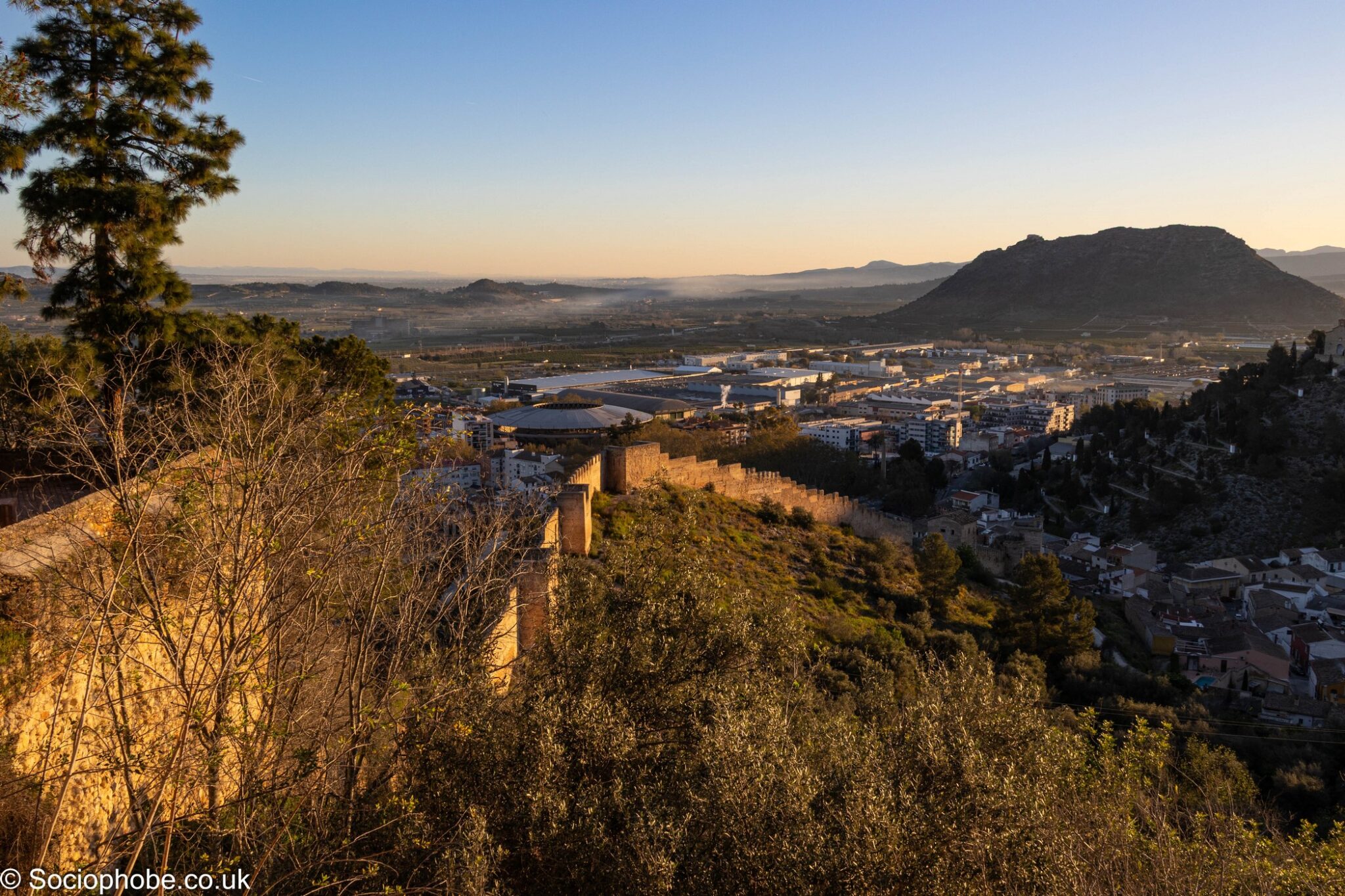
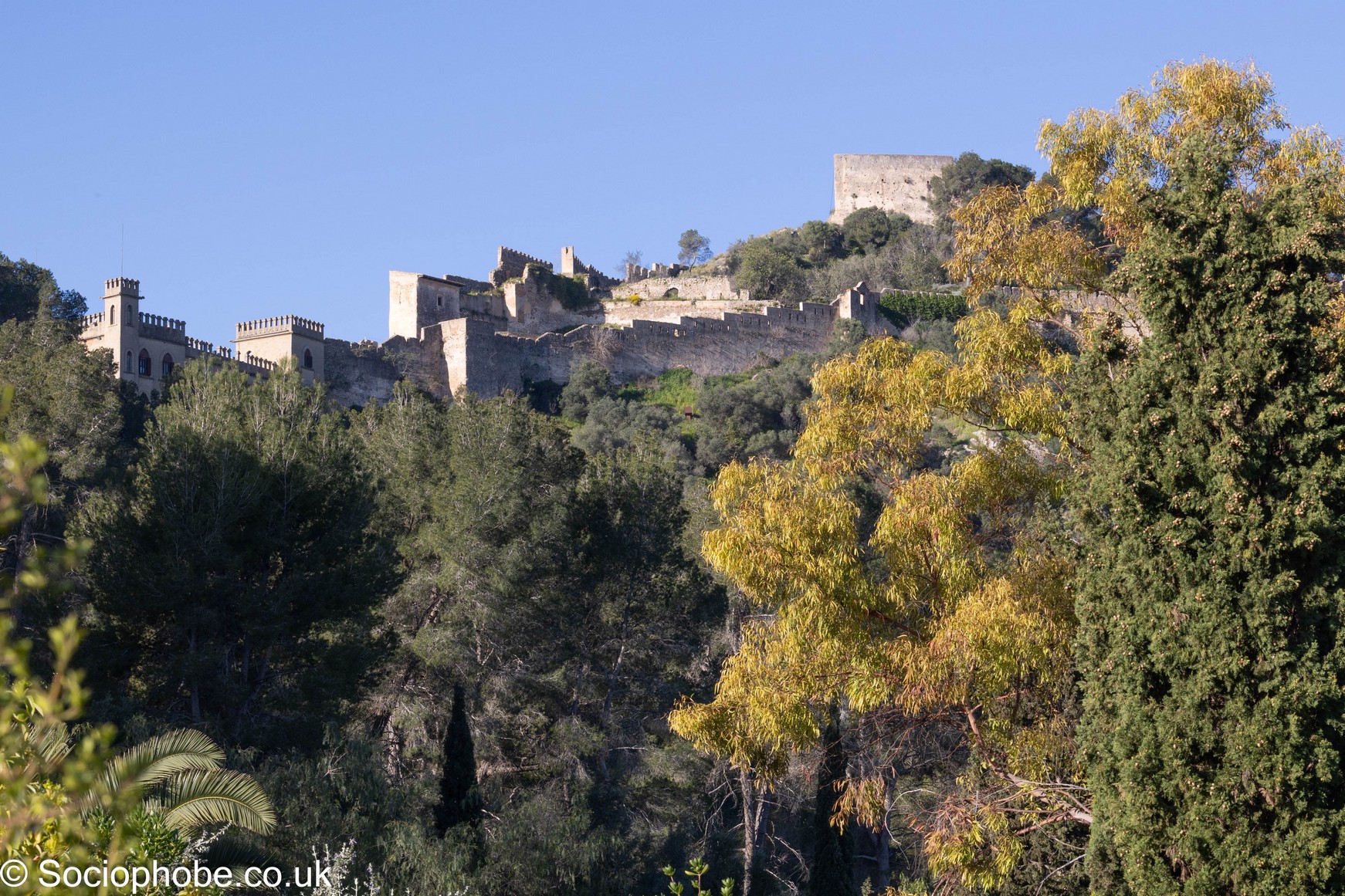
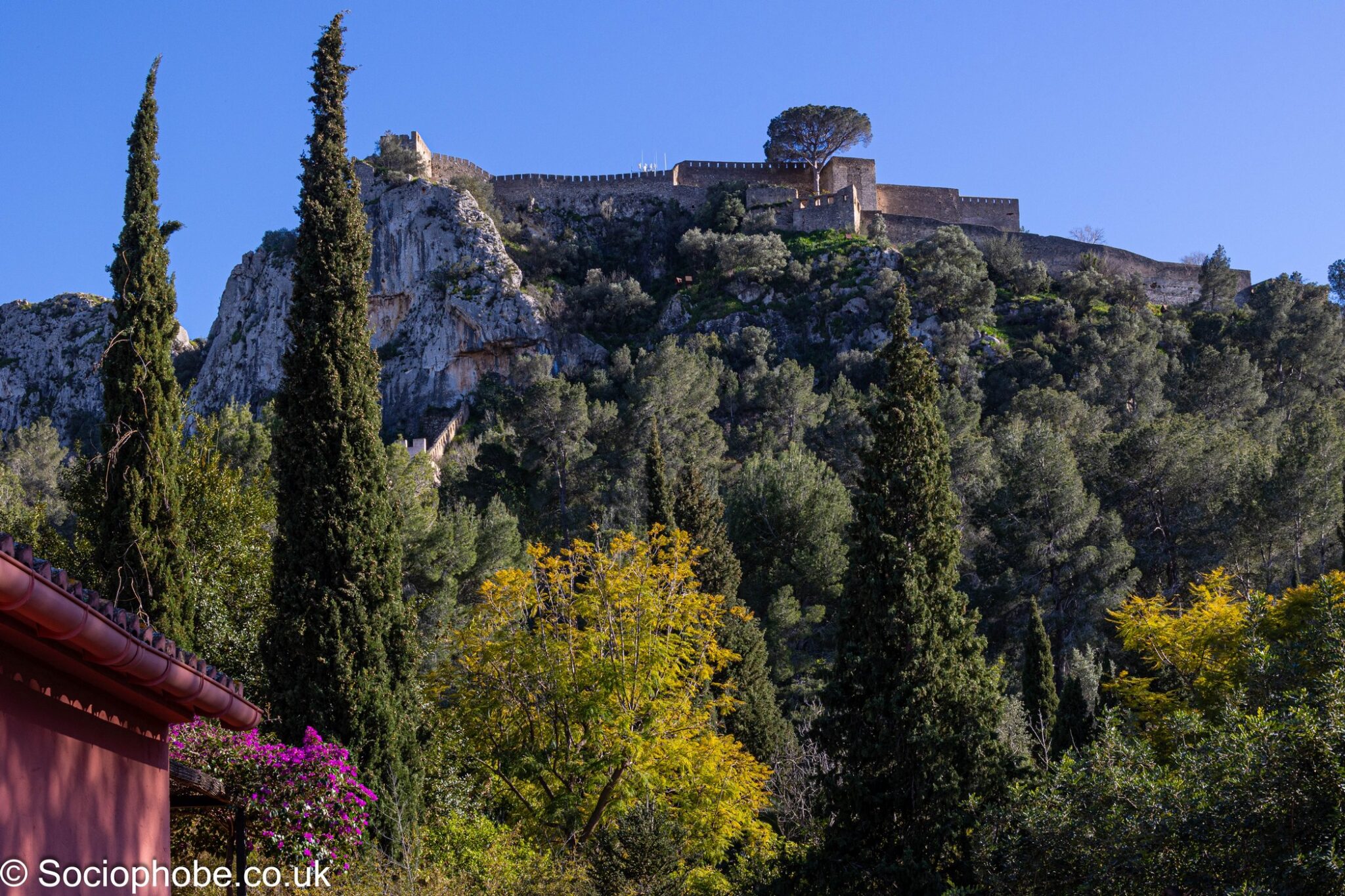
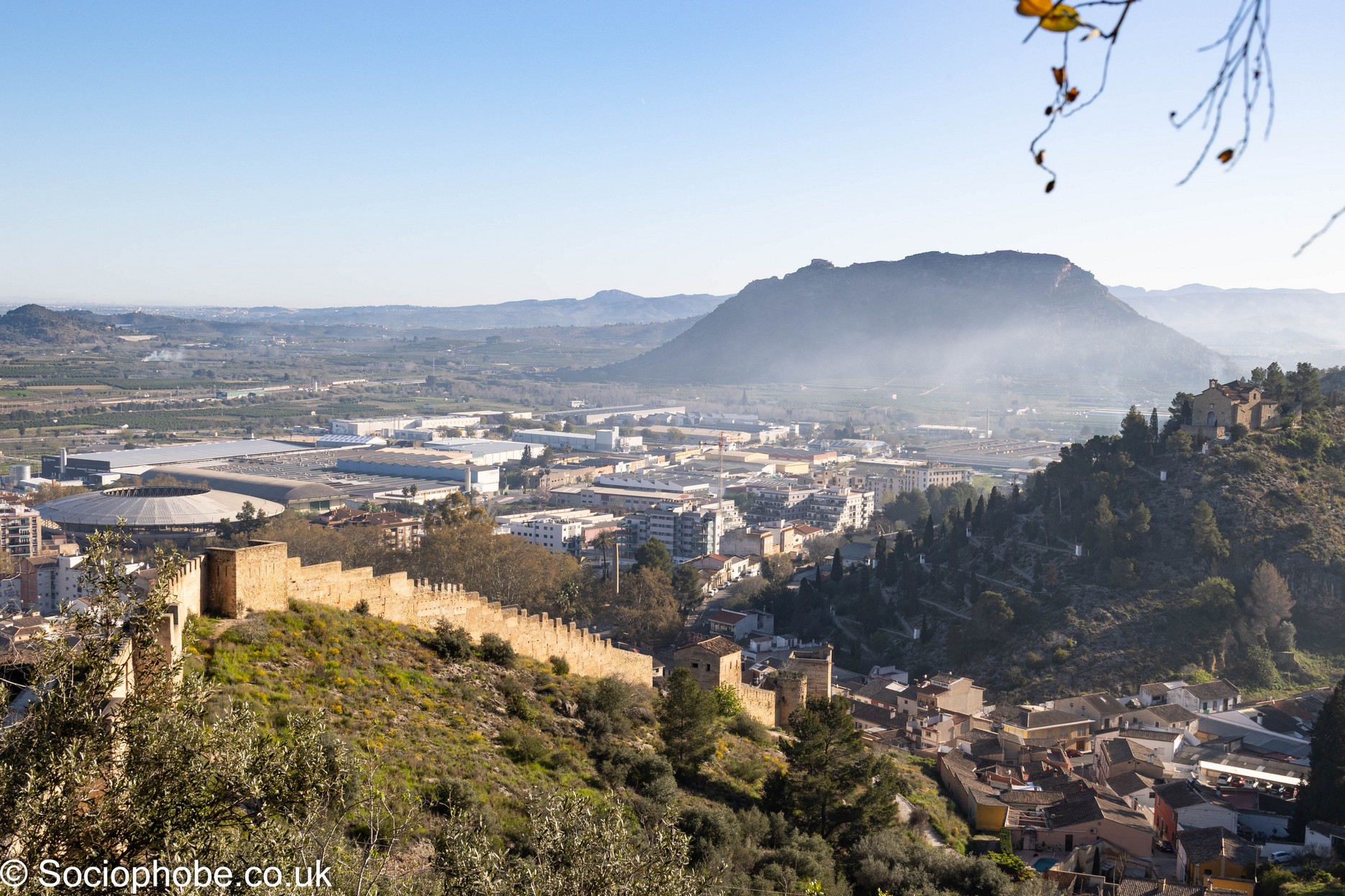
Views of Xativa city walls and views of the castle, from Hotel Mont Sant and the walk up the hill




History
Located on the hill above the town of Xàtiva, 34 miles south of Valencia, Xàtiva Castle predates Roman times. Reference to it was made by the Roman consul and poet Silius Italicus in the first century AD. Although it is known as a castle, it is in reality a fortification, one that is divided into two parts, the lower known as the Castell Menor and upper called the Castell Major.
This fortress is known to have been inhabited by the Carthaginians in the second century B.C. It is believed that it was here that Hannibal made his preparations for the siege of the Roman city of Saguntum, which took place in 219 BC. Legend has it that one of his sons was born in the Castell Menor in 218 BC. There is a gate named after Hannibal, which is said to be where he entered the fortress, although the original gate no longer exists. The gate that is there today dates from the 15th century.
Following their conquest of the area, the Romans chose to settle in the Castell Major and many archaeological discoveries relating to Roman times, including parts of their road, can be seen there. In fact, the fortress was situated next to the Via Augusta, the great road that lead from Rome, up the coast of Italy, across southern France, and down the coast of Spain to Cartagena and Cádiz.
After the fall of Rome, Xàtiva Fortress was inhabited by the Visigoths between the 5th and 8th centuries. The Moors then dominated the region for the following seven centuries, between 711 until 1492.
In 1092, the castle was controlled by the Almoravid family of the Berber Dynasty. The Almoravids were subsequently expelled in 1145, during an uprising against them by the Governor of Valencia. In 1171 the castle fell, along with the rest of the Levante coast, into the hands of the Almohads, a Berber confederation that created a massive Islamic empire throughout North Africa and Spain which lasted from 1130 to 1269.
In 1239, James I of Aragon began his crusade against the Moors. Five years later, in May 1244, after a five-month siege of Xàtiva Castle, he was victorious and took possession of what he described as “the most beautiful castle” in May 1244.
In the years that followed, the castle was used as a royal prison, holding a number of important prisoners for the Crown of Aragon. The castle was overseen by a Governor who was always selected from one of the most important noble families of Valencia.
The fortress also played a part in the Revolt of the Brotherhood (1519-1522) when the artisan guilds revolted against King Charles I of Valencia.
Over the years, the castle has frequently suffered damage. In 1522, the Santa Fe Tower was destroyed when it was struck by lightning which ignited powder kegs which were stored there.
During the War of Spanish Succession (1702-1714) it was heavily besieged, which resulted in its surrender in June 1707. The damage to the castle was so extensive that it had to be rebuilt. In 1748 it was damaged by an earthquake, something that happened again in 1755.
In 1870 the castle was sold to private owners who carried out several modifications, including adding living quarters for their personal accommodation and a restaurant for the public. In recent times, the castle was acquired by the city of Xàtiva, which has opened the property as a tourist attraction and museum.
References
The Xativa city website has lots of information on the castle, visiting hours etc here
The history above is copied from the historic buildings website, here, with further information on the castle and town itself.
History Hit has a good overview of the castle here.