

Luxembourg city was the final stay on our Battle of the Bulge tour. I have to say, our visit was rather an education – I didn’t really know much about the city other than as one of the cities that hosted various EU administration buildings, with all the taint that implies.
My Experience
Once we were there we discovered a very small city that was also incredibly quiet. Even the main tourist areas in the height of the day were not busy and the historical centre could be traversed in 30 minutes on foot, even allowing for the steep hills.
Luxembourg city has an incredible density of defensive structures, all the more surprising considering so many have been demolished. The city was fortified and expanded over about 900 years and was so strong it was known as the ‘Gibraltar of the north’.
All of the attractions in the centre are easy to walk to, Fort Thungen is a little trek up a hill but does give you some excellent viewpoints over the Vauban and post Vauban defences. Fort Thungen is now a museum and you can walk around the entire exterior.
The main tourist attraction of the city’s defences are the Bock Casements. To be honest I wasn’t overly impressed but they are worth a quick visit to see them although you can get a pretty good idea by just walking around the exterior areas and looking from the well labelled viewpoints.
There is a lot to see but none of it will take very long. Each attraction had excellent information boards and it would be easy to amble around the centre of the city and see the highlights in a day. Be aware that you need to be inside the centre to have any hope of finding a cafe, it really is quite a strange city!
Photo Gallery


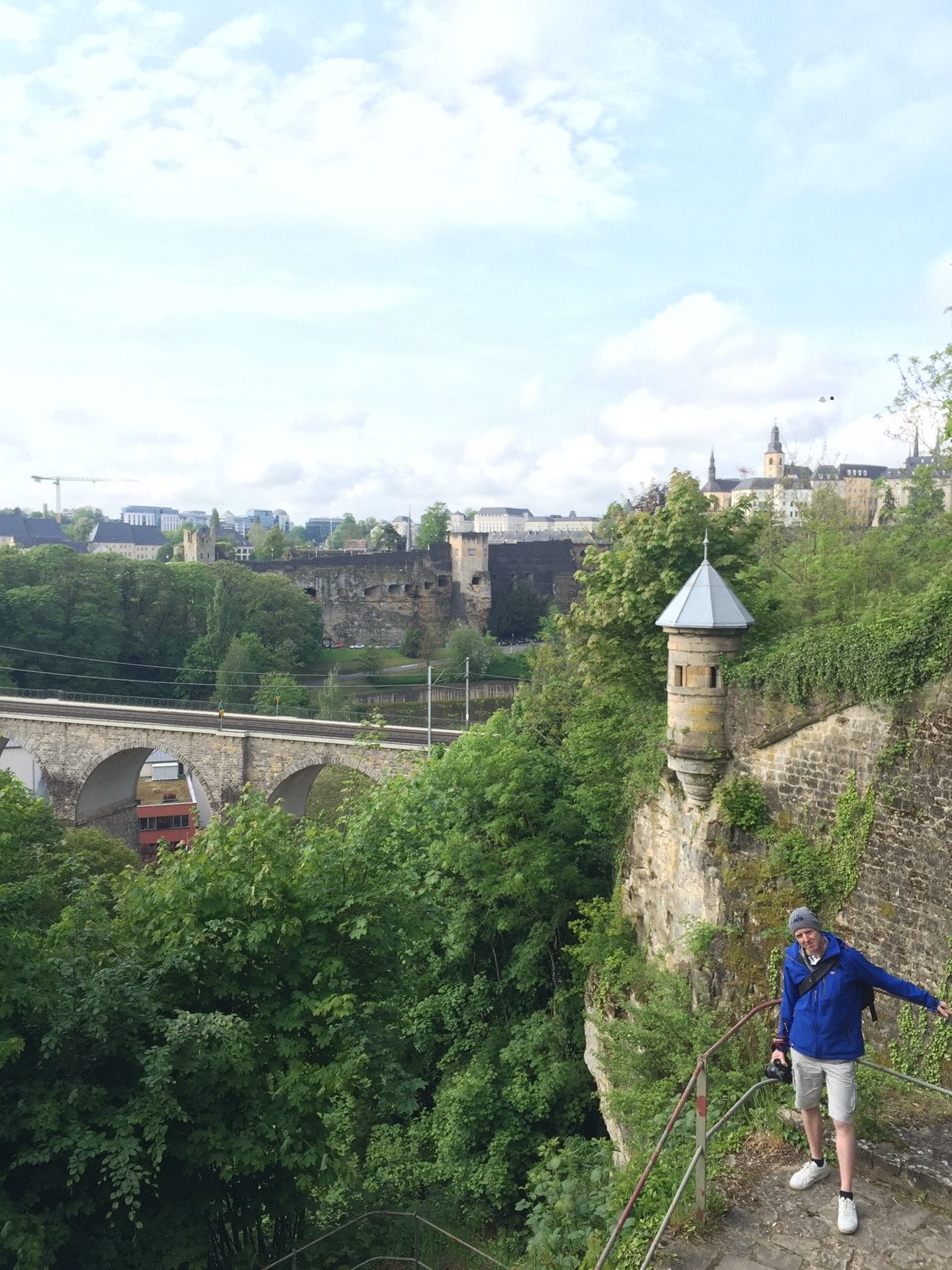


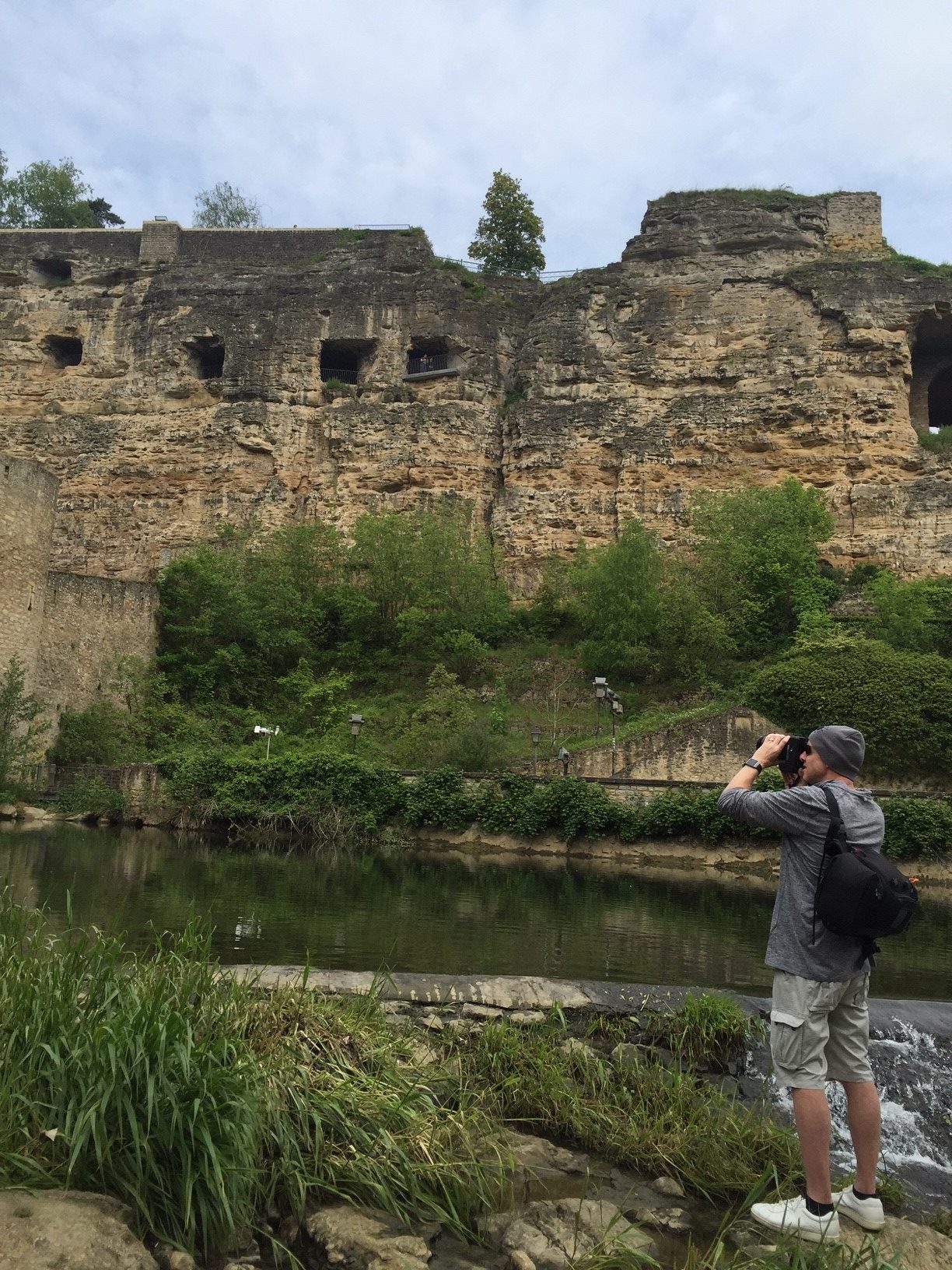
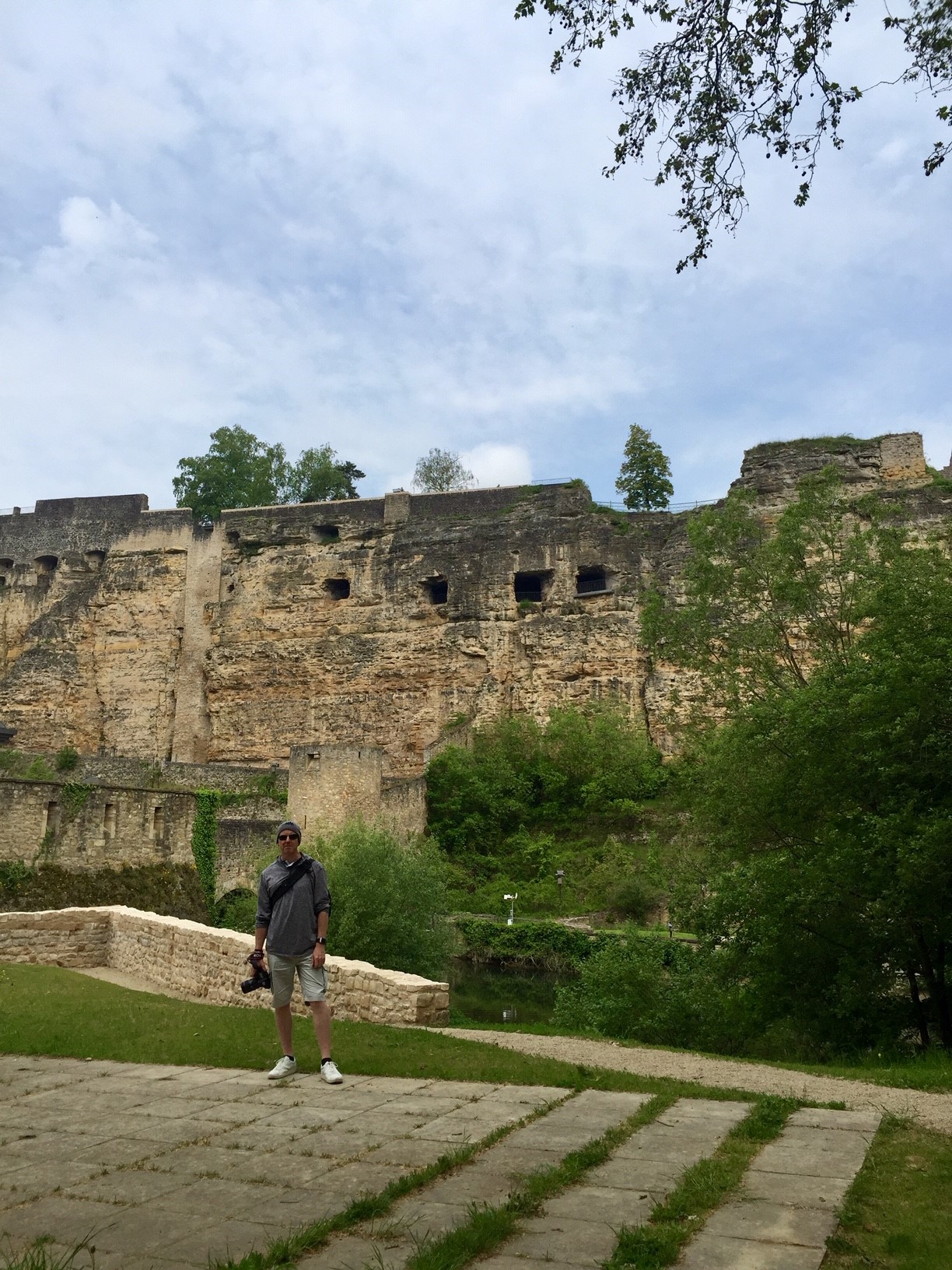

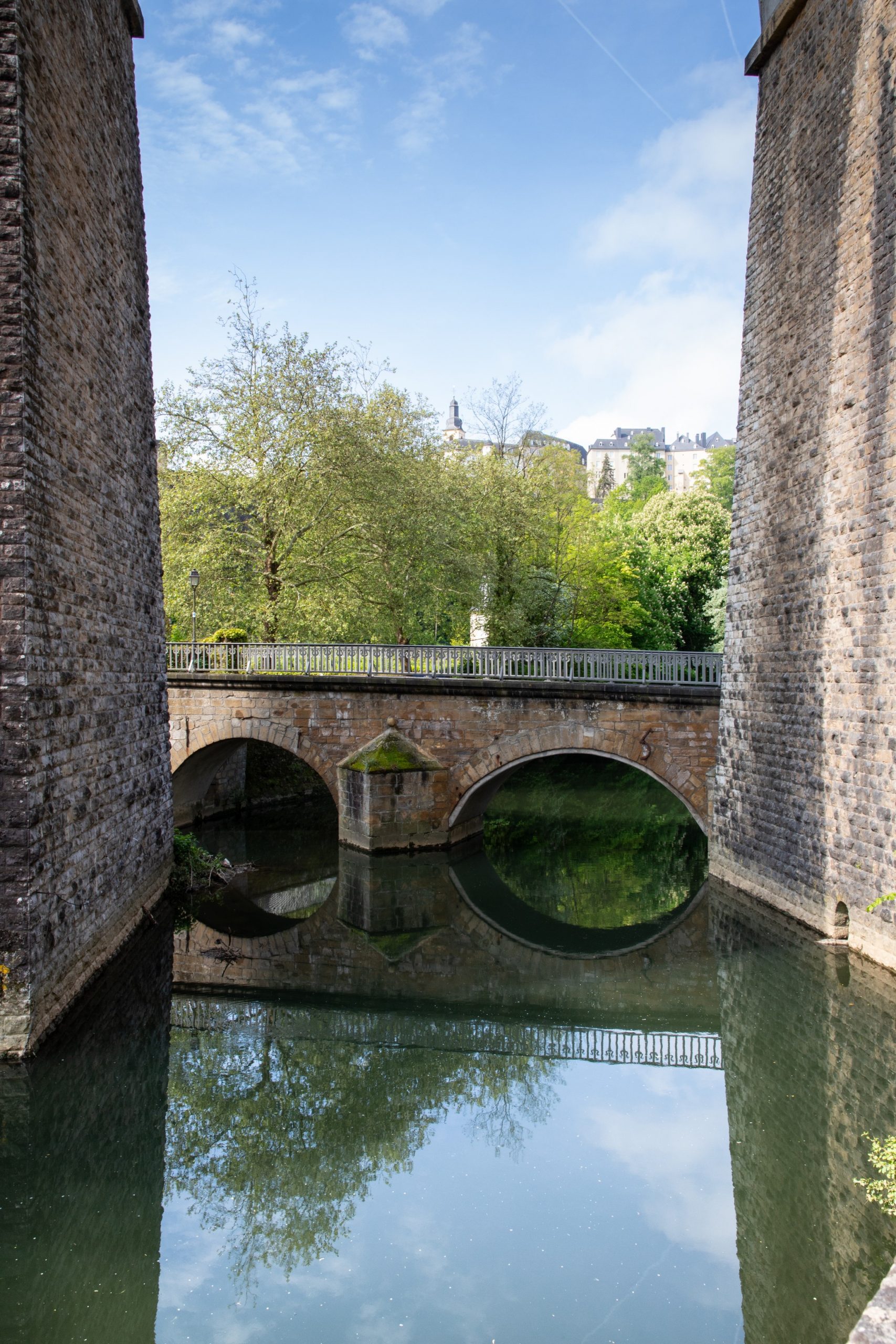
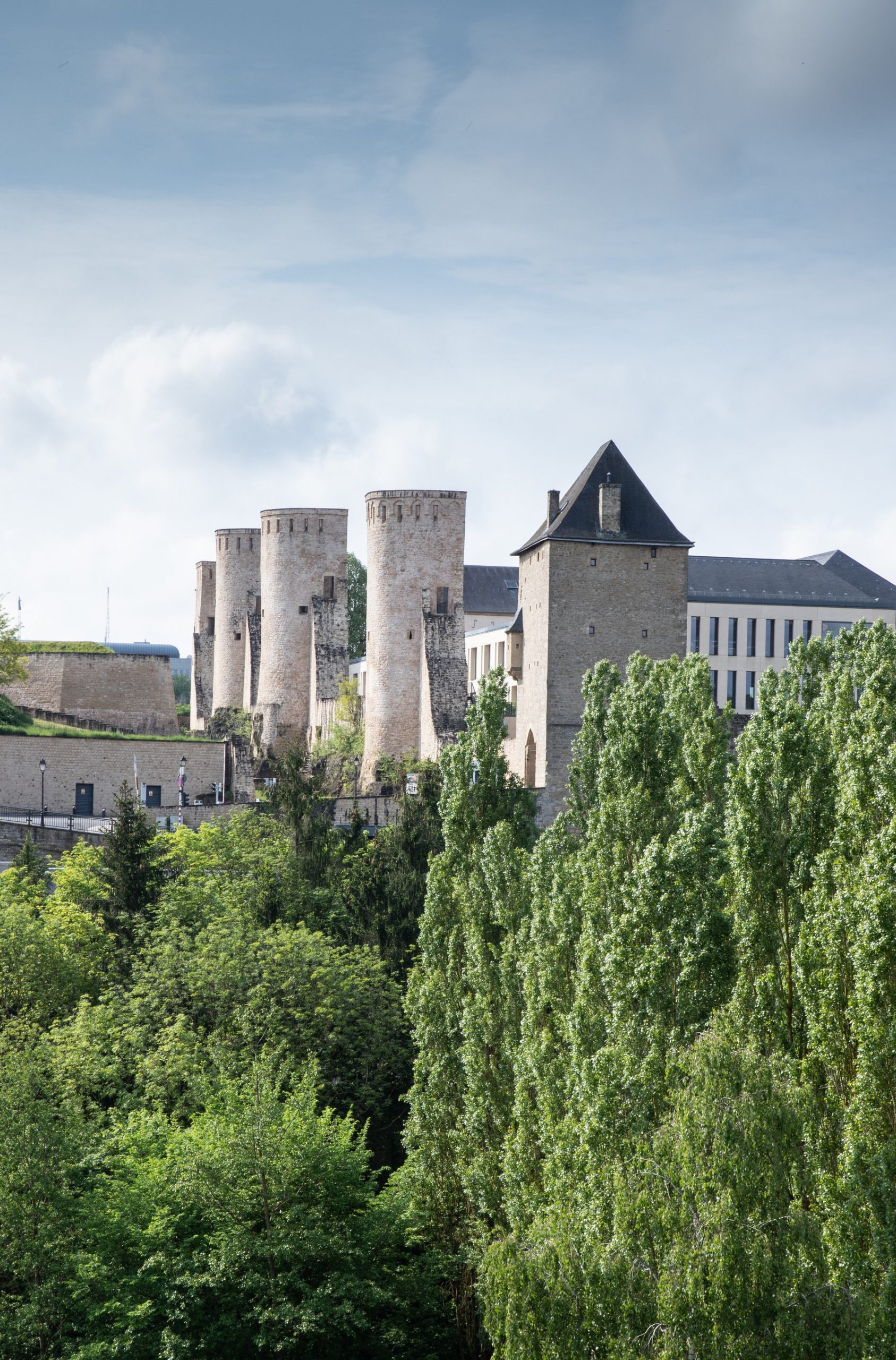
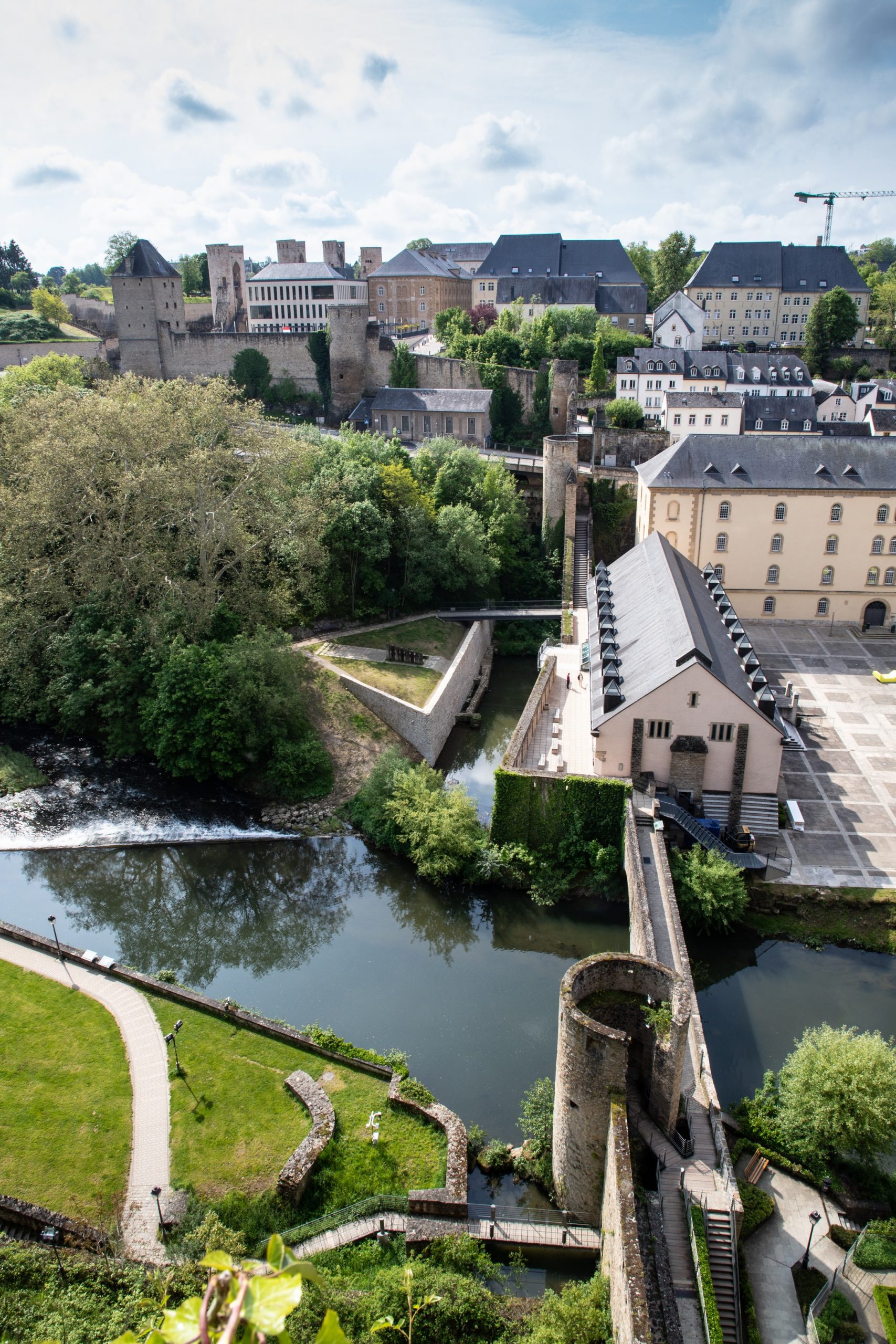


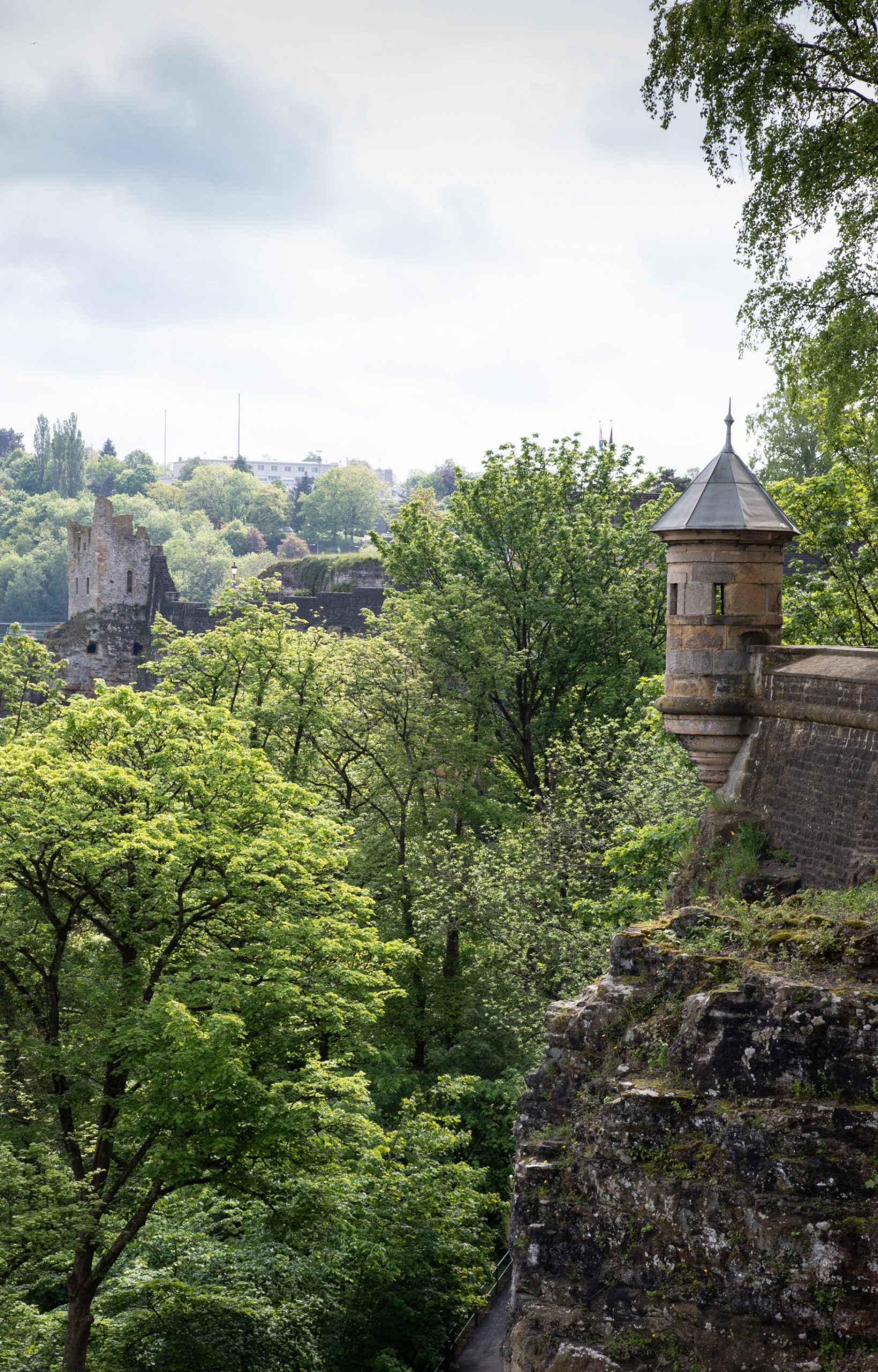
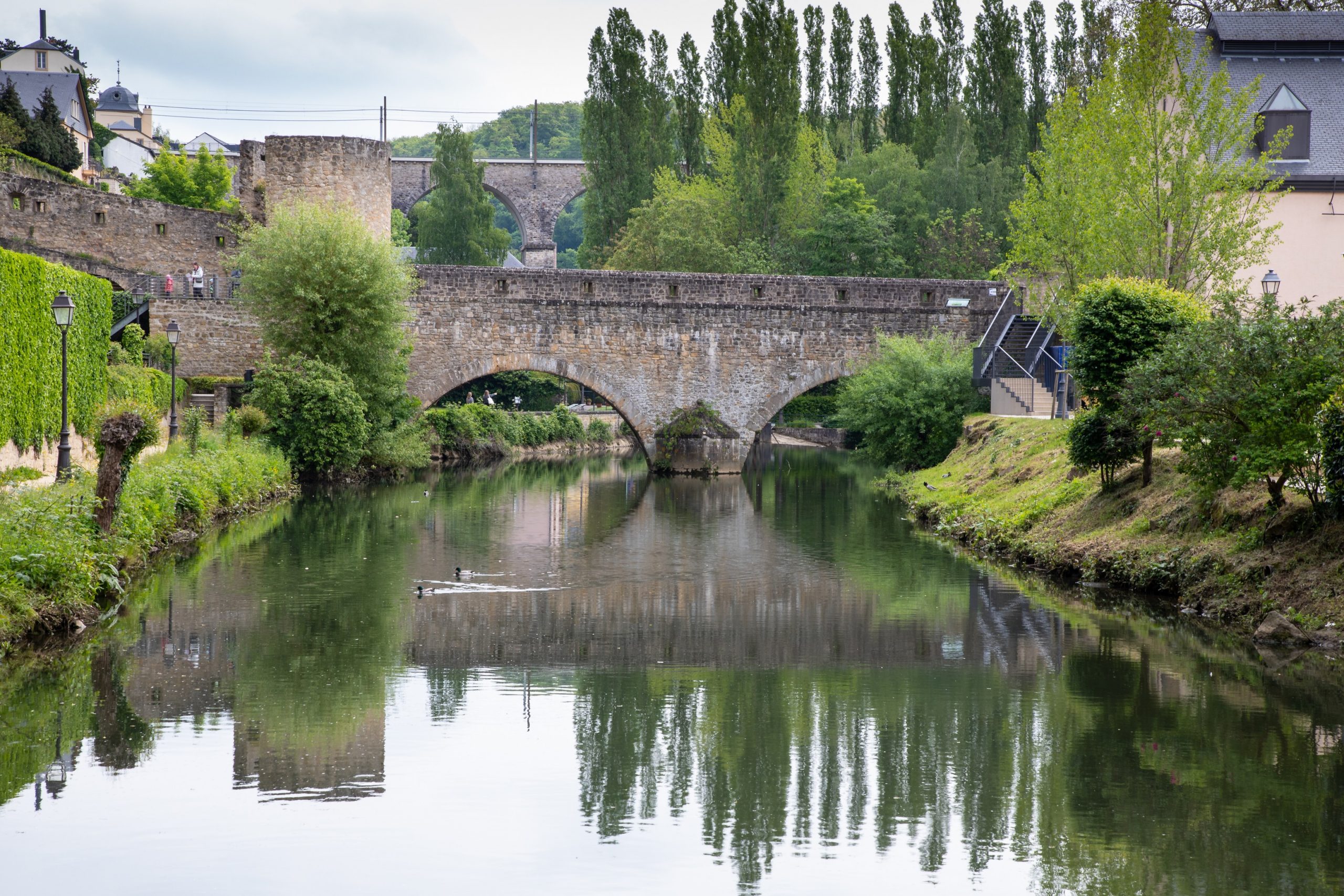

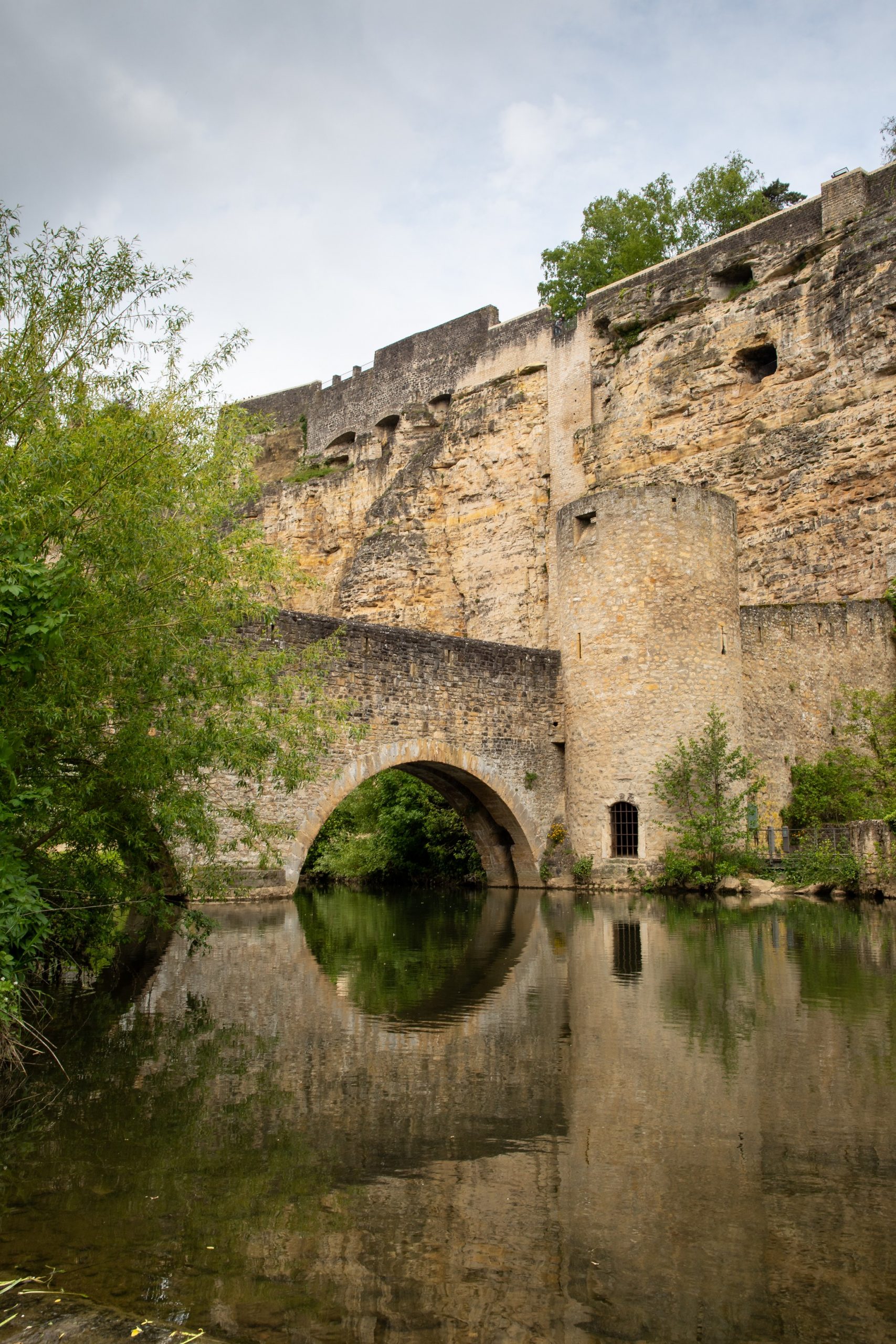


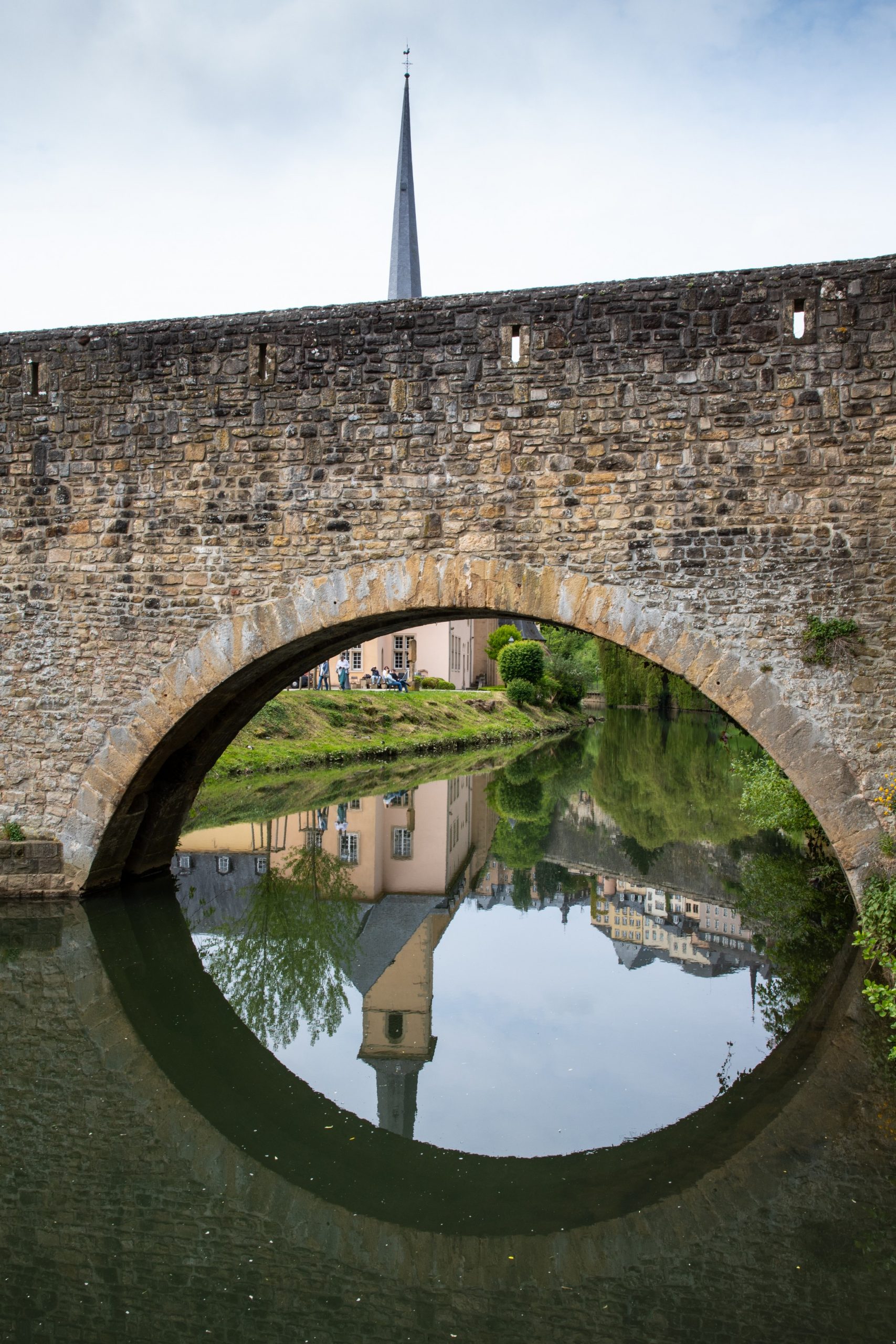


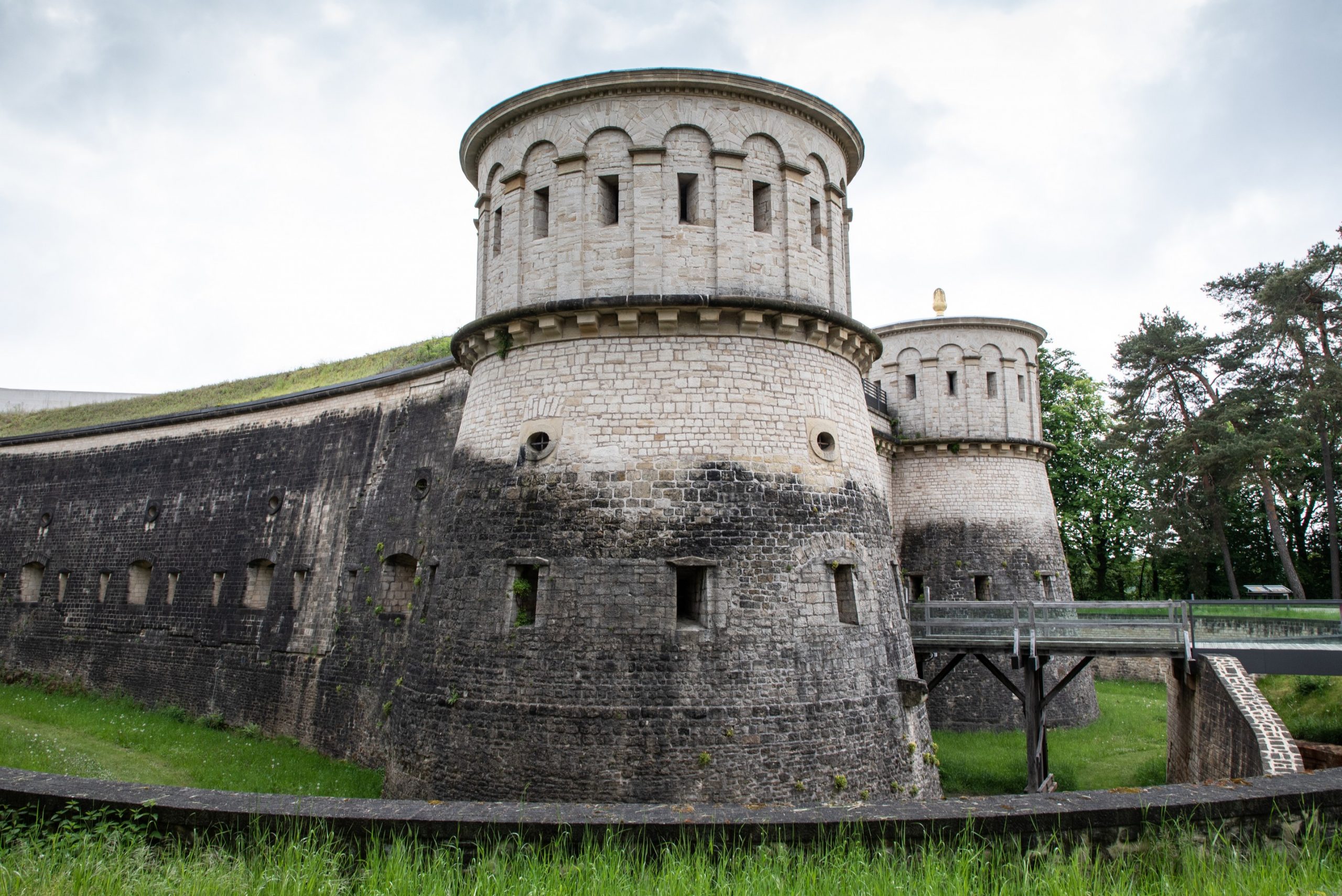
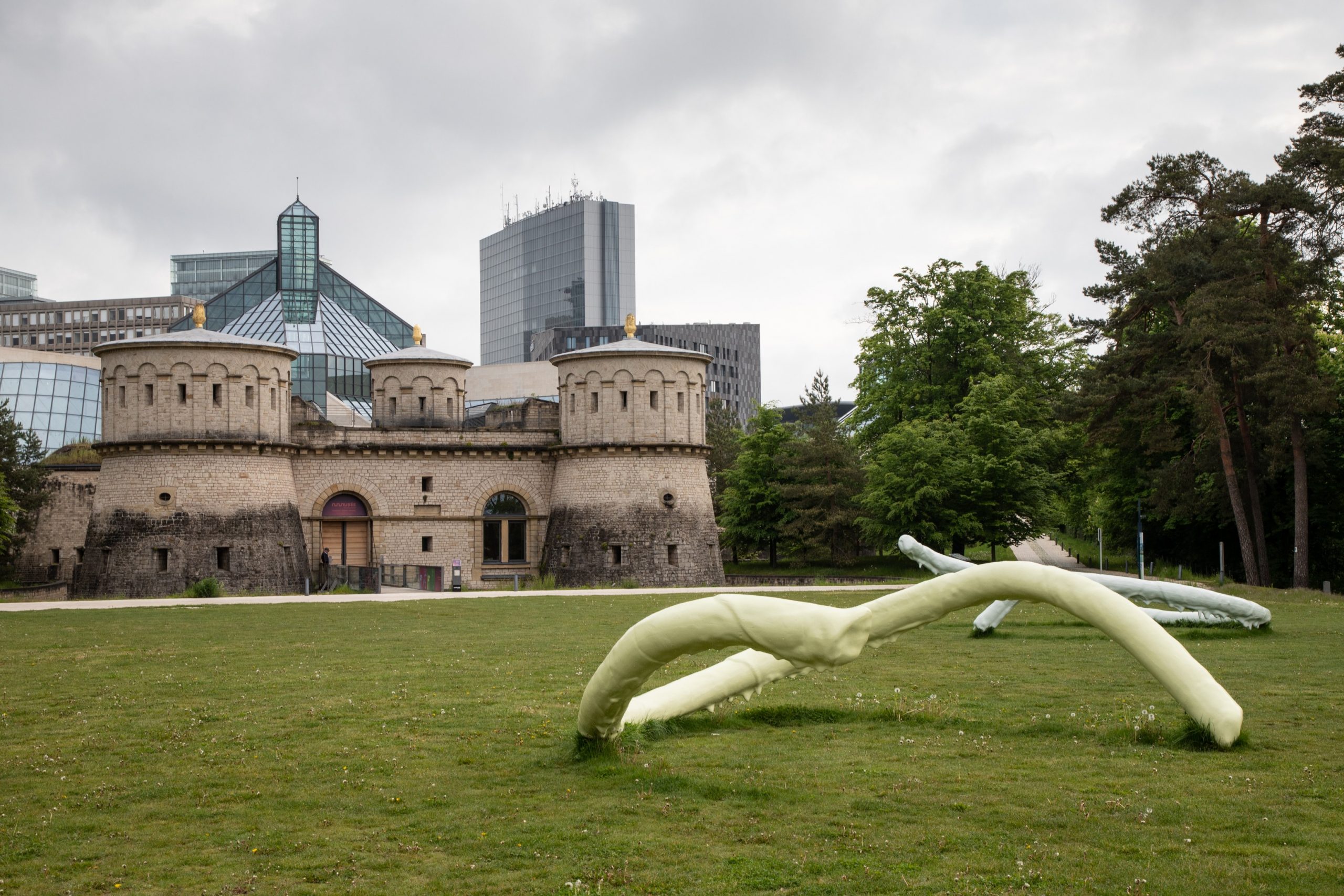


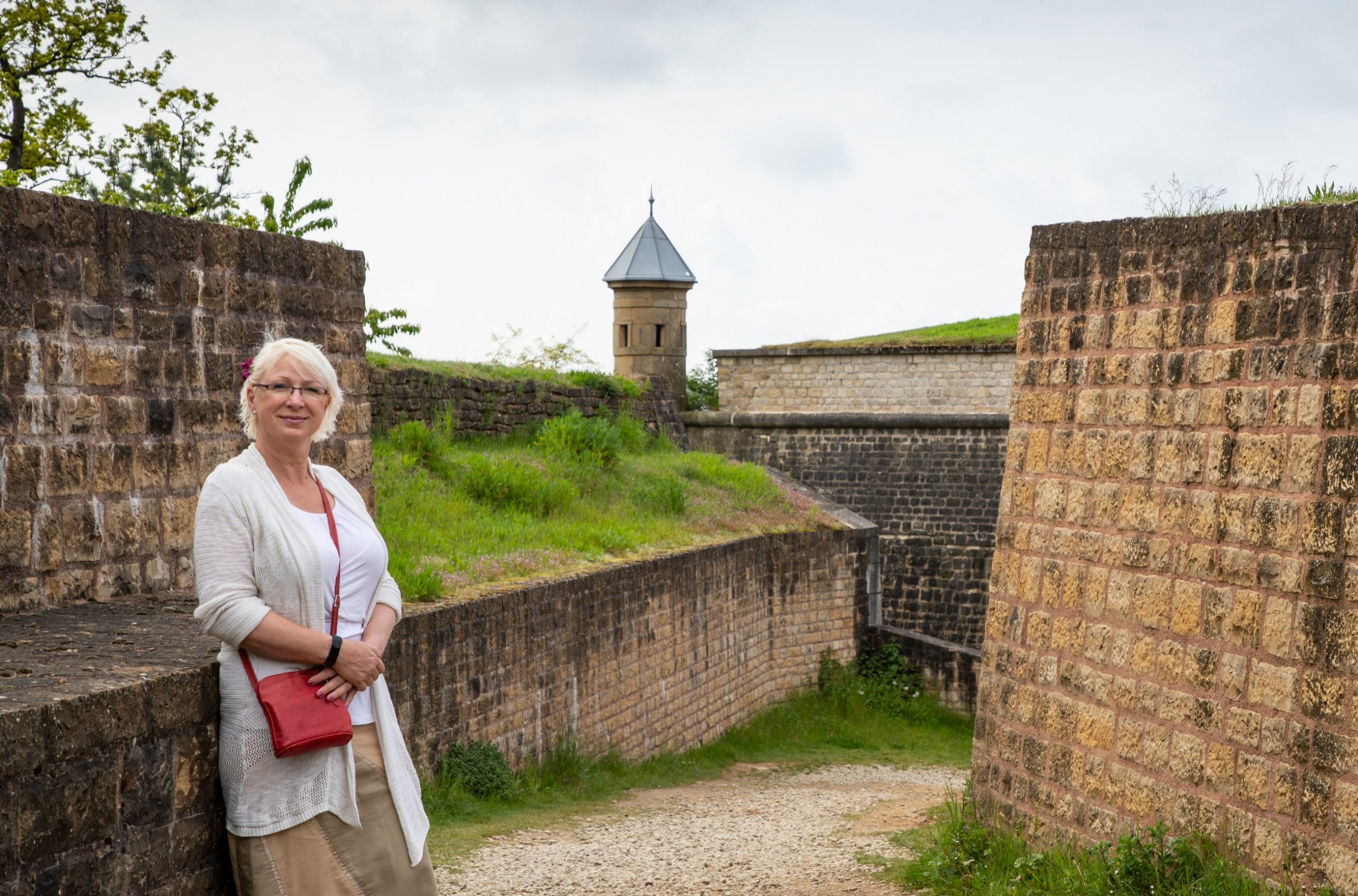
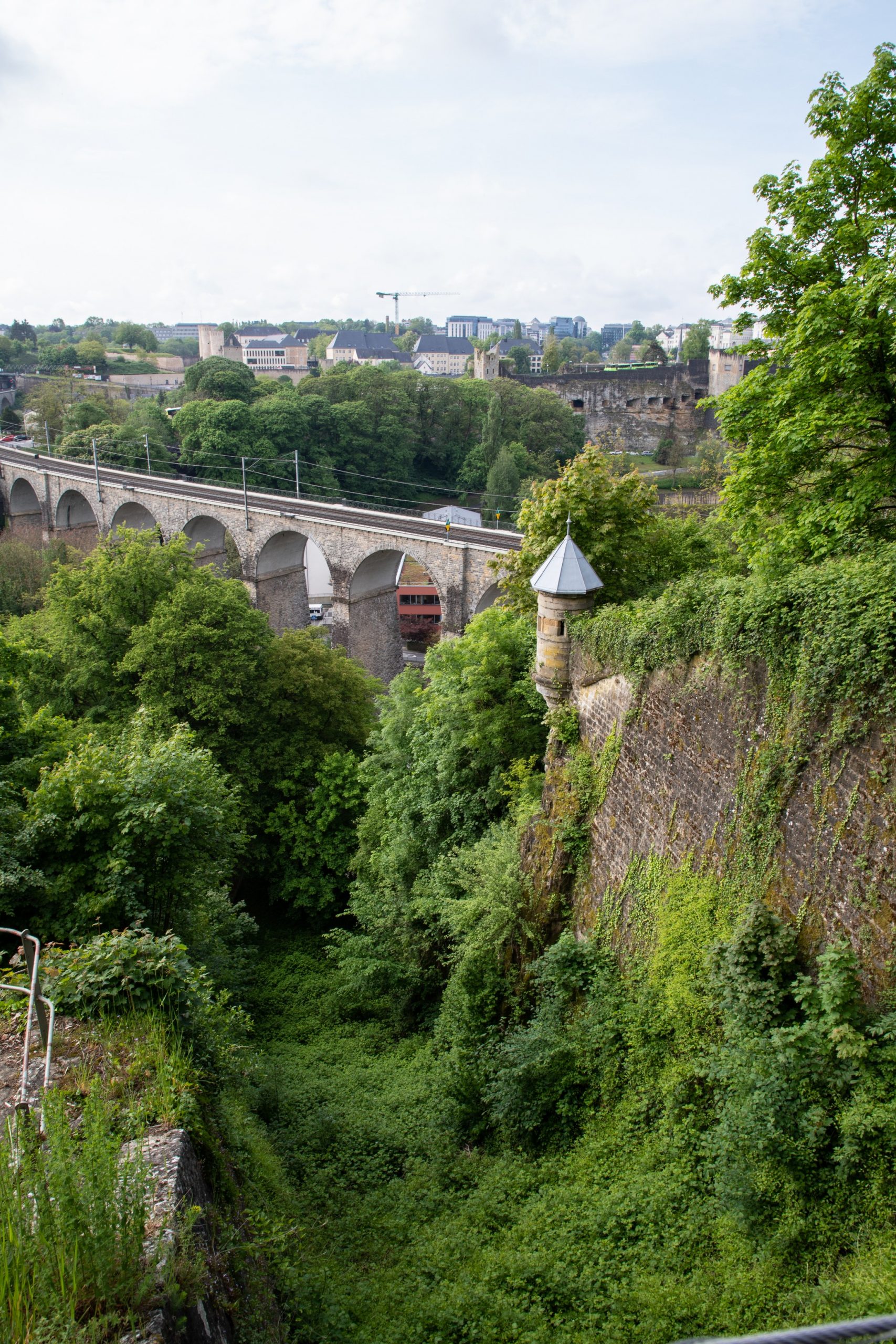

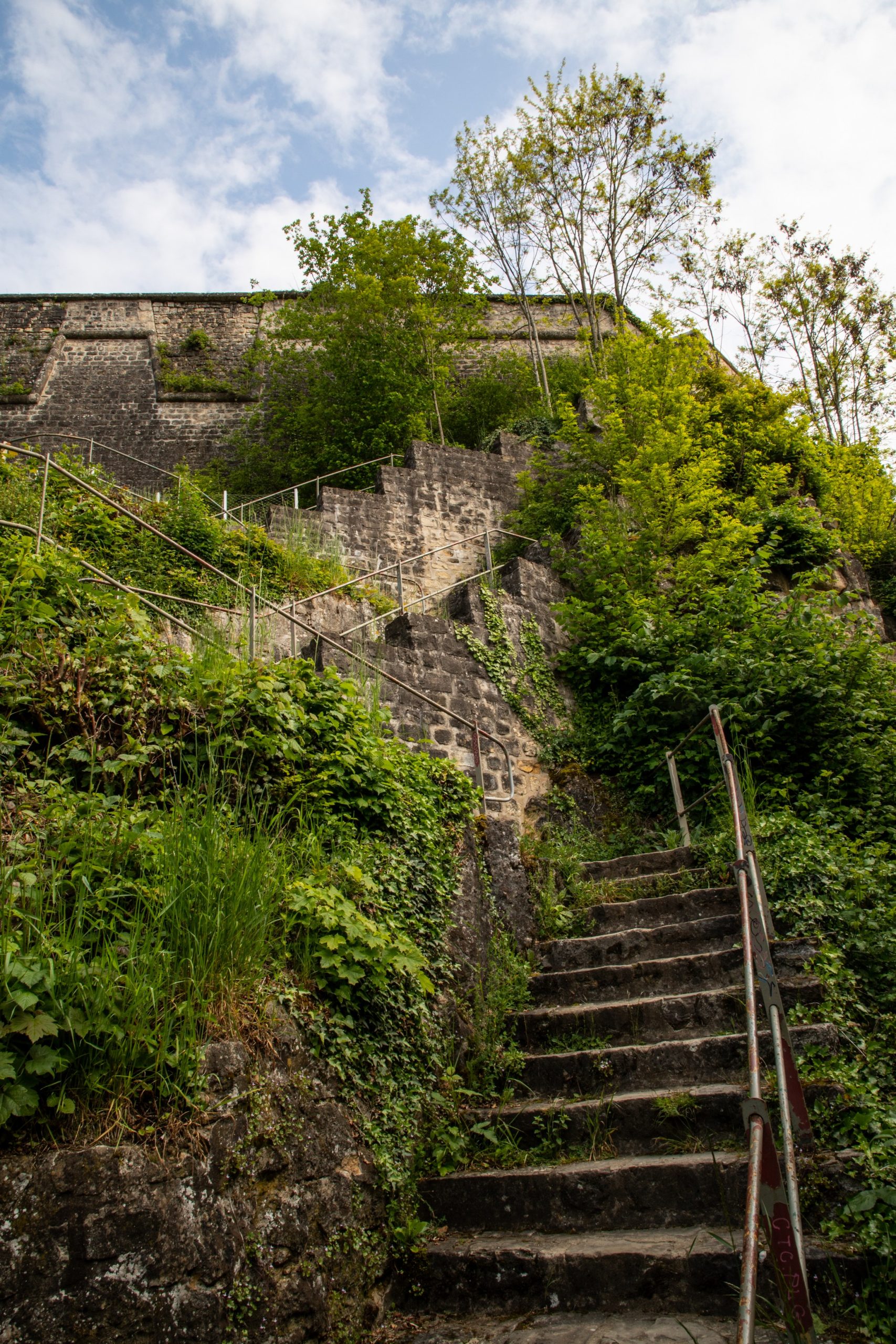


The map below highlights the military attractions of the city, easily walkable in a day:

History
The Wikipedia page giving a detailed history of the fortifications is here and a summary of their comments are:
“The Fortress of Luxembourg refers to the former fortifications of Luxembourg City, the capital of the Grand Duchy of Luxembourg, which were mostly dismantled in 1867. The fortress was of great strategic importance for the control of the Left Bank of the Rhine, the Low Countries, and the border area between France and Germany.
The fortifications were built gradually over nine centuries, from soon after the city’s foundation in the tenth century until 1867. By the end of the Renaissance, Luxembourg was already one of Europe’s strongest fortresses, but it was the period of great construction in the 17th and 18th centuries that gave it its fearsome reputation. Due to its strategic location, it became caught up in Europe-wide conflicts between the major powers such as the Habsburg–Valois wars, the War of the Reunions, and the French Revolutionary Wars, and underwent changes in ownership, sieges, and major alterations, as each new occupier—the Burgundians, French, Austrian and Spanish Habsburgs, and Prussians—made their own improvements and additions.
Luxembourg took pride in the flattering historical epithet of the “Gibraltar of the North” as a result of its alleged impregnability. By 1443 it had only been taken by surprise by Philip the Good. In 1795, the city, expecting imminent defeat and for fear of the following pillages and massacres, surrendered after a seven-month blockade and siege by the French, with most of its walls still unbreached. On this occasion, advocating to extend the revolutionary wars across the French borders, the French politician and engineer Lazare Carnot explained to the French House of Representatives, that in taking Luxembourg, France had deprived its enemies of “…the best fortress in Europe after Gibraltar, and the most dangerous for France”, which had put any French movement across the border at a risk.[1][2] Thus, the surrender of Luxembourg made it possible for France to take control of the southern parts of the Low Countries and to annex them to her territory.
The city’s great significance for the frontier between the Second French Empire and the German Confederation led to the 1866 Luxembourg Crisis, almost resulting in a war between France and Prussia over possession of the German Confederation‘s main western fortress. The 1867 Treaty of London required Luxembourg’s fortress to be torn down and for Luxembourg to be placed in perpetual neutrality, signalling the end of the city’s use as a military site. Since then, the remains of the fortifications have become a major tourist attraction for the city. In 1994, the fortress remains and the city’s old quarter were listed as a UNESCO World Heritage Site.”
The original defences looked like this:
