
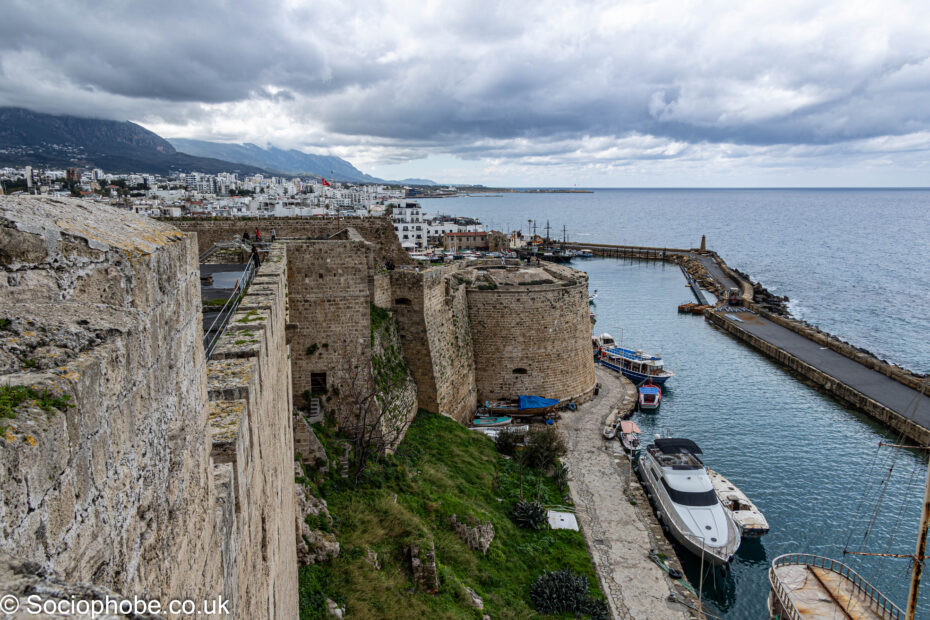
The current castle at Kyrenia is a 15th century Venetian creation, from Byzantine and crusader roots, dominating the harbour of the city. It withstood several sieges, one of four years, but finally fell to the Turks in 1570.
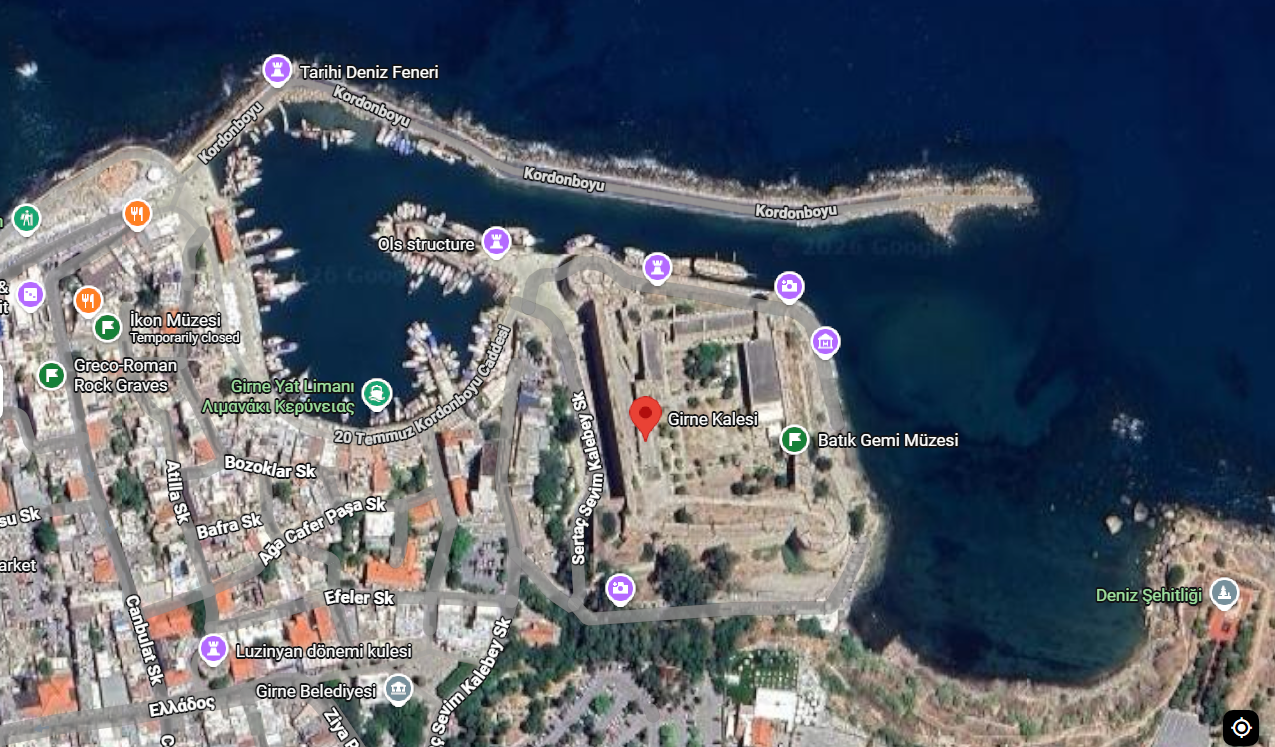
Visiting Kyrenia Castle
The castle is a major tourist attraction in the city and there are plenty of car parks near by. We visited as part of an organised private tour from Nicosia so we were driven to the town, via St Hilarion Castle. As always with this divided island, visiting depends where you are coming from – if you are in the Turkish occupied north then Kyrenia is just an easy drive. If you are visiting from southern Cyprus then you will need to cross the border on foot and either meet your guide or pick up your hire car if you’re choosing an independent visit. Inconvenient yes, but not as bad as losing your home and being relocated due to geopolitics.
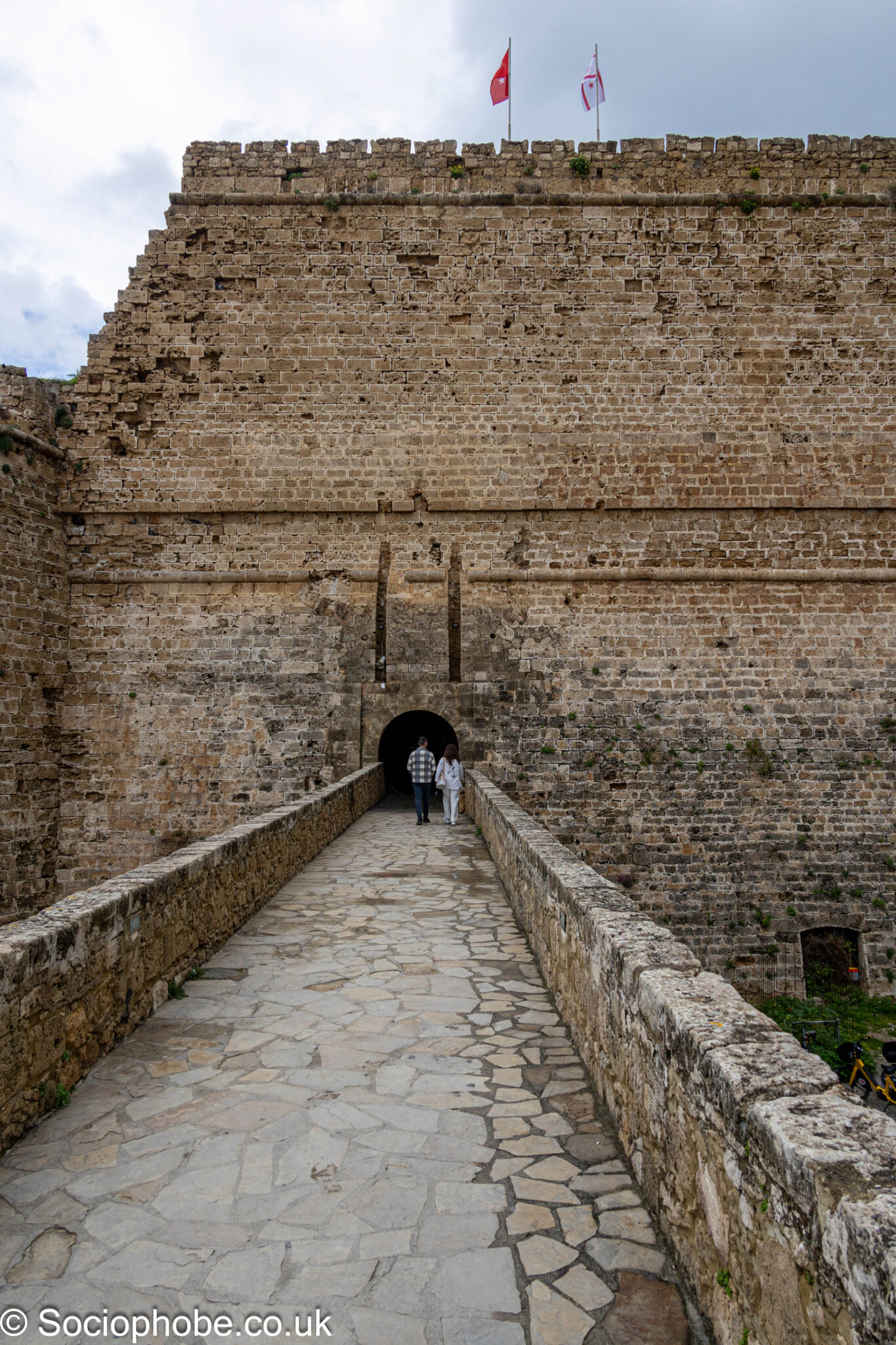
The castle ticket office overlooks the harbour and then entry to the castle is by crossing the bridge over the impressive moat. Entry cost is in Turkish Lire or Euro and includes the museums inside the castle.
My Experience
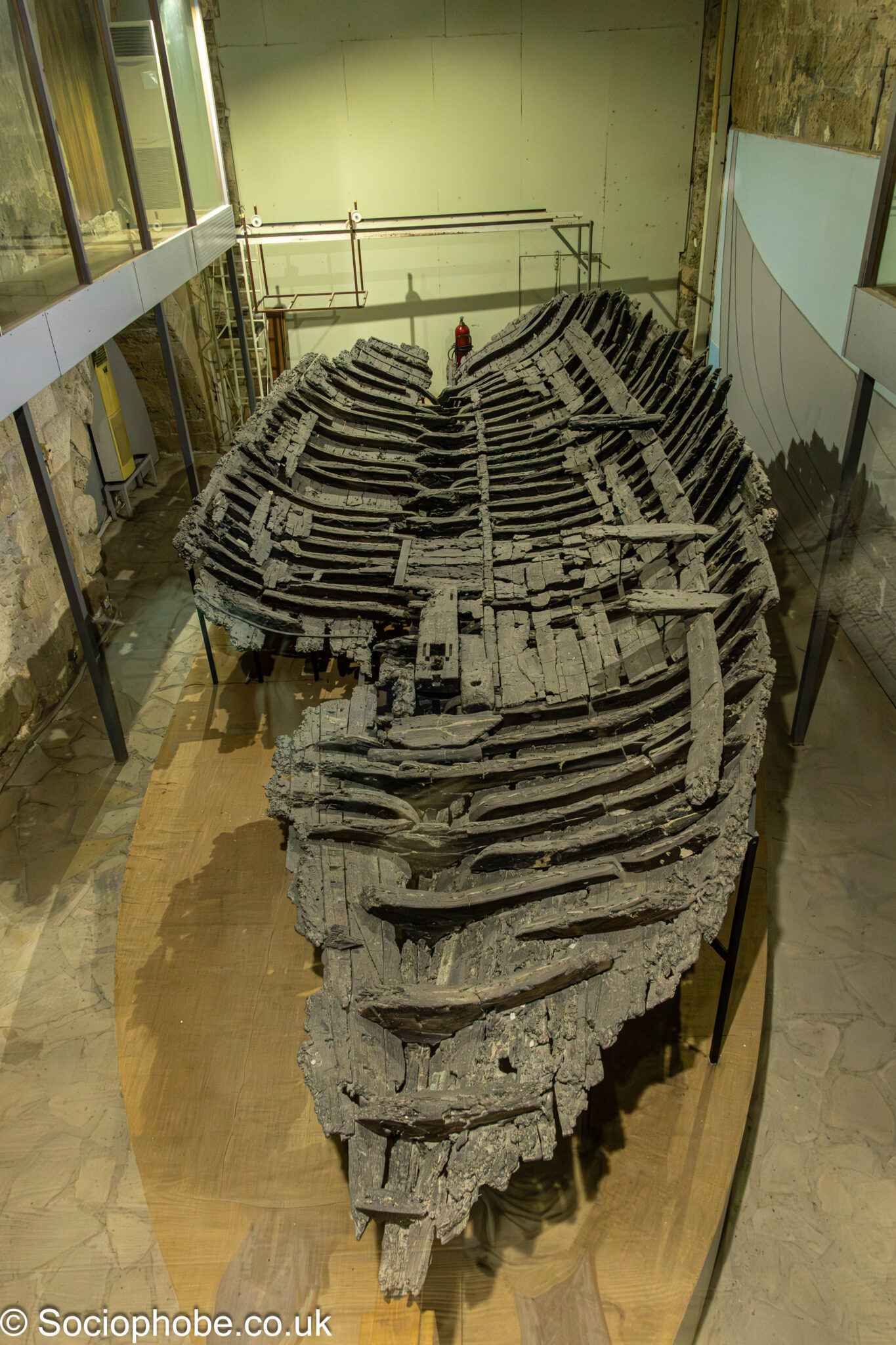
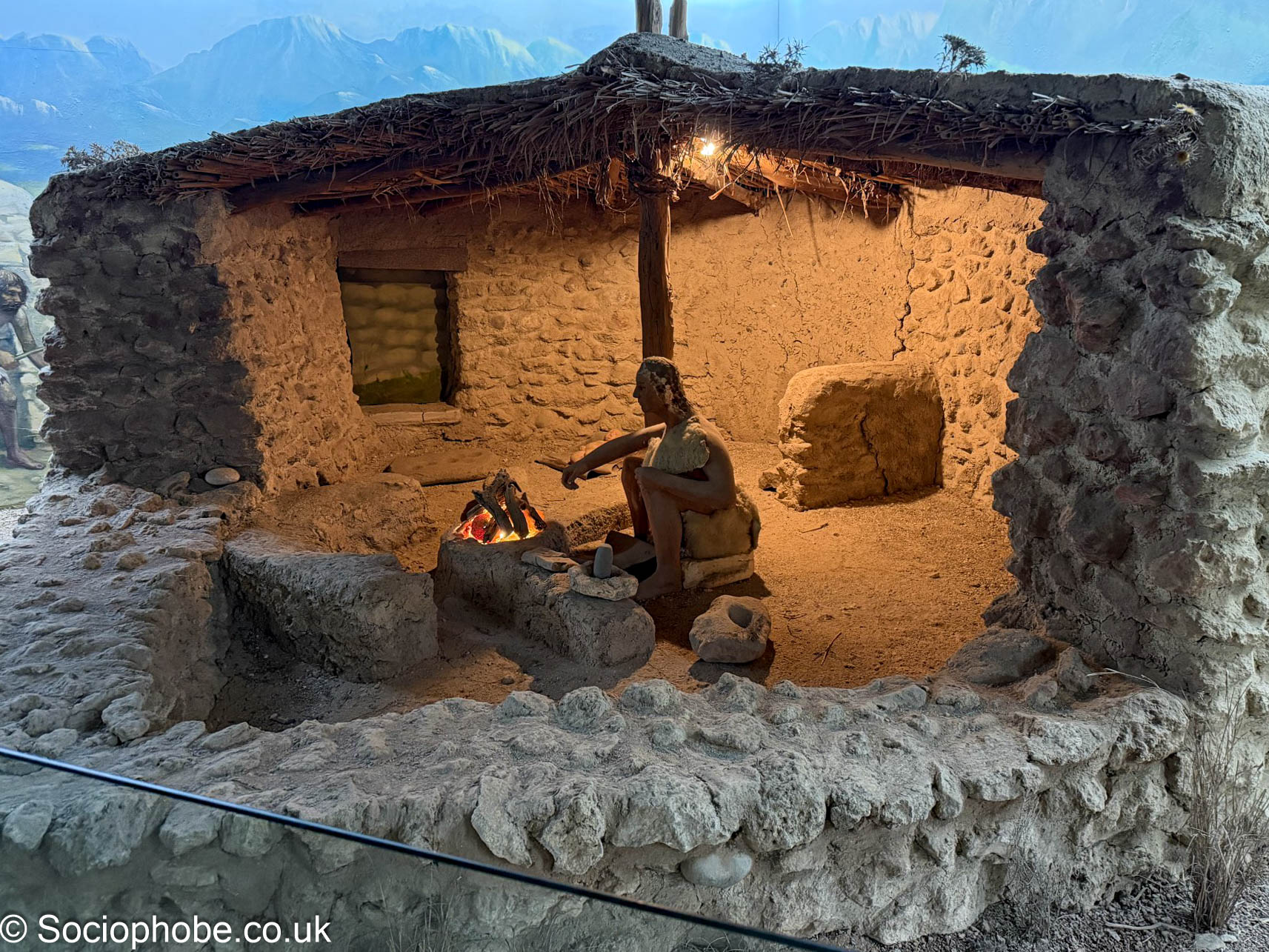
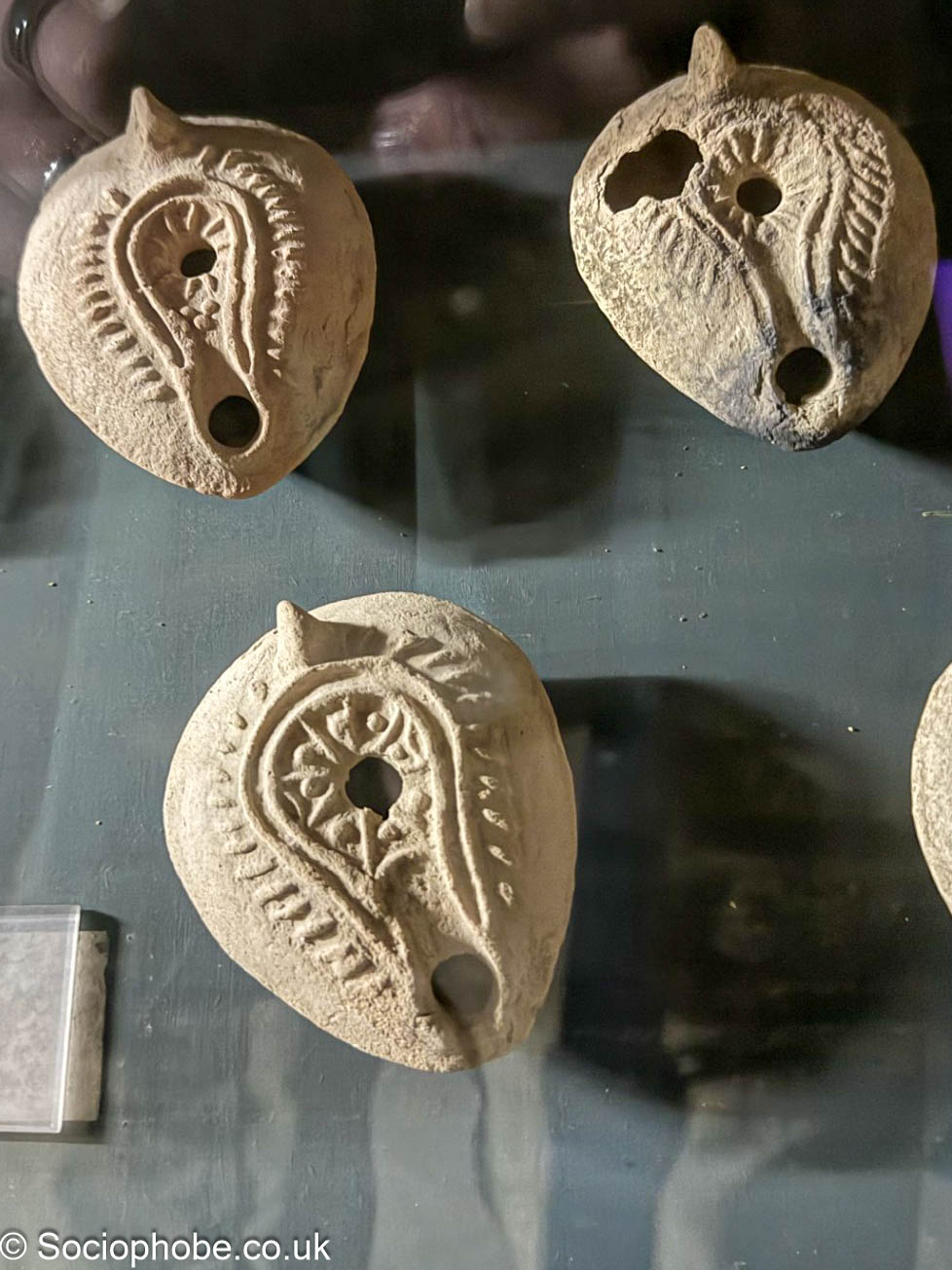
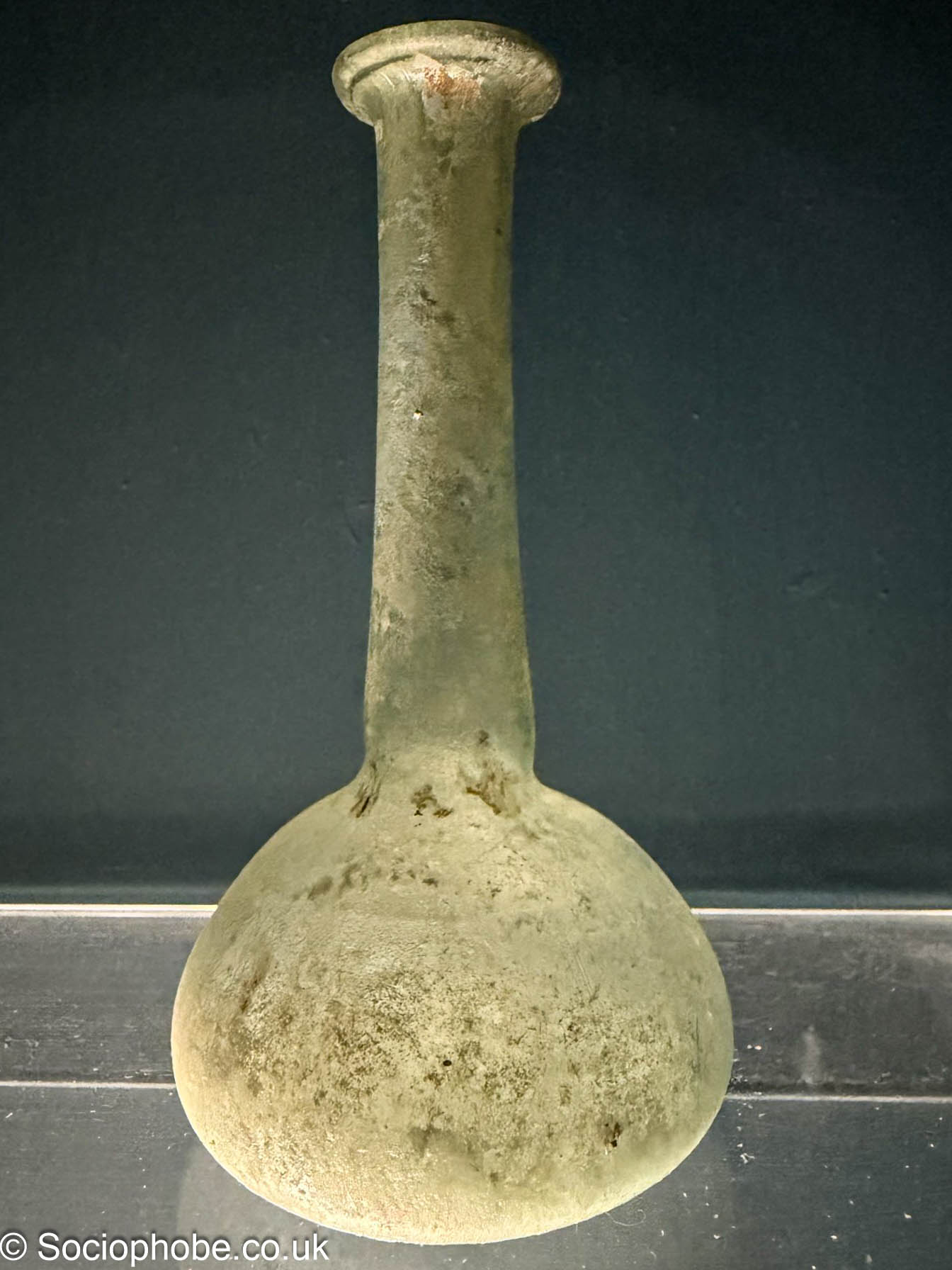
Our guide, Sedat, gave us a tour of the Shipwreck Museum, the Neolithic Museum and the dungeons before letting us do the wall walk on our own. The shipwreck is a Phoenician trading vessel of the 4th century BC that was wrecked near the harbour and excavated in the late 60s/early 70s. The ship is in the museum, preserved as it was found, alongside its cargo and information on ancient ship building and trade routes.
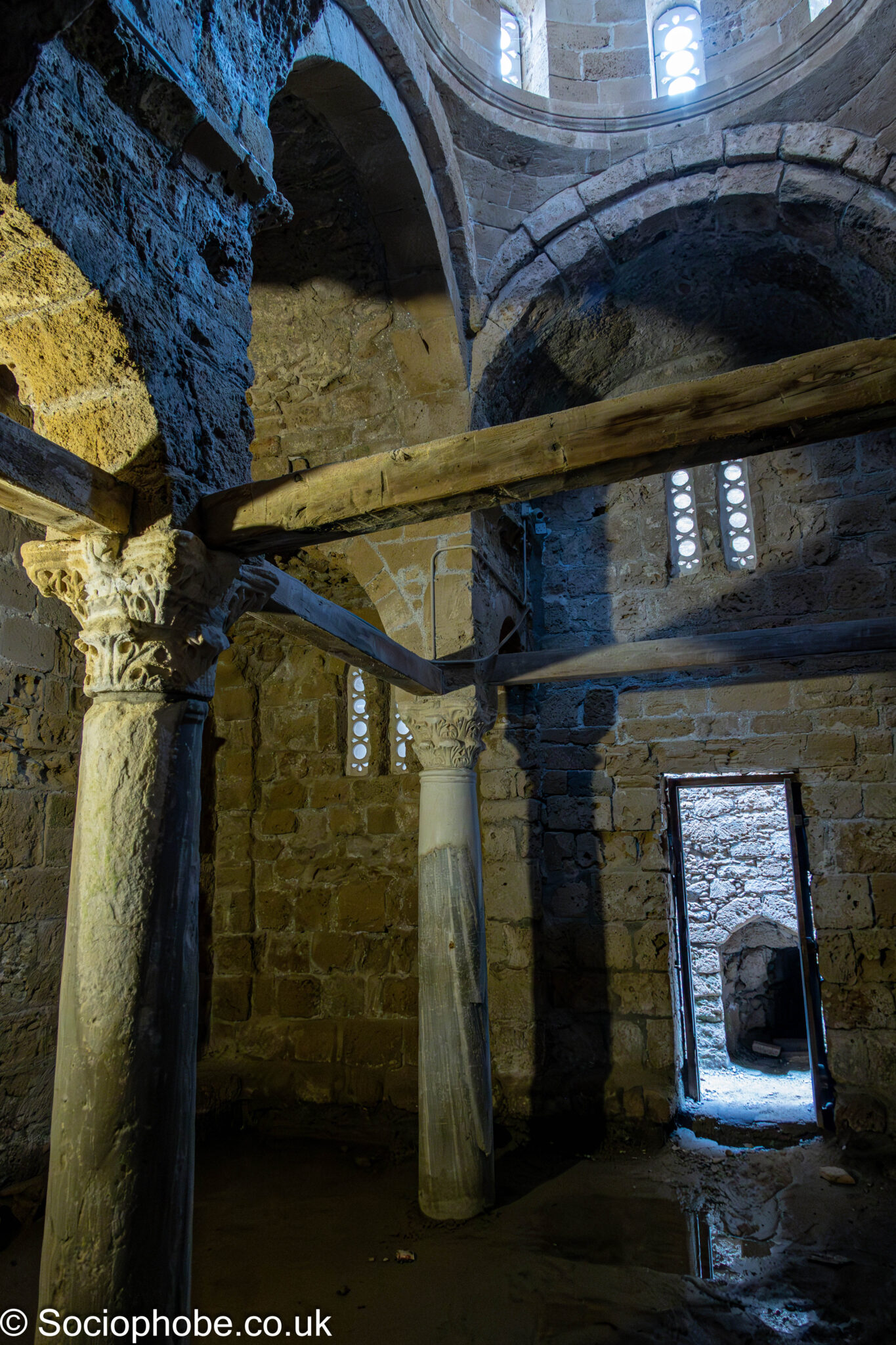
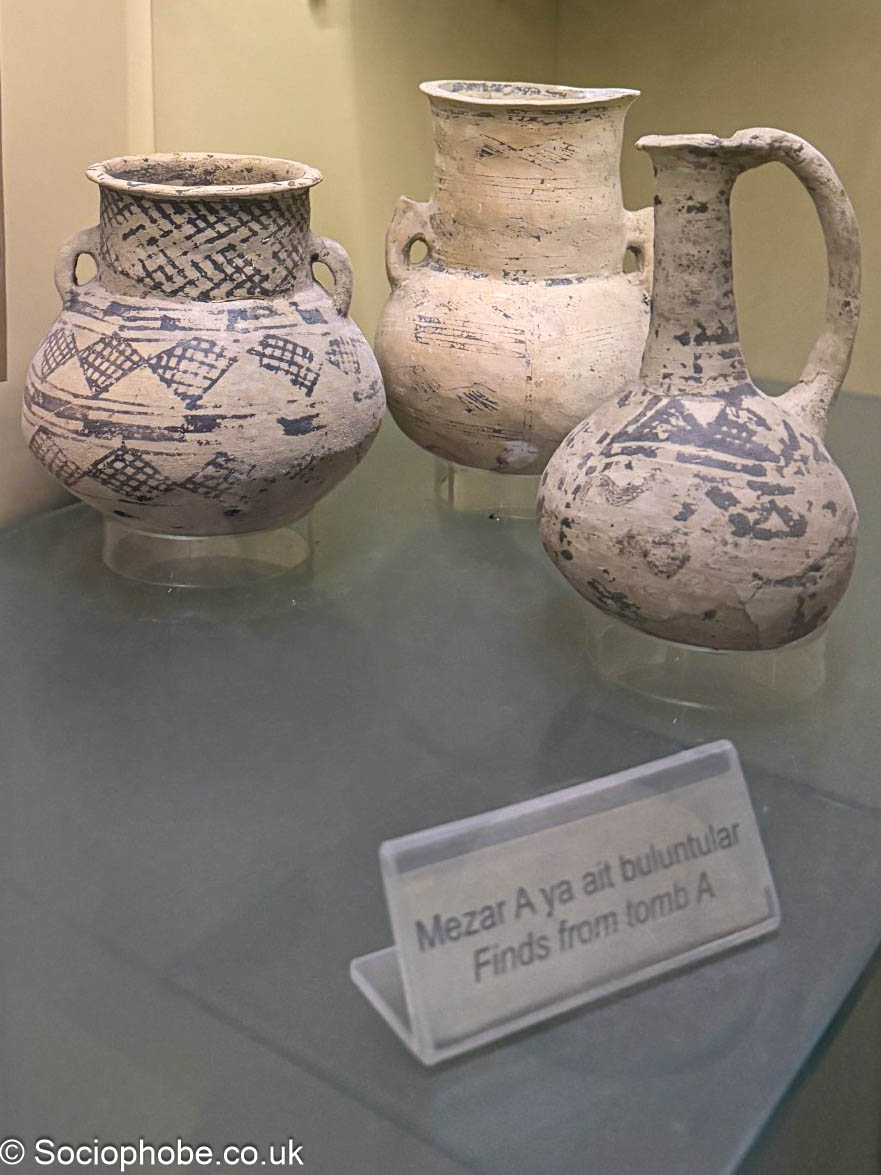
The neolithic museum was a reconstruction of a bronze age tomb excavated nearby and the intact grave goods were on display too. The dungeons had examples of some famous prisoners of the Lusignans, victims of petty power politics in the face of a larger threat. There is a small Byzantine chapel dedicated to St George but it no longer has any frescoes or adornments.
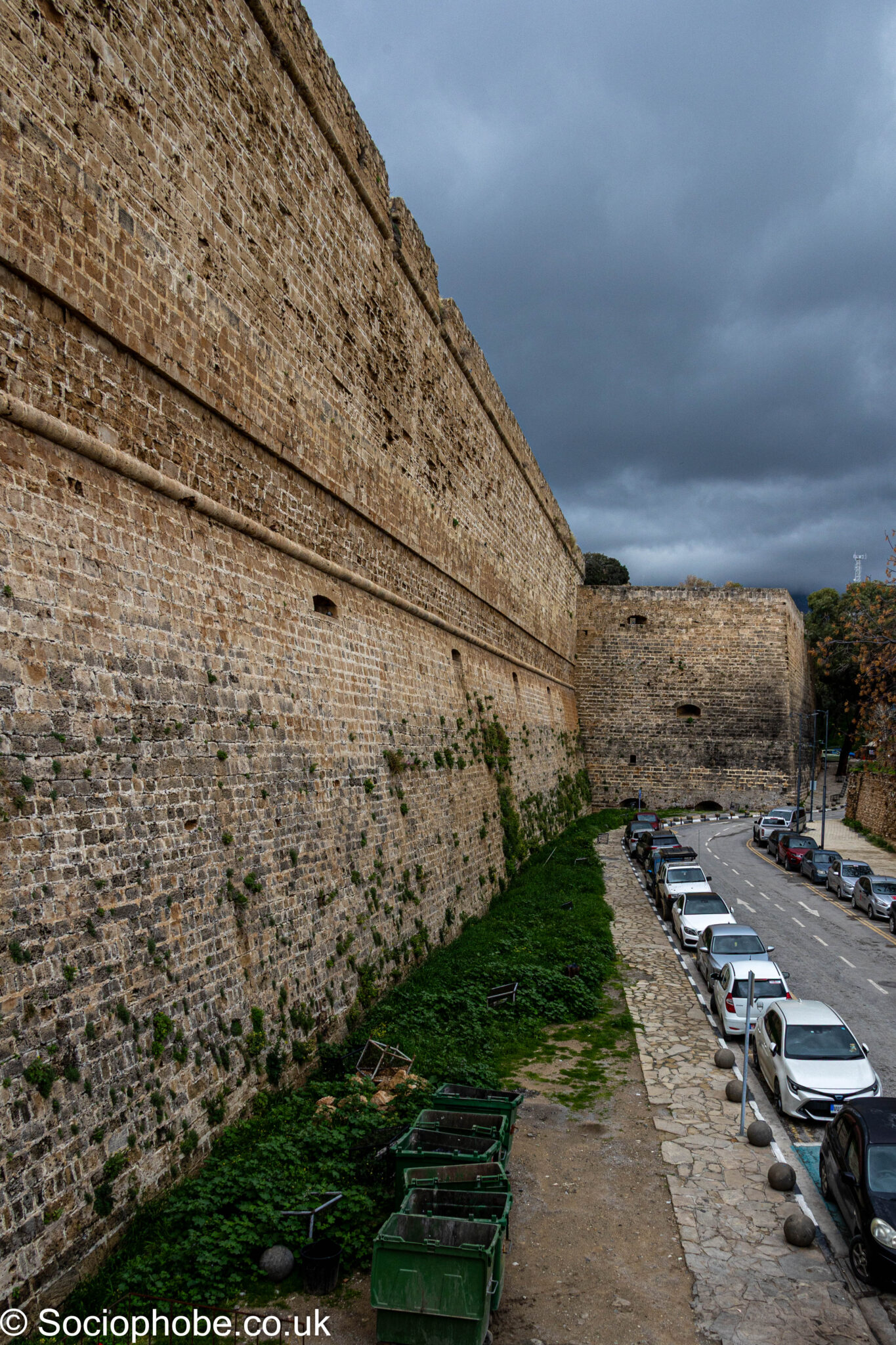
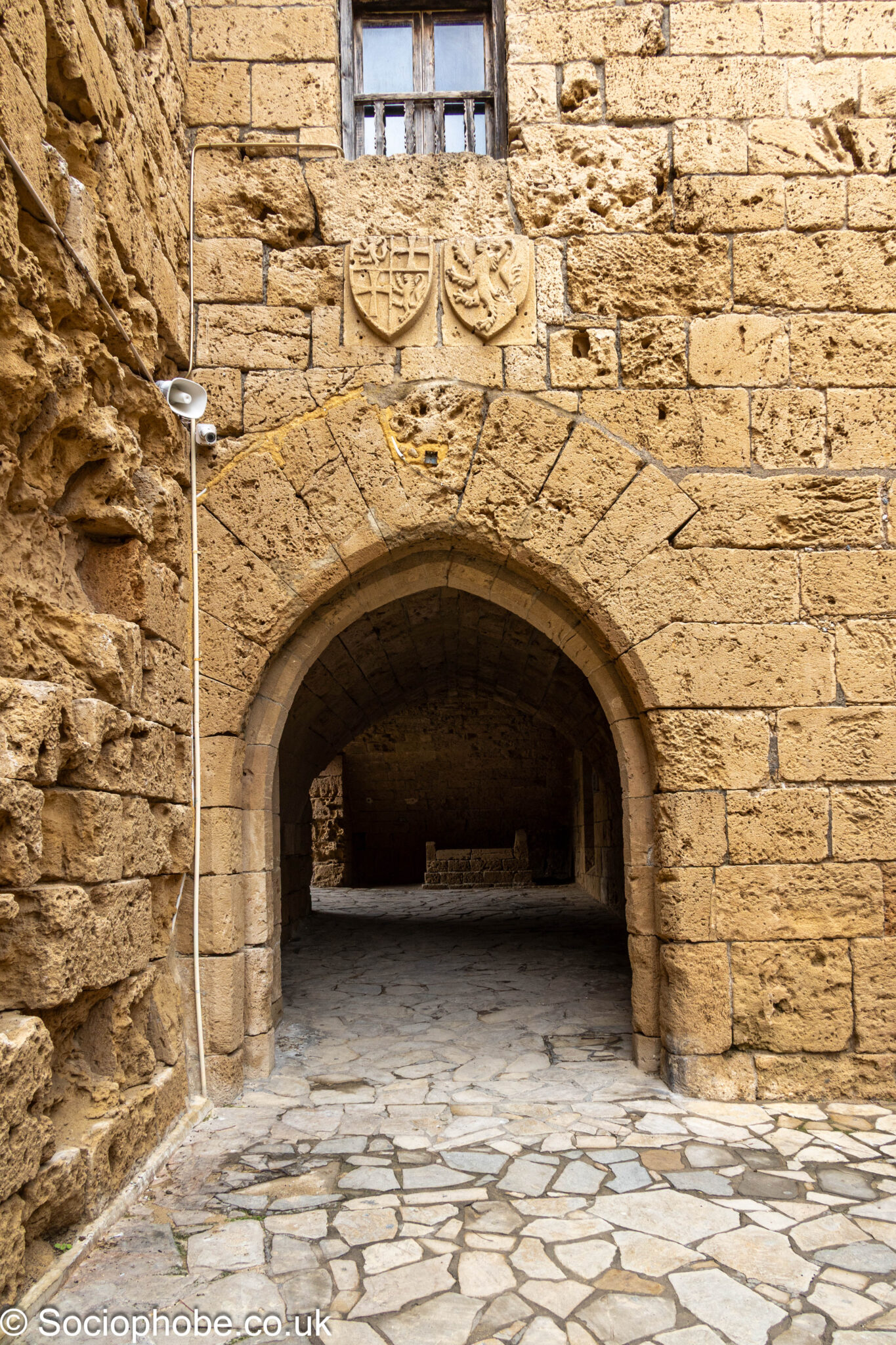
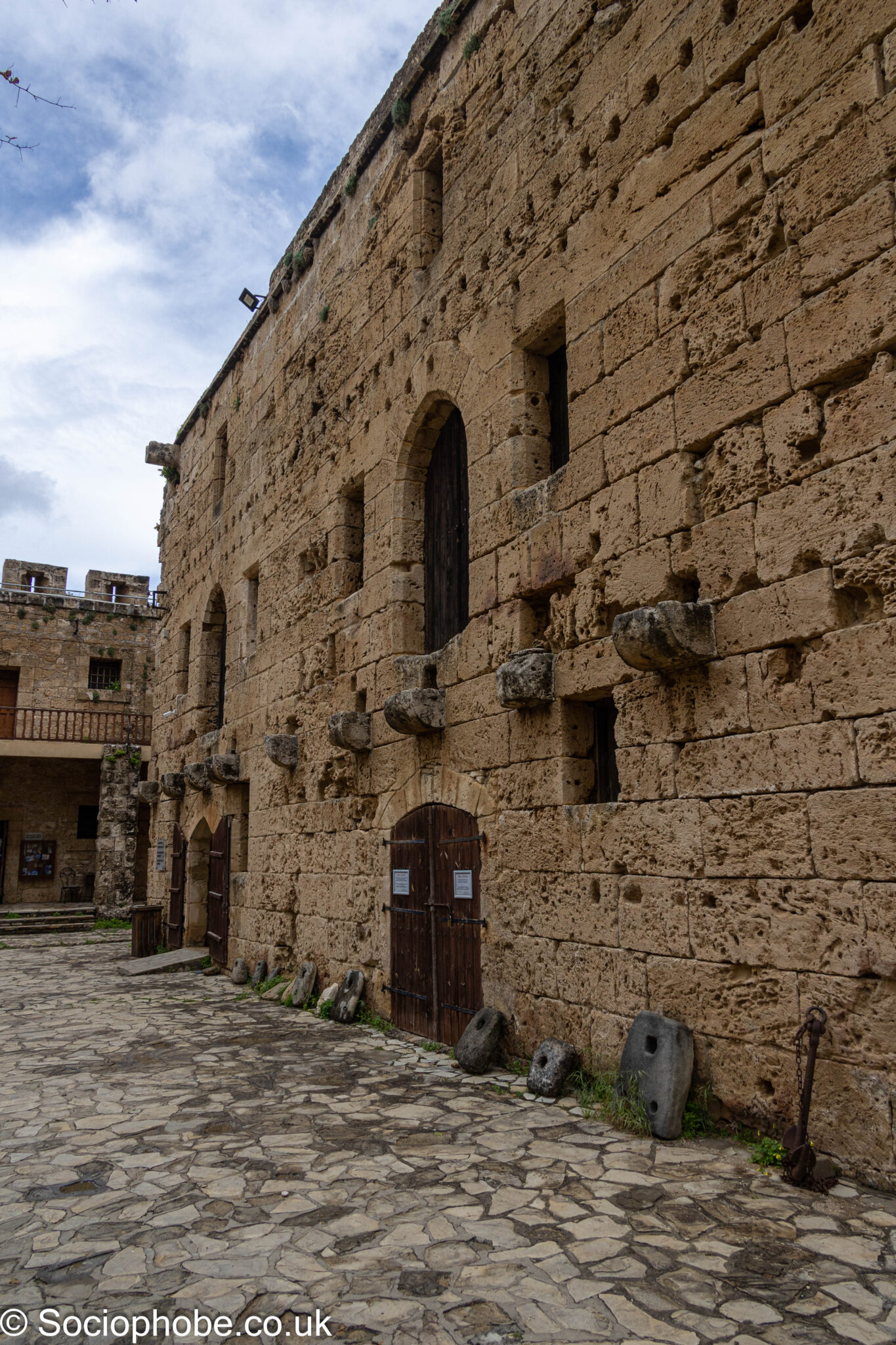
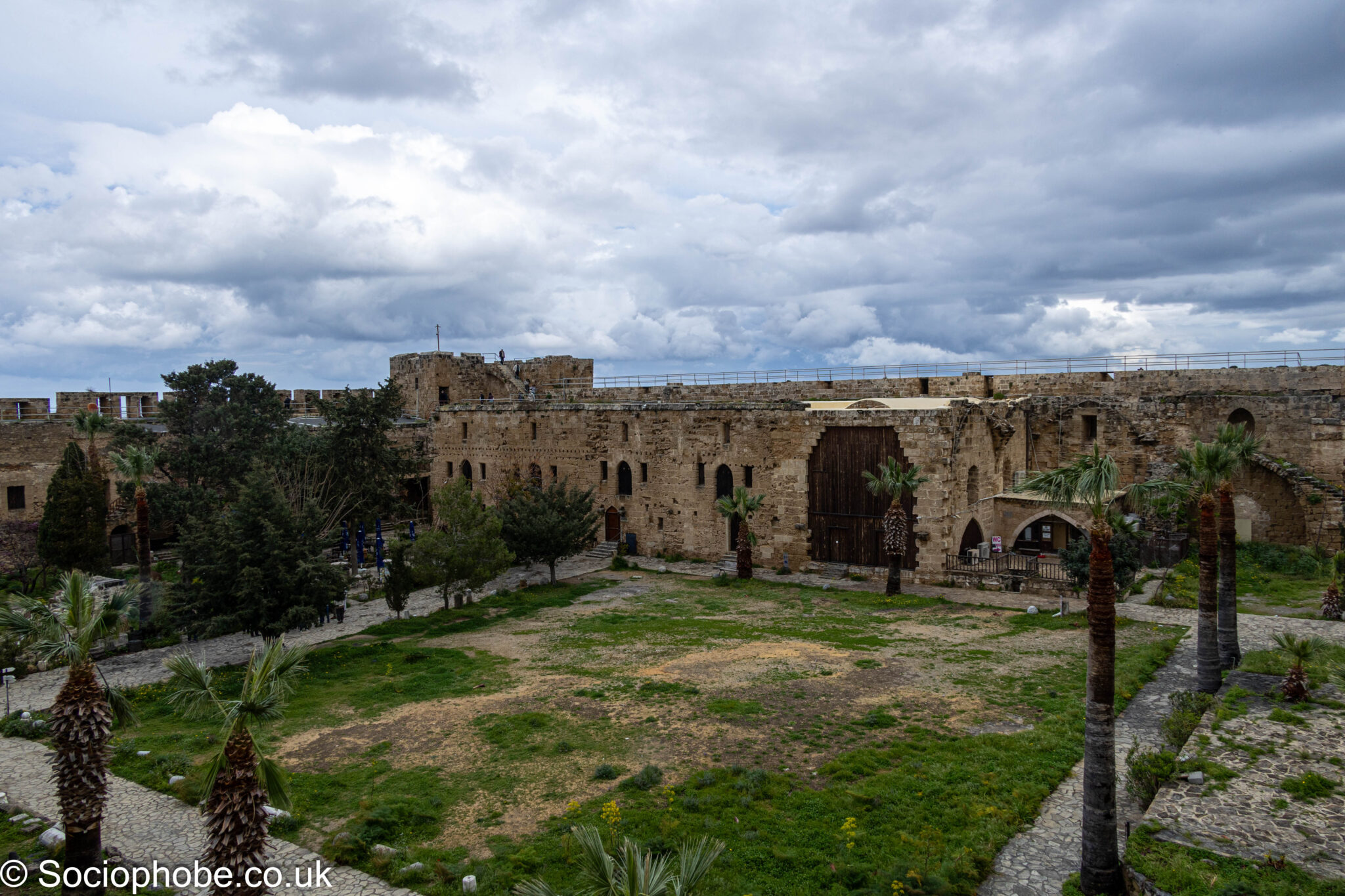
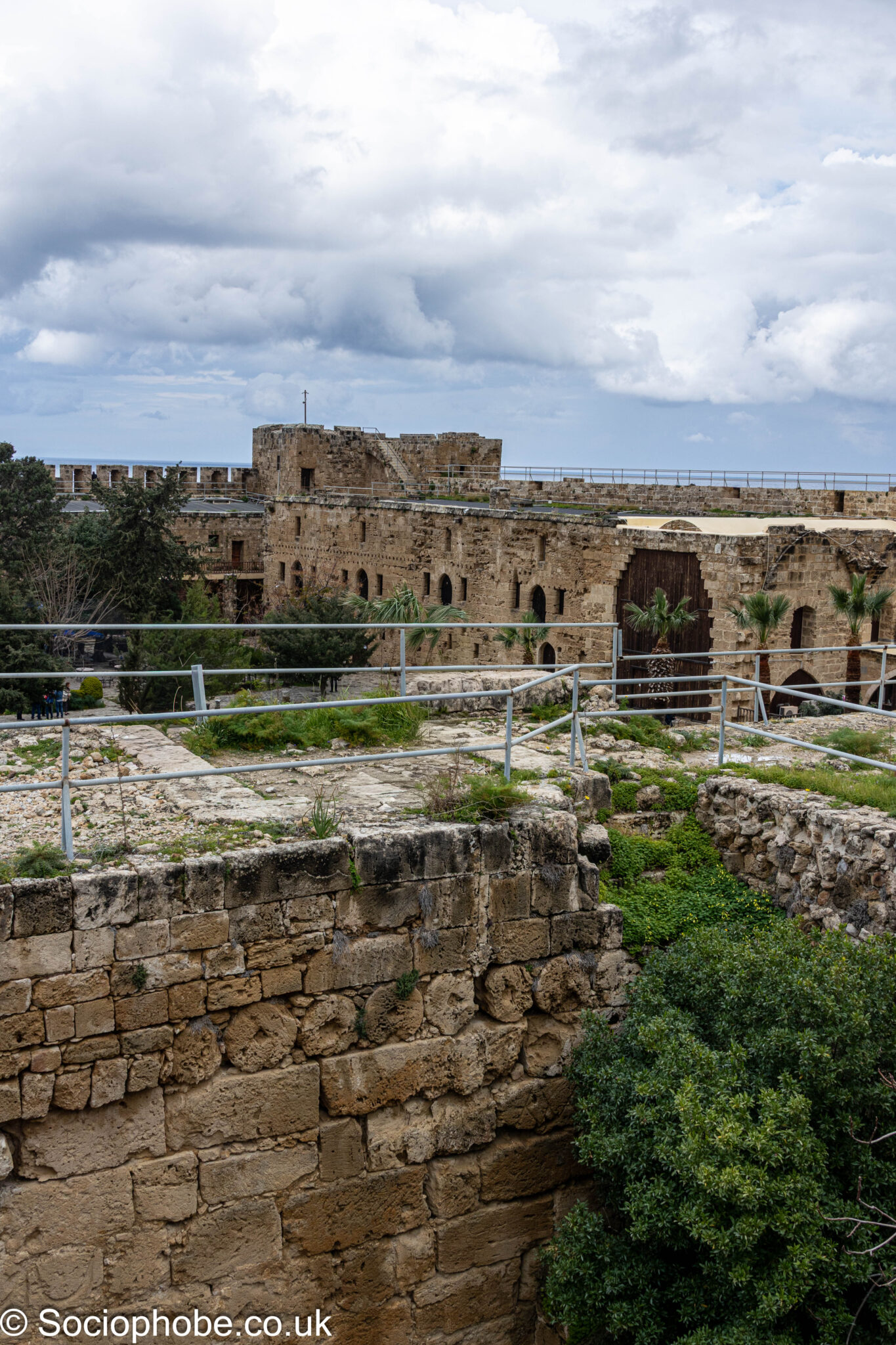
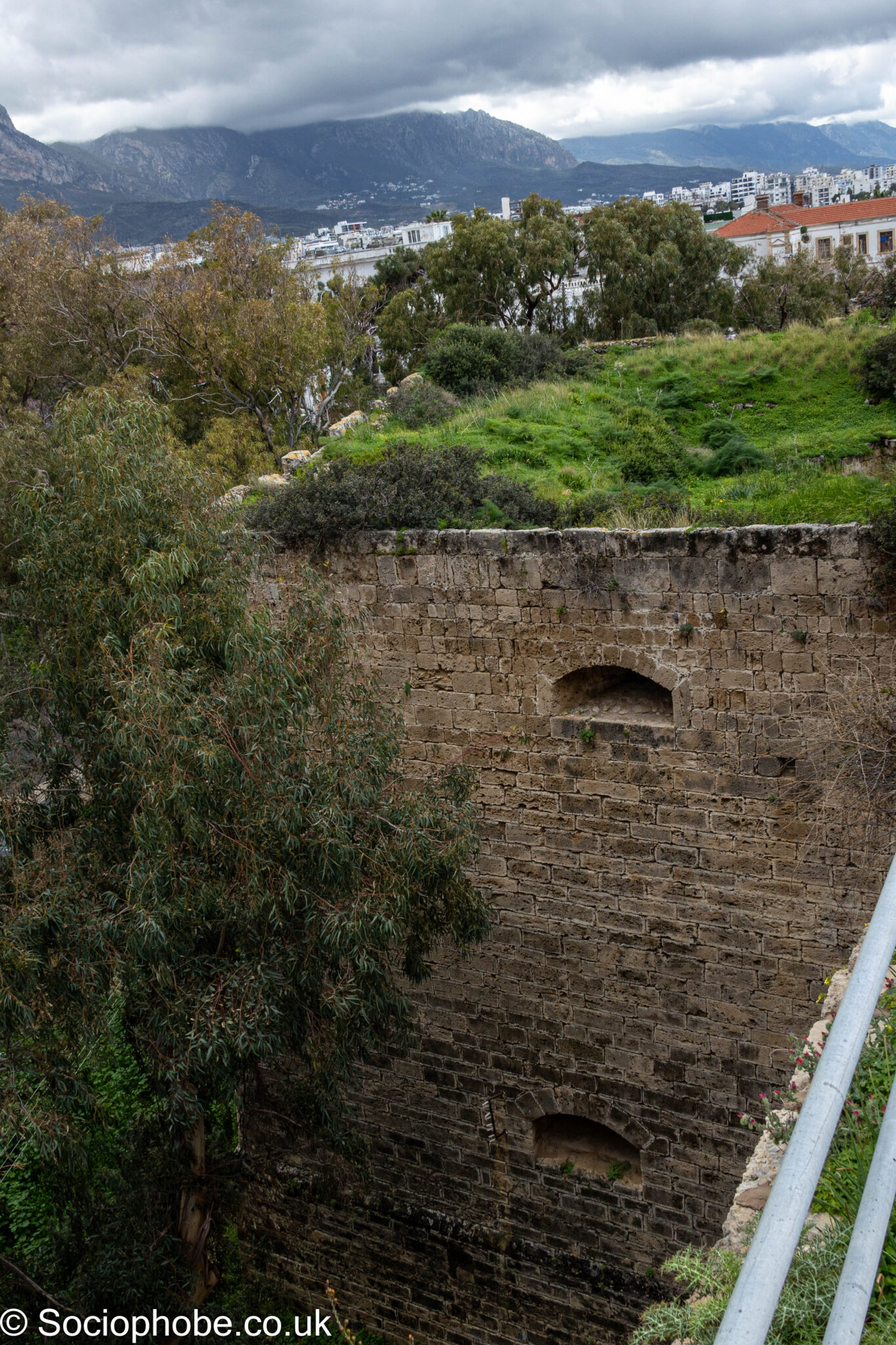
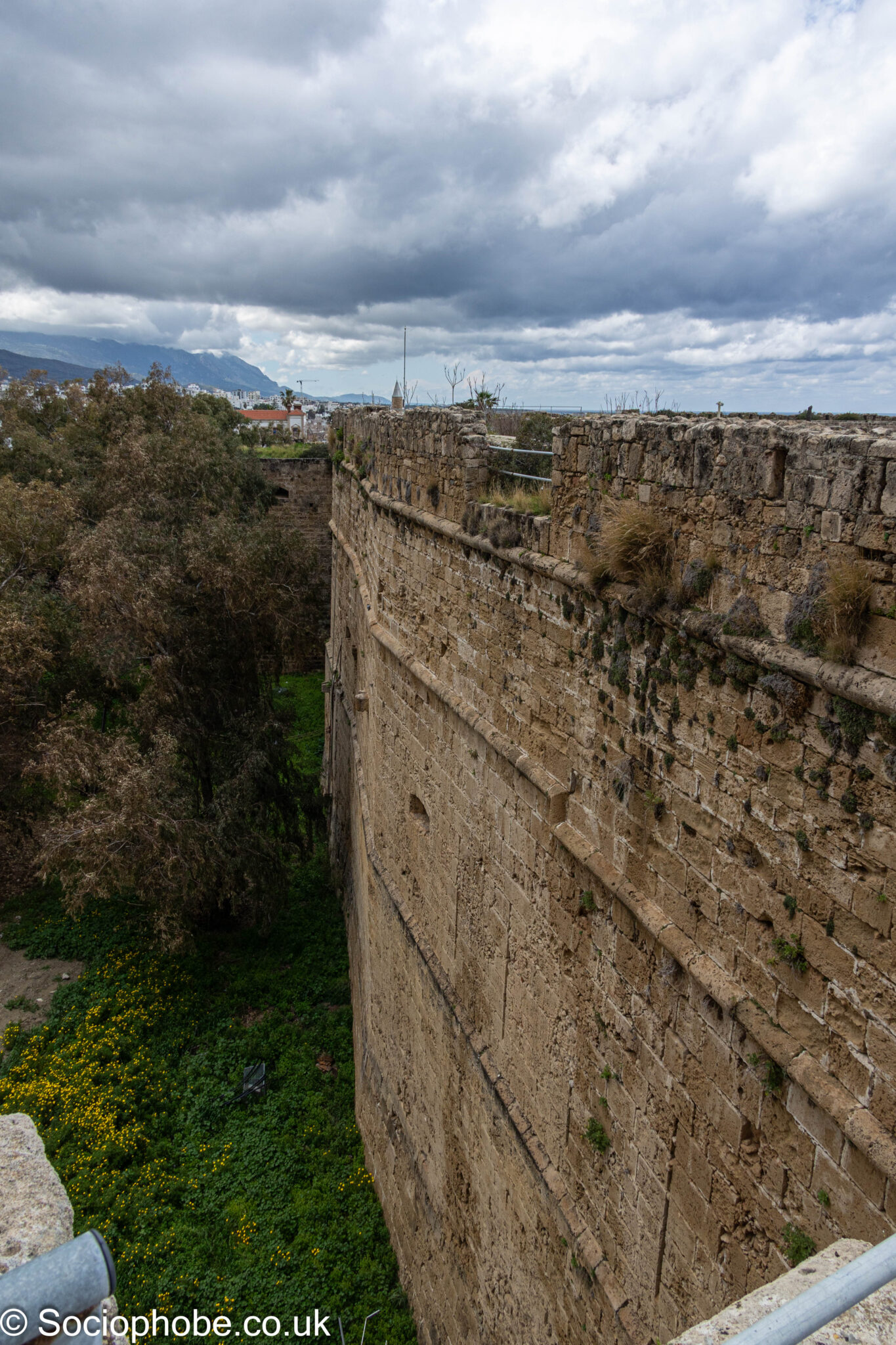
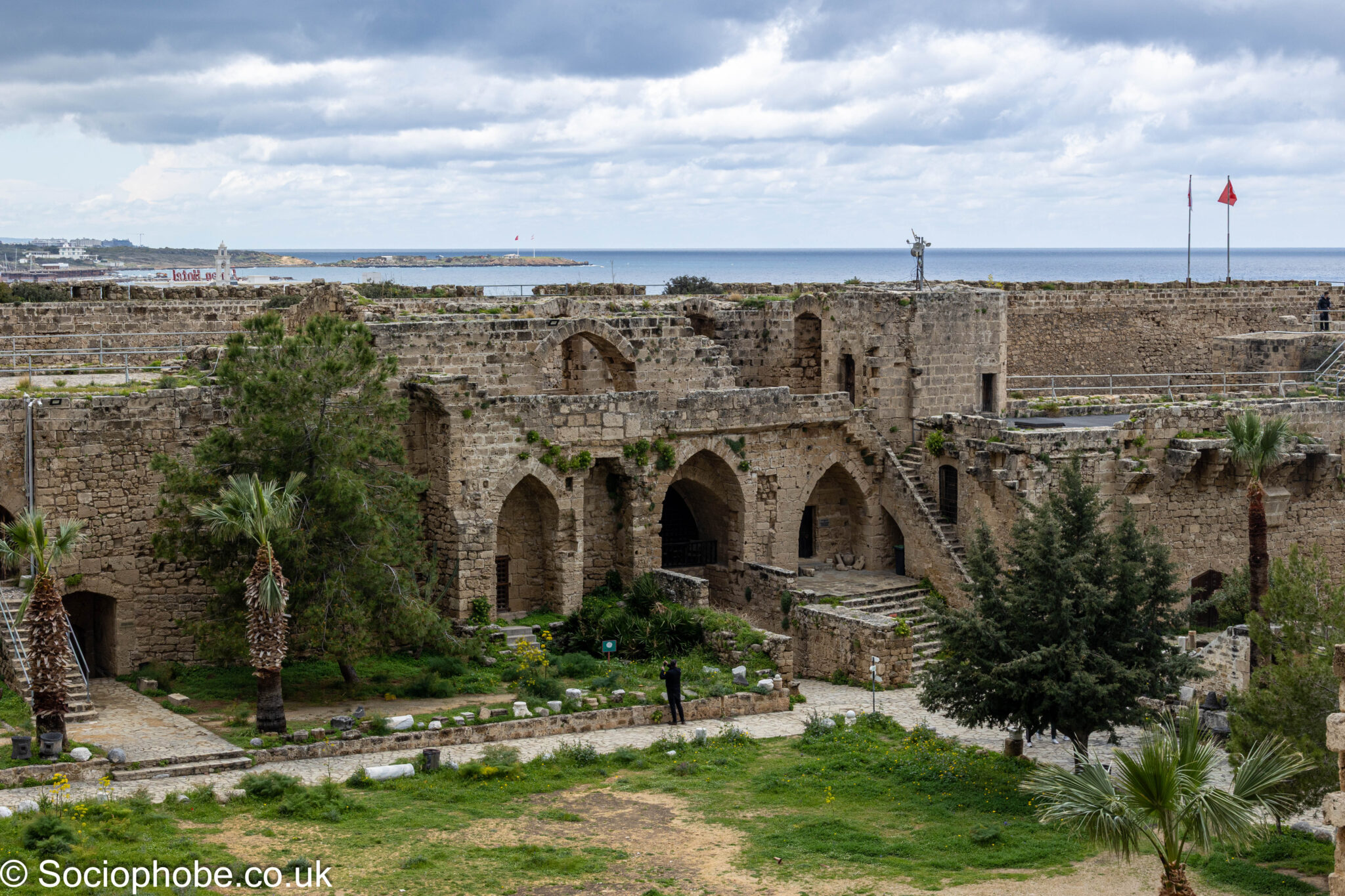
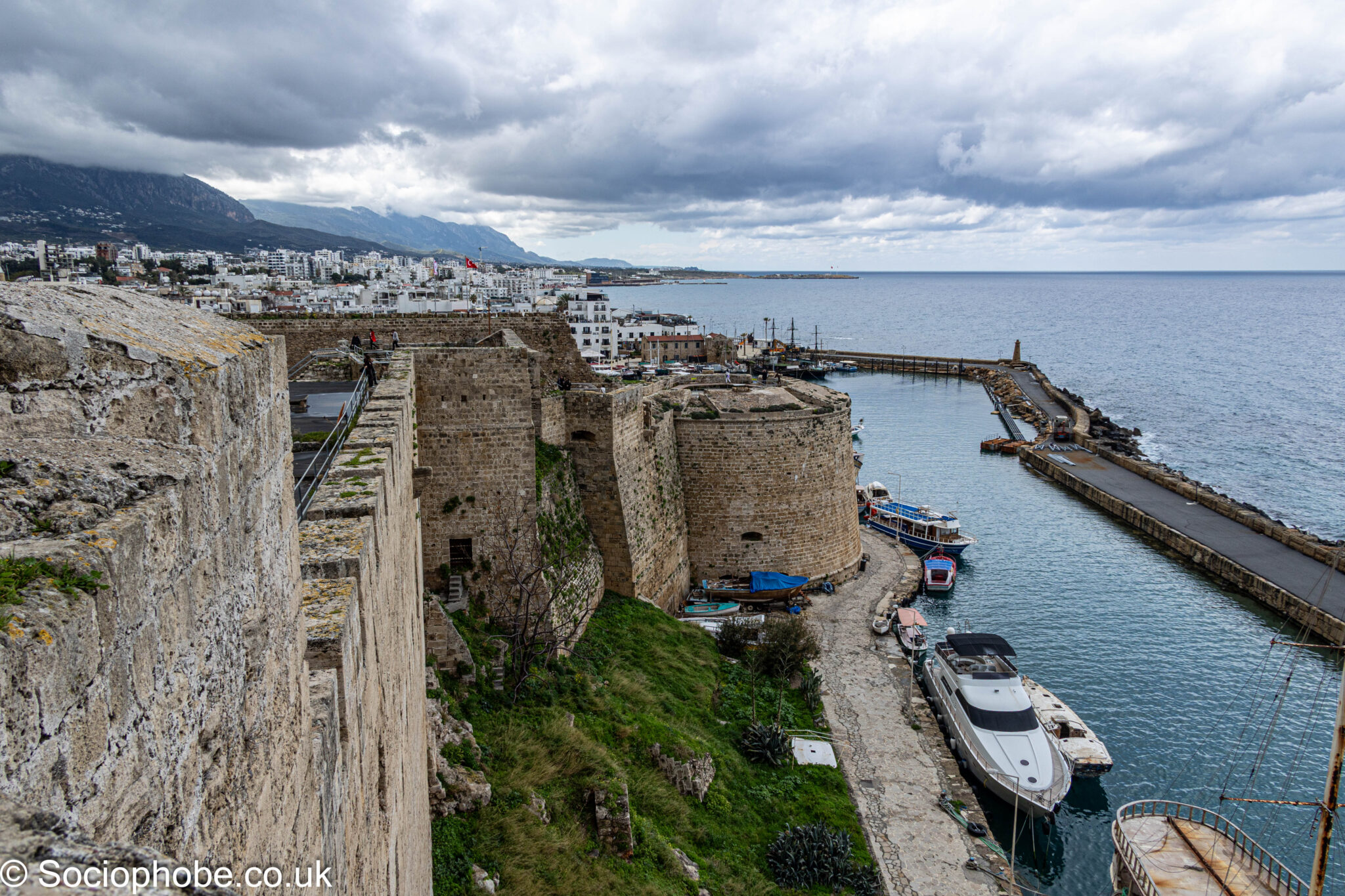
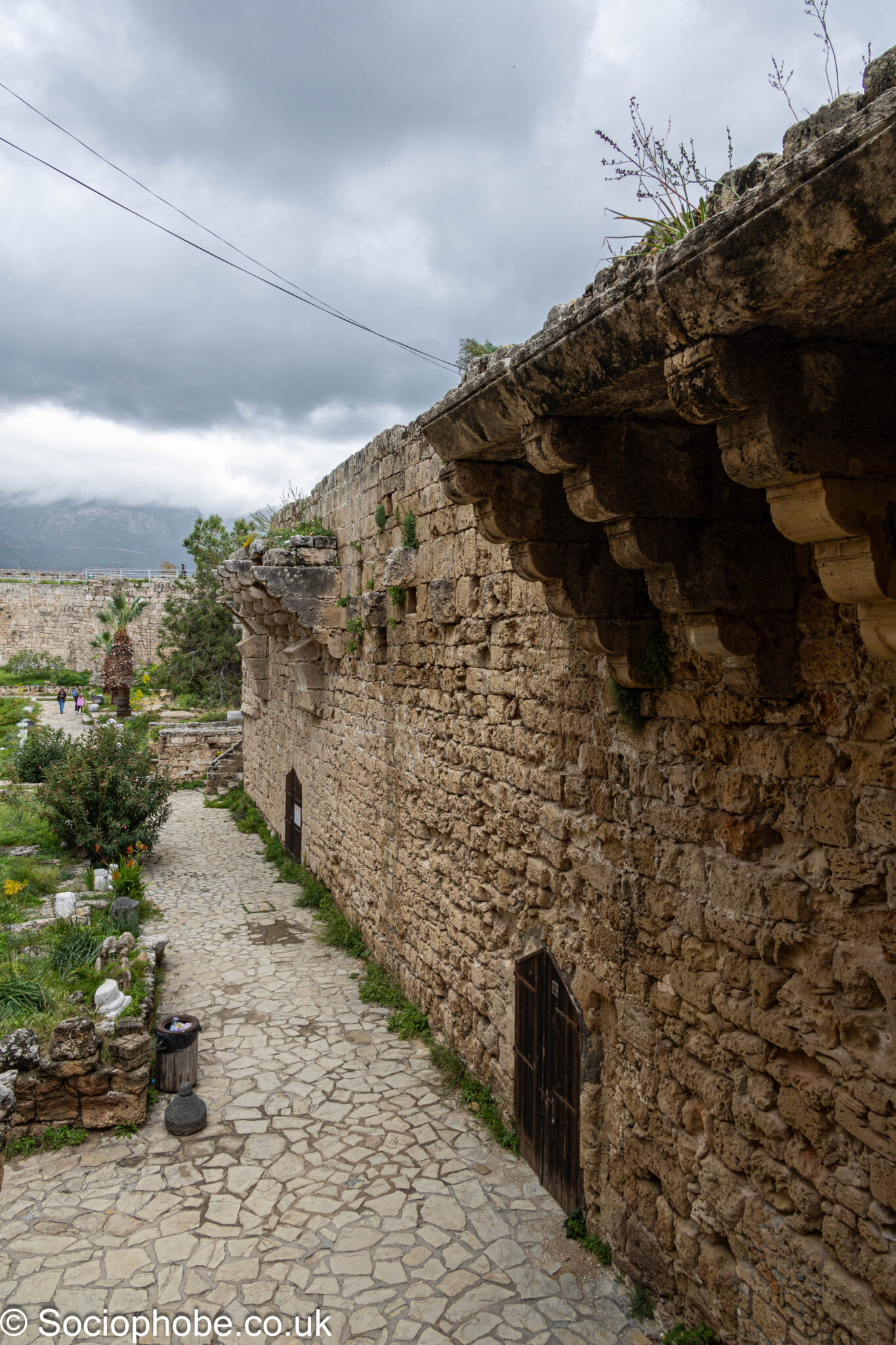
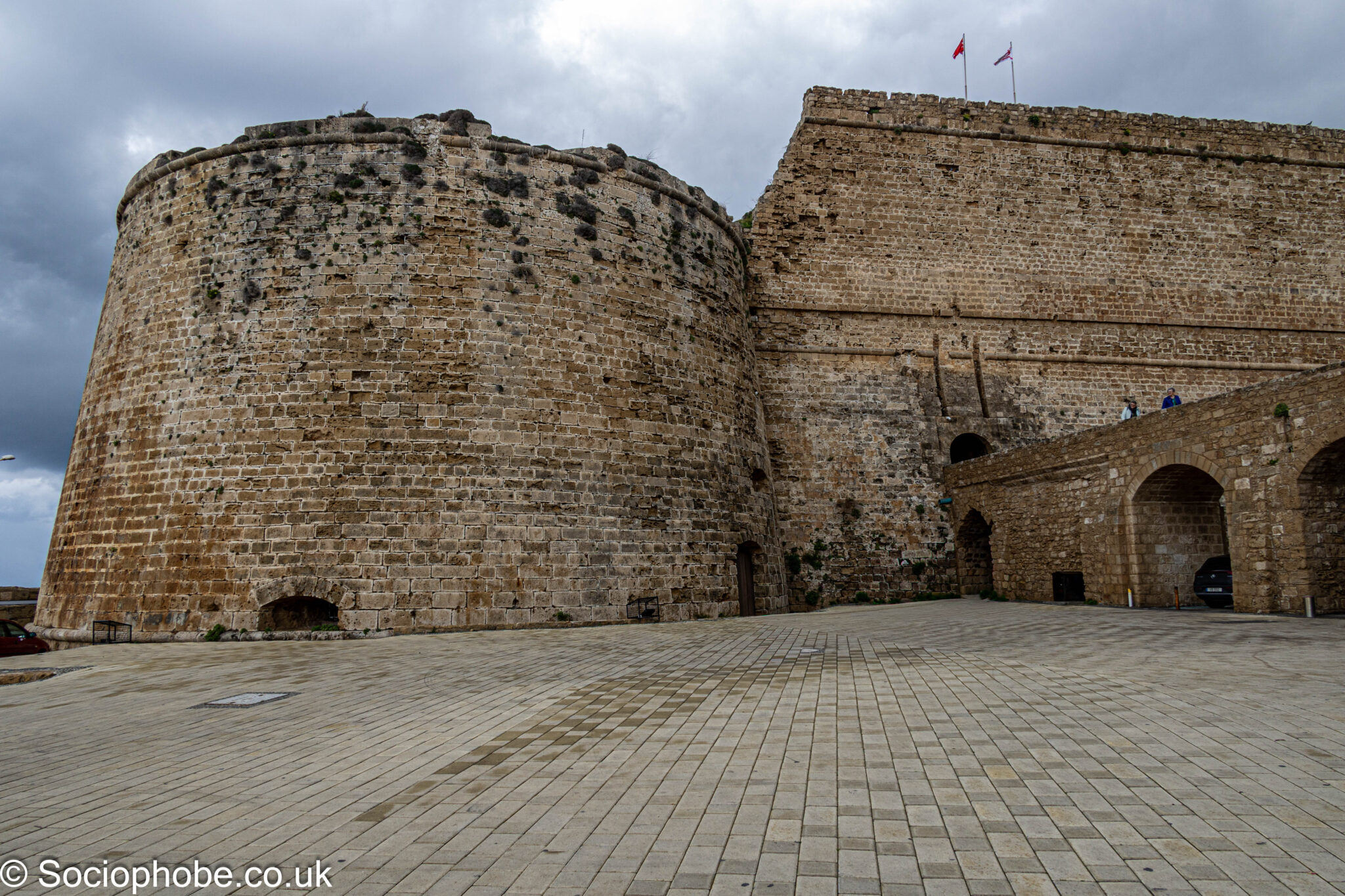
The castle itself used to be surrounded by a wet moat and has a long vaulted corridor leading in to the courtyard. The castle occupies a large area right next to the harbour and was originally a Byzantine fortification before being improved and enlarged by the Lusignans and then significantly expanded by the Venetians. The garrison surrendered it to the Ottomans without a shot being fired in 1570 for some reason. Until recently the inner courtyard was used to hold concerts but there is now a purpose built venue.
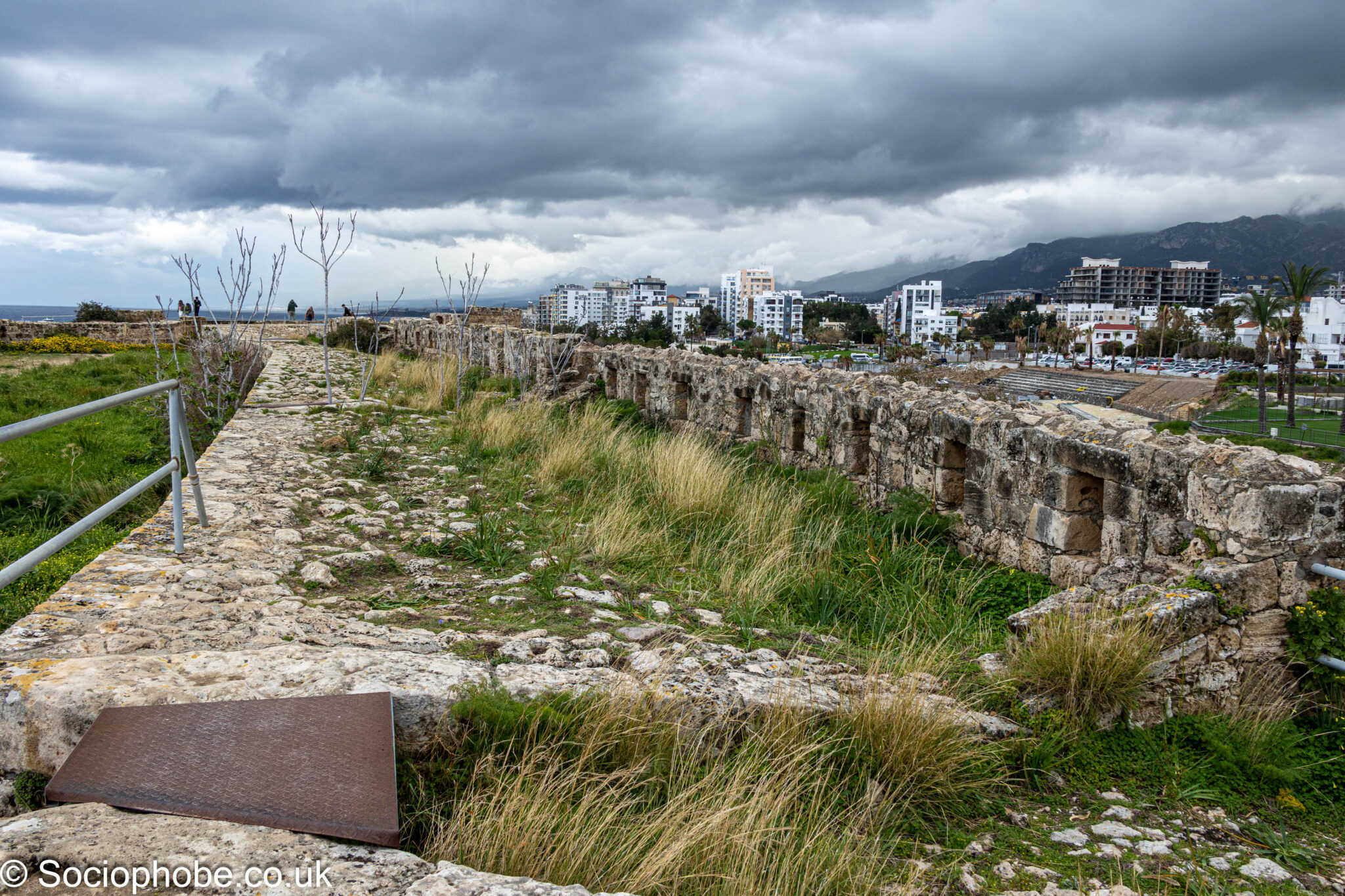
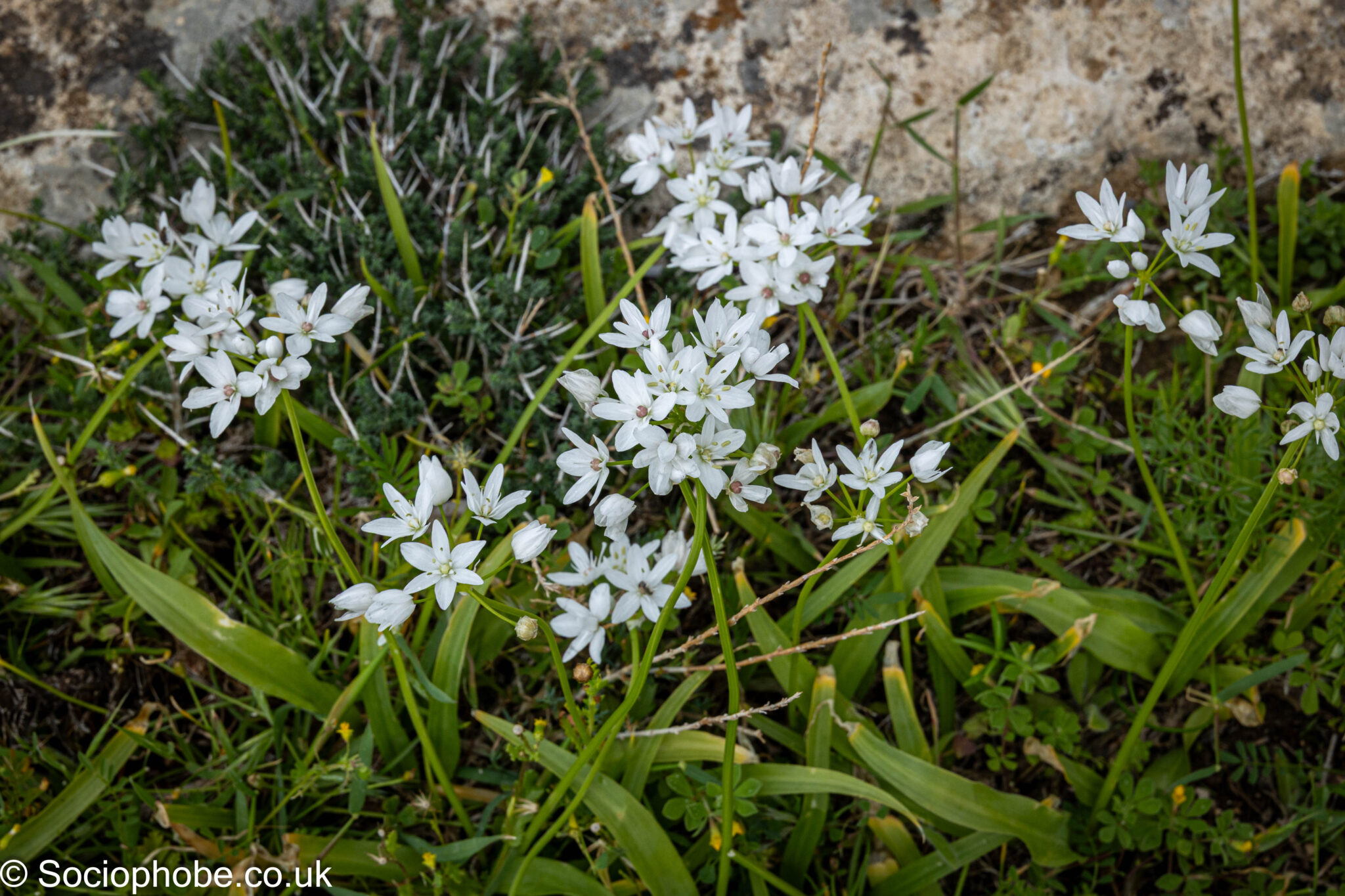
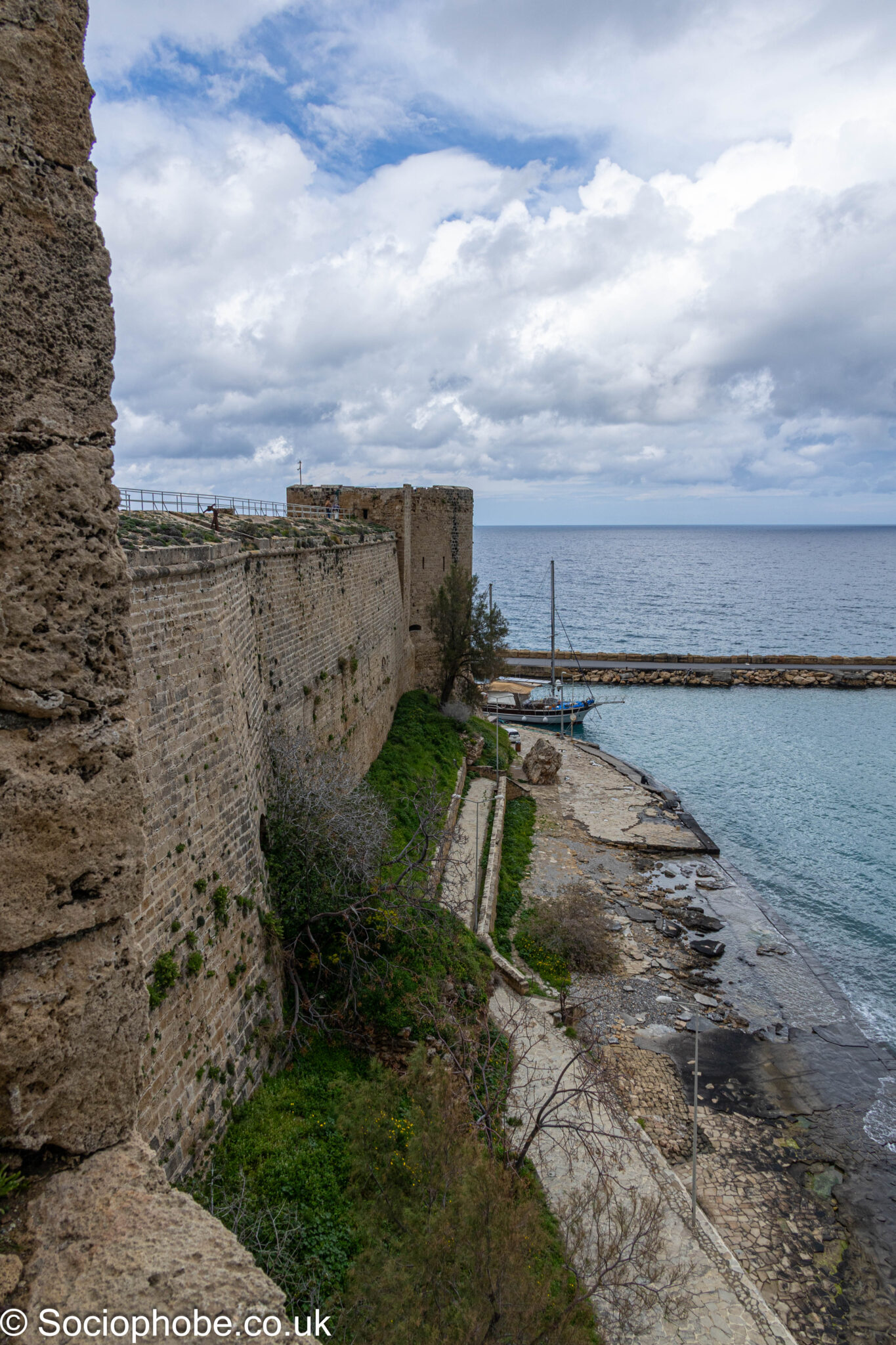
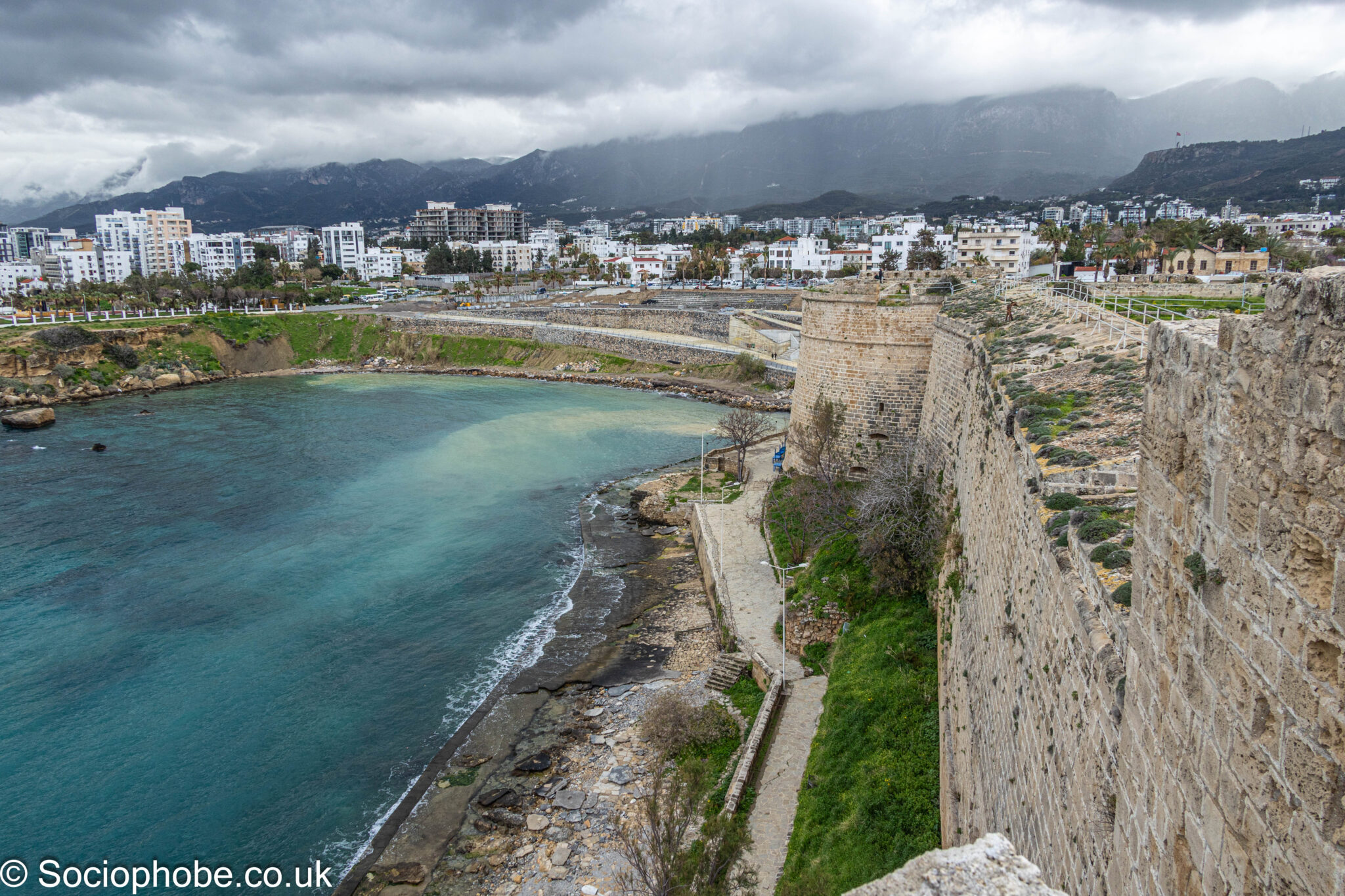
Deb and I walked along the walls which gave a better impression of the size and strength of the castle and also views of the cloud shrouded peak of St Hilarion castle. There was a variety of wildflowers growing throughout the castle and also lots of friendly stray dogs. We descended the steps, met Sedat and left the castle to visit the harbour.
Kyrenia Castle Photo Gallery






History
Research carried out at the site suggests that the Byzantines built the original castle in the 7th century to guard the city against the new Arab maritime threat. The first historical reference to the castle occurs in 1191, when King Richard I of England captured it on his way to the Third Crusade by defeating Isaac Komnenos, an upstart local governor who had proclaimed himself emperor.
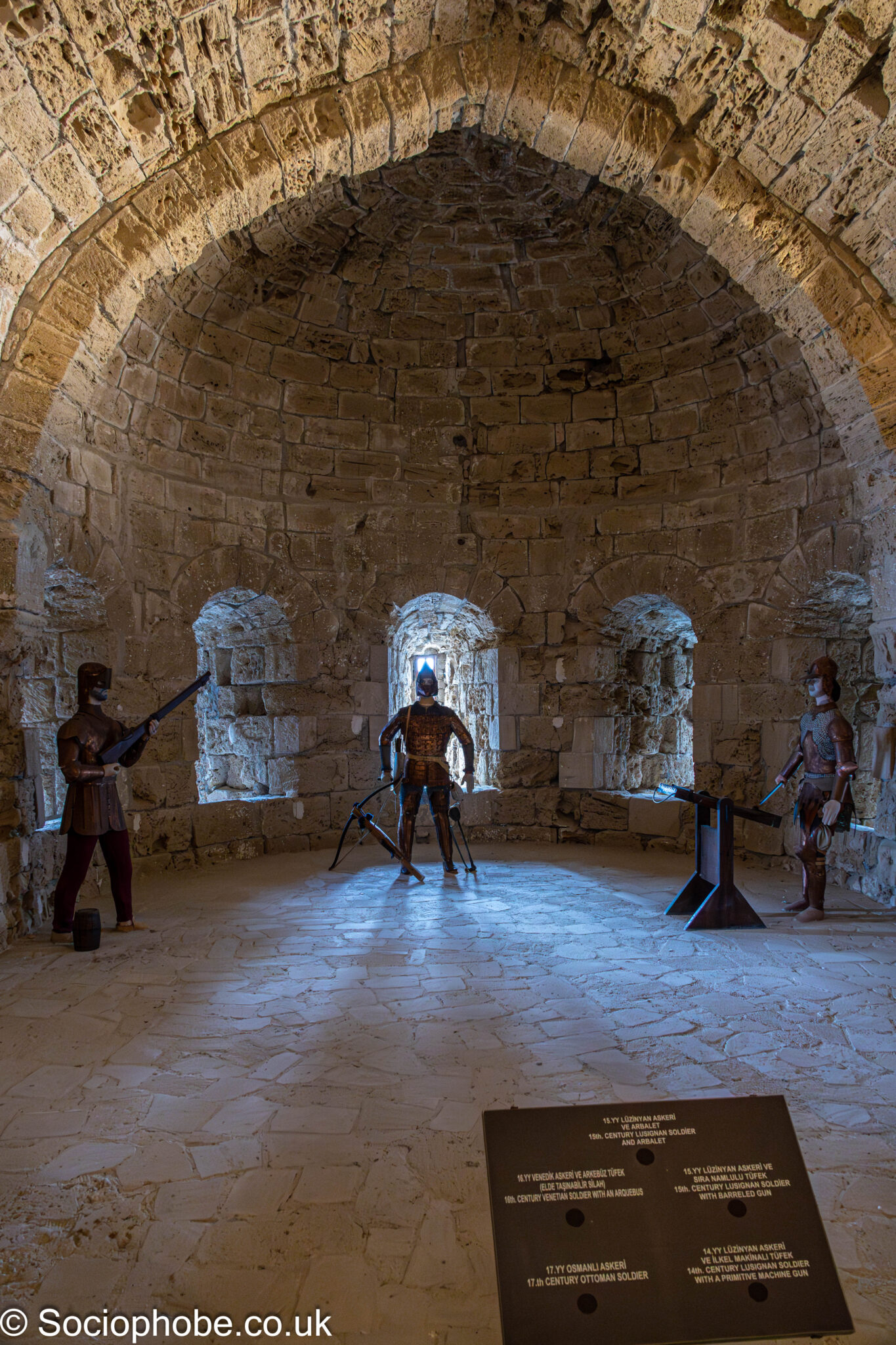
After a short period, Richard I sold the island first to the Knights Templar who could not control it because of peasant revolt, and then to his cousin Guy of Lusignan, the former king of Jerusalem. This began the 300 years Lusignan rule over the Kingdom of Cyprus (1192–1489). Initially the castle was quite small. John of Ibelin enlarged it between 1208 and 1211. The castle’s main function was military and the improvements consisted of a new entrance, square and horseshoe-shaped towers, embrasures for archers, and dungeons.
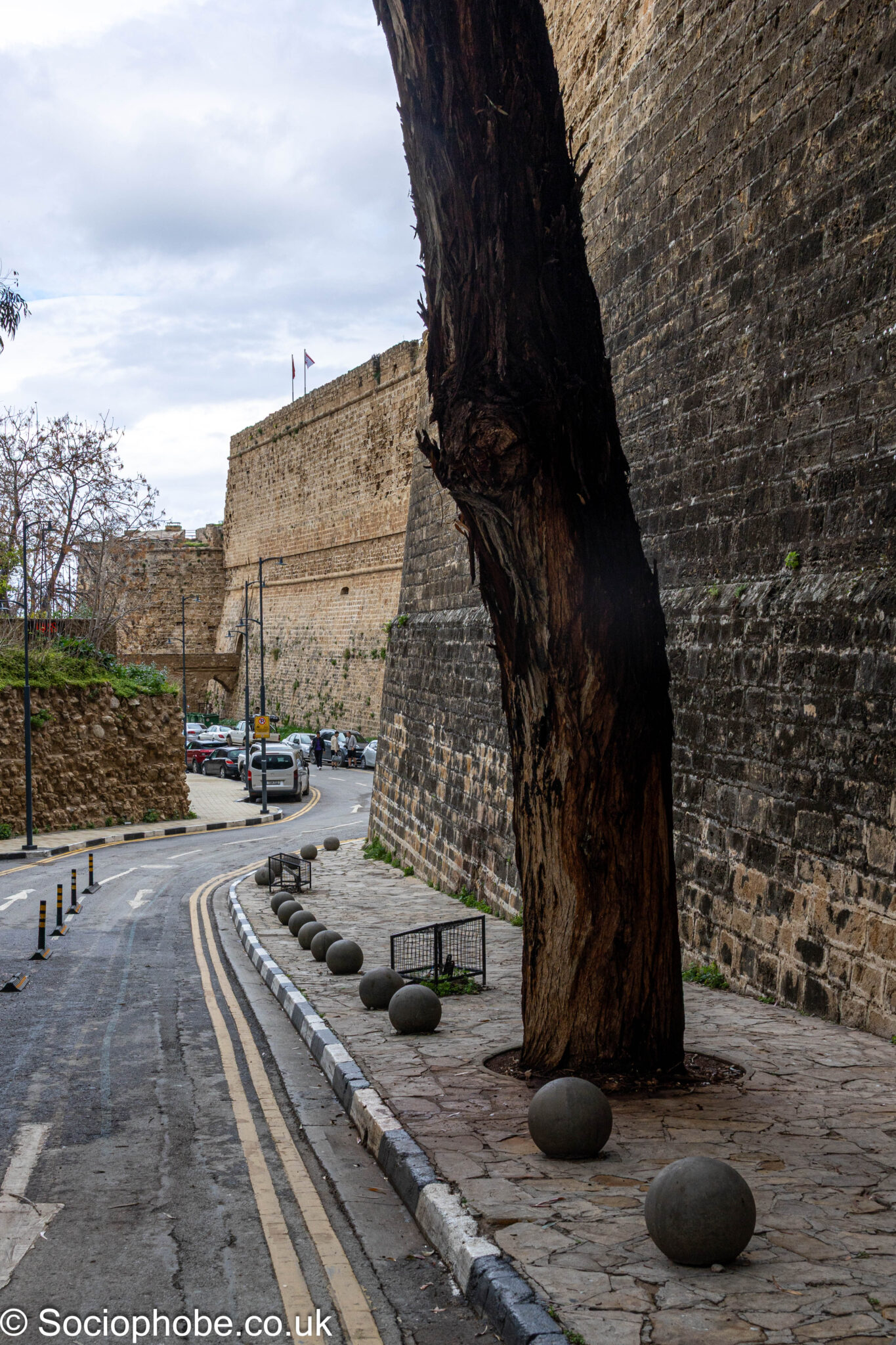
The castle was subjected to several sieges. A Genoese attack in 1373 almost destroyed it, and the longest amongst the sieges, in the 15th century, lasted nearly four years and reduced the occupants to eating mice and rats. By 1489 the Venetians had taken control of Cyprus and in 1540 they enlarged the castle, giving it its present-day appearance. The chief changes, such as the addition of thick walls and embrasures for cannons, were adaptations to changes in warfare in the form of gunpowder artillery. The Venetians also installed gun ports at three levels so that they could direct cannon fire against attackers from the land. Inside the castle, they built huge long ramps so as to be able to drag artillery up on the walls. When the work on the castle was finished, its walls also encompassed the small church of St. George, which the Byzantines may have built in the 11th or 12th century.
In 1570, Kyrenia surrendered to the Ottomans. The Ottomans made changes to the castle, but the British removed these during their rule of Cyprus. The castle contains the tomb of the Ottoman Admiral Sadik Pasha. The British used the castle as a police barracks and training school. They also used the castle as a prison for members of the Greek Cypriot EOKA organization.
The Kyrenia Department of Antiquities took over custodianship of the castle in 1950, though it reverted to British control during the EOKA turmoil. The department regained control in 1959 and since 1960 the castle has been open to the public. However, from 1963 to 1967 the Cypriot National Guard used the castle as a military headquarters. Following the Turkish invasion of Cyprus in 1974, the Girne Department of Antiquities and Museums took over responsibility for the castle’s preservation and use. The Department keeps icons that were collected from churches in the Kyrenia area pre-1974 and has stored them in the castle’s locked rooms for safekeeping. Some of these are now on display in the Archangel Michael Church.
References
There is a nice overview of the castle on the Visit North Cyprus site here.
The Wiki page here has more information on the castle and the history above is copied from there.
That looks an amazing castle-but what a picture it has been spoilt by removing the pictures. A four year siege sounds incredible-tough times!