
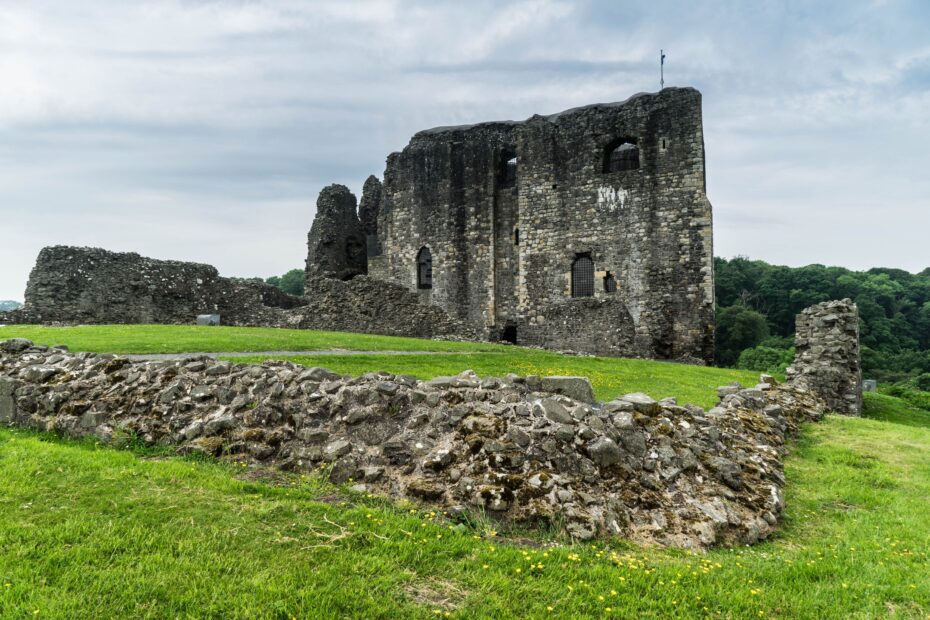
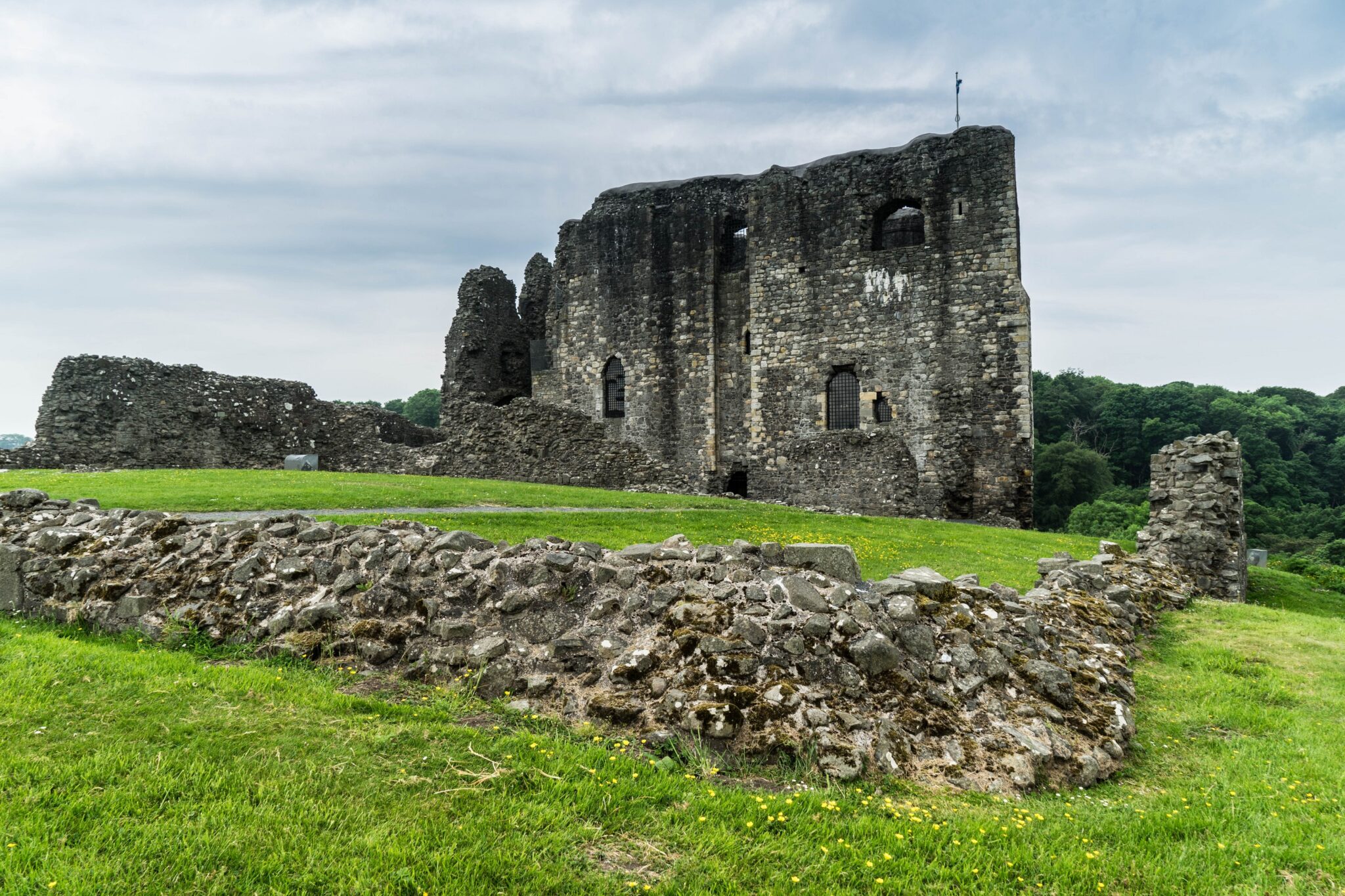
DunDonald Castle was one of those chance visits where we just spotted the sign when we were working in the area. It is a hilltop fortress on Scotland’s south west coast, built in the fourteenth century after the previous (and far more impressive incarnation) was destroyed to prevent it falling into English hands.

Visiting DunDonald Castle
DunDonald Castle is well signposted and if you are a member of Historic Scotland your visit is free. There is a visitor centre with a very small car park although most car parks are in the town itself. The cafe here is nice and the museum means there is wet weather potential too.
My Experience
We saw a sign for DunDonald Castle so just had to investigate. The castle was excellently situated and was surprisingly intact. We had a guided tour from one of the volunteers and then had a cream tea in the cafe.
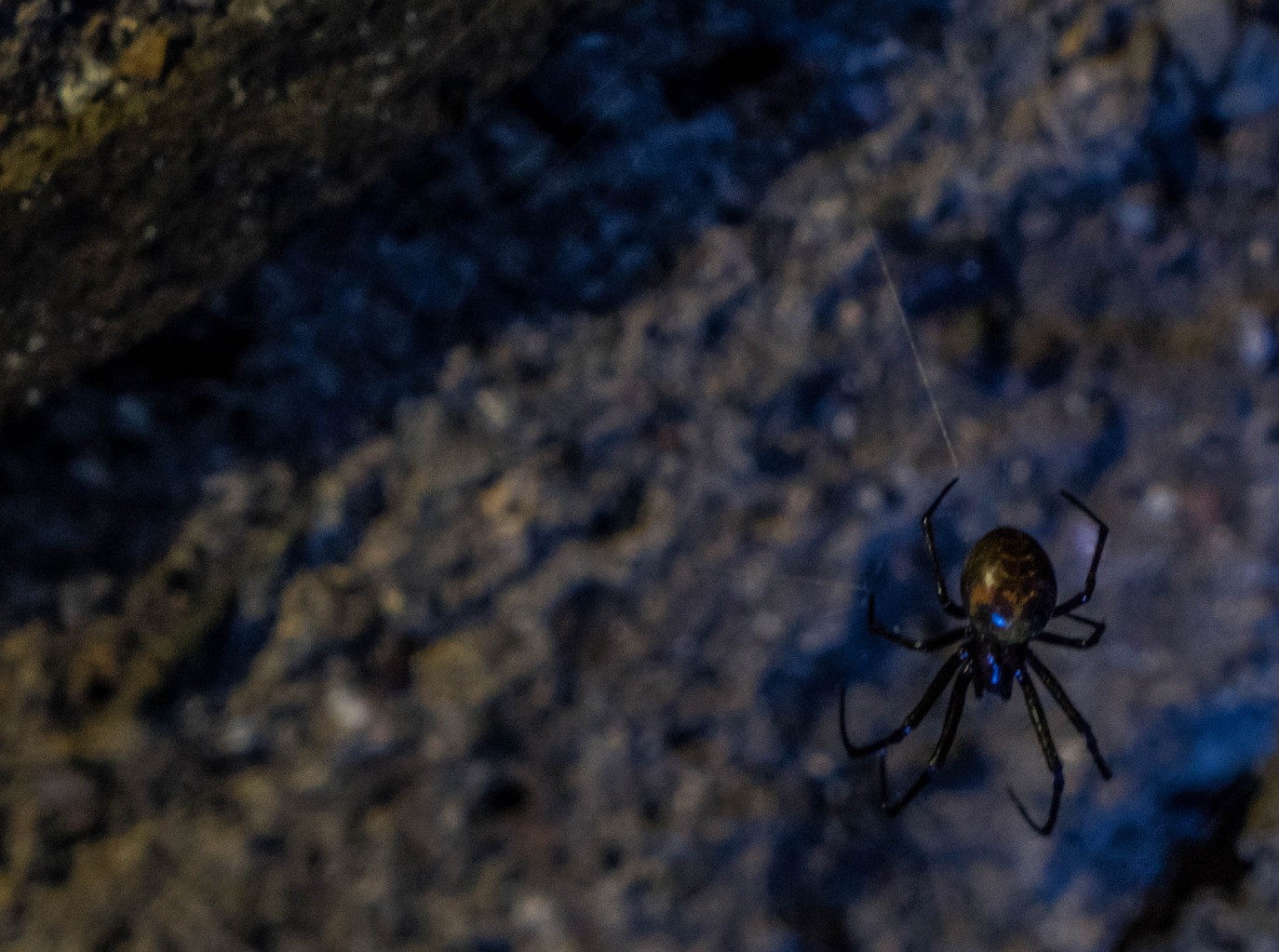
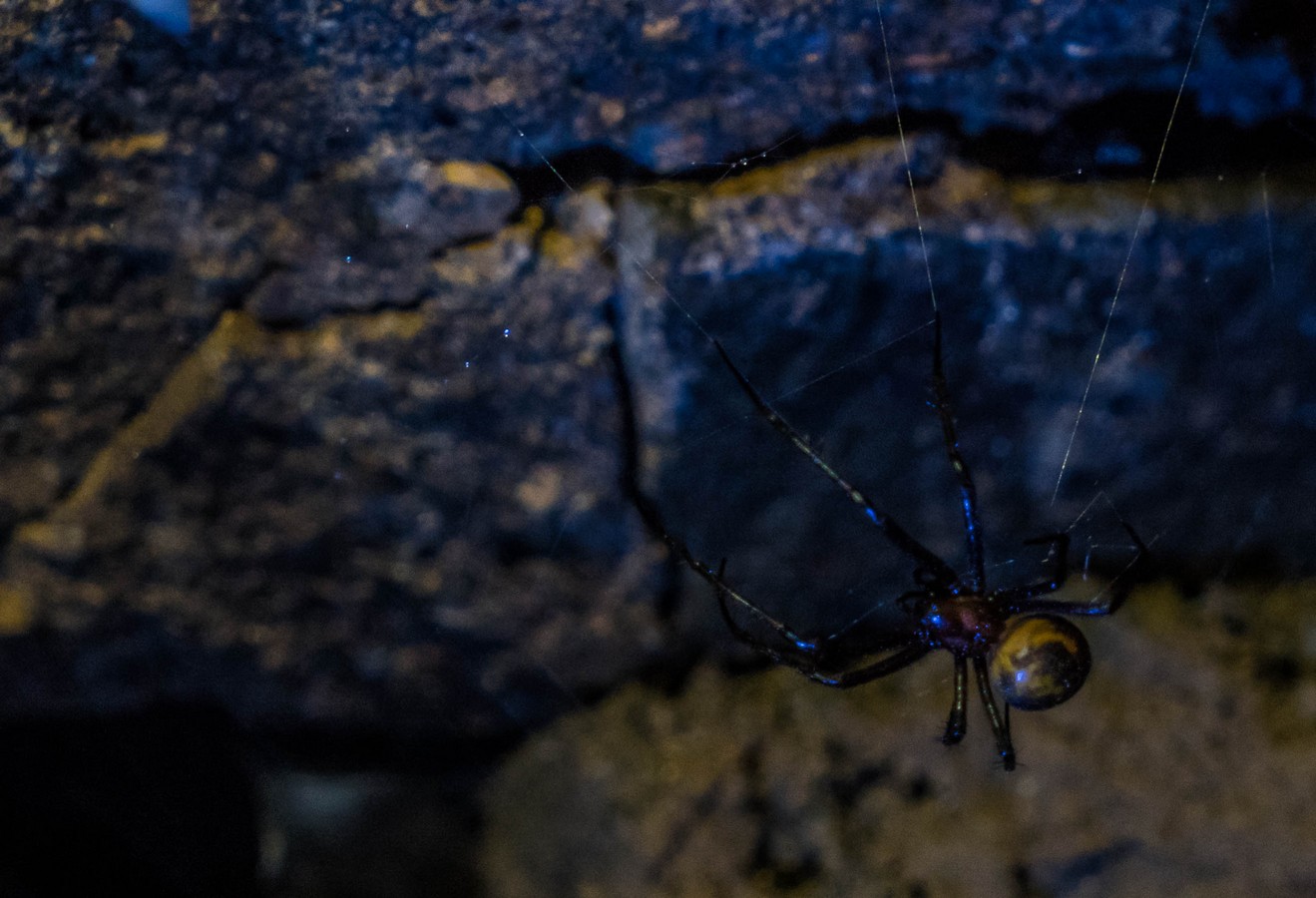
The dungeon with its collection of cave spiders was particularly interesting! There isn’t a huge amount left of the castle, just one building, but the barrel vaulted ceiling is impressive and you can actually climb on to the roof too.
The Visitors Centre was a very good museum and educational resource that does lots of work with school classes.
DunDonald Castle Photo Gallery
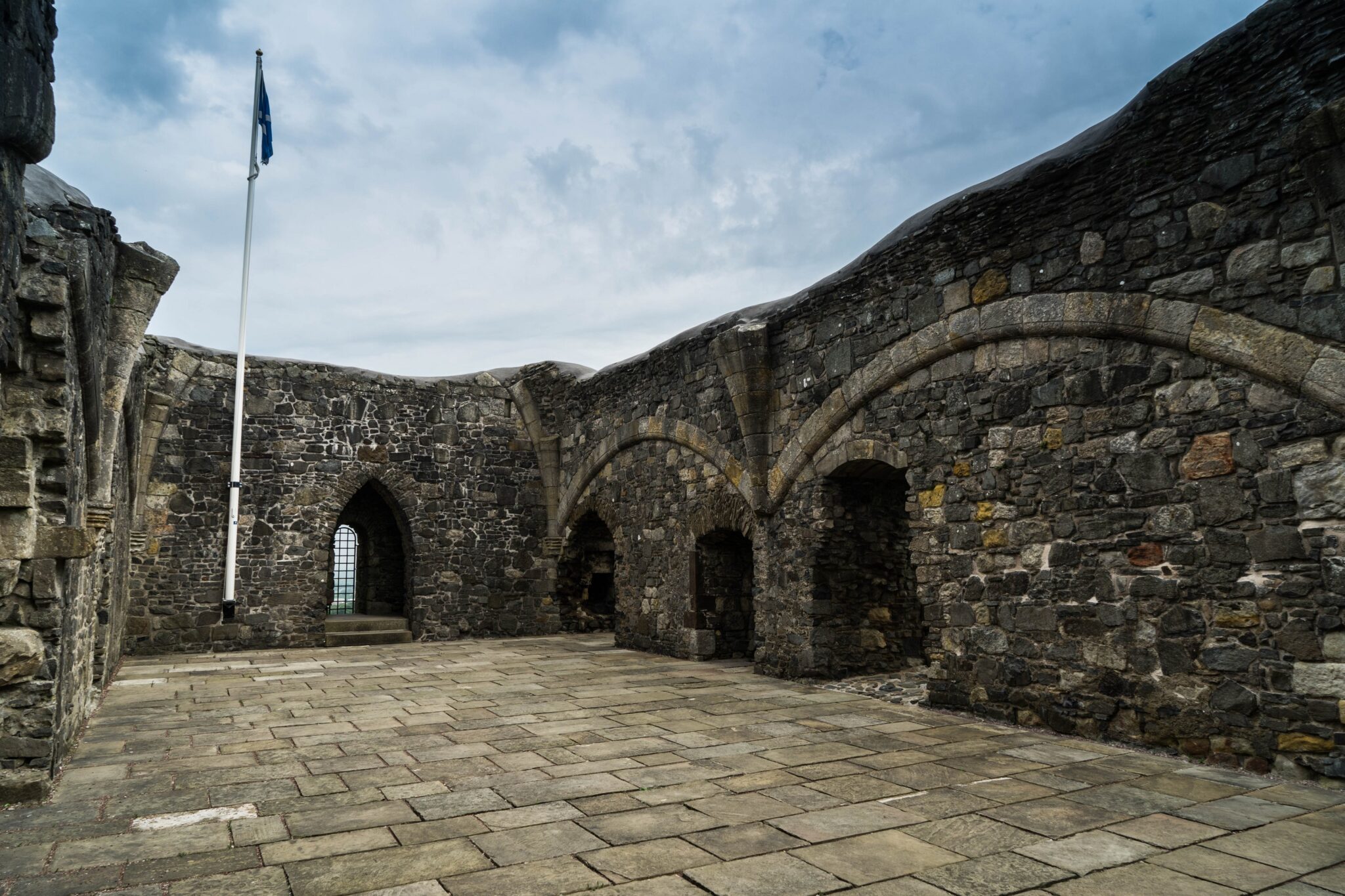

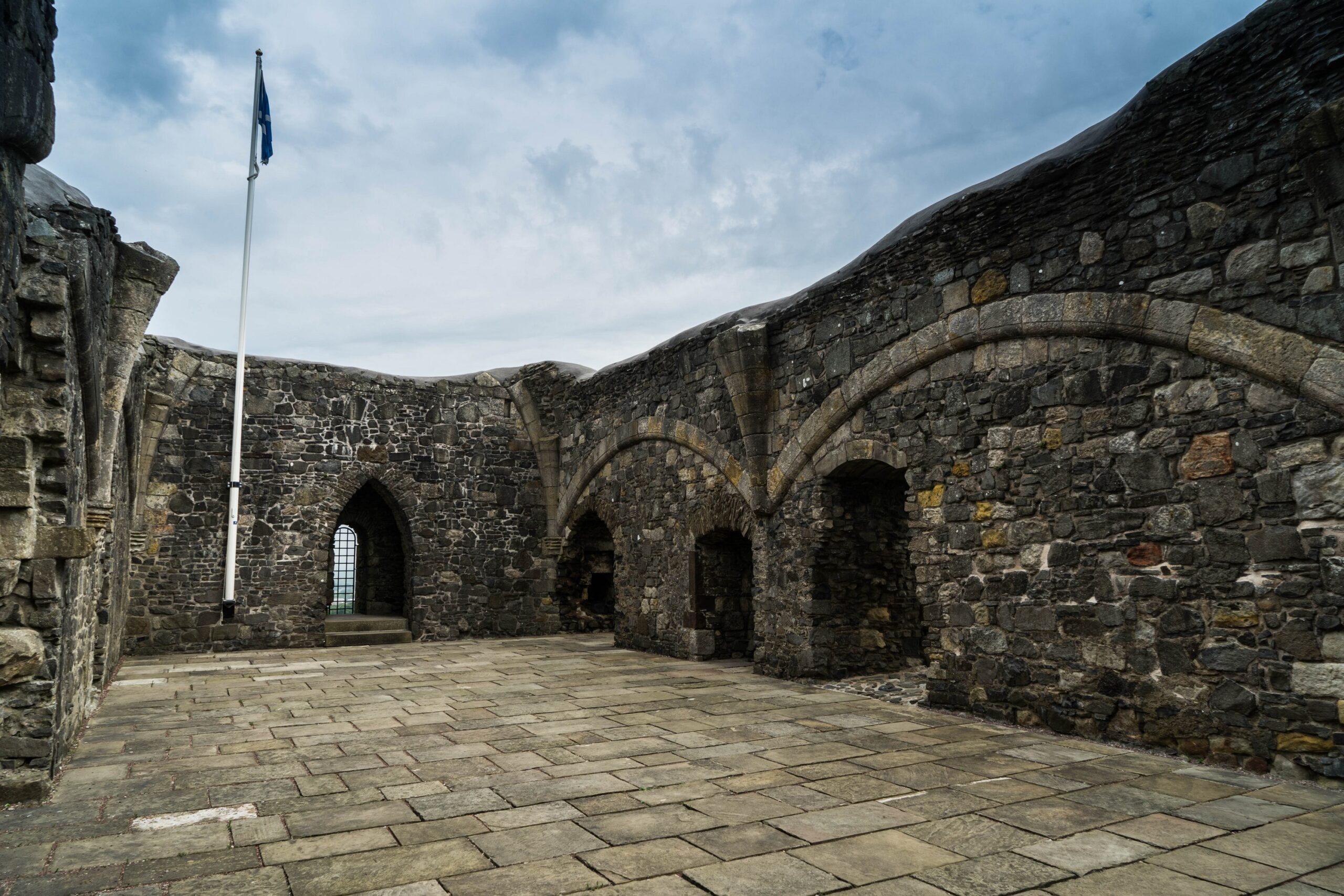
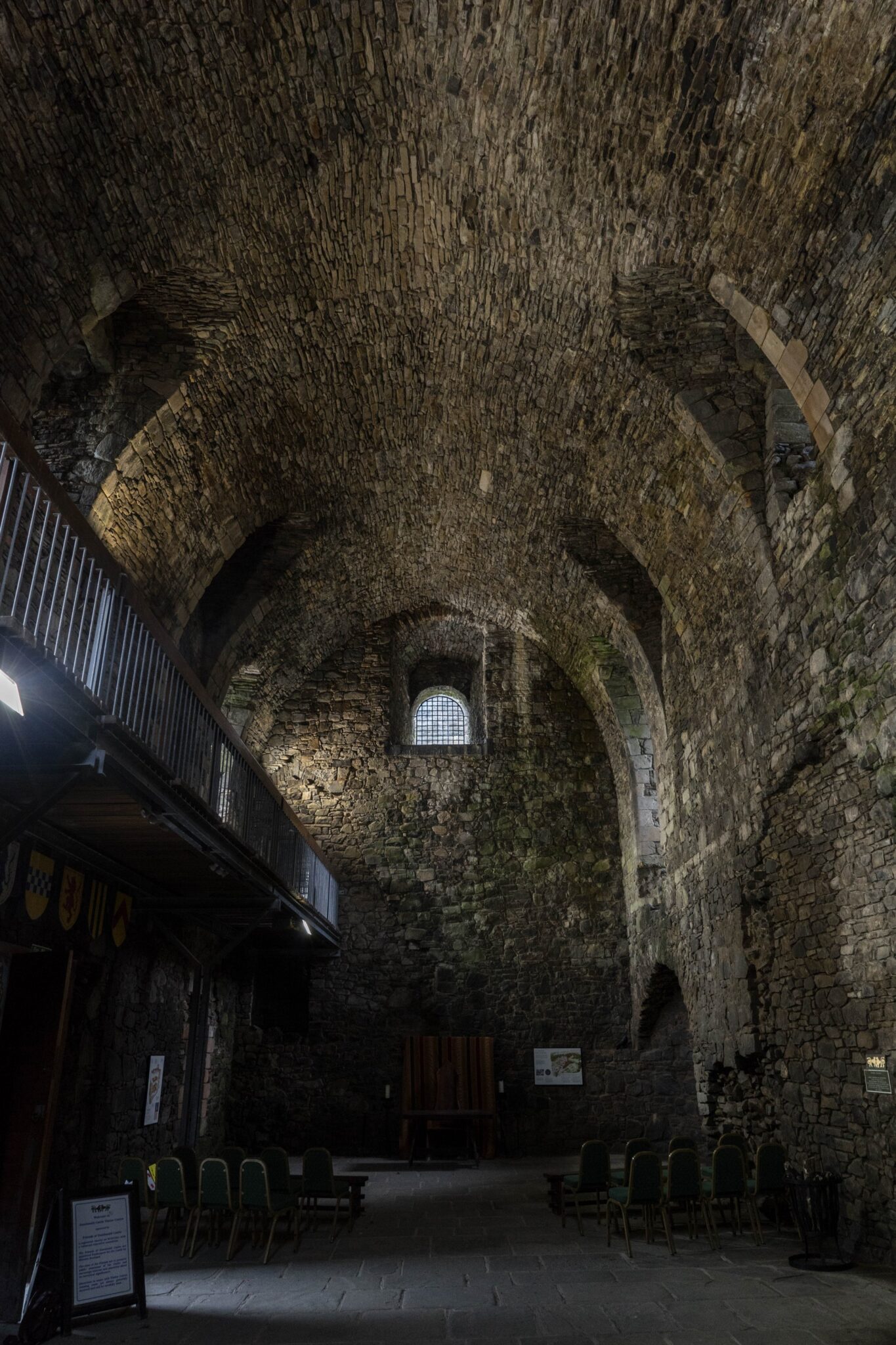
History
There have been three medieval castles present on this site. The first was built by one of the stewards of the king of Scots, most probably Walter, the first steward, who came to Scotland in 1136. There is no surviving evidence of this castle above ground today.
The second castle was built in the late 13th Century by Alexander Stewart, 4th High Steward, this castle was predominantly built of stone. It would have been one of the grandest baronial residences of its time. It was largely destroyed by the Scottish during the Wars of Scottish Independence in the early 14th century. It was not untypical for castles that were not of strategic importance to be destroyed by those who controlled them to ensure that no one else could gain a foothold into the area. There is little remaining of this castle, however there is a well and a rounded stump of a tower near to the present castle.
The third castle was built by Robert Stewart, probably to mark his accession to the throne as Robert II in 1371. It was three storeys high.
The top floor above the lofty stone vault was the upper hall – the great hall. It was for the more private use of the king and family. The first floor was the lower of the two halls – the laigh hall. It would have been used for more public activities like feasting and the holding of the baron court. The ground floor was a storage area. It was probably originally subdivided providing cellars for different commodities like wine, ale, foodstuffs and fuel.
The tower house was extended in the late 14th century to add additional private chambers and a prison. The outer courtyard (called more properly the barmkin) was completed and ancillary buildings (stables, bakehouses, brewhouses, smithy, etc.) built against the barmkin wall.
The third castle comprised almost everything you see above ground today, including the tower which dominates the hill.
By 1520 the castle had passed to the Wallaces of Craigie. The family held onto it, although in 1536 king James V granted the castle and the lands to Robert Boyd. Despite two attempts, Boyd was unable to evict the tenants by force and eventually resigned the castle and the lands to the Wallace family.
In 1632 indebtedness forced the Wallaces to sell the castle to James Mathieson, but by this time the Wallaces had abandoned the castle and moved to Auchens House, a large residence built nearby in the 1580s, partly with materials robbed from the castle. Both properties were bought by Sir William Cochrane in 1638.
Cochrane extended Auchens House around 1640. In 1669 Cochrane was created the first Earl of Dundonald for his support to the Royalist cause in the Wars of the Three Kingdoms. In 1726 the Cochranes sold their Dundonald estate but retained possession of the ruined castle. In 1953 the 13th Earl of Dundonald gifted the castle to the State and work began on restoration.
References
The castle website – an excellent resource – is here.
The history above is taken from the Wiki site here.