
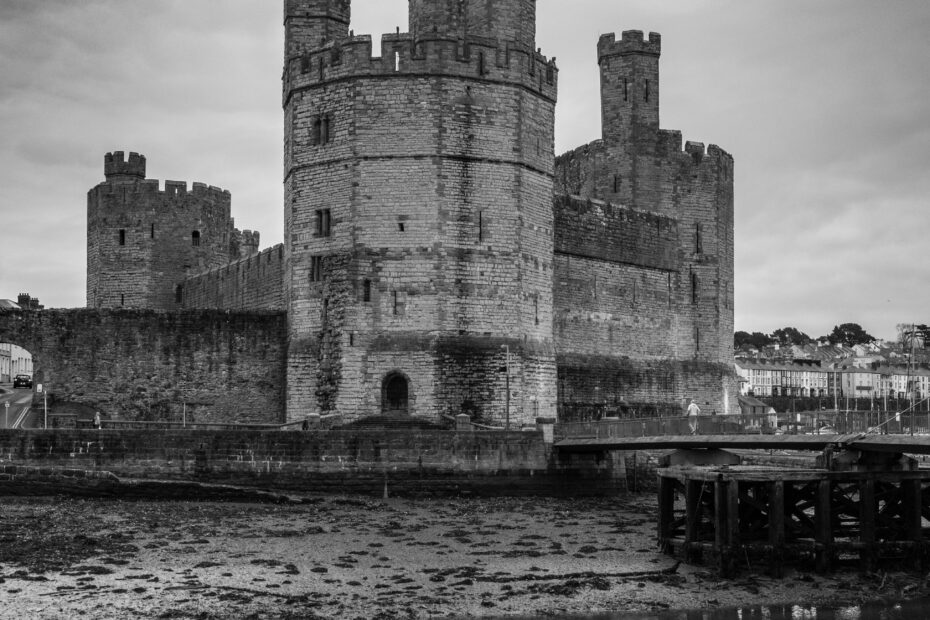
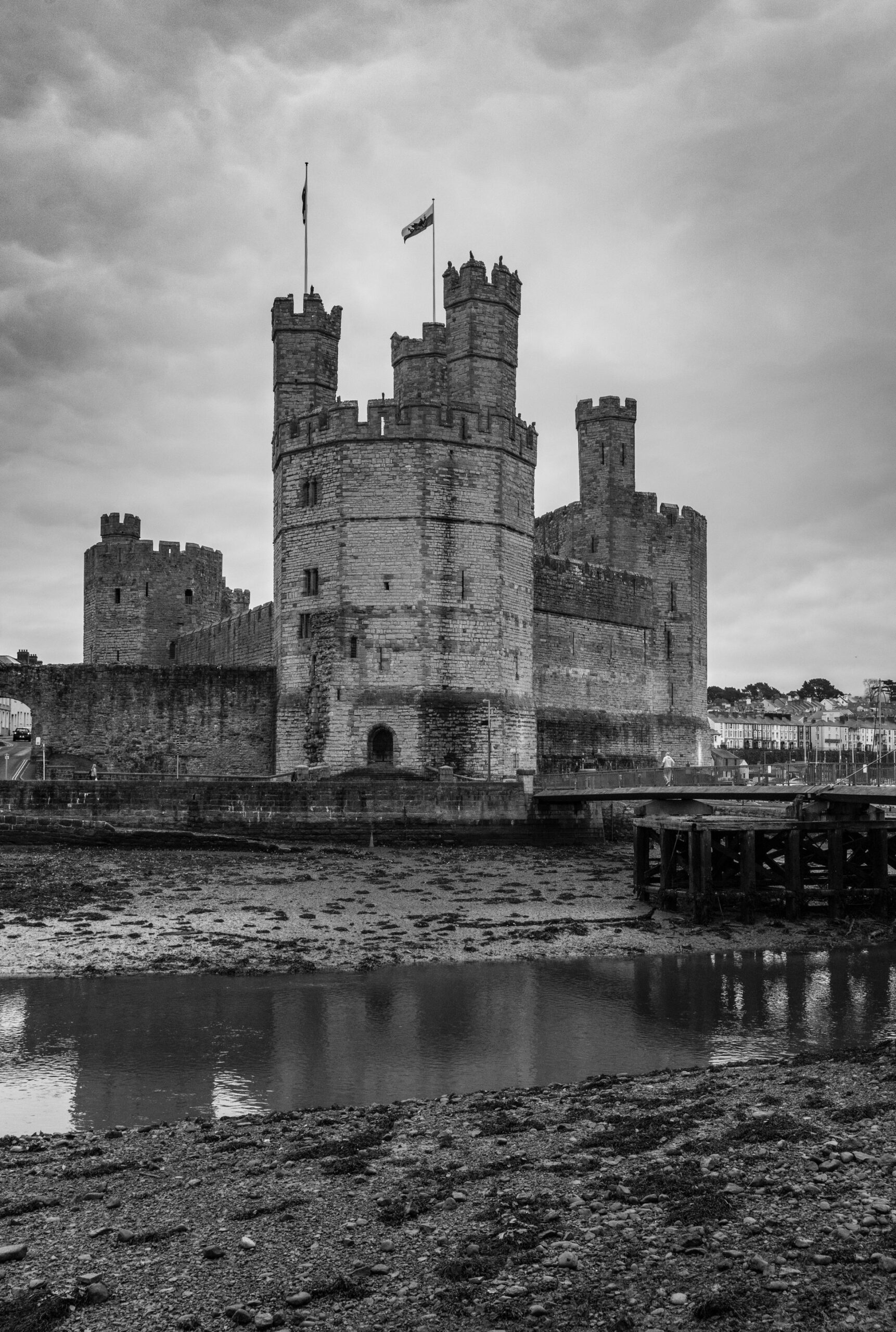
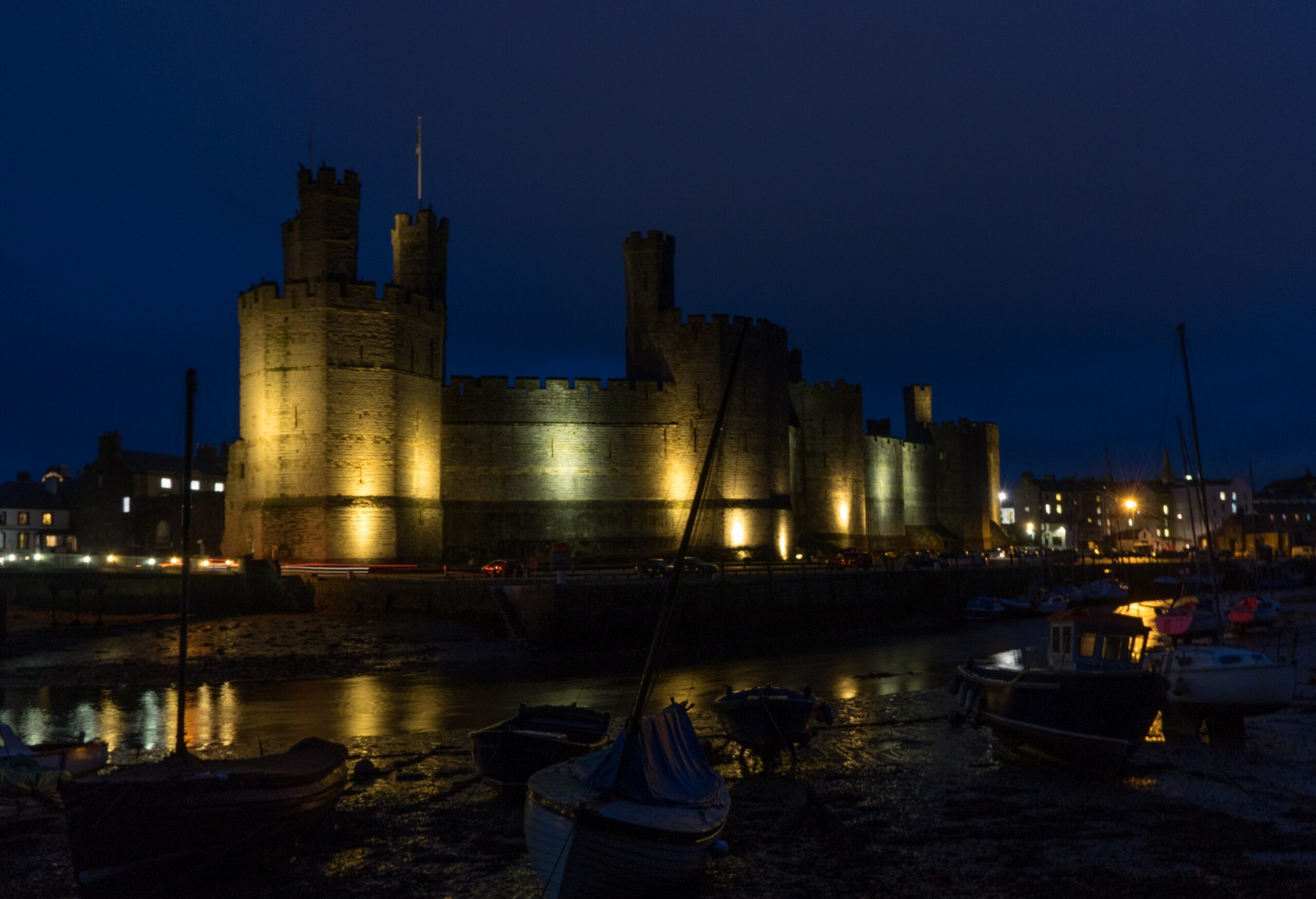
Caernarfon Castle is a fantastic site to visit and probably the grandest castle in Wales. Set on the Menai Straits the current castle was built by Edward I both as a symbol of English rule and as an echo to earlier Roman overlordship. Although never actually completed by its thirteenth century builders, Caernarfon castle is now largely restored and together with the town walls, makes a fascinating visit.

Visiting Caernarfon Castle
As one of the most important tourist sites in Wales, Caernarfon Castle is very easy to visit. It is well signposted and there is a large car park next to the castle. There are plenty of cafes in the town so the castle doesn’t provide that service but it does have exhibition on the history of Caernarfon as well as the Royal Welsh Fusiliers Museum.
My Experience
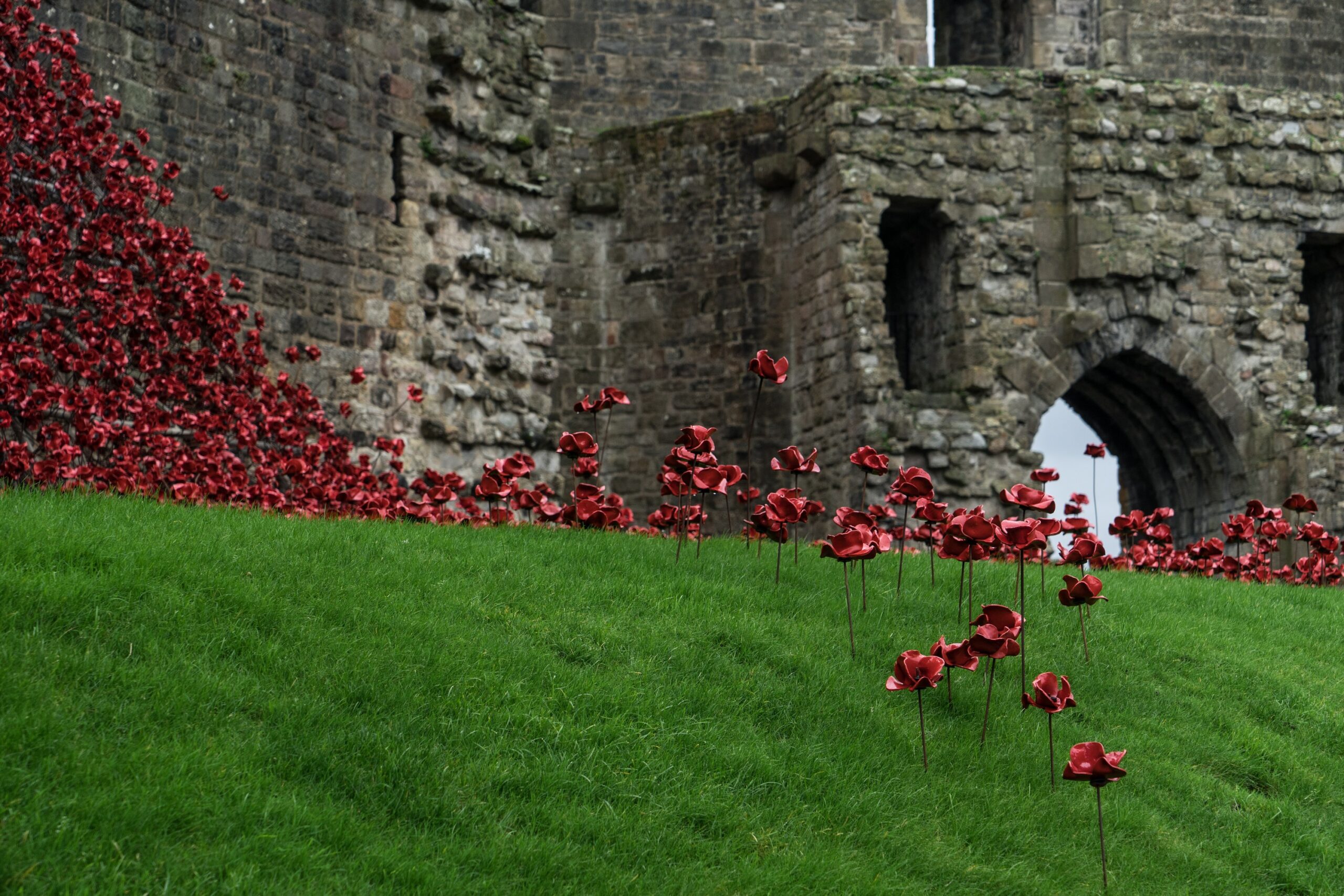
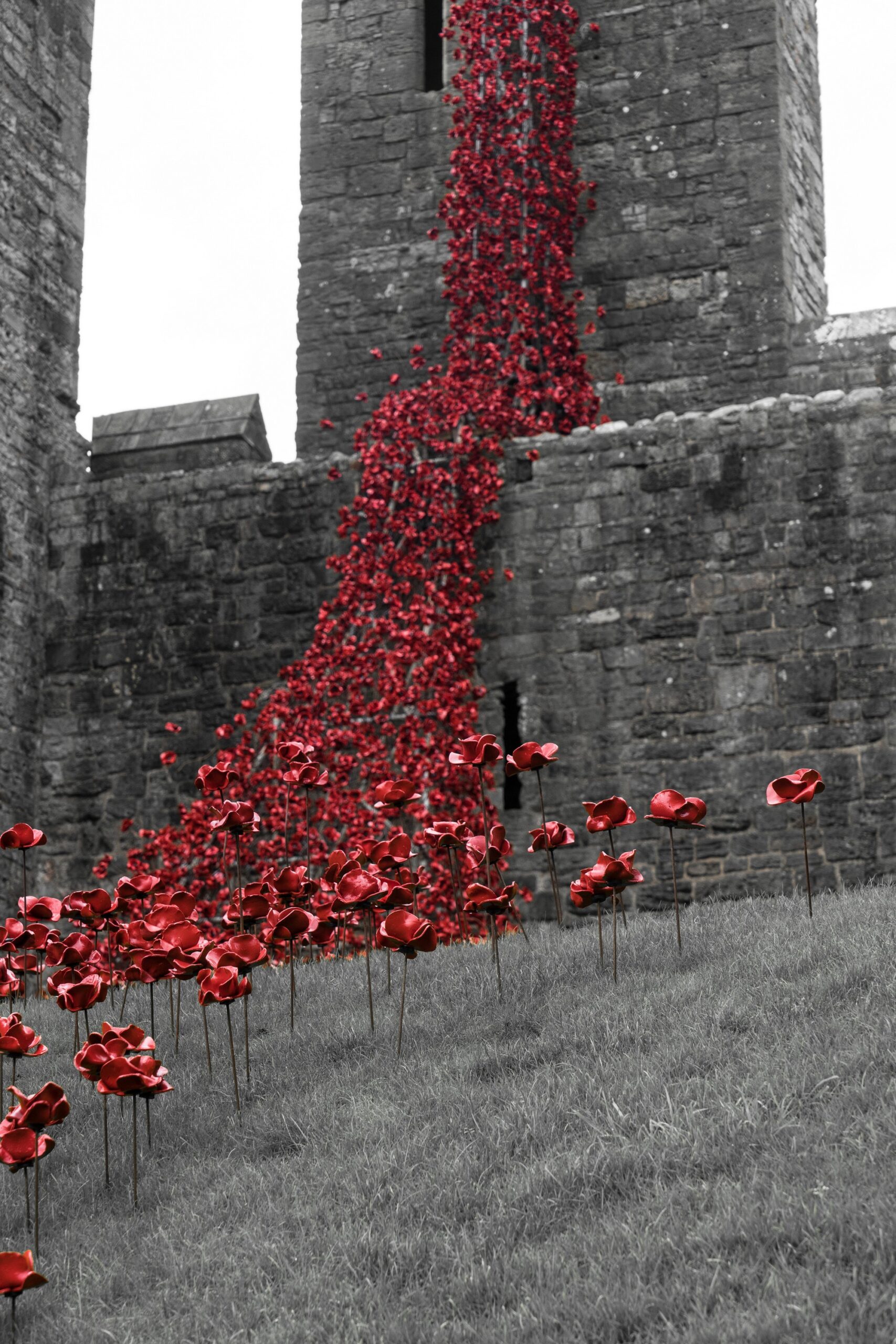
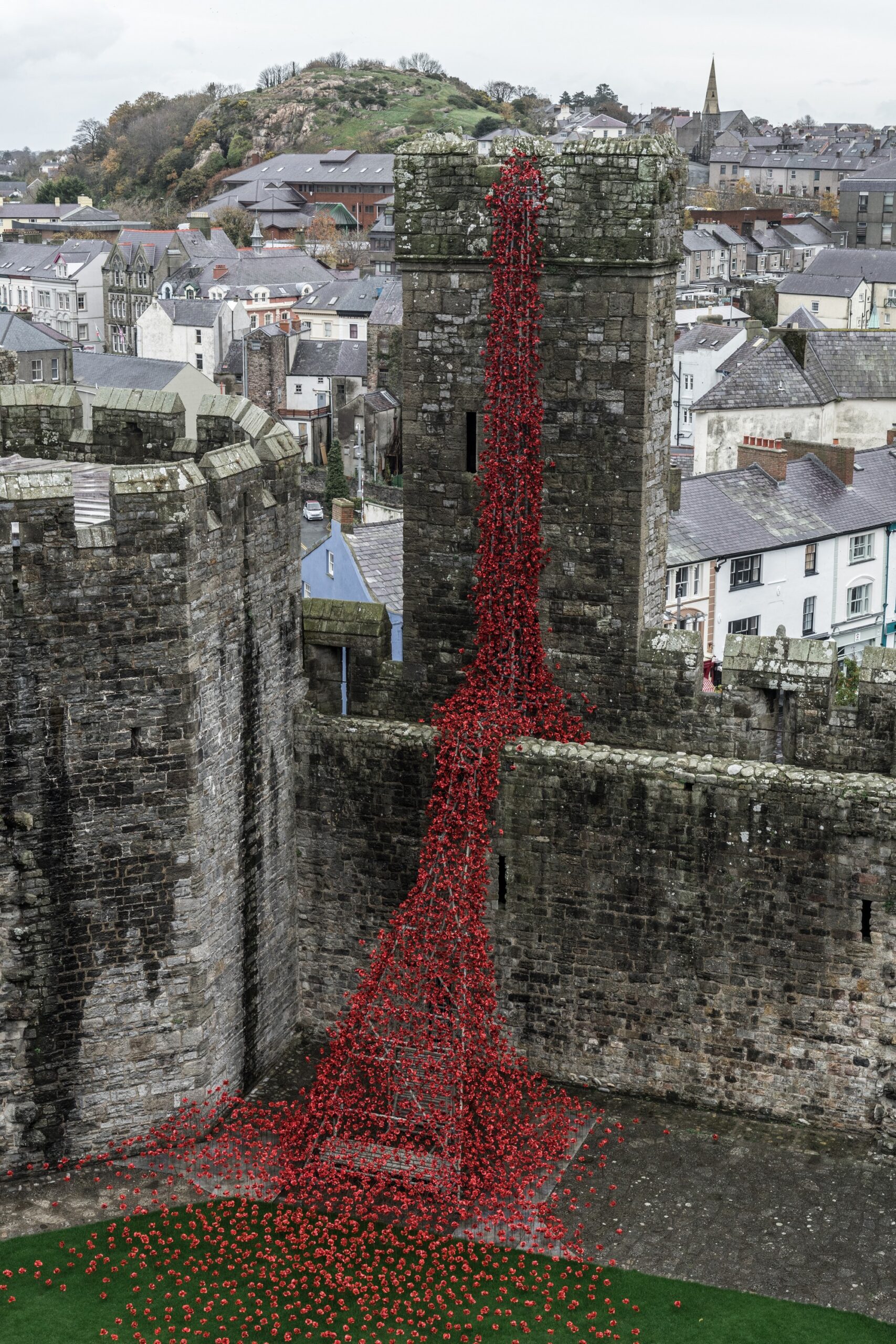
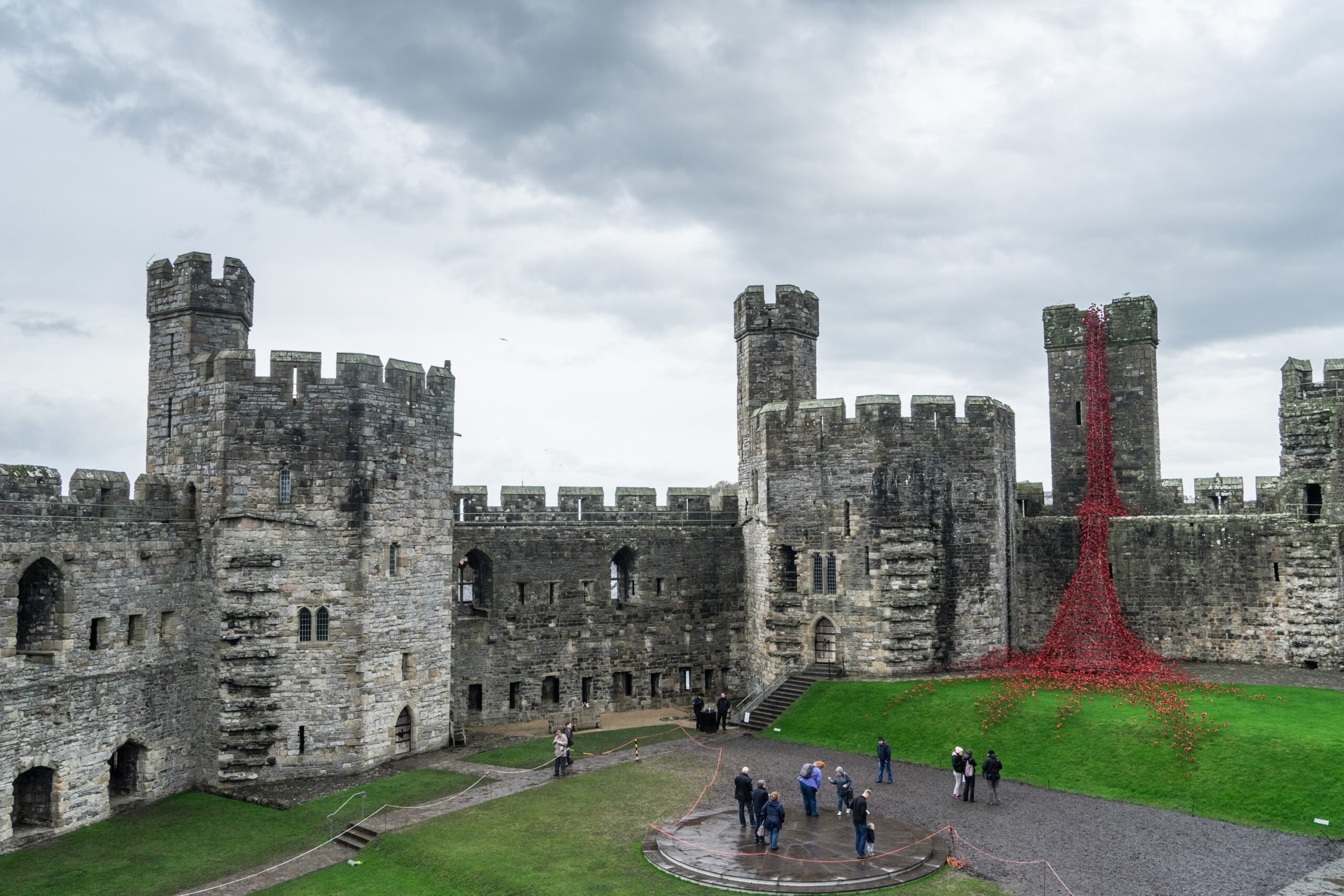
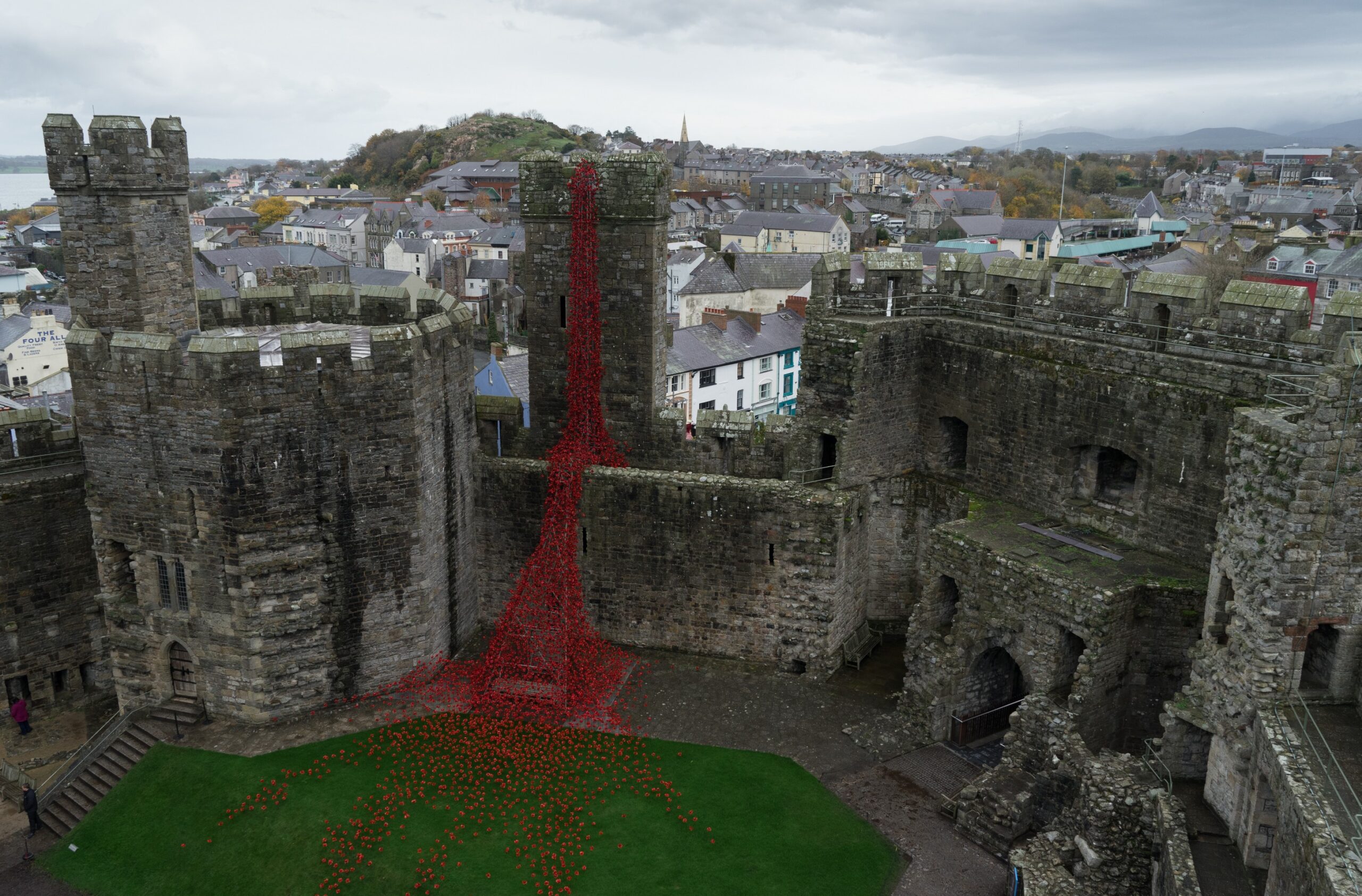
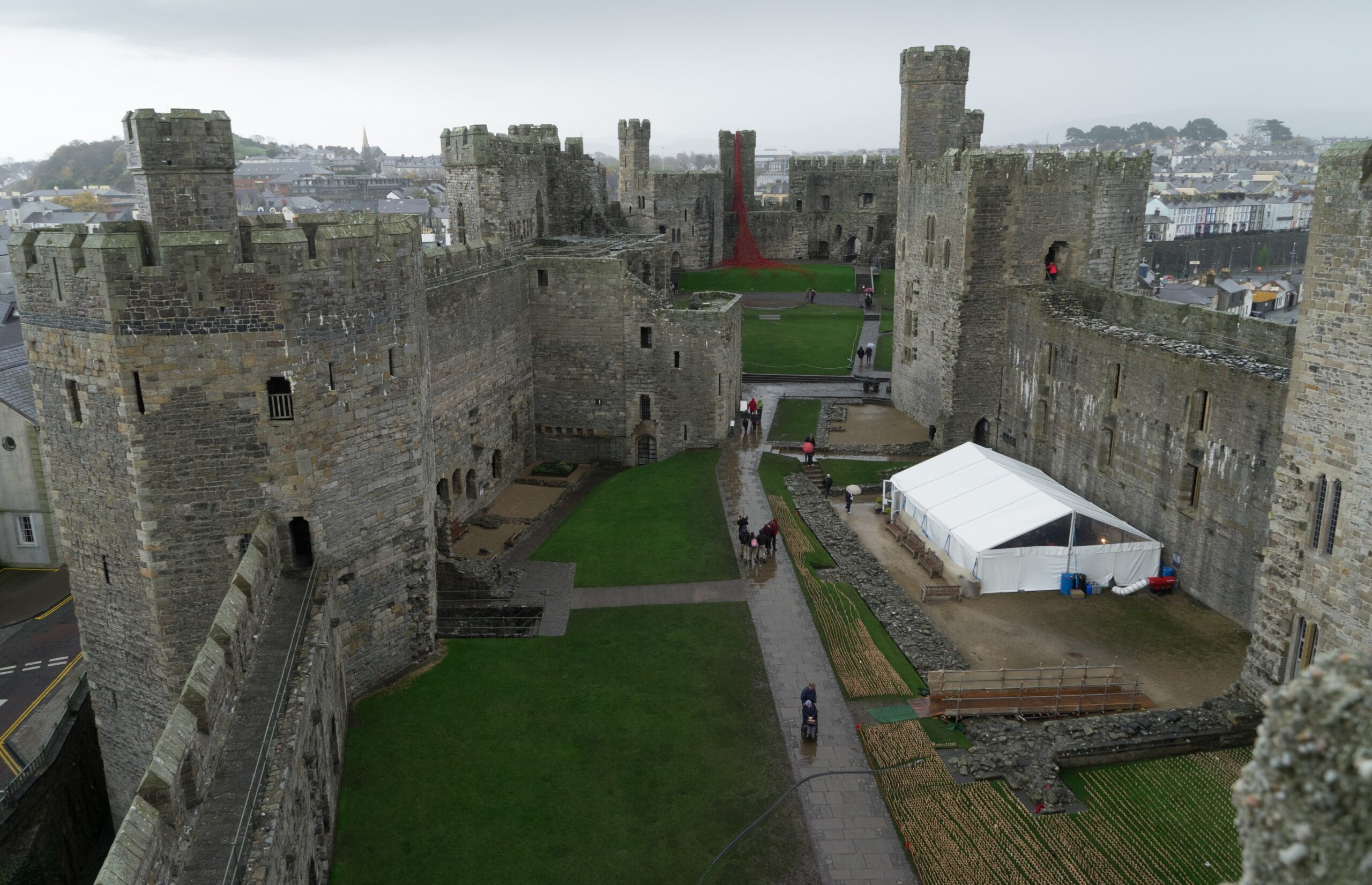
We have visited Caernarfon Castle a few times as there is so much to see, if you include the museums, that it’d be difficult to fit in during one visit. This was a more rushed visit though as I was working nearby and I just wanted to see the poppy tribute artwork that was displayed at the castle.
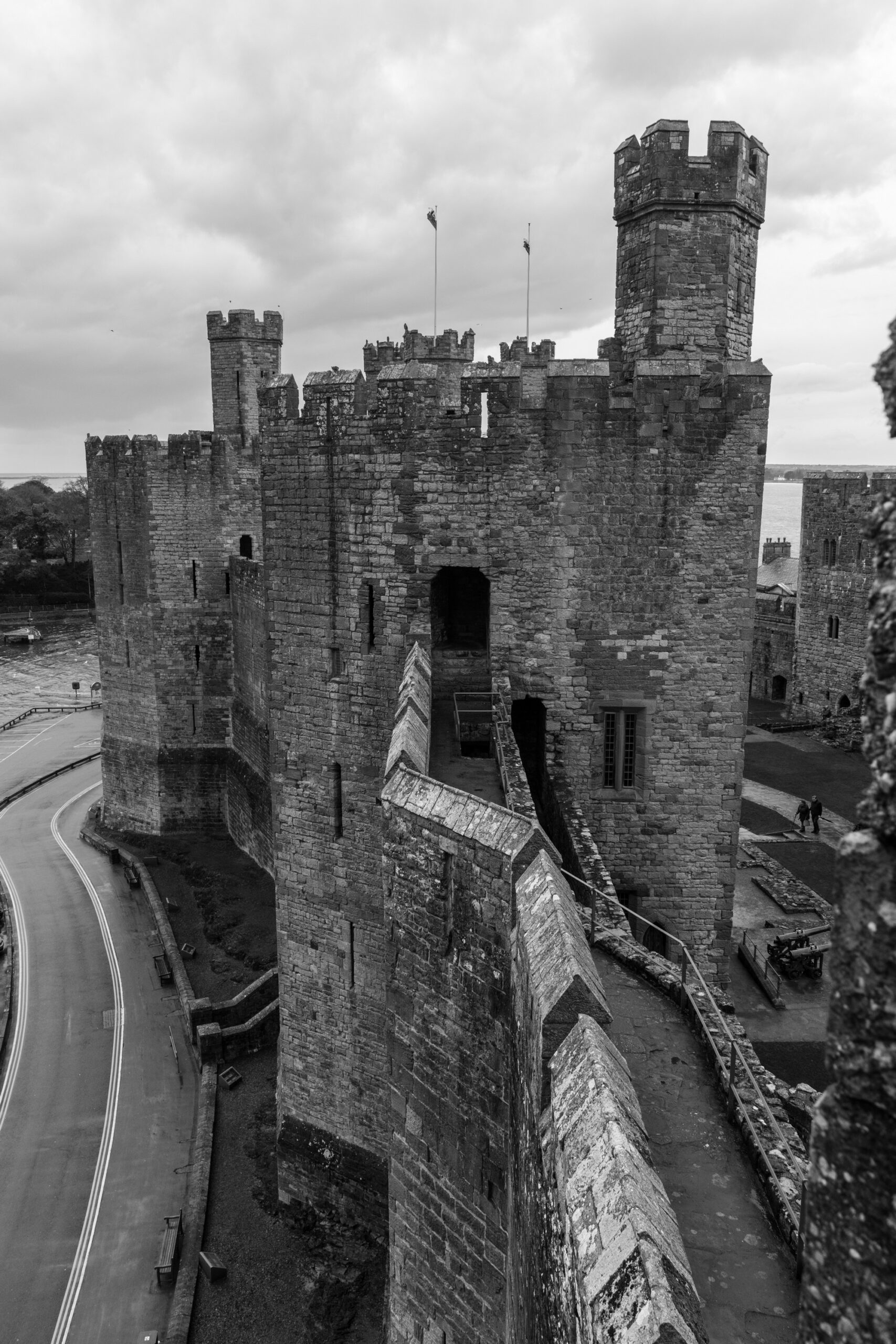
I’d recommend crossing the little footbridge next to the car park so you can see the castle across the river and get a real idea of the scale of it. It was certainly built to impress!
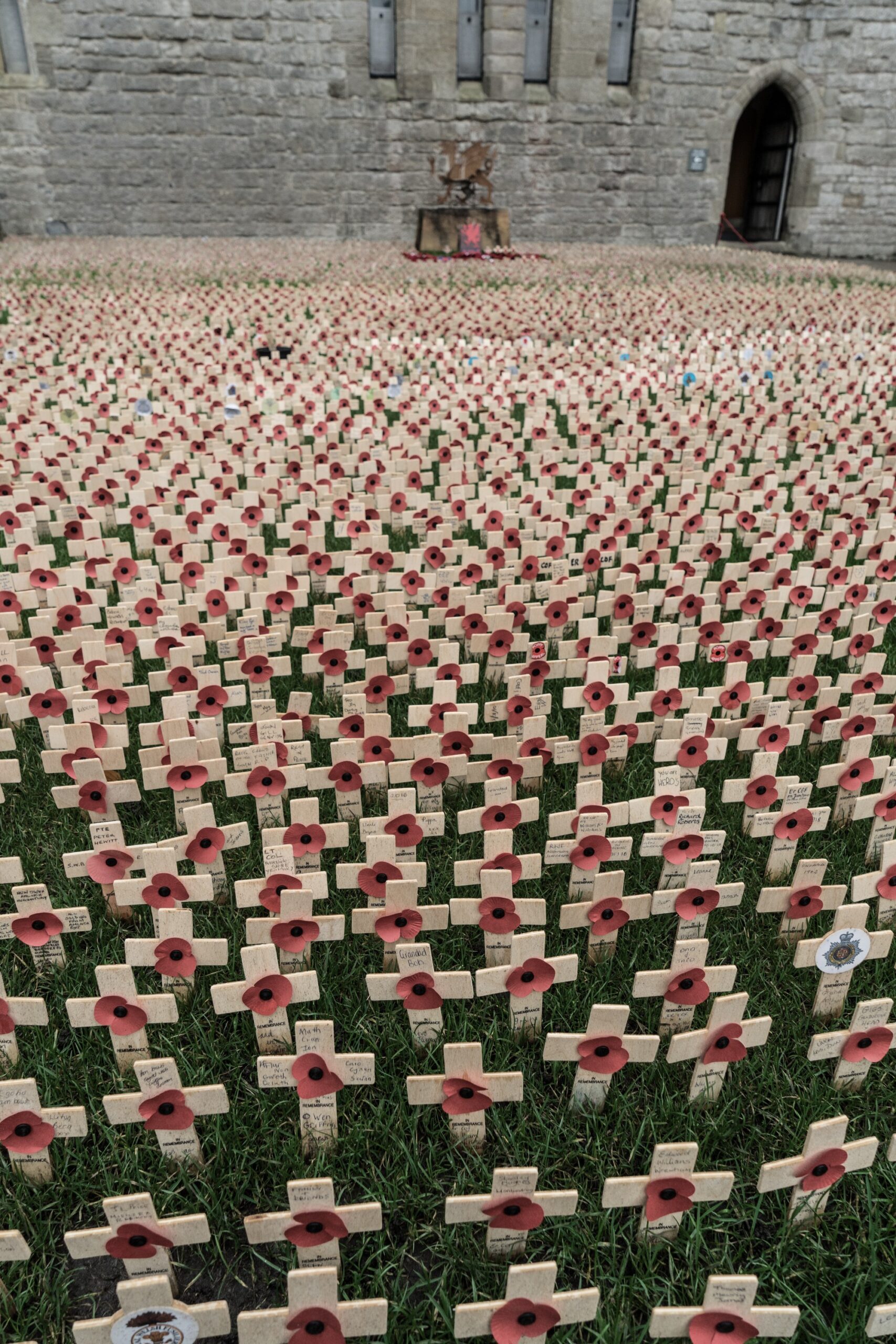
The weather was pretty dull on this occasion but the poppies added a splash of red like someone vomiting blood from the tower. Combined with the memorial crosses it was a very moving tribute to our war dead. I’ll add more notes and pictures when I wade back through my files and find previous visits on sunnier days and focusing more on the castle itself.
Caernarfon Castle Photo Gallery


Town walls

As these next photos were taken in the dim and distant past of 2009 they were not taken in RAW so these are pretty much unedited jpgs. I’d like to think my own skill in photography has moved on since then too so these may not be ideal pictures. Sorry!


History
Caernarfon Castle (Welsh: Castell Caernarfon) – often anglicised as Carnarvon Castle or Caernarvon Castle – is a medieval fortress in Caernarfon, Gwynedd, north-west Wales cared for by Cadw, the Welsh Government’s historic environment service. It was a motte-and-bailey castle from the late 11th century until 1283 when King Edward I of England began to replace it with the current stone structure. The Edwardian town and castle acted as the administrative centre of north Wales, and as a result the defences were built on a grand scale. There was a deliberate link with Caernarfon’s Roman past and the Roman fort of Segontium is nearby.
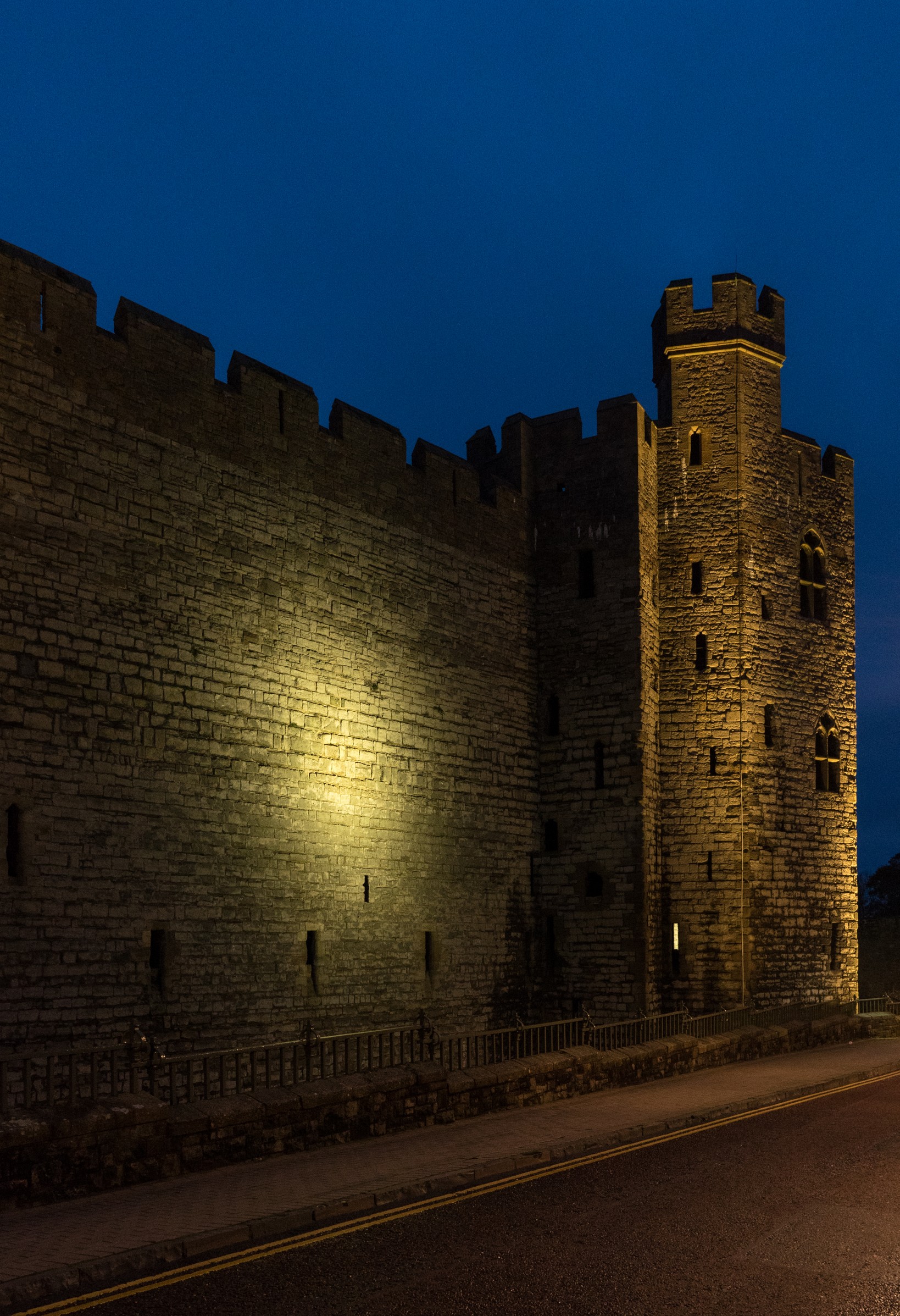
While the castle was under construction, town walls were built around Caernarfon. The work cost between £20,000 and £25,000 from the start until the work ended in 1330. Although the castle appears mostly complete from the outside, the interior buildings no longer survive and many of the building plans were never finished. The town and castle were sacked in 1294 when Madog ap Llywelyn led a rebellion against the English. Caernarfon was recaptured the following year. During the Glyndŵr Rising of 1400–1415, the castle was besieged.
When the Tudor dynasty ascended to the English throne in 1485, tensions between the Welsh and English began to diminish and castles were considered less important. As a result, Caernarfon Castle was allowed to fall into a state of disrepair. Despite its dilapidated condition, during the English Civil War Caernarfon Castle was held by Royalists, and was besieged three times by Parliamentarian forces. This was the last time the castle was used in war. The castle was neglected until the 19th century when the state funded repairs. The castle was used for the investiture of the Prince of Wales in 1911 and again in 1969. It is part of the World Heritage Site “Castles and Town Walls of King Edward in Gwynedd”.
References
The CADW website with full information on entry times is here.
The history above is copied from the Wiki site here.