
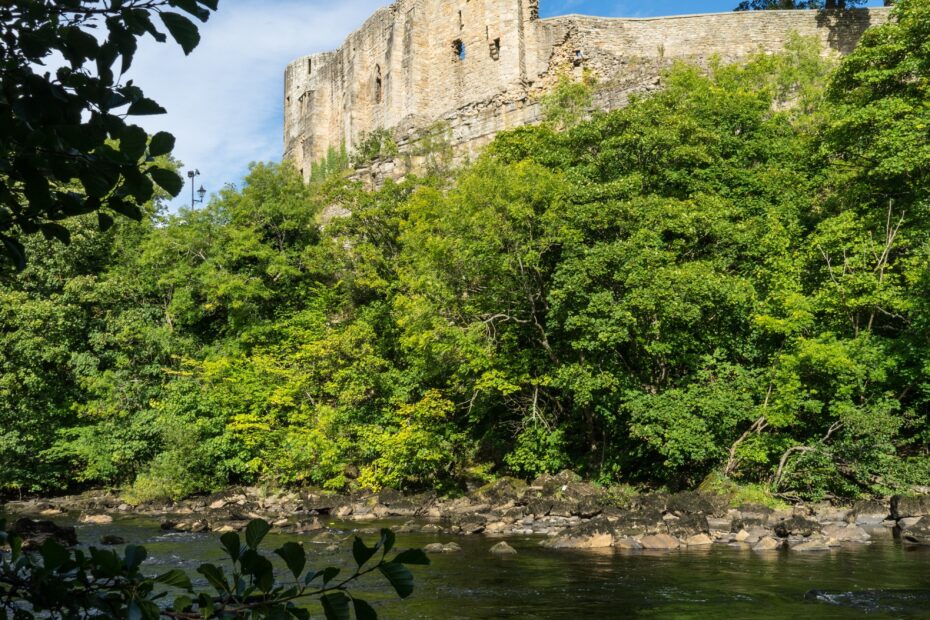
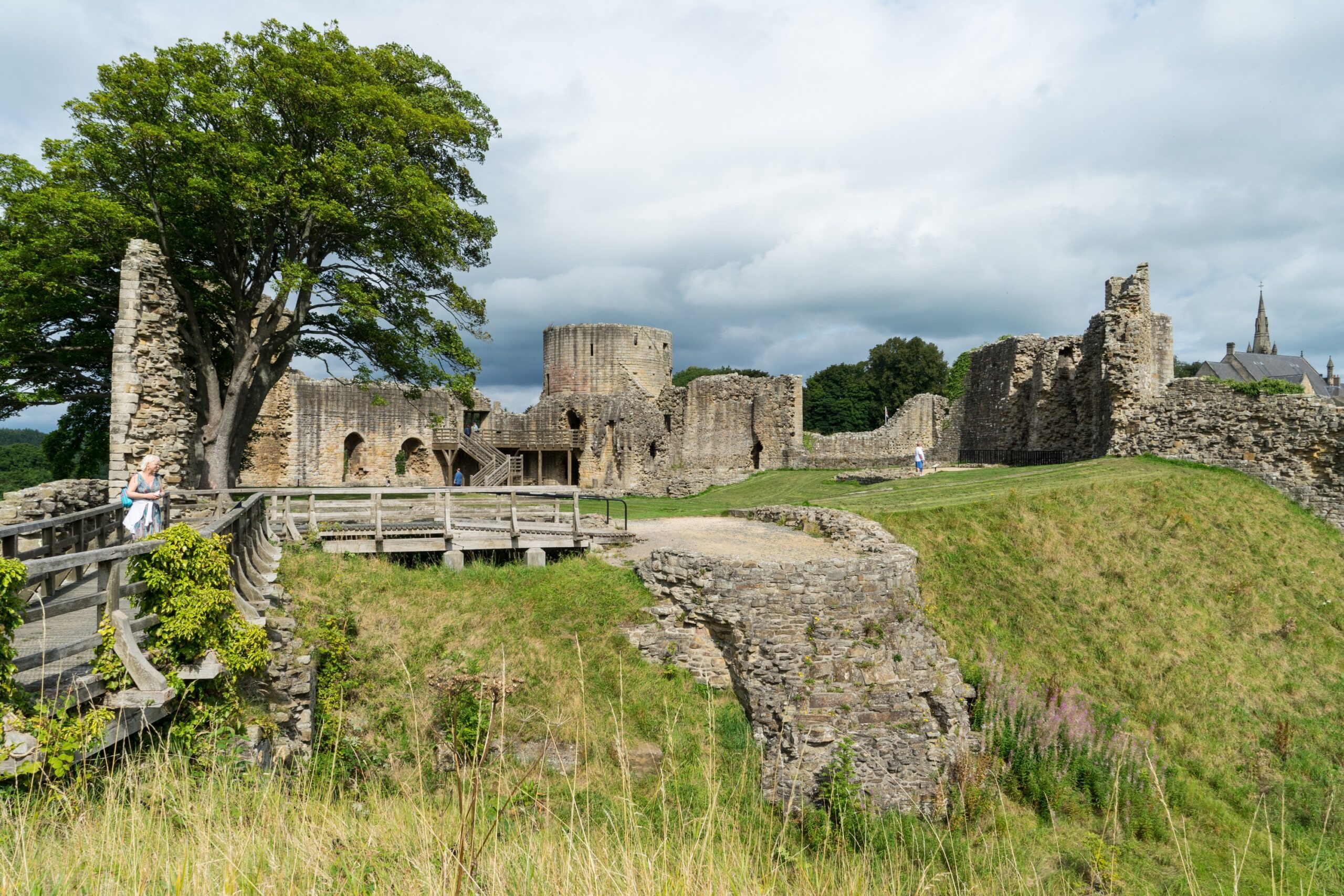
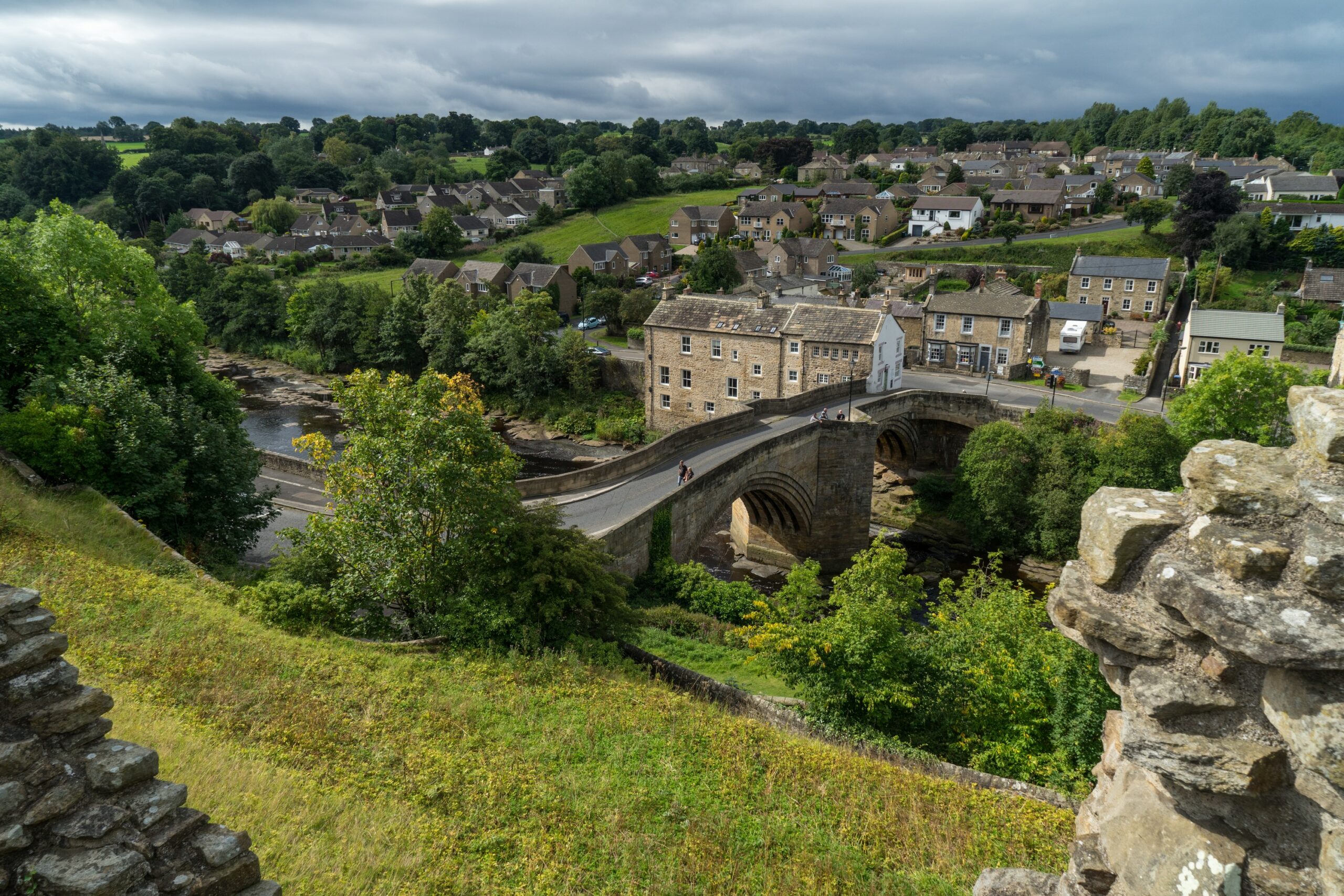
A visit to Barnard Castle immediately displays the strategic positioning of the castle. Dominating the crossing of the River Tees the castle is the centrepiece of this small market town that grew up under its sheltering walls.
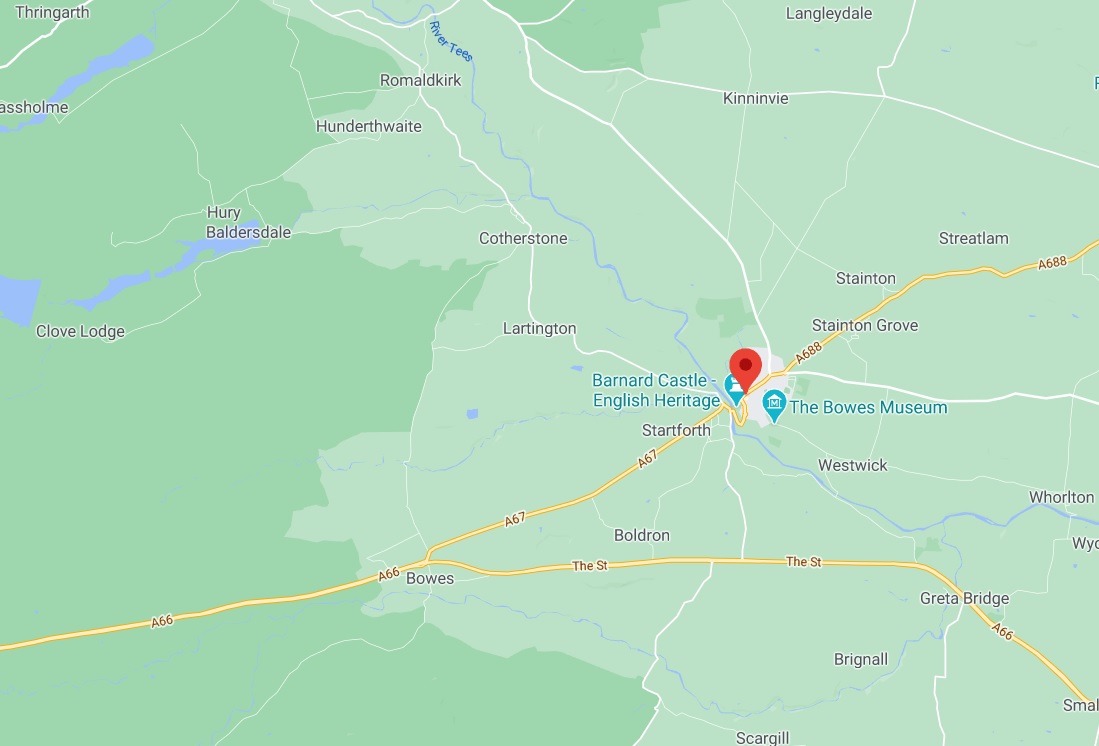
Visiting Barnard Castle
The castle is a major tourist attraction in the area and is well signposted. There is plenty of parking in the town itself and also an abundance of cafes. The castle has a small shop and I think a cafe as we sat on the picnic benches and had a coffee. There is also an onsite toilet.
My Experience
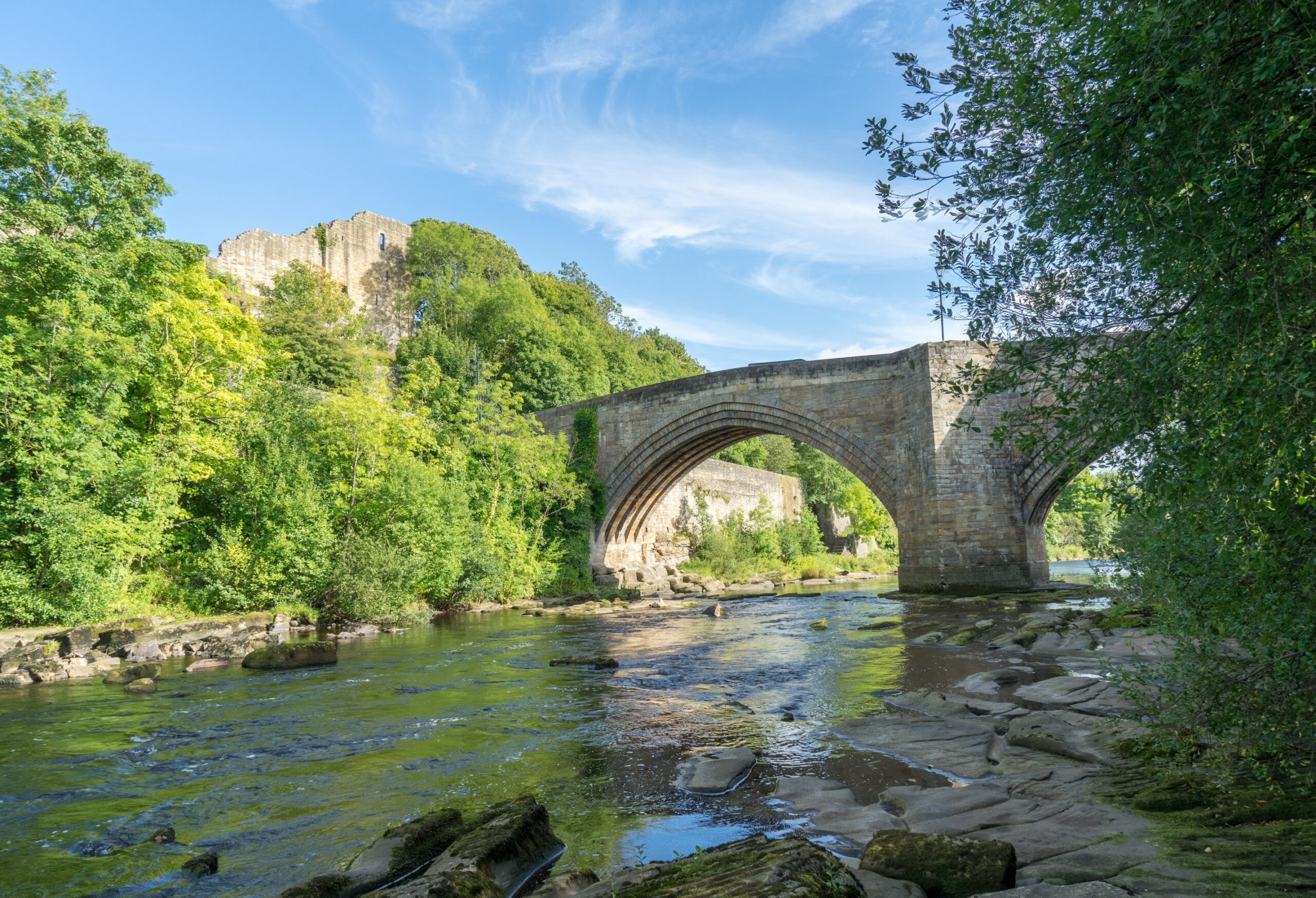
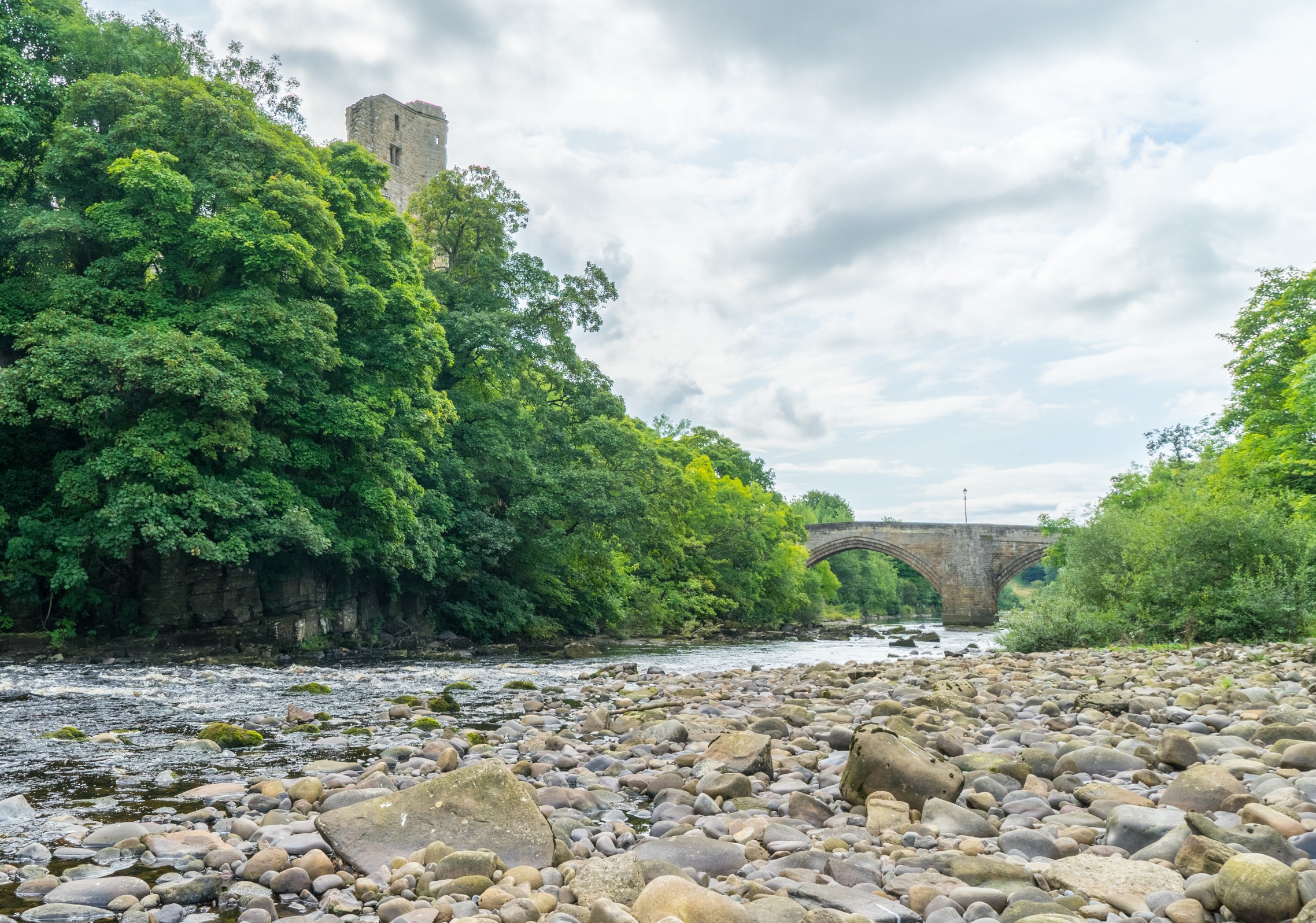
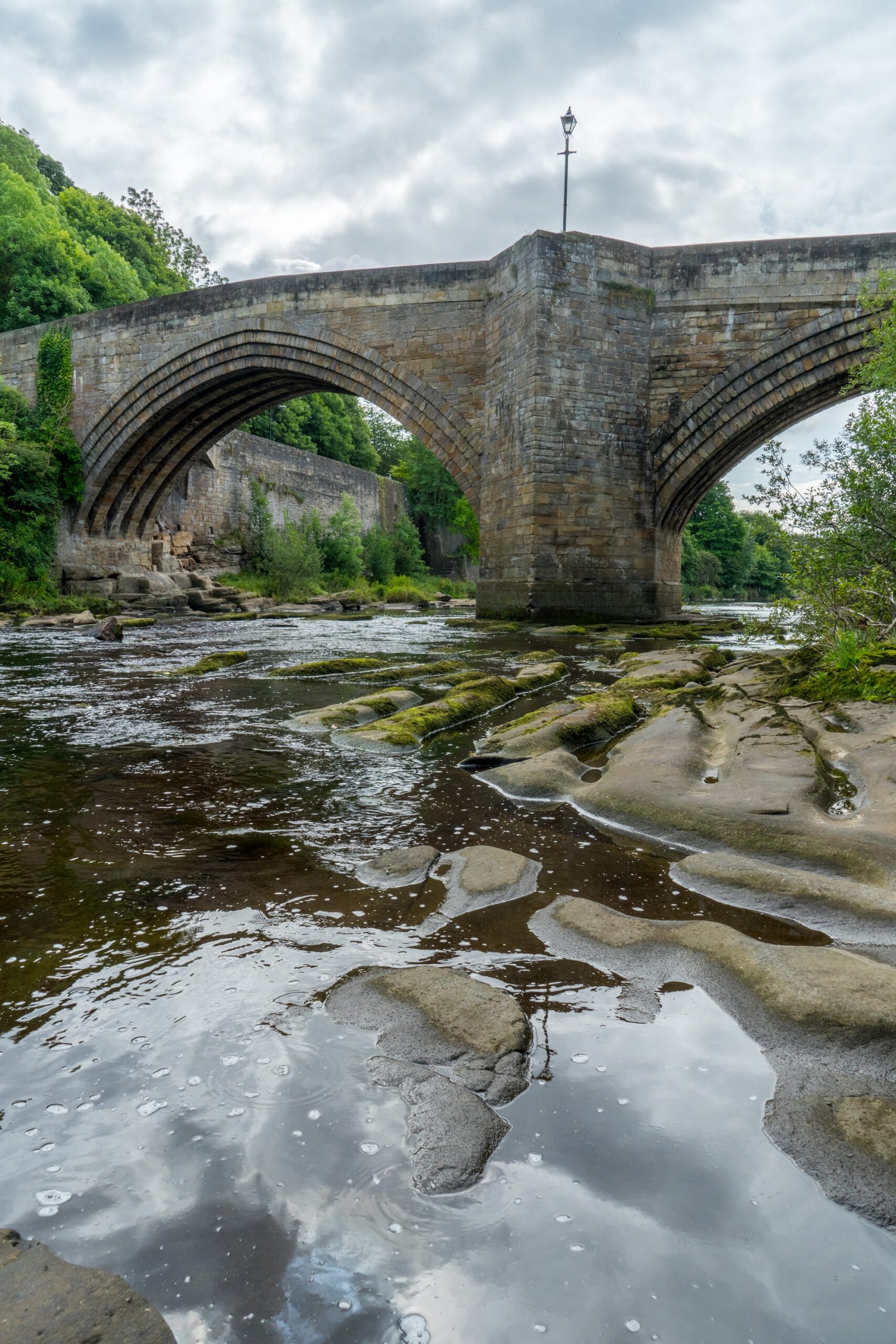
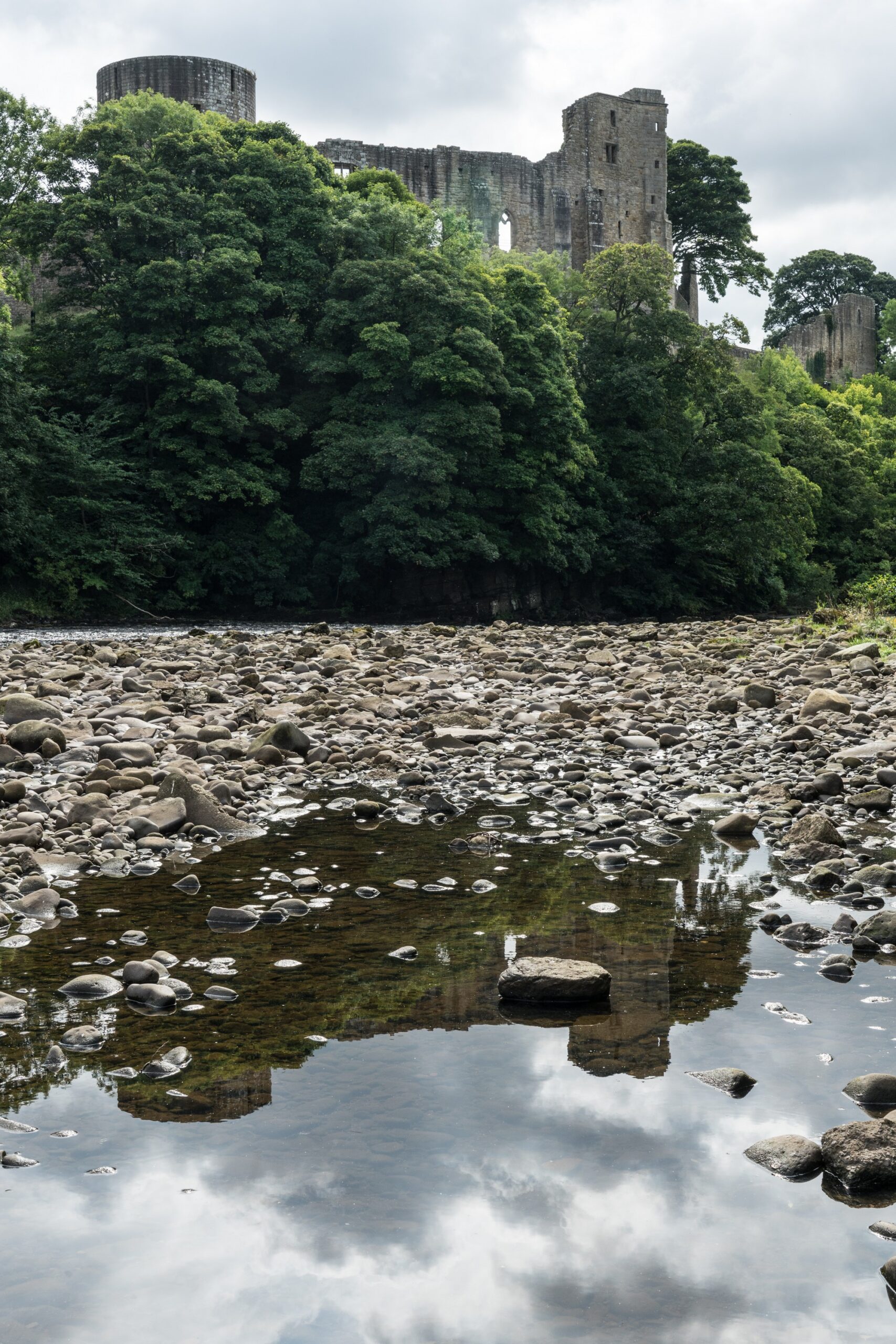
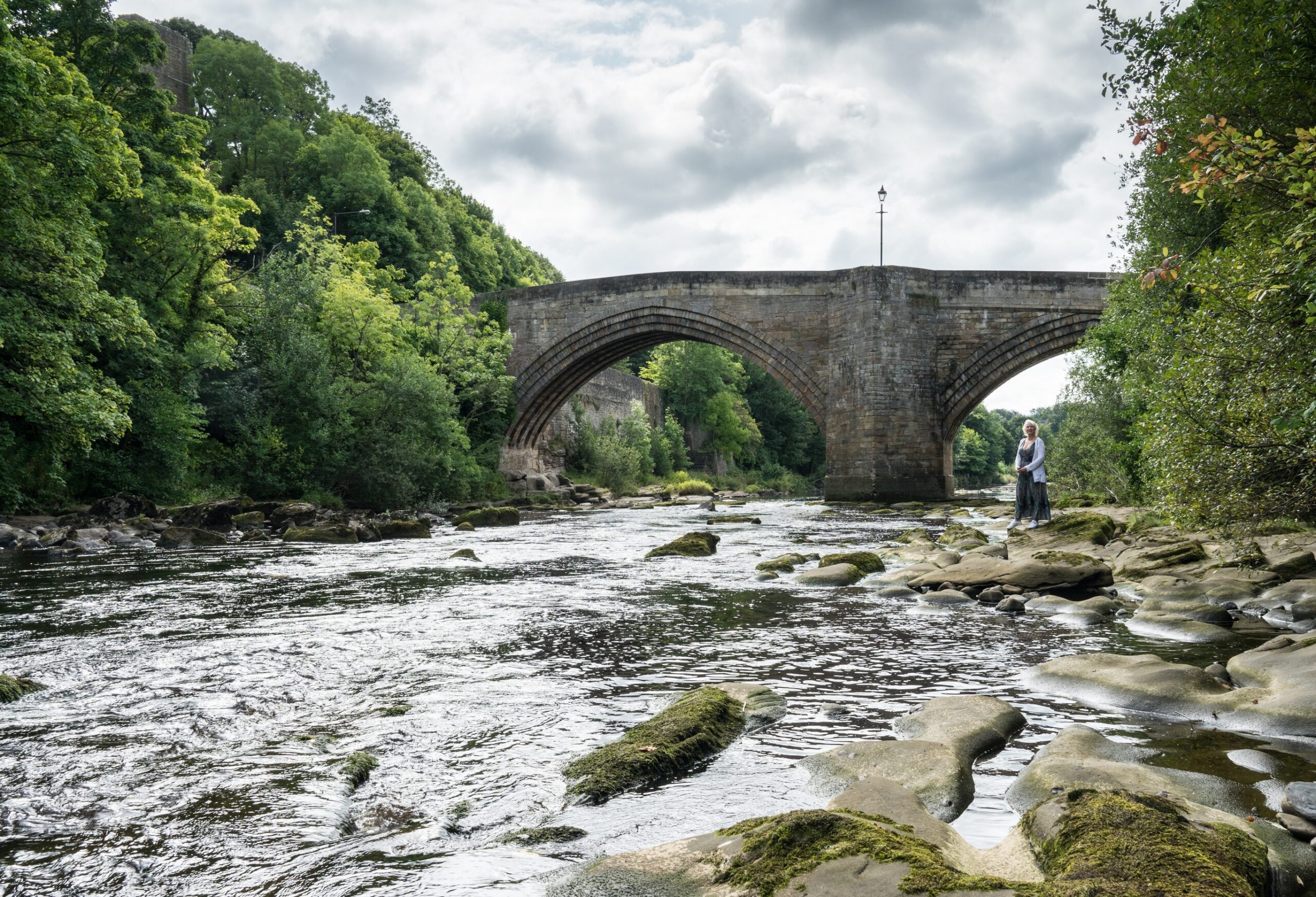
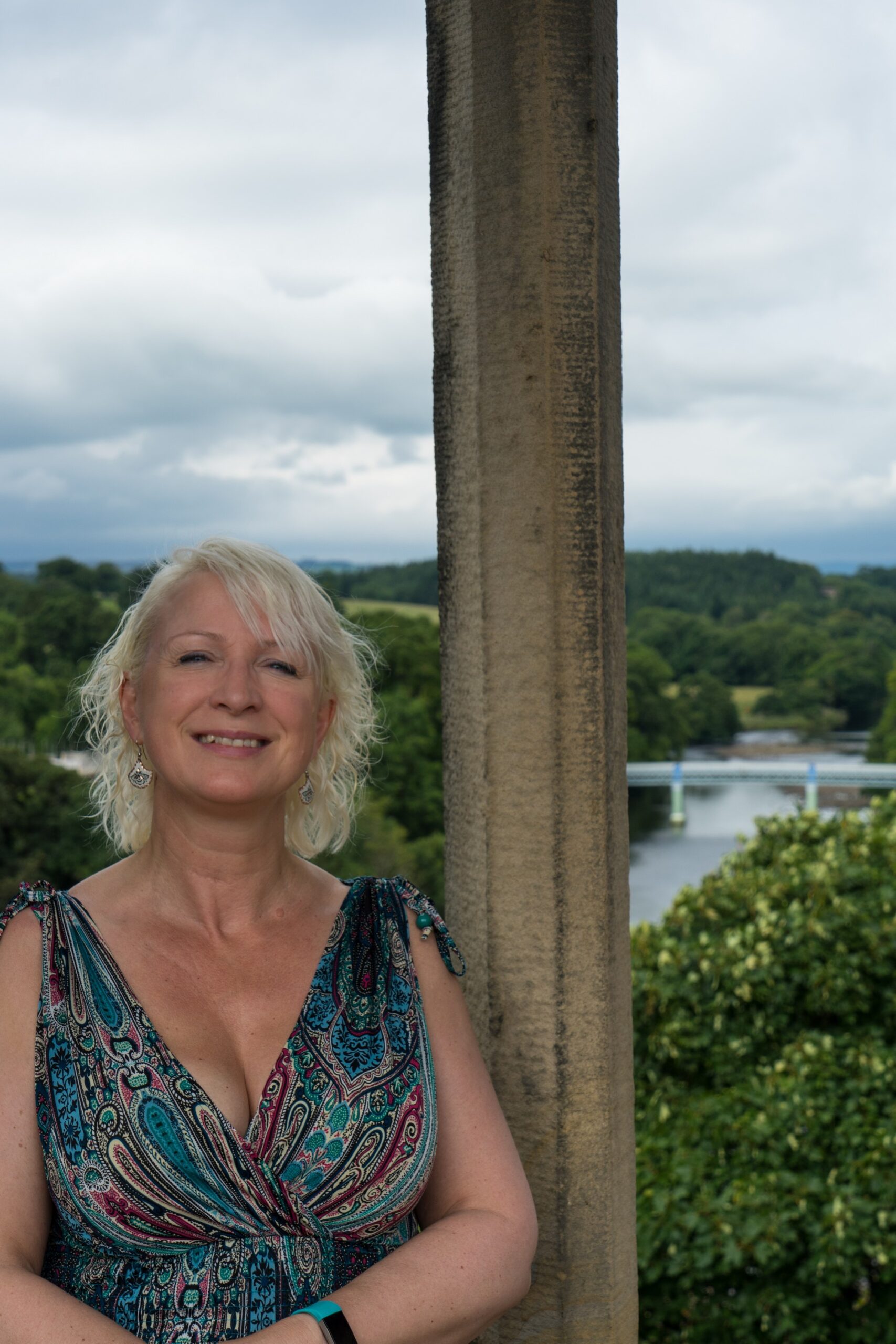
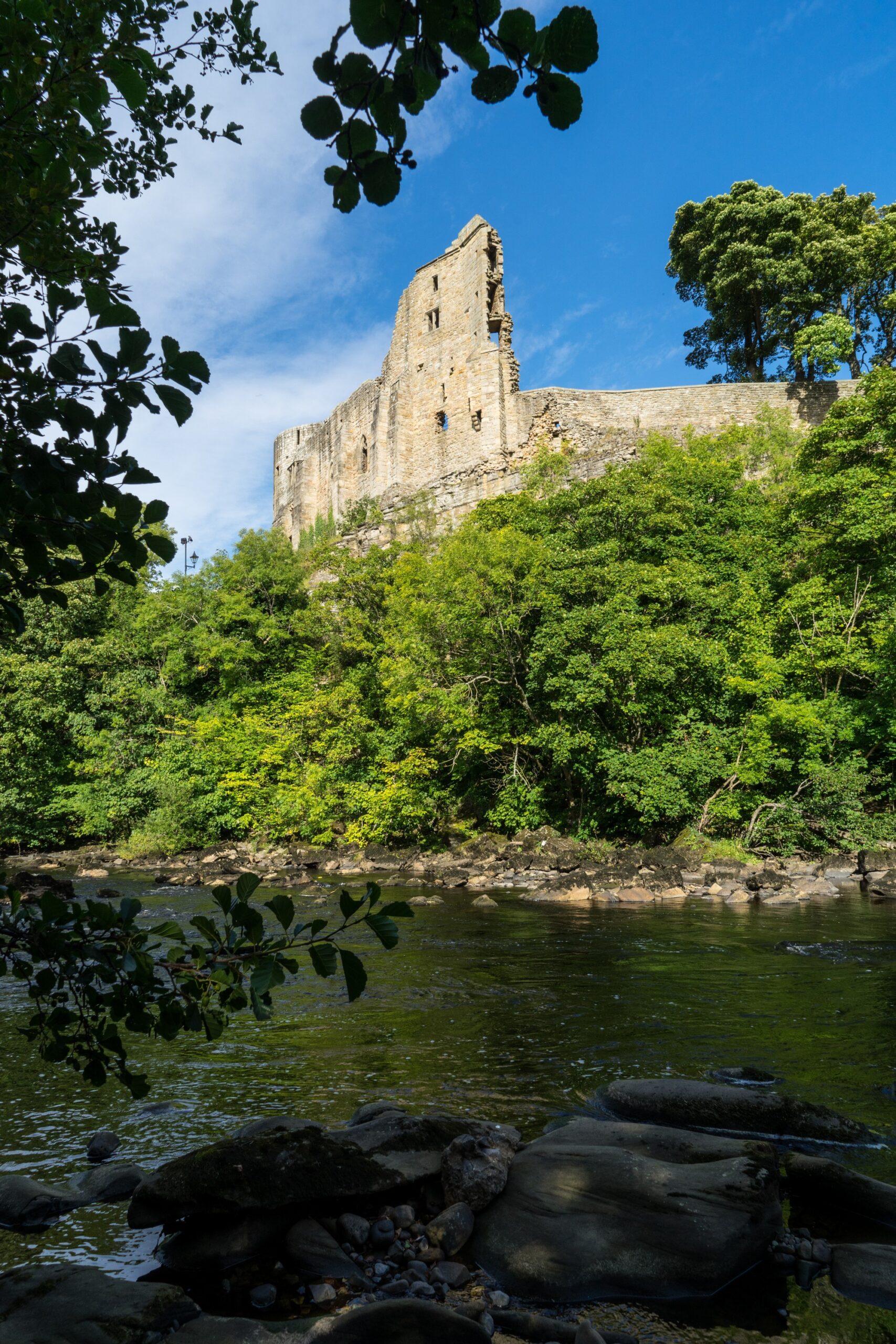
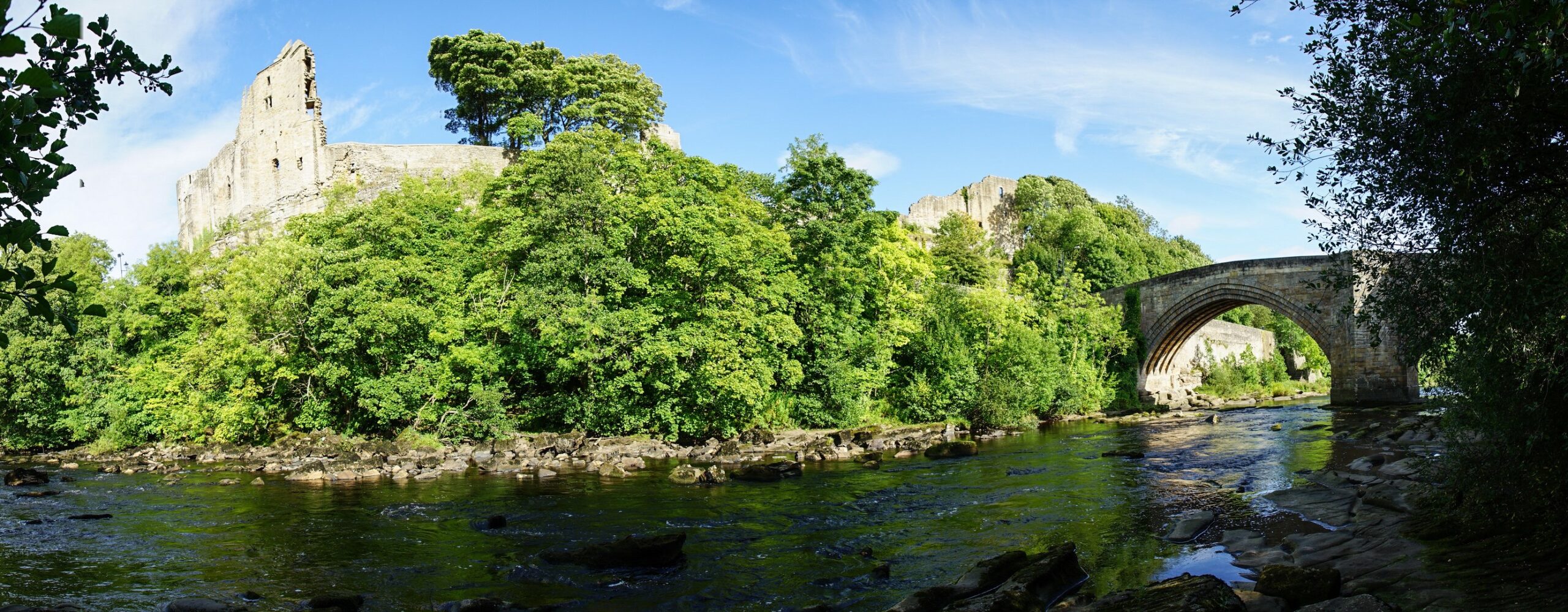
Our visit to Barnard Castle was as part of a motorhome tour of the north of England, detailed in my blog here. We did manage to climb down to the river bank so we could view the bridge and castle from that angle as it is quite a spectacular setting.
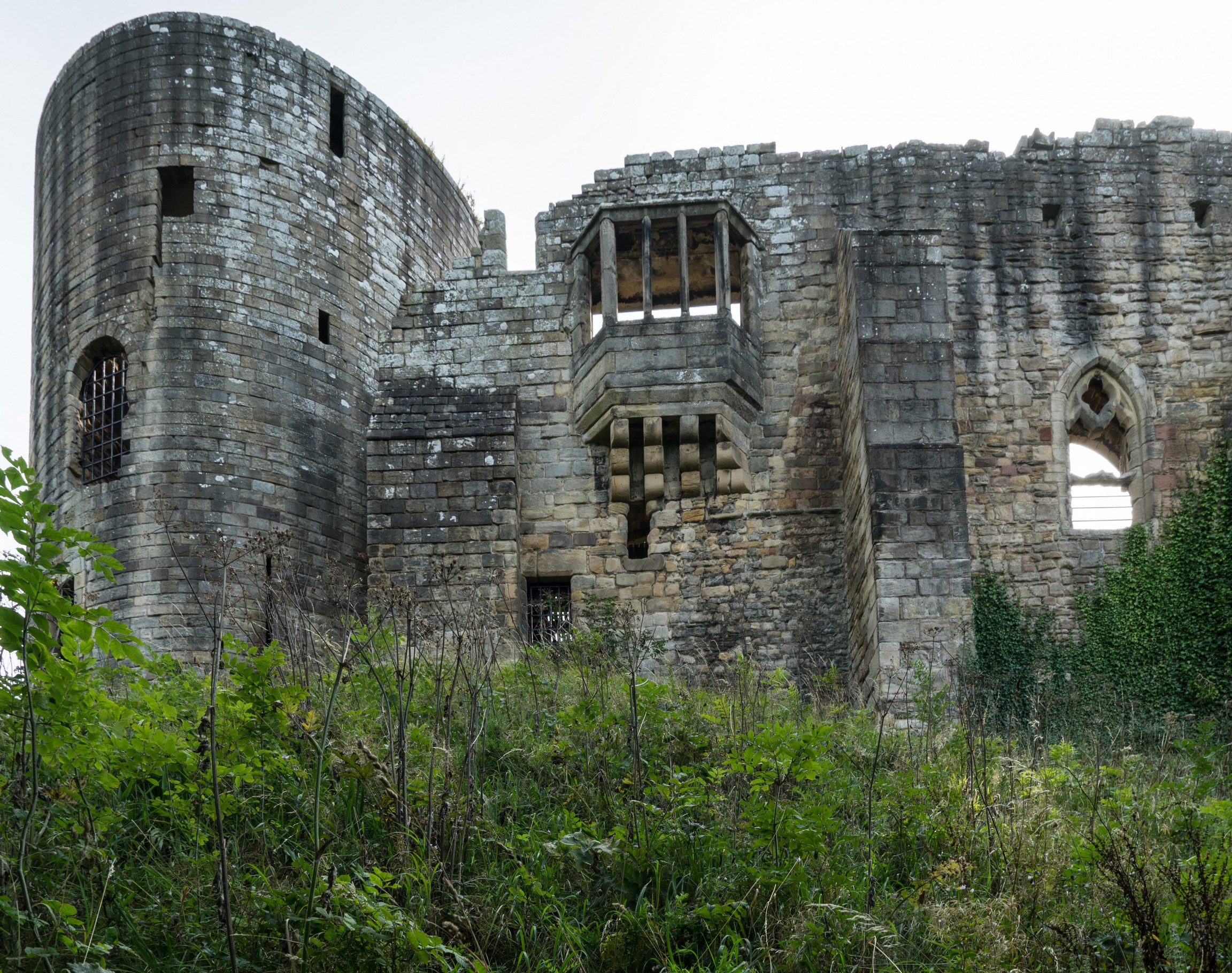
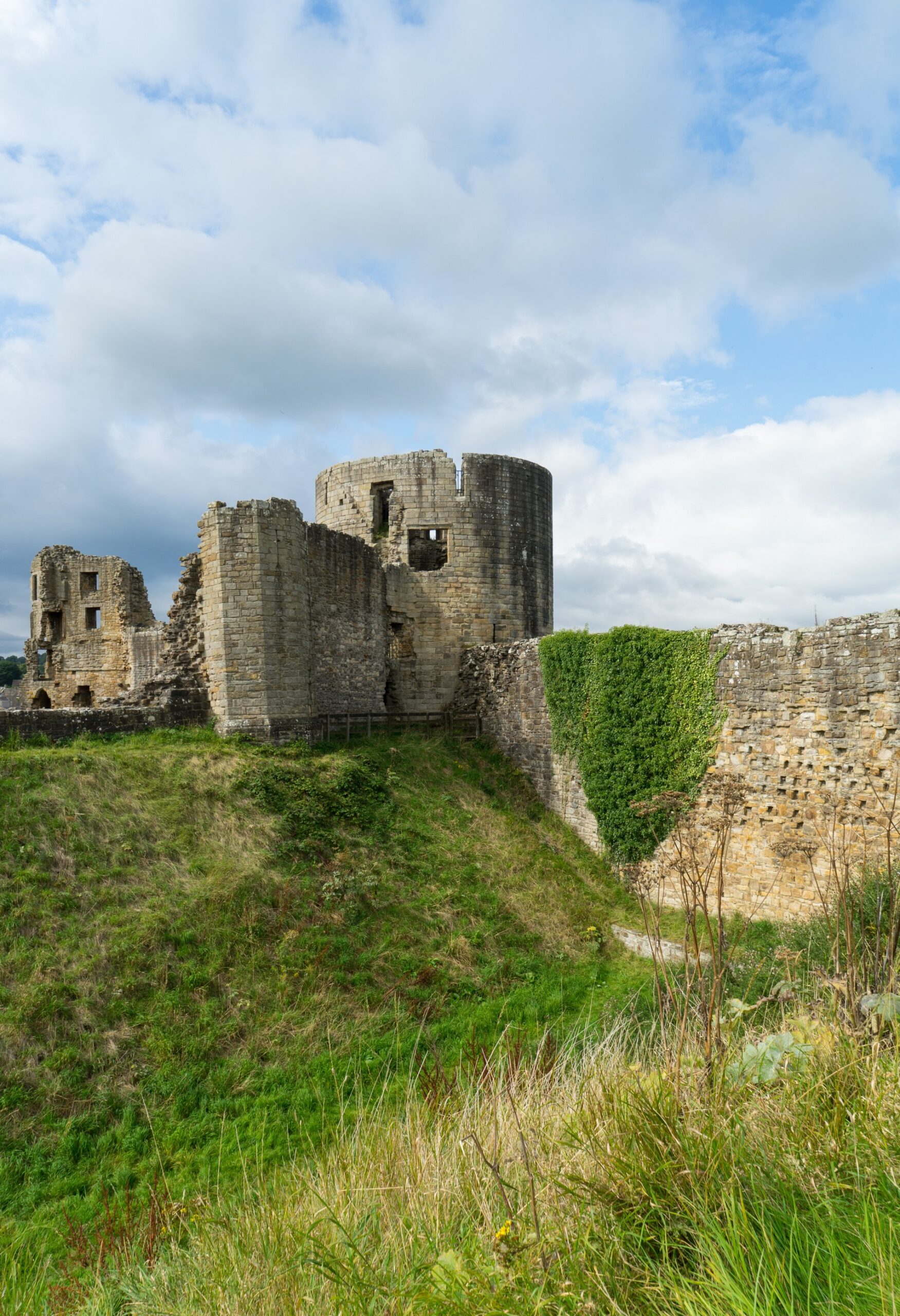
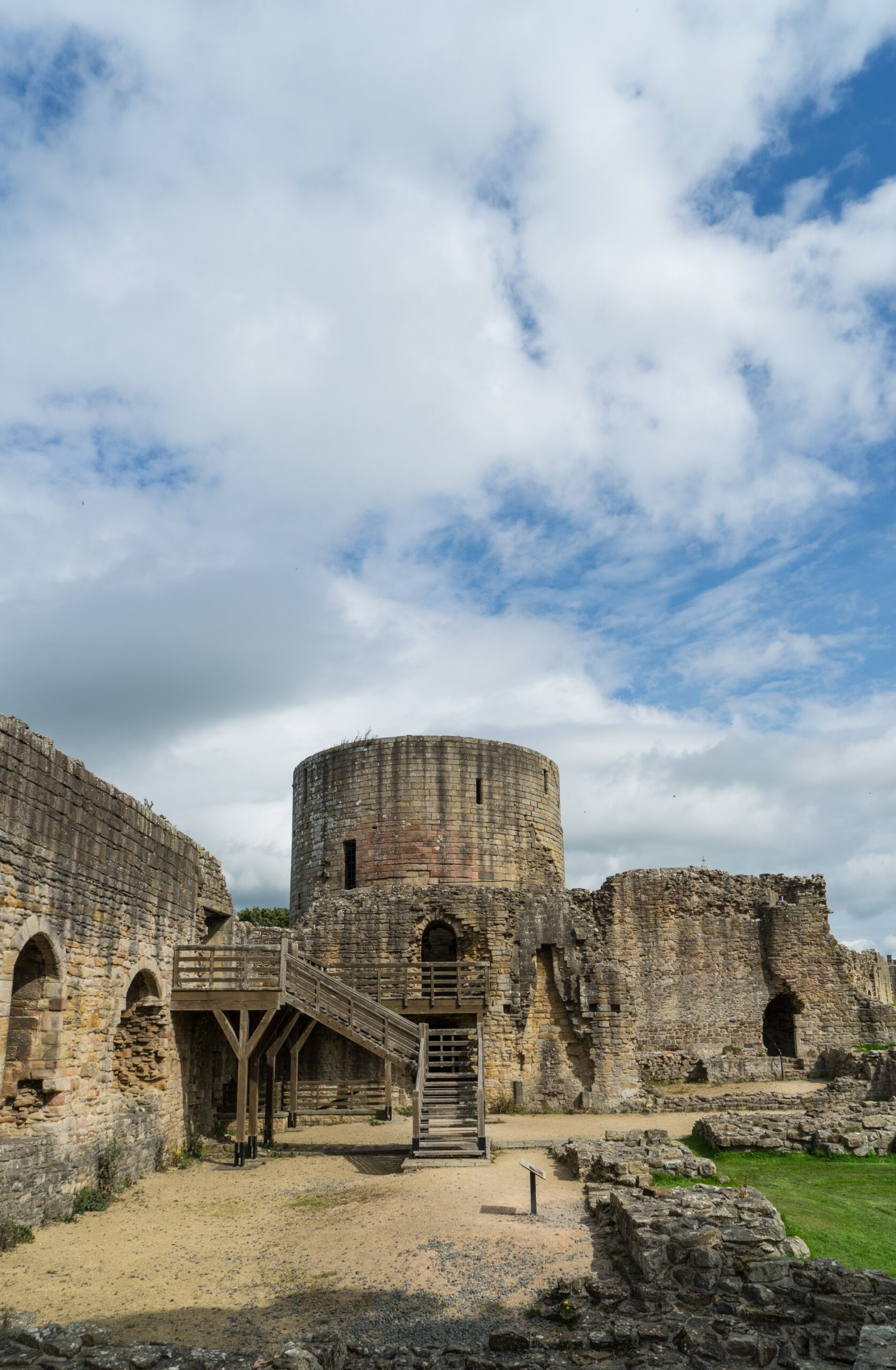
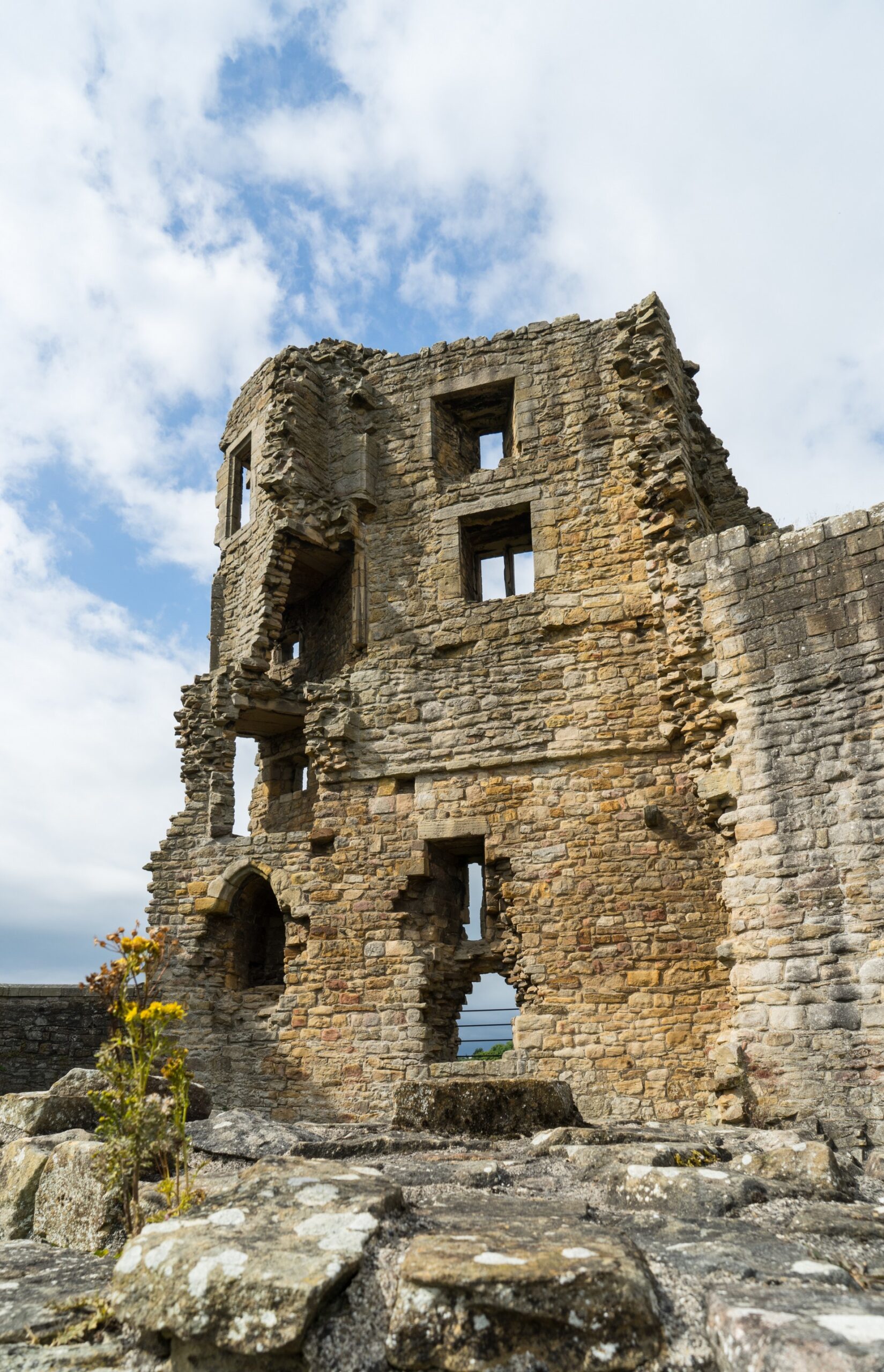
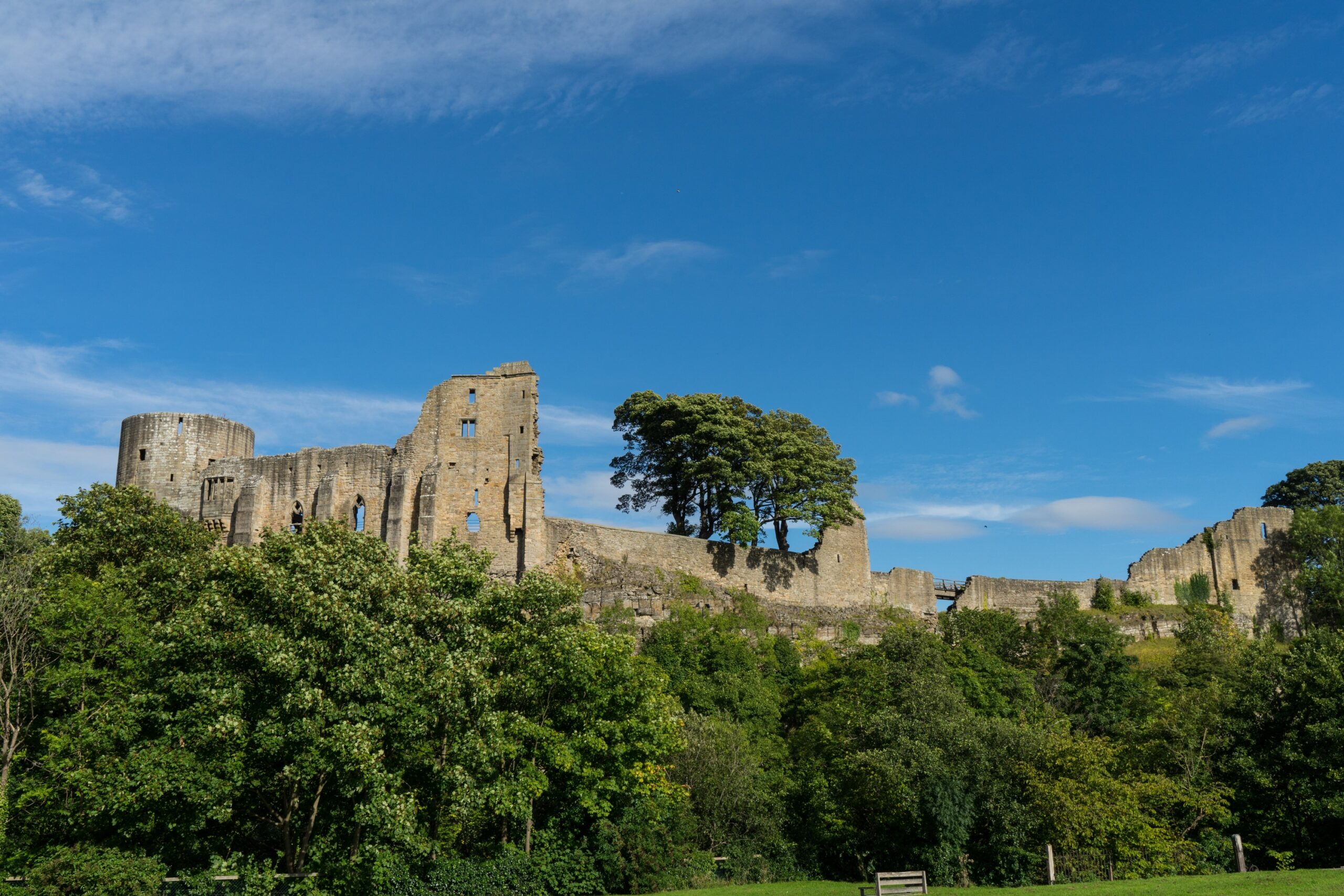
The castle is still a massive and imposing structure and has some surprisingly comfortable features such as the huge Oriel windows. The round tower is a very impressive thirteenth century building that immediately makes the other square towers in the defences look outdated.
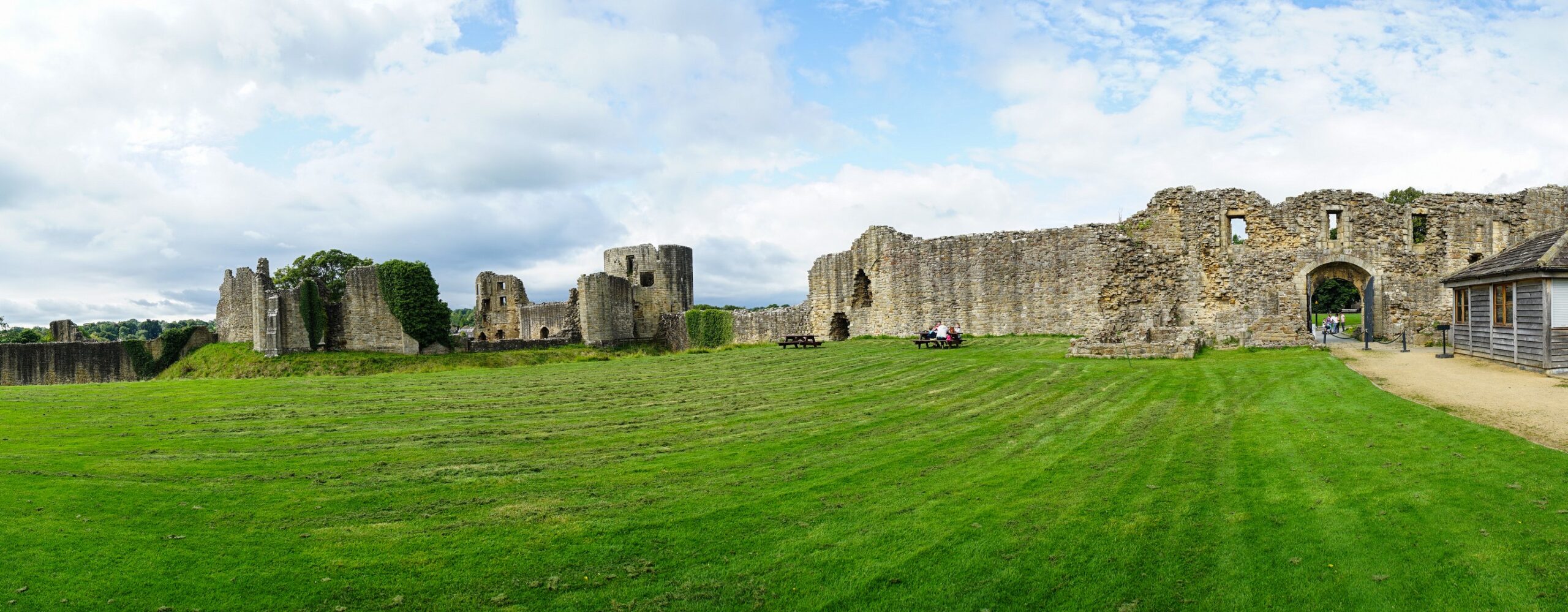
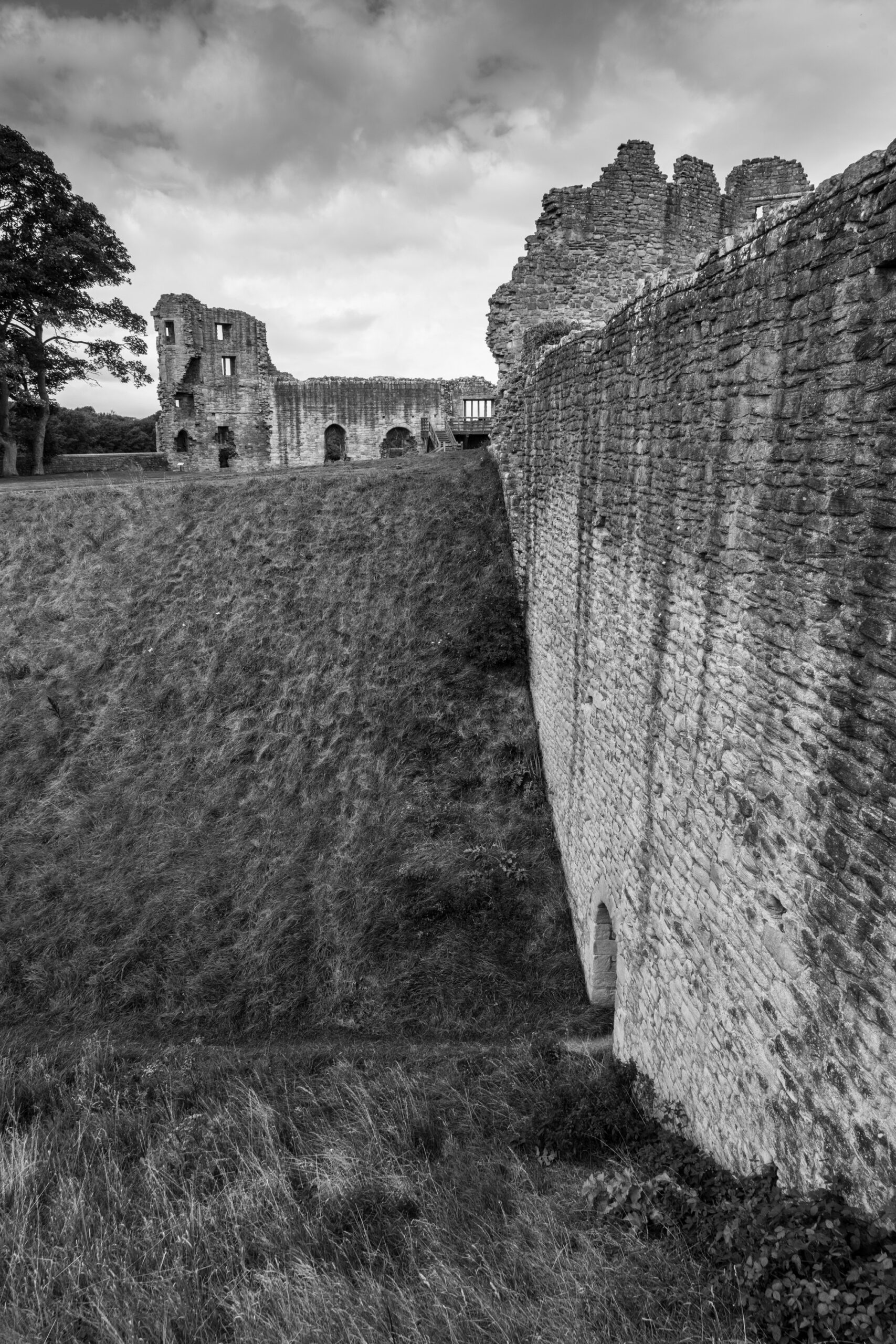
We spent quite a while wandering around the castle, it is in three distinct wards, separated by deep ditches and there is a lot still left although it was used as a quarry for the building of Raby Castle nearby. It was in such a state of disrepair Cromwell didn’t even bother to slight it!
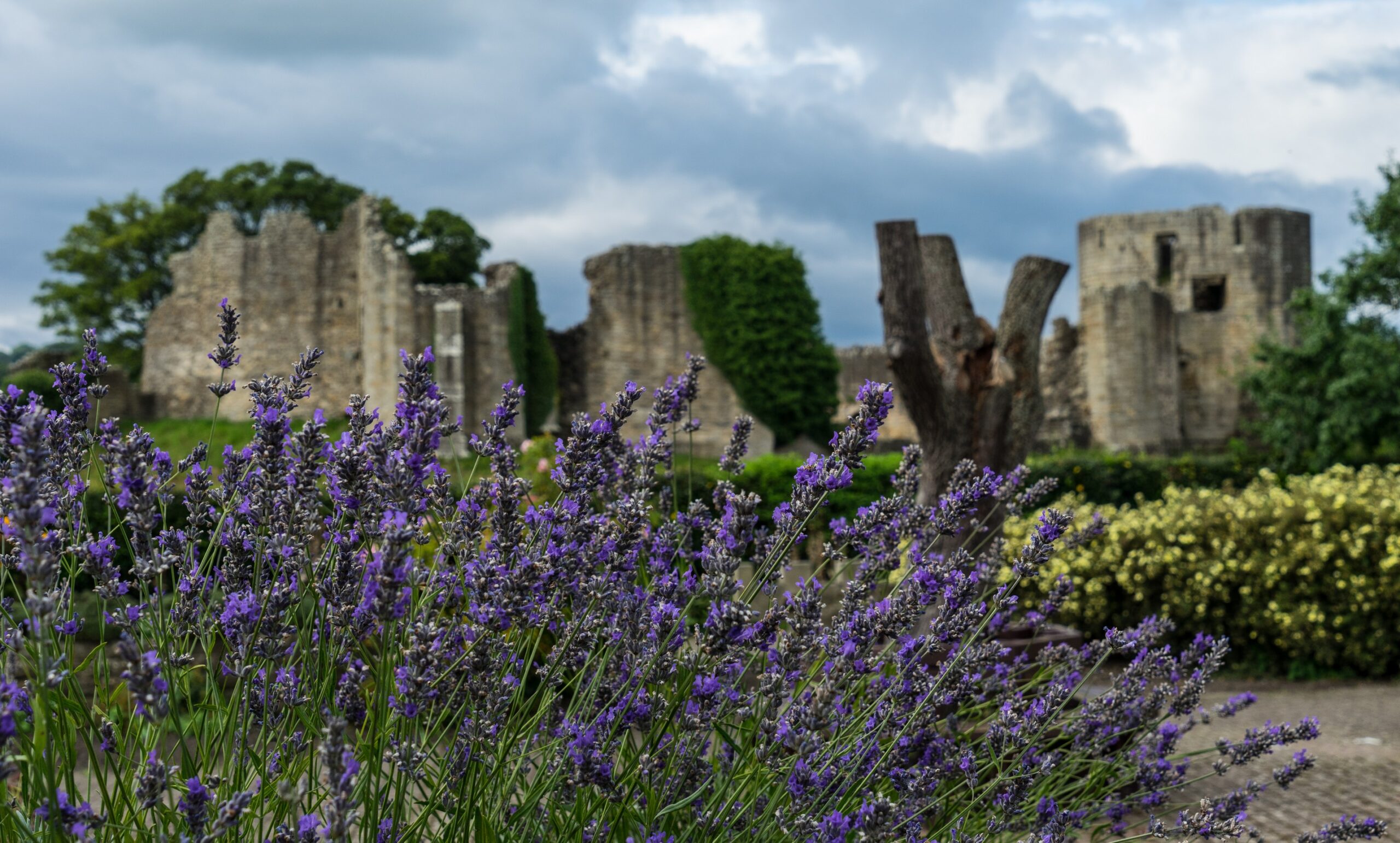
The sensory garden was excellent and the curry plant was incredibly pungent! There are plenty of areas to sit and enjoy the views over the river and surrounding countryside. If you are going to visit Barnard Castle I’d recommend allowing some time to wander round the town too. There are some beautiful buildings and plenty of cafes to have a coffee and cake, always essential!
Barnard Castle Photo Gallery


History
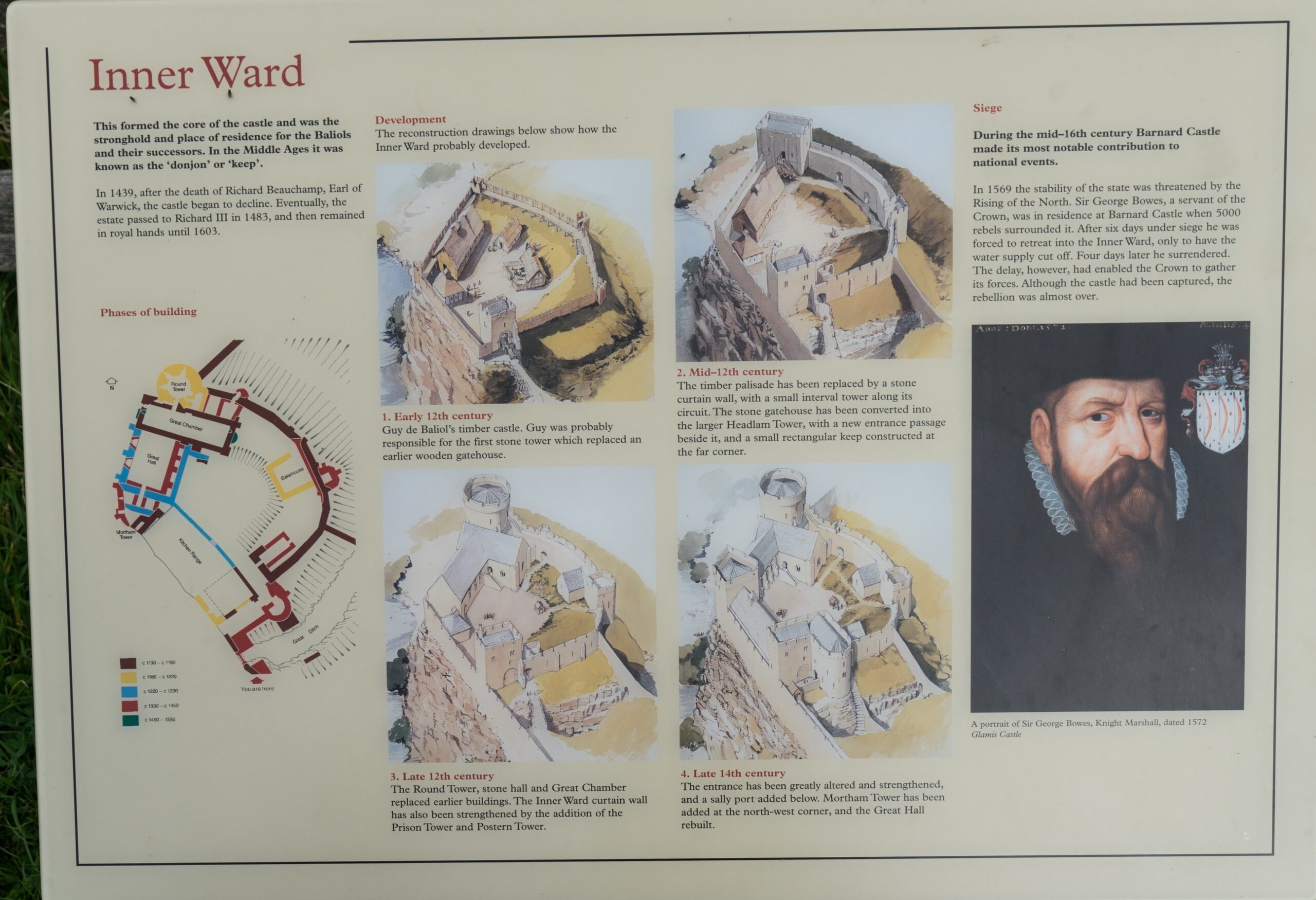
A stone castle was built on the site of an earlier defended position from around 1095 to 1125 by Guy de Balliol. Between 1125 and 1185 his nephew Bernard de Balliol and his son Bernard II extended the building.
In 1216 the castle was besieged by Alexander II, King of Scotland. It was still held by the Balliol family although its ownership was disputed by the Bishops of Durham. When John Balliol was deposed as King of Scotland in 1296 the castle was passed to the Bishop of Durham. Around 1300 Edward I granted it to the Earl of Warwick. In the 15th century the castle passed by marriage to the Neville family. In 1477 during the Wars of the Roses, Richard, Duke of Gloucester (later Richard III) took possession of the castle, which became one of his favourite residences.
Over the next two centuries the Nevilles enlarged and improved the estate and created a substantial and impressive castle. During the Rising of the North, Sir George Bowes shut himself up in the castle, where he was besieged. Following the failure of the revolt, Charles Neville, 6th Earl of Westmorland was attainted for his leading role in the Rising of the North and the Neville estates were sequestered. In 1626 the Crown sold the castle and also the Neville property at Raby Castle to Sir Henry Vane.
Vane decided to make Raby his principal residence and Barnard Castle was abandoned and its contents and much of its masonry was removed for the maintenance and improvement of Raby.
The castle is in the custody of English Heritage and is open to the public. Of particular interest are the ruins of the 12th-century cylindrical tower and the 14th-century Great hall and Great chamber. It is a Scheduled Ancient Monument, and was designated as a Grade I listed building in 1950.
References
The English Heritage page for the castle is here and also gives opening information.
The history above is copied from the Wiki page here but it is unusually brief and the EH site above gives a far more detailed history.