

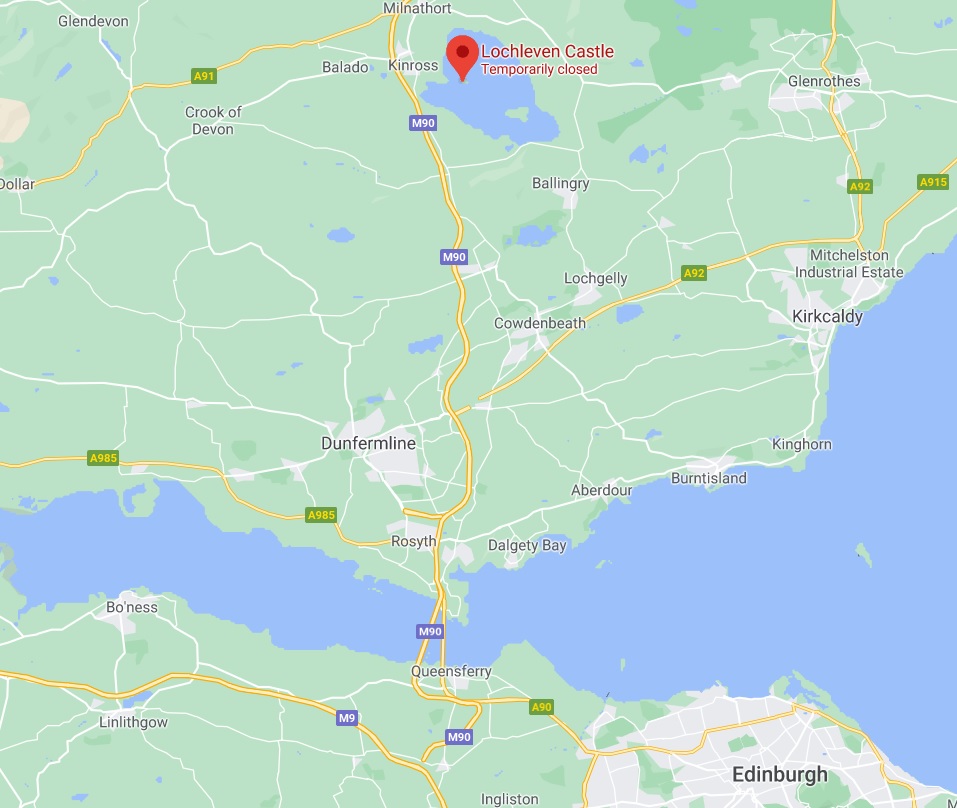
We were visiting Lochleven Castle as part of a week long road trip through Scotland, detailed in my blog here. The castle is small but it is on an island on the loch, so that makes it worth a visit!
Visiting Lochleven Castle
The car park on the mainland is easy to get to and well signposted. There is a vistor centre and toilets there and also toilets on the island. Access is obviously by boat which takes about 10 minutes each way and you need to get tickets from the visitor centre.
My Experience
Our first stop today was Lochleven Castle, where Mary Queen of Scots was held prisoner. We took the boat across to the island, which took about 10 minutes and luckily was very calm. The island is a lot larger than it used to be as the Victorians lowered the water level in the loch.
Once we’d landed we had a wander. Due to boat times we spent longer on the island than intended, the castle is pretty small but it was relaxing, although damned cold! I can’t imagine it would be a fun place to be a prisoner but I guess that was the idea.
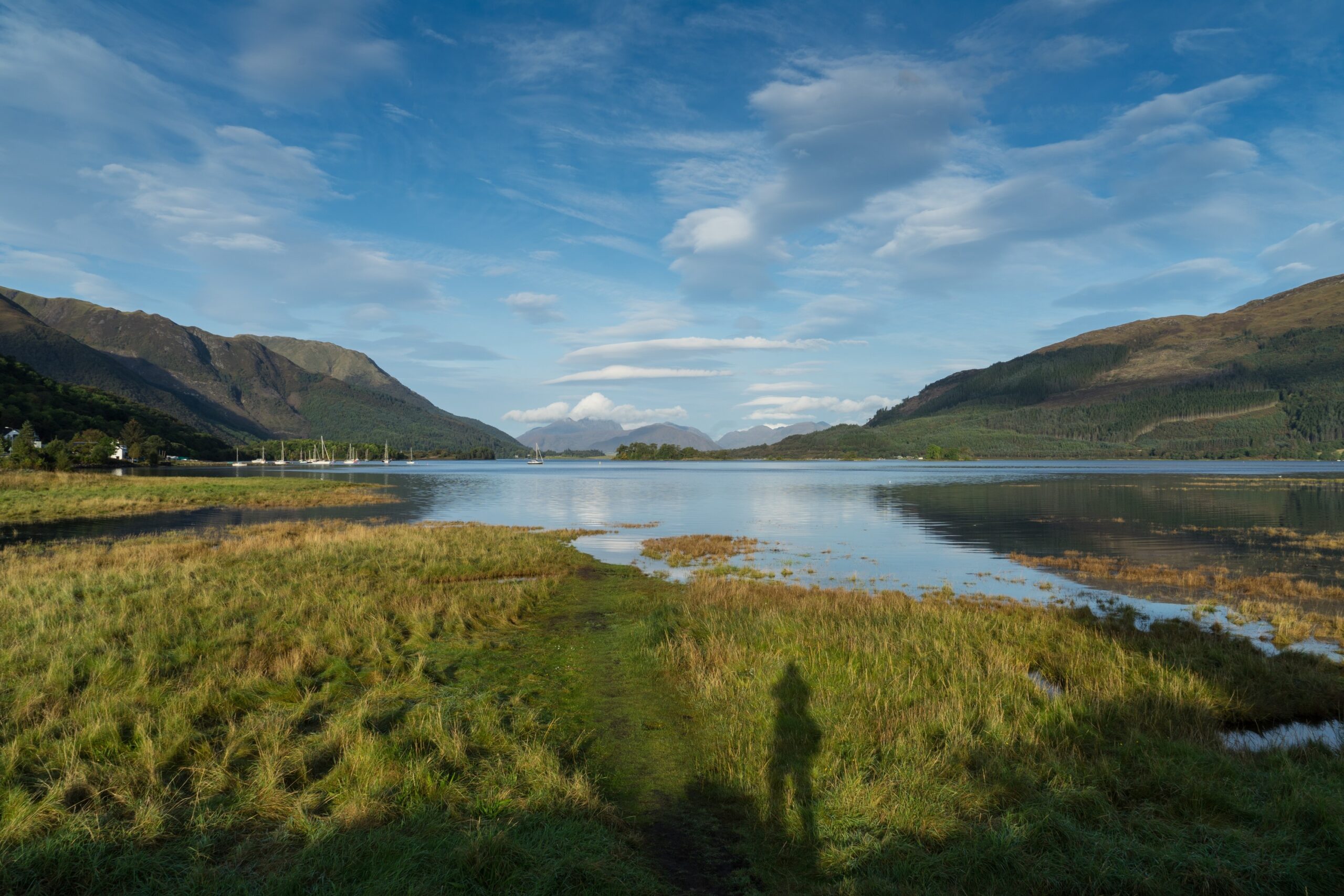
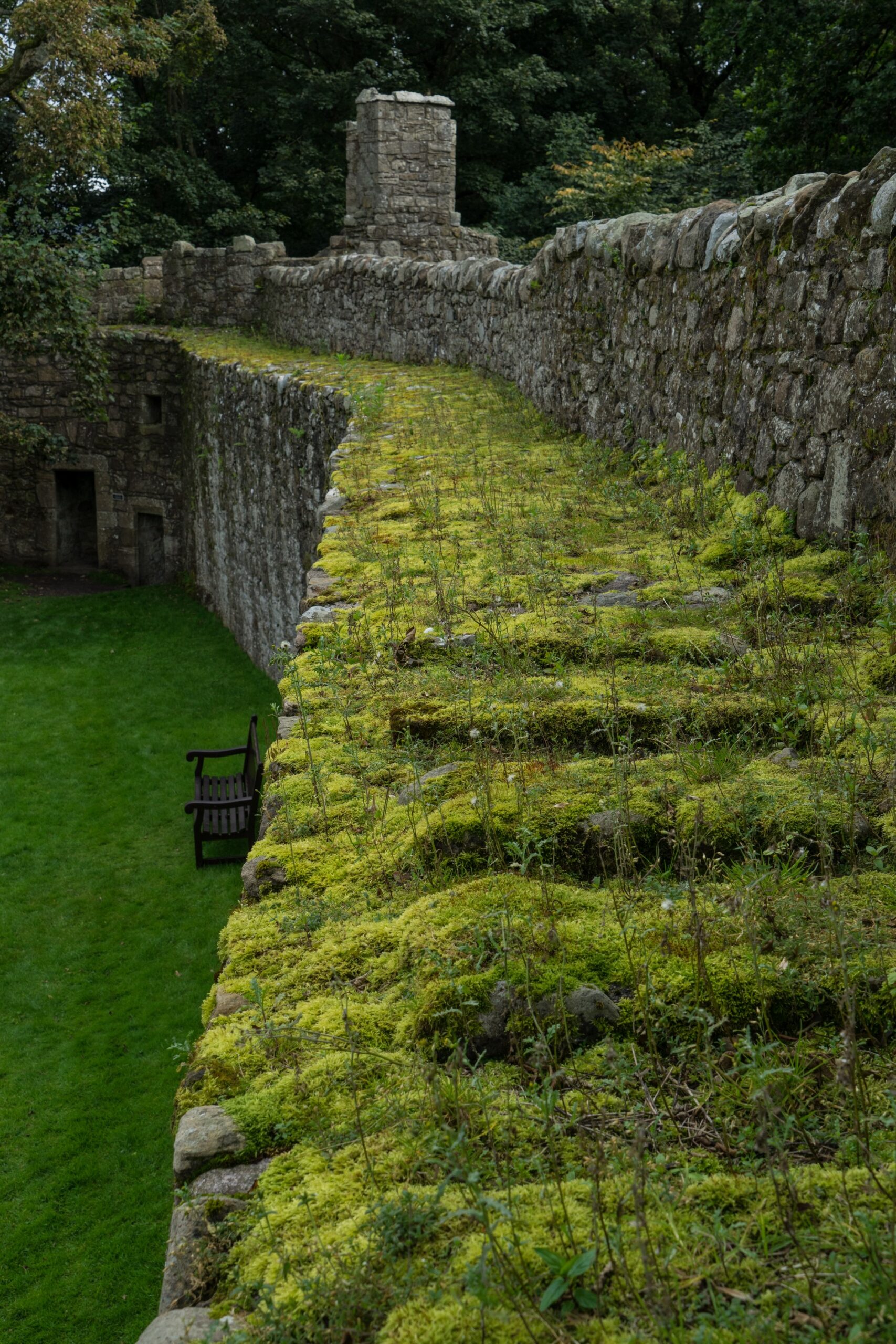
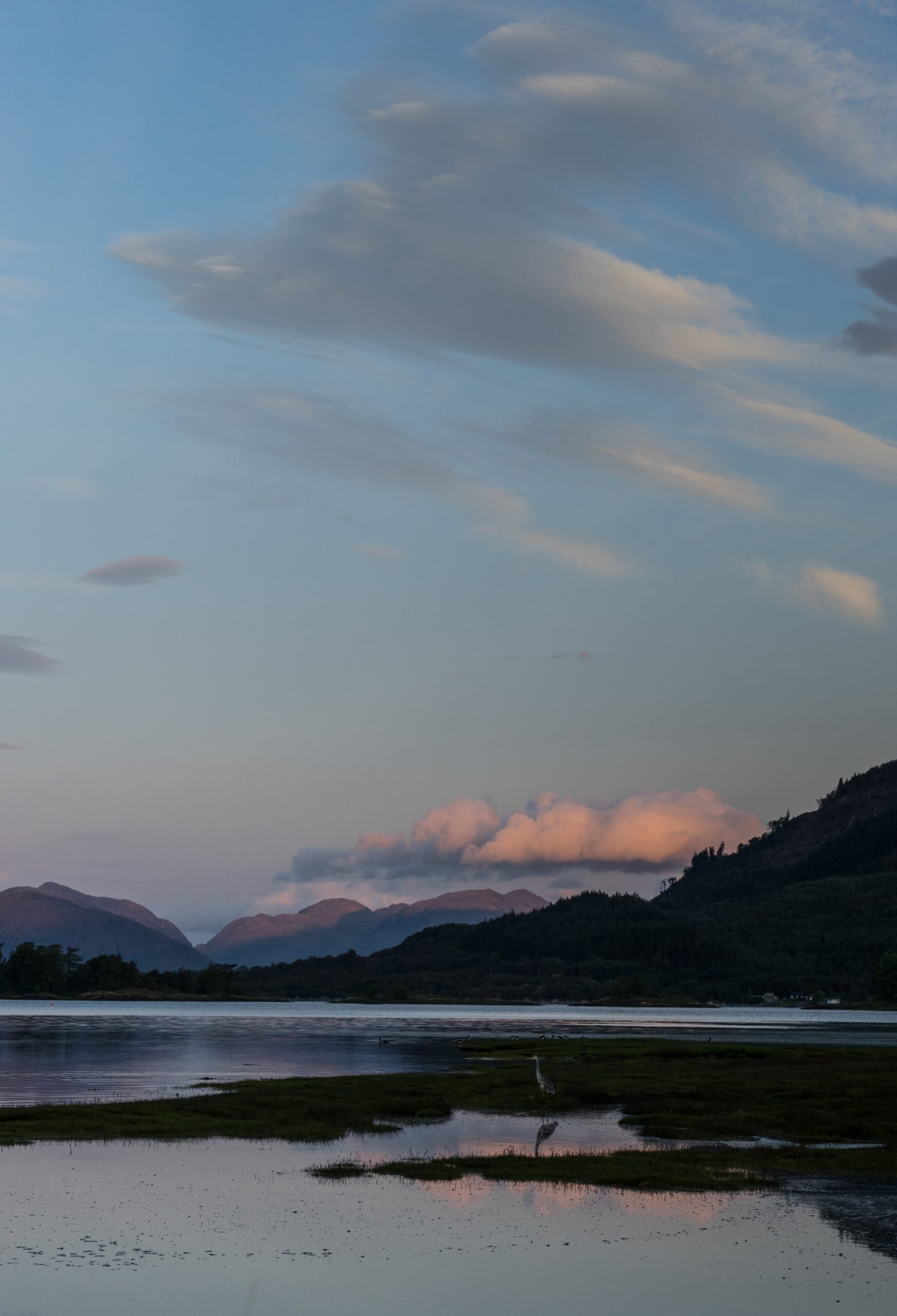
Photo Gallery of Lochleven Castle



History
Some who took the boat across Loch Leven came of their own free will, including Robert the Bruce in 1313 and 1323. Others were imprisoned within the castle walls – such as Robert Stewart in 1369, two years before his coronation as Robert II.
Mary Queen of Scots first visited Lochleven in 1561 as a guest of its owner, Sir William Douglas. Her last stay, in 1567–8, was as his prisoner.
While at Lochleven, Mary:
- suffered a miscarriage of twins – likely fathered by her third husband, the Earl of Bothwell
- was compelled to abdicate her throne in favour of her infant son, James VI
In May 1568, Mary escaped across the loch and was in exile in England later that month. She never saw her native land again.
The island was much smaller in the days before the loch was partially drained in 1836. When Mary was a prisoner, Lochleven was just the walled castle enclosure and its little garden to the north.
Blind Harry, writing in the 1470s, told of Sir William Wallace capturing the castle around 1300, killing all 30 “Inglismen” he found there. There’s no real evidence to support this fanciful account. But we do know that in 1333, after the Halidon Hill defeat, Lochleven was one of only five castles holding out against the English.
The tall tower house that dominates the castle ruins is one of Scotland’s oldest, built in the 1300s. Its original entrance (later closed) is 5m above ground level, giving direct access to the lord’s hall on the second floor. A fear of flooding may have led to this unusual layout.
Inside, the kitchen and service areas are on the bottom two floors, with the living space above.
During Mary’s time here, the floor above the hall served as her prison. A window was converted into a tiny oratory (chapel) for her private use. The top floor, which housed the queen’s doctor, is where Mary disguised herself before she fled.
References
The Historic Scotland site with opening times is here and the history above is copied from that site.
The Wiki page with more detail is here.