

This was the second time we were visiting Crichton Castle as on the first occasion I’d managed to choose a day when it was closed! I had never actually heard of the place but saw the sign as I was travelling between Edinburgh and Newcastle for work.
Visiting Crichton Castle
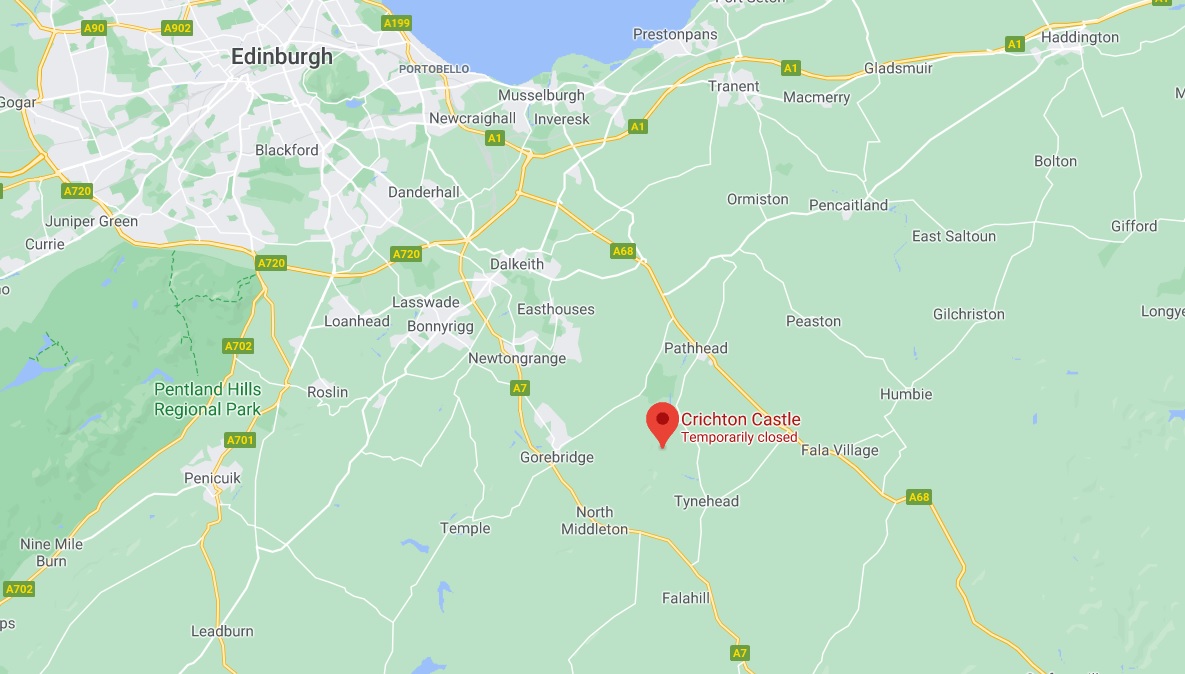
Chrichton Castle is located about 5-10 minutes drive from the main A roads, along some small and narrow roads. There is a decent sized car park but no other facilities at the castle although it is a manned, pay to enter site and it is a reasonable walk from the car park to the castle itself.
My Experience
We were visiting Crichton as part of a Scottish tour (mostly castle and abbey focused!) that is detailed in my blog here. There were actually 4 other cars in the car park when we arrived which was a surprise!
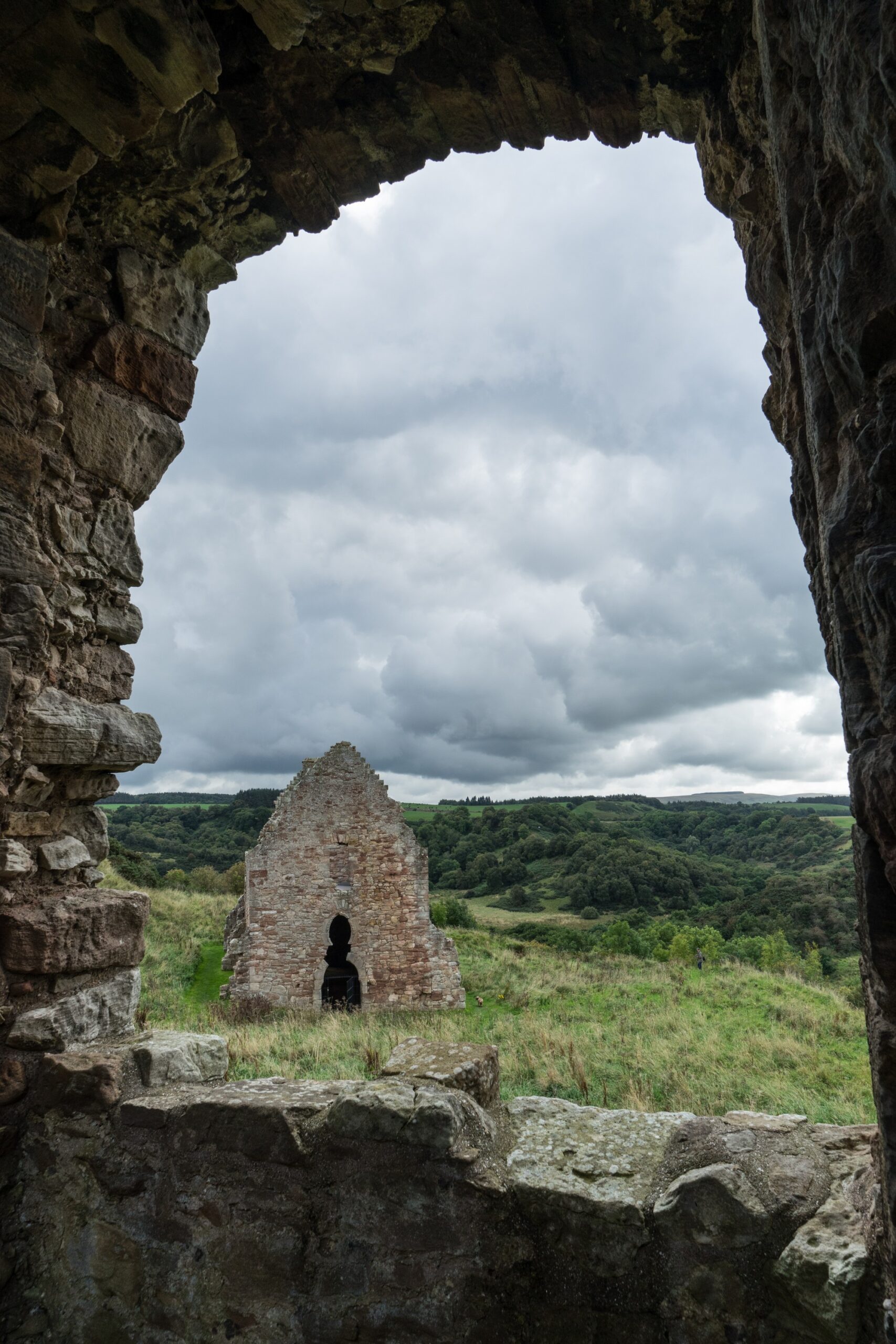
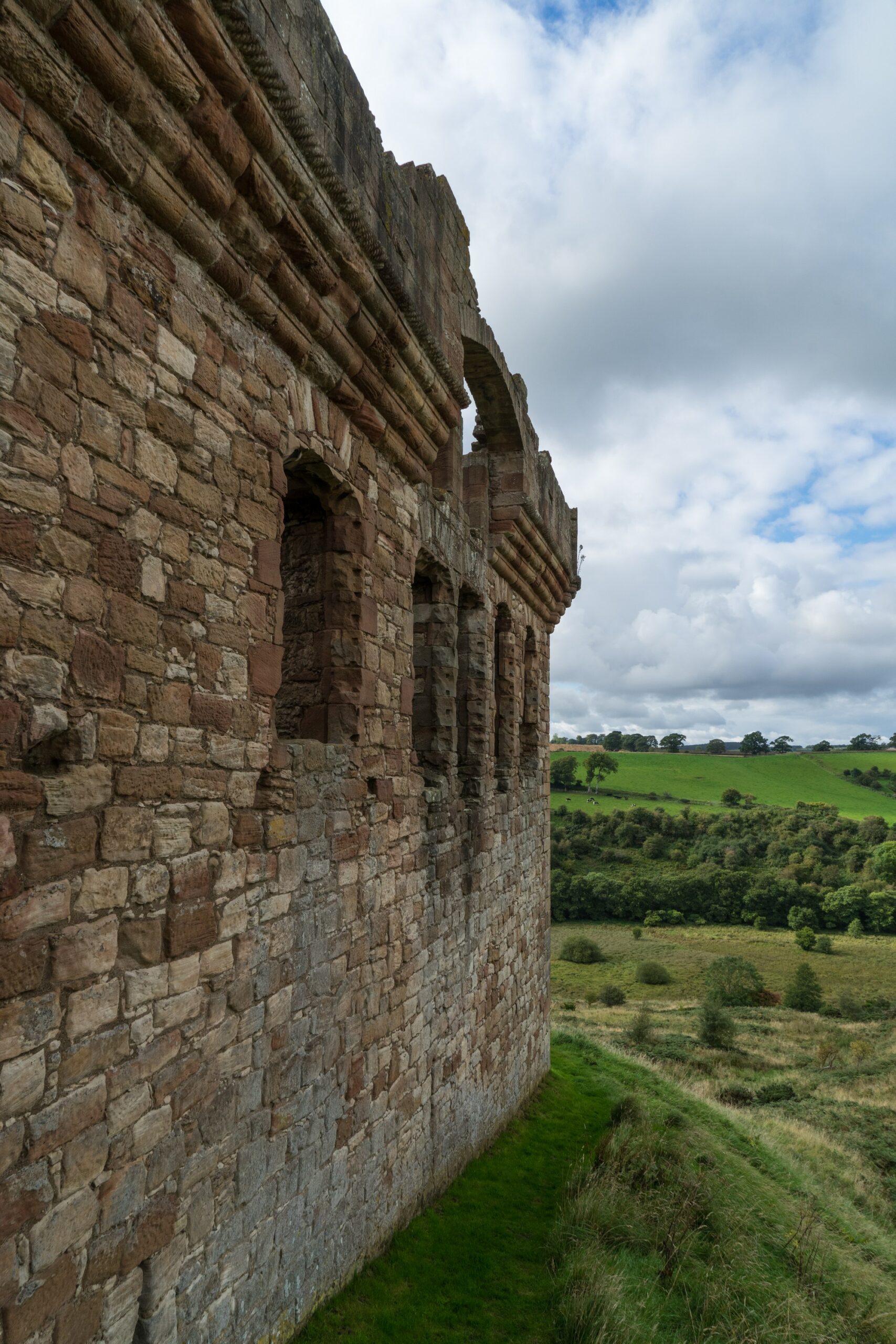
As you approach the castle it seems to be in a very strange tactical position, being part way down the valley side so both overlooking and being overlooked by the surrounding countryside. As well as the usual defensive structures this fortress also has a nod to comfort and aesthetics with a diamond faceted facade in the Great Hall.
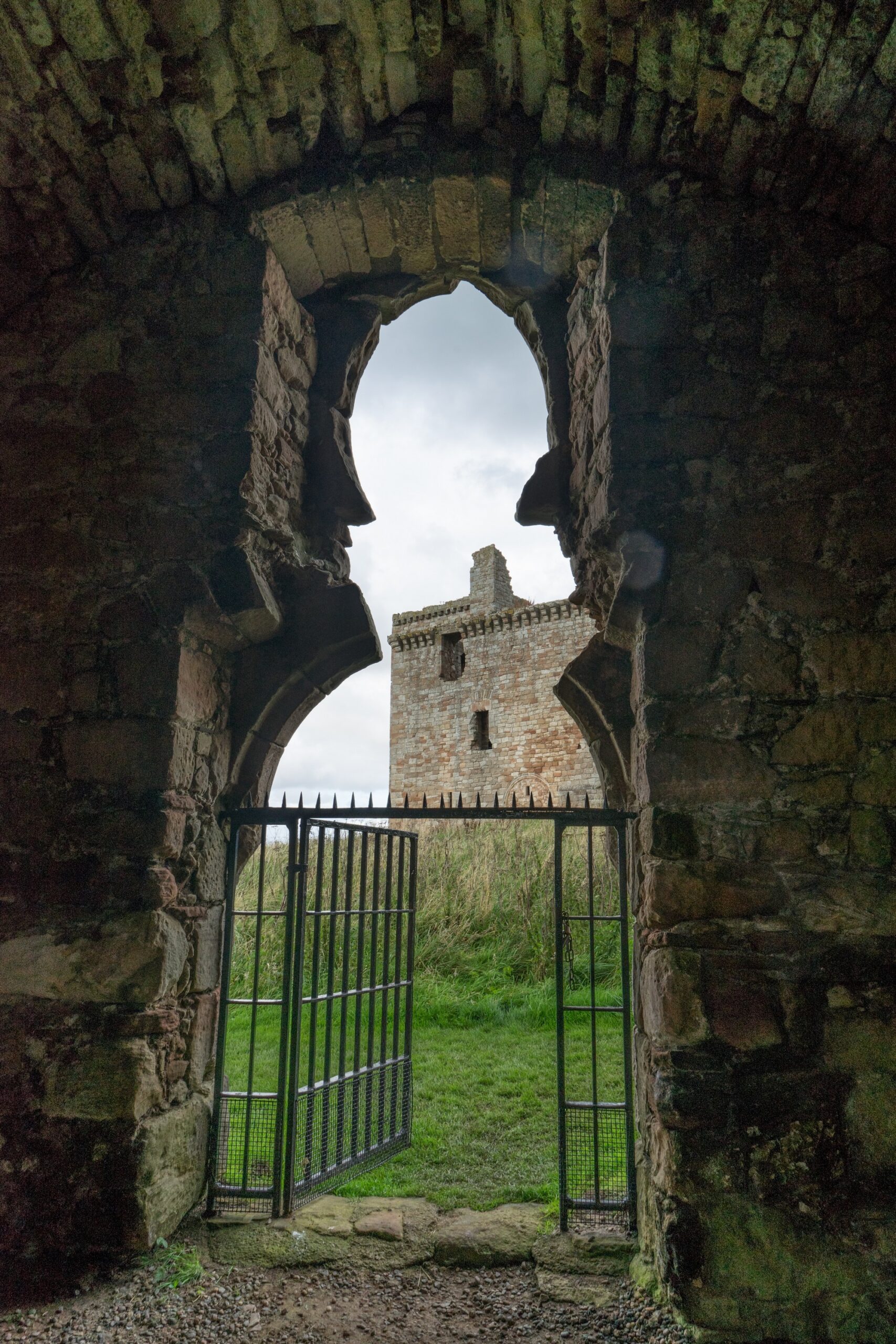
The nearby stables is a fascinating building in itself and the castle has a couple of sets of still usable stairs for access to the first floor. I’m not sure what outer works there were and whether the castle ever actually saw action but it had plenty of gun loops, thick walls and battlements.
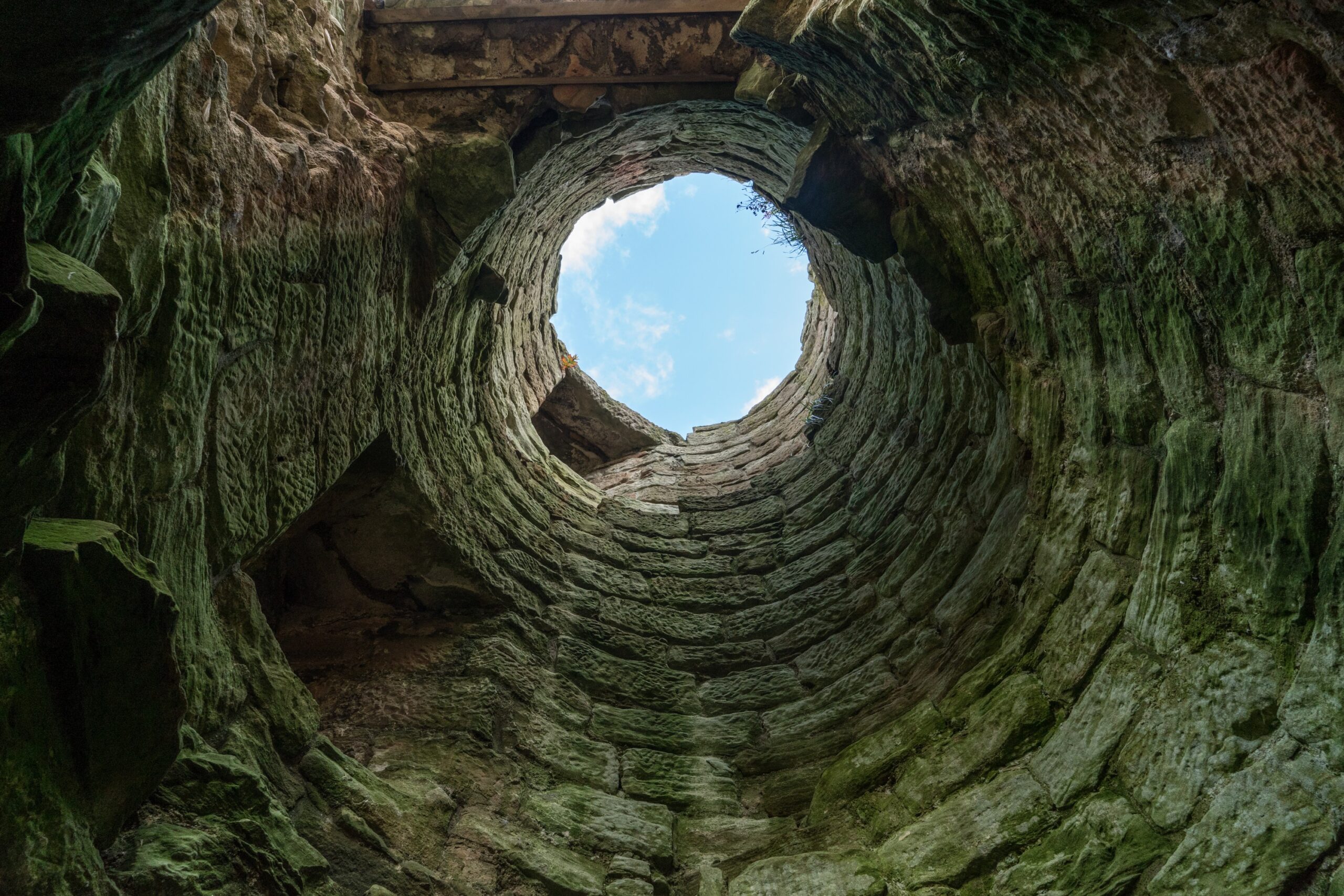
Photo Gallery of Crichton Castle





History
Crichton Castle is a ruined castle near the village of Crichton in Midlothian, Scotland. It is situated at the head of the River Tyne, 2 miles (3.2 km) south of the village of Pathhead, and the same distance east of Gorebridge.
Constructed as a tower house in the late 14th century, and it was expanded as power of the Crichton family grew. However, the Crichtons fell from favour in the later 15th century, and the castle passed to the Earls of Bothwell. Francis Stewart, 5th Earl of Bothwell, constructed the Italianate north range in the 1580s, featuring an elaborate diamond-patterned facade. After Bothwell was accused of witchcraft the castle fell into neglect. The ruins are now in the care of Historic Environment Scotland, and are open to the public.
References
The Historic Scotland website with access information as well as a castle overview is here.
The Wiki site that the above history is taken from is here and gives more detailed information.