
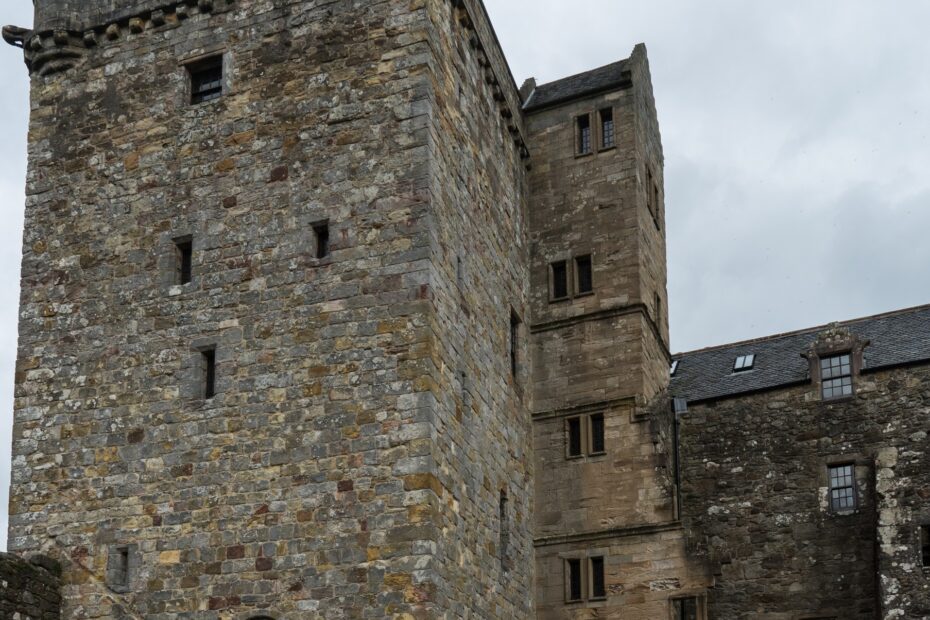
Castle Campbell was chosen for a visit as part of our Scottish road trip. I had seen the sign posts many times whilst working nearby so we finally decided to make this classic Scottish tower a destination.

Visiting Castle Campbell
This is one of those places that, unless you like trudging up a long, windy and steep road, you need to get to early. There are several small car parks at various distances up the hill so the later you arrive the further away you have to park and therefore walk. Even the closest car park is a 500m walk to the castle.
Facilities include a very small shop and, thankfully, toilets. The castle is also the starting point for several very pretty walks around Dollar Glen.
My Experience
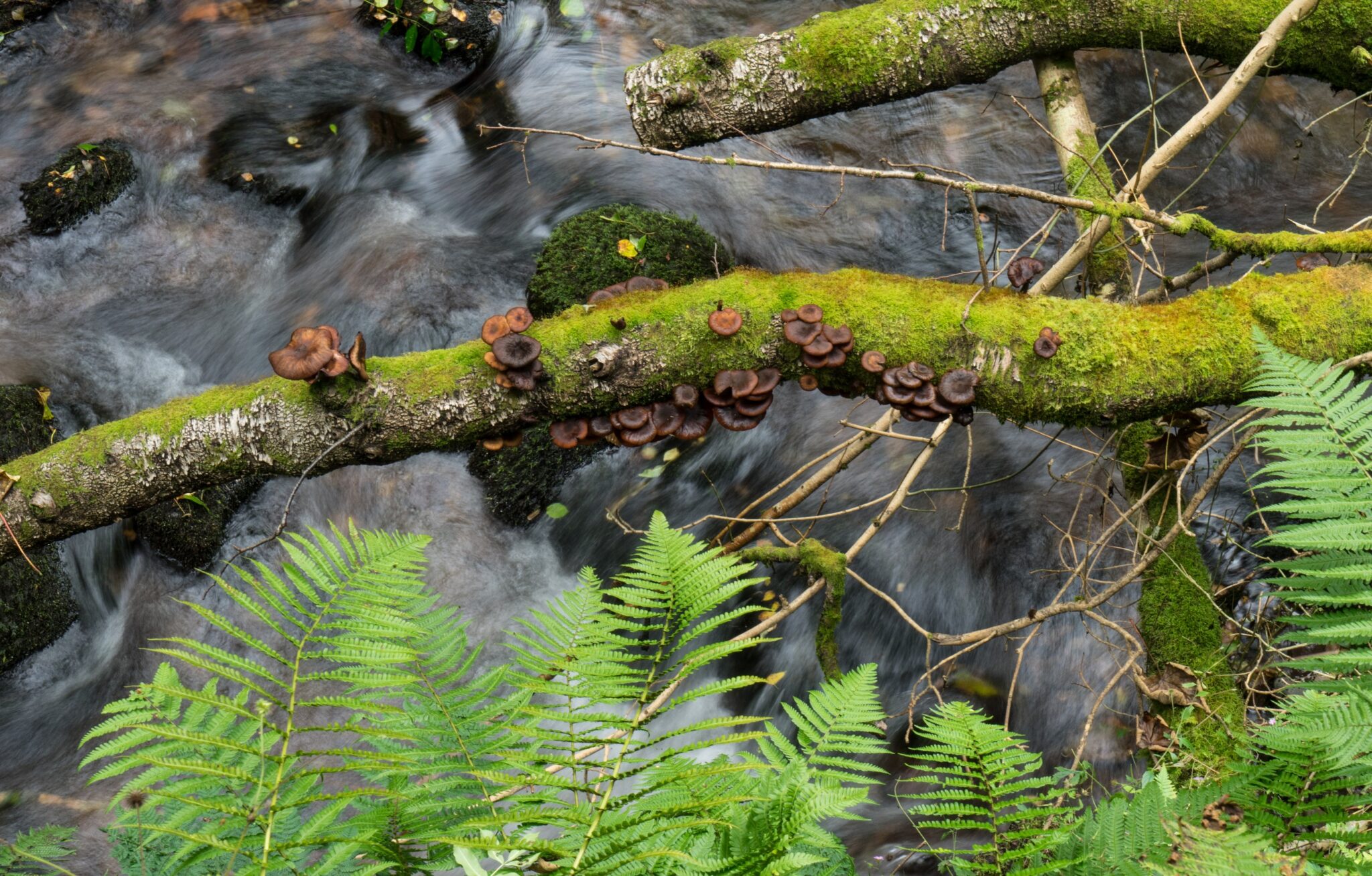
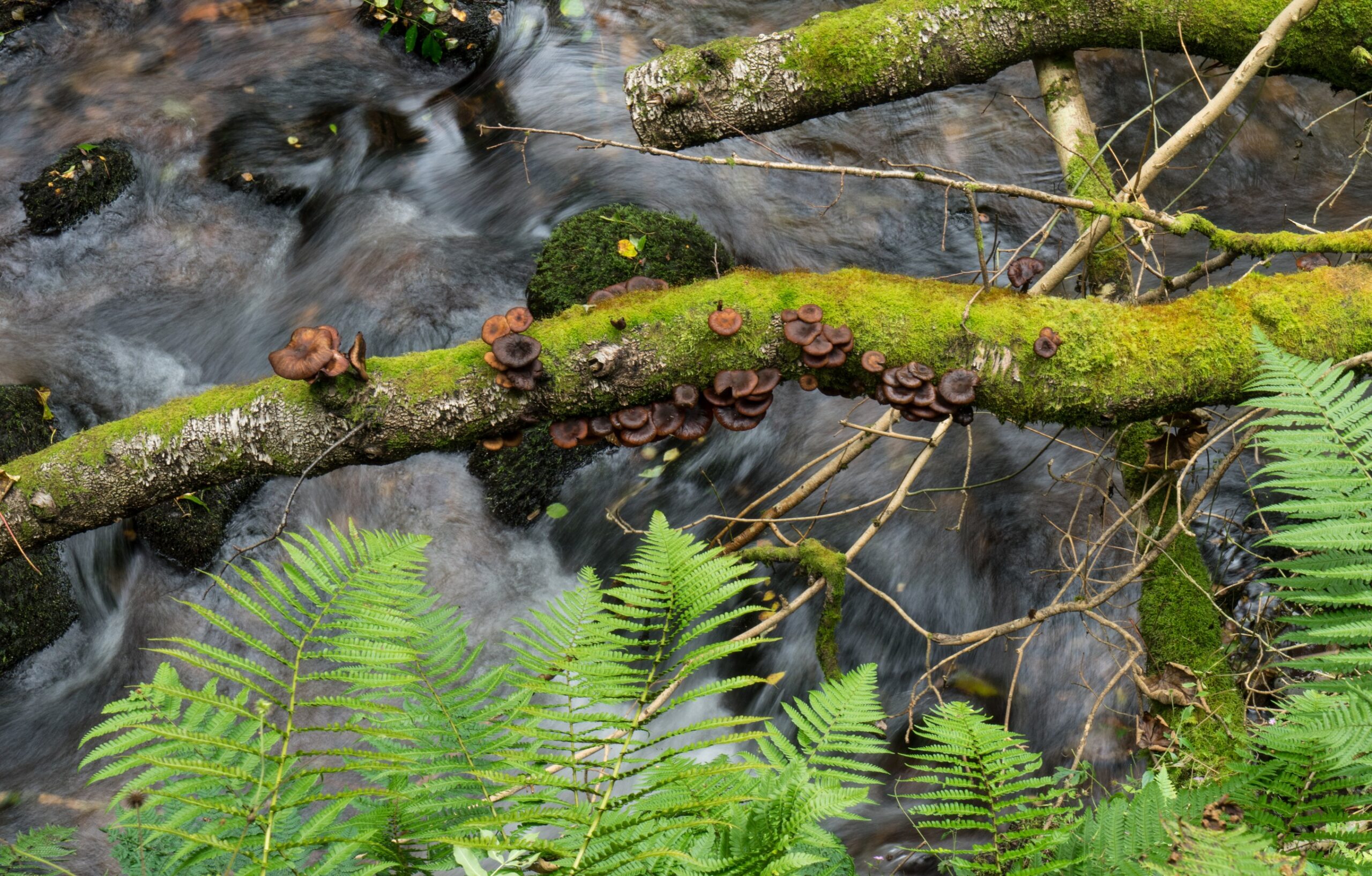
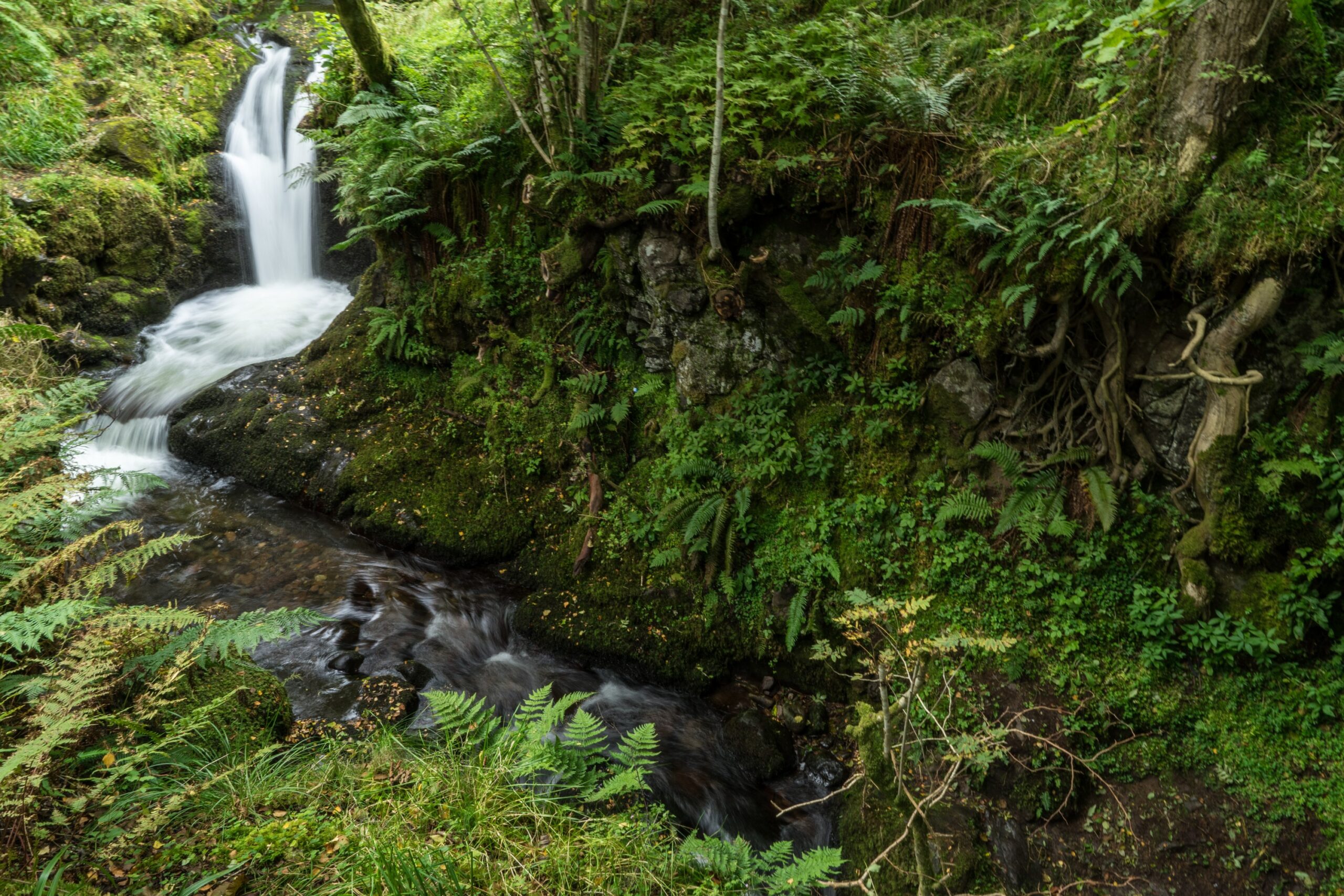
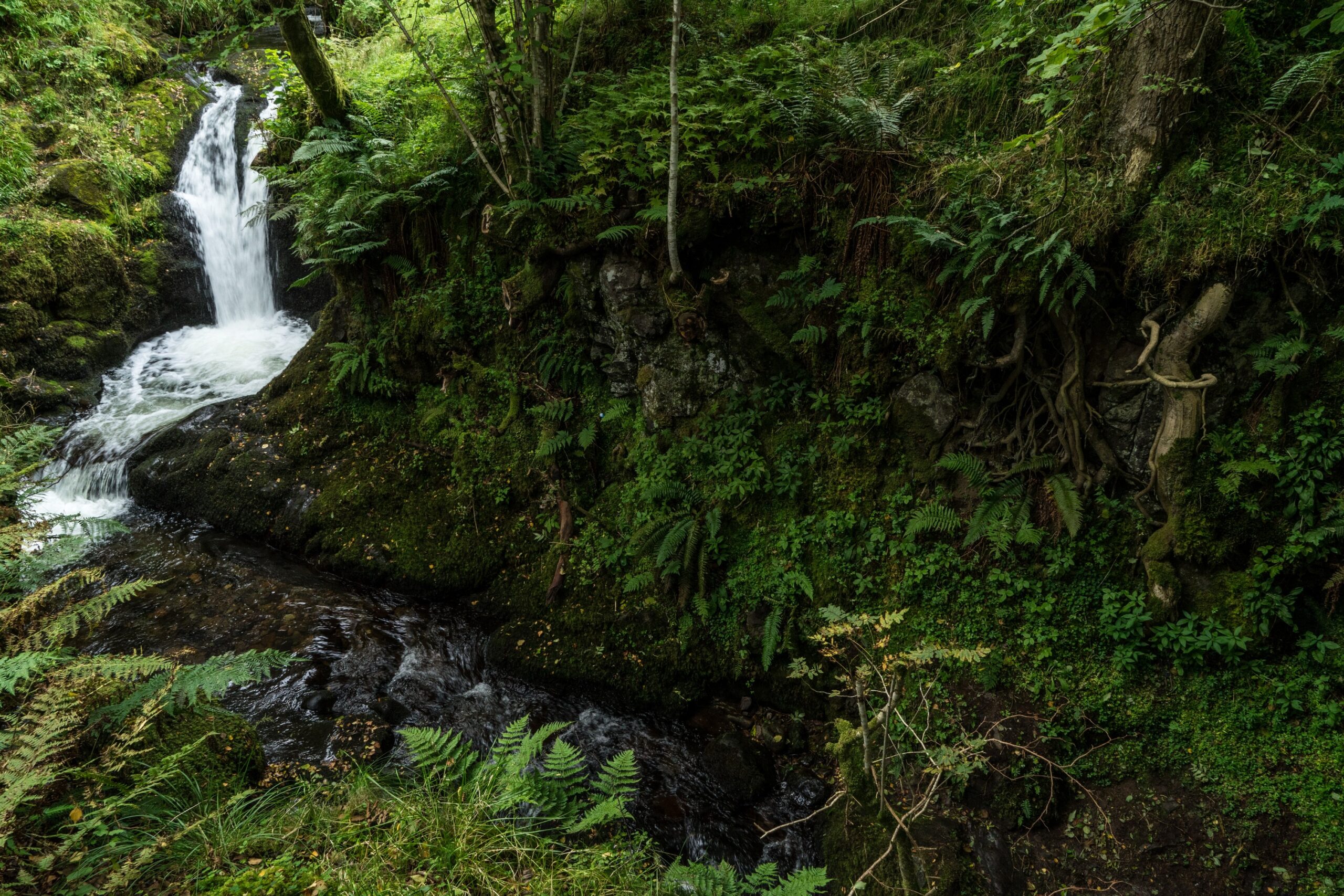
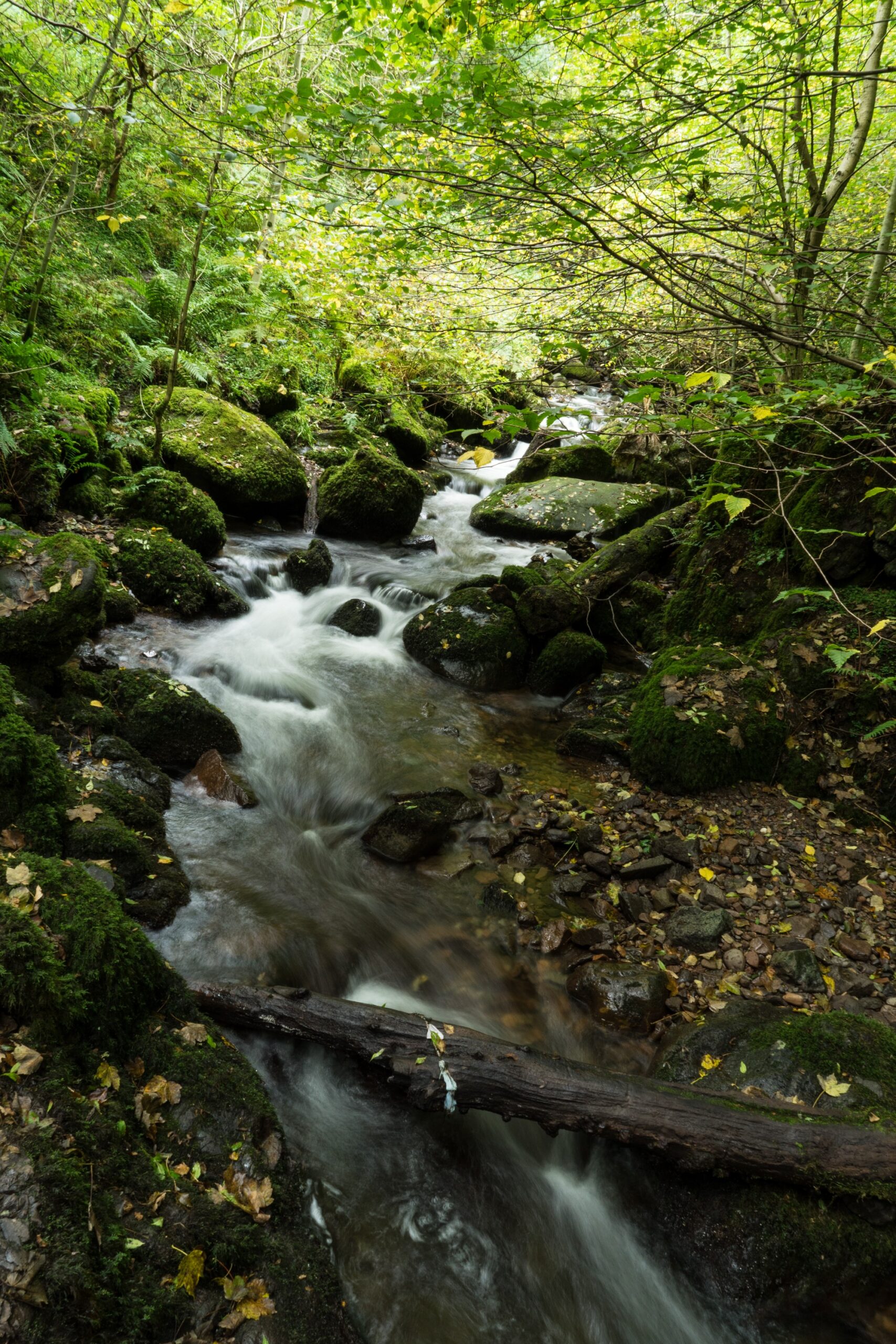
Our main visit of the day was to Dollar Glen and Castle Campbell. We spent a couple of hours walking around the glen and watching the waterfalls. The area is incredibly pretty and it was a nice change to do some sustained walking, although we did stop for photos frequently. At least we both warmed up with the climbing!
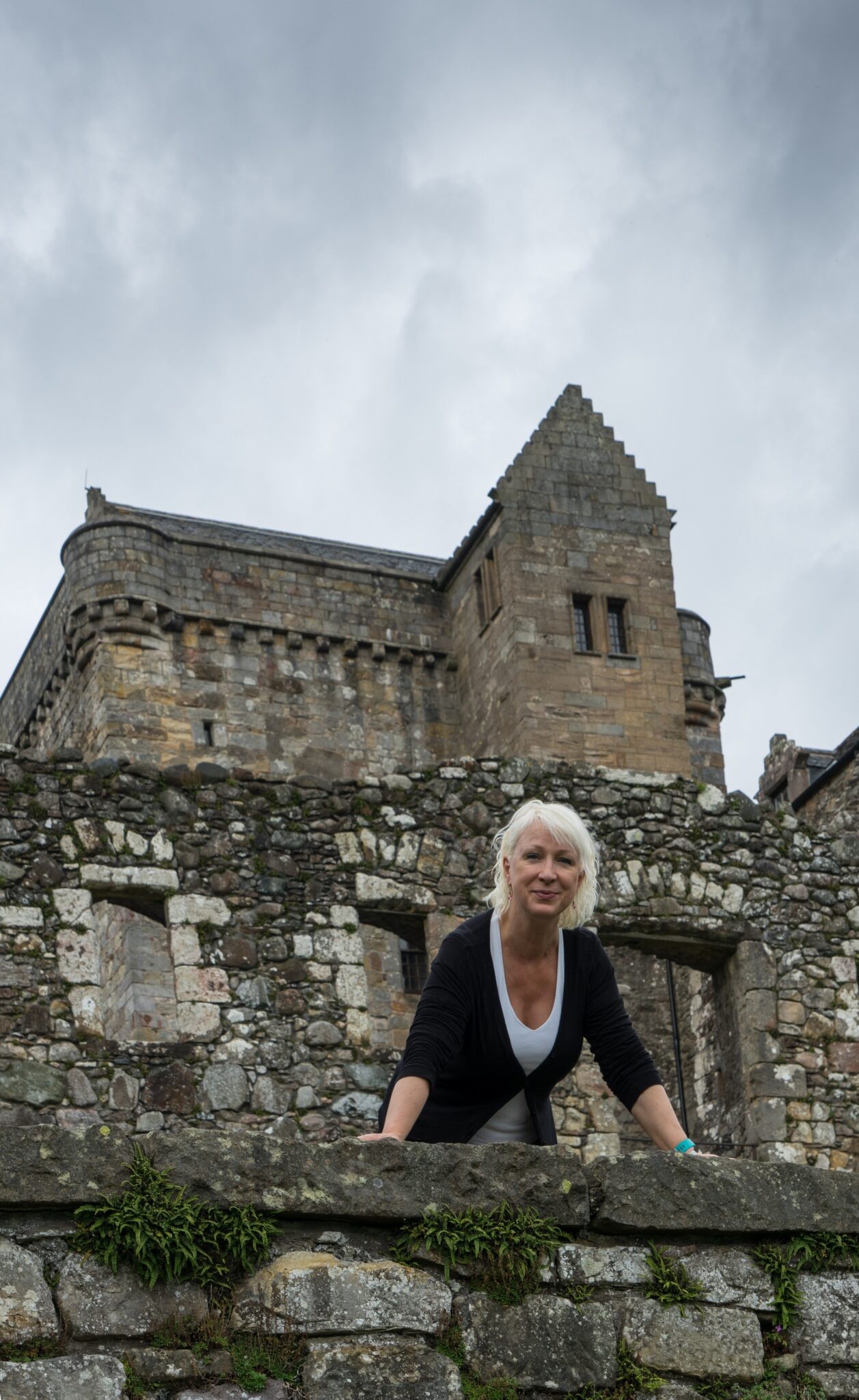
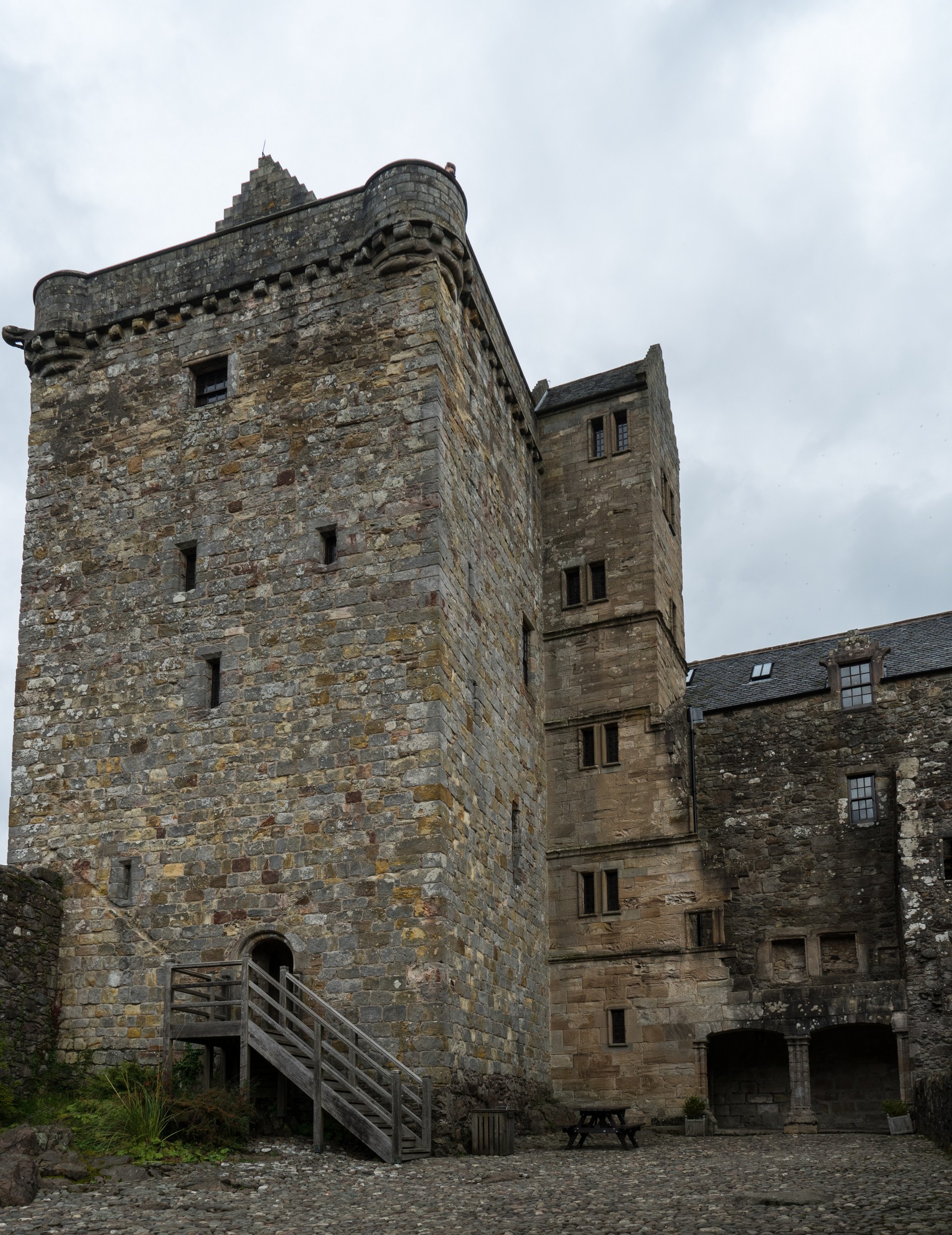
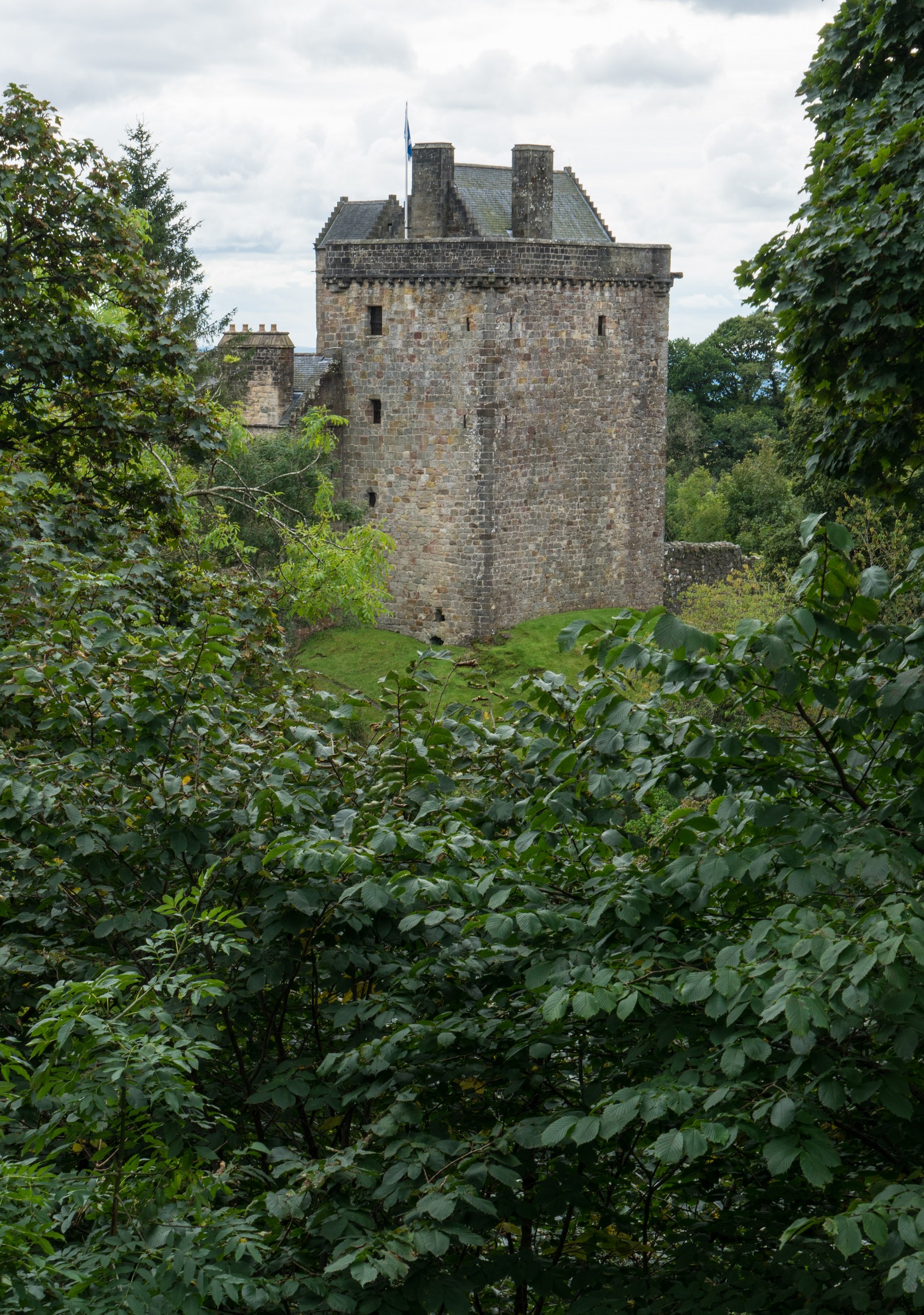
On our return from the glen loop we went in to visit Castle Campbell. This is a 19th century restoration but we were able to go into the tower house and work our way from the cellars up to the roof terrace.
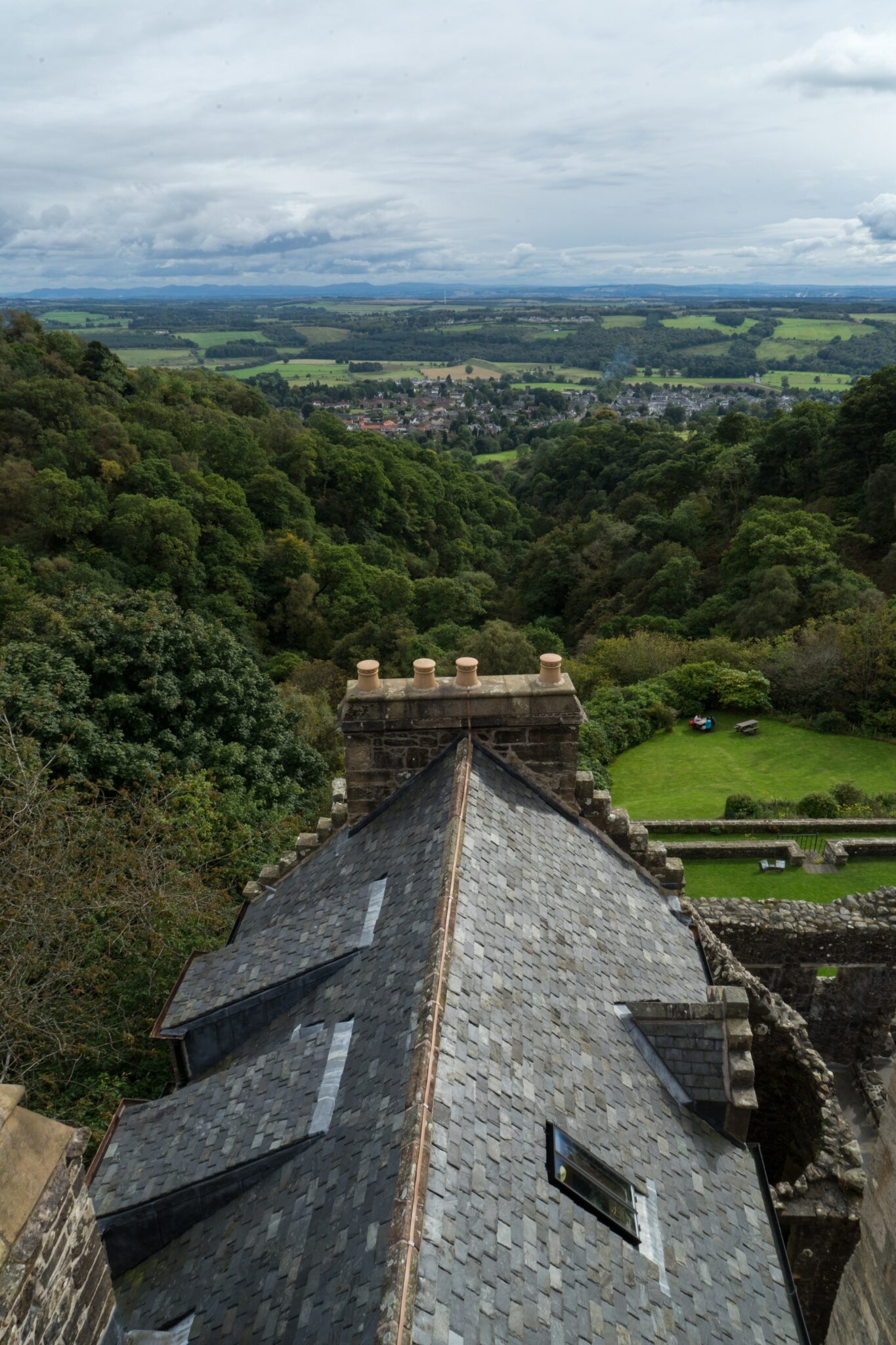
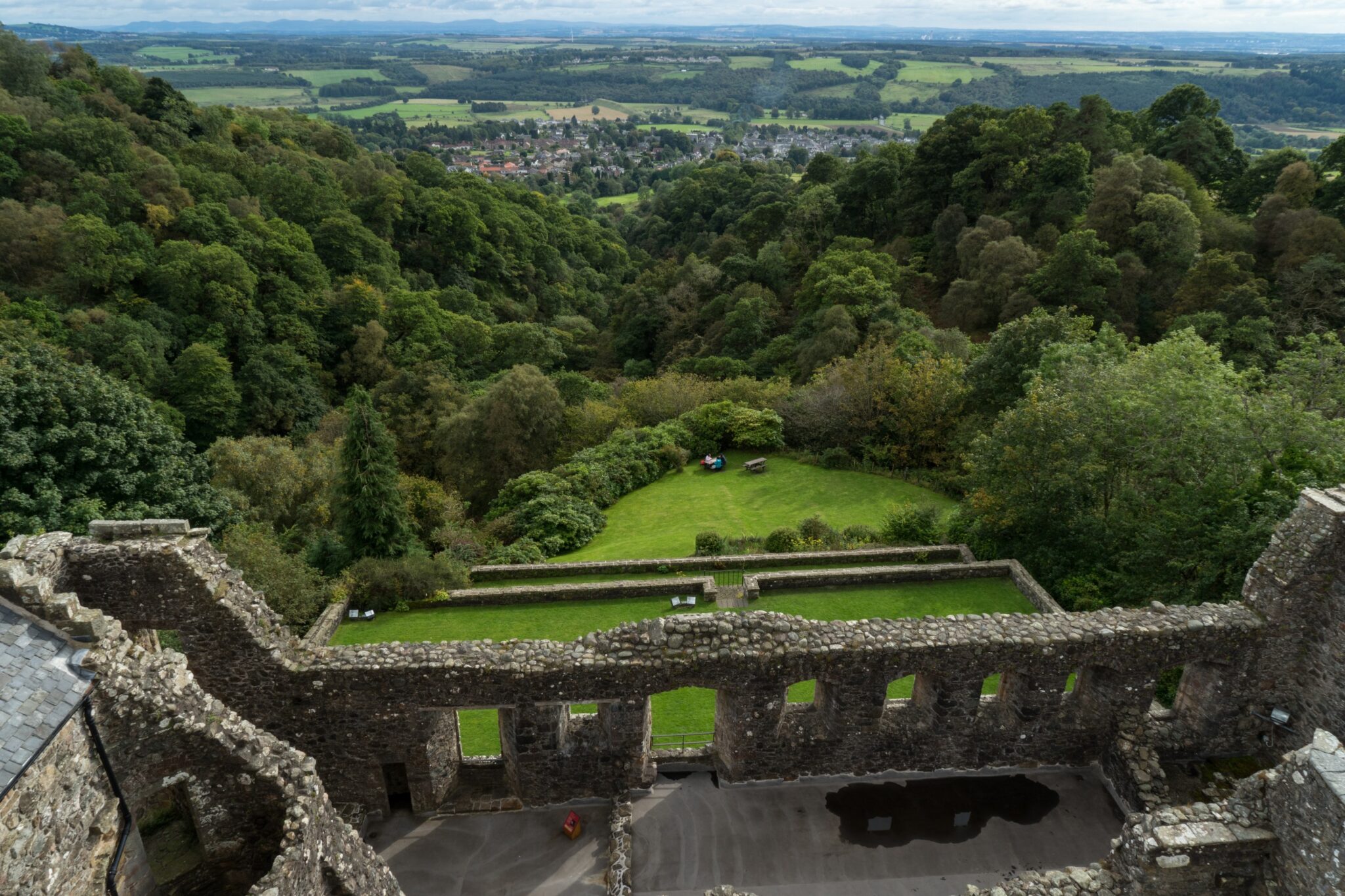
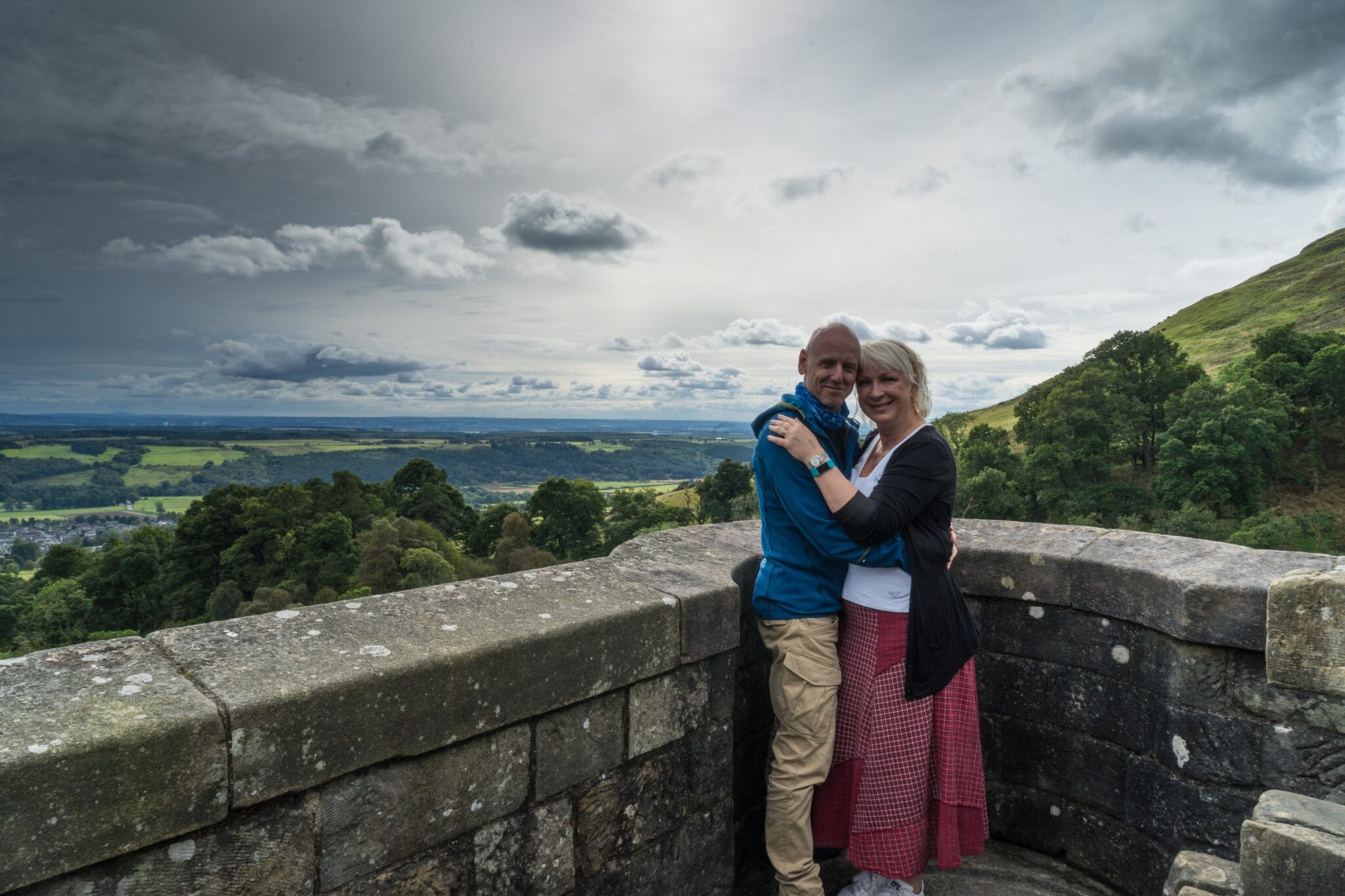
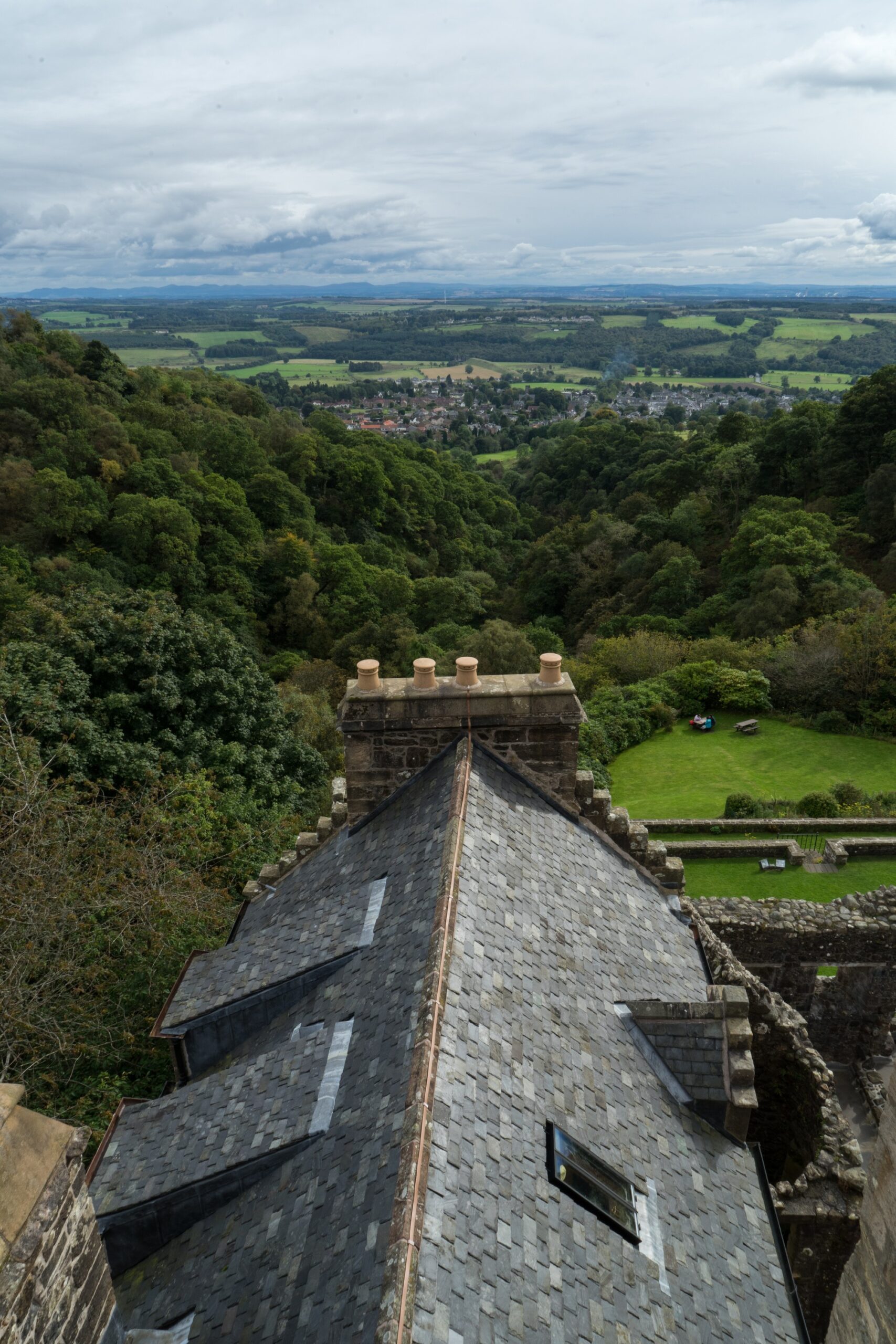
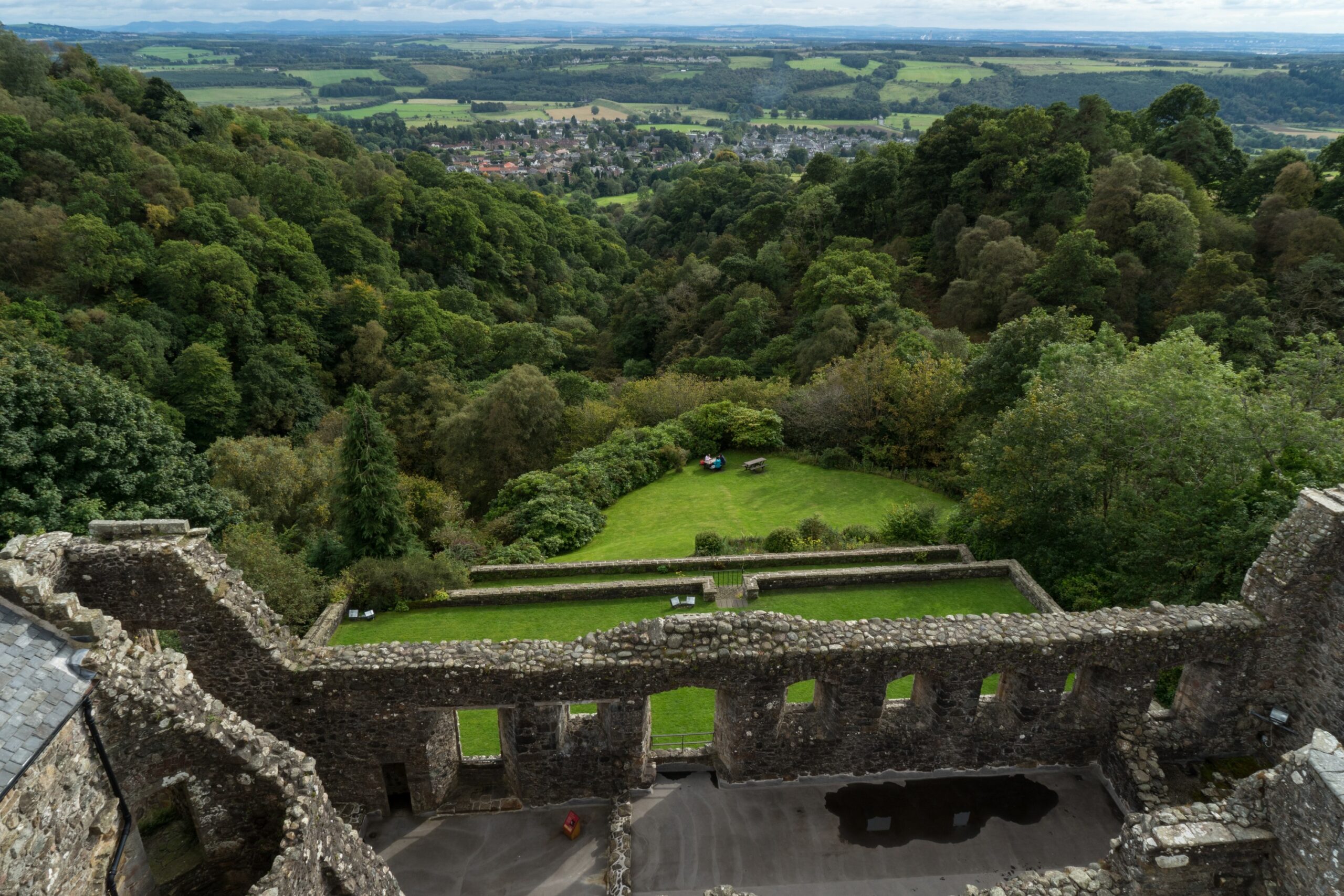
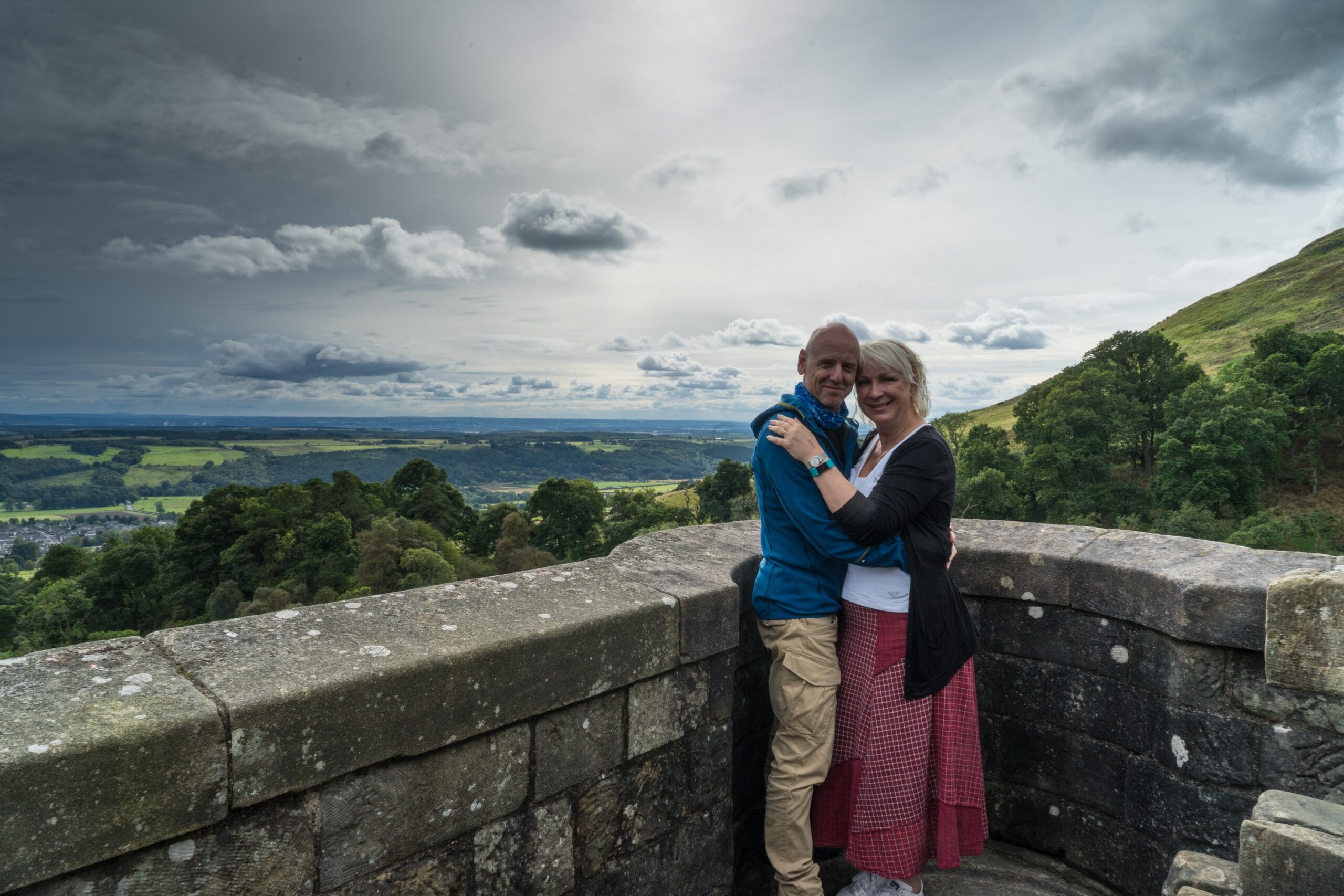
The cellars had a small exhibition and we then climbed the spiral staircase to the roof. From here we had impressive views across to the new Queensferry crossing. The garden terrace was pretty too and there were benches to sit and enjoy the views.
Castle Campbell Photo Gallery
Dollar Glen 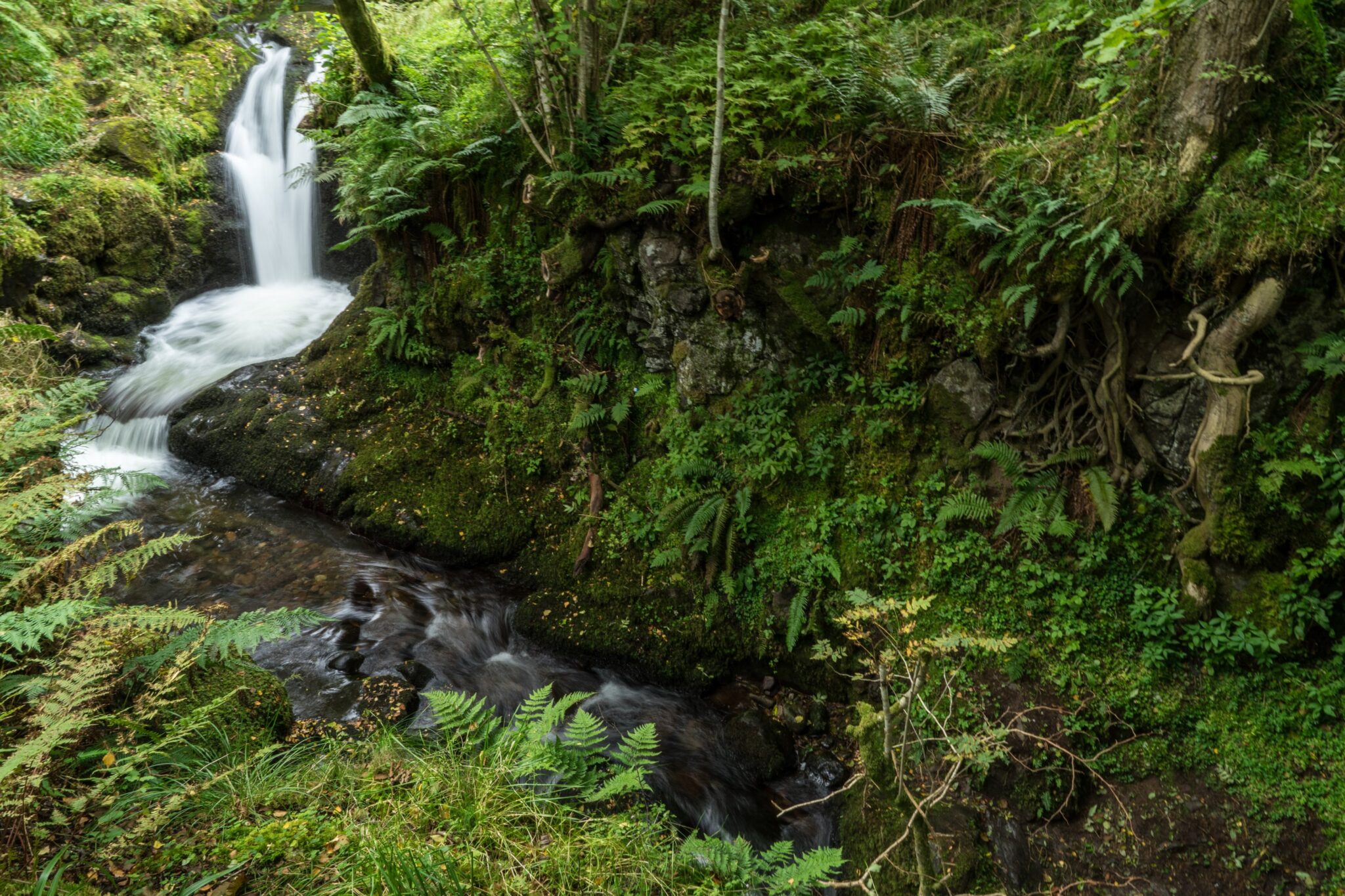
Dollar Glen 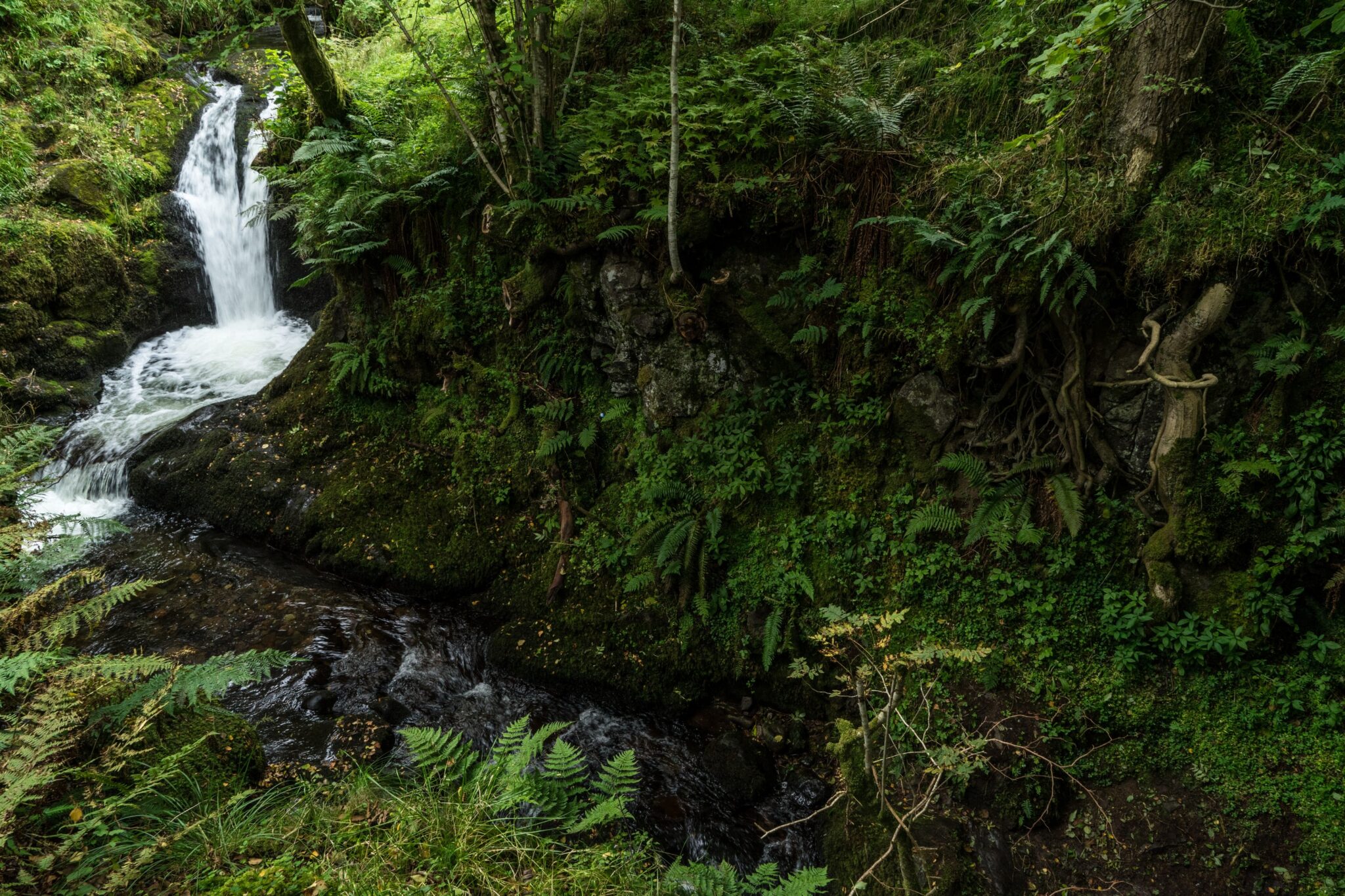
Dollar Glen 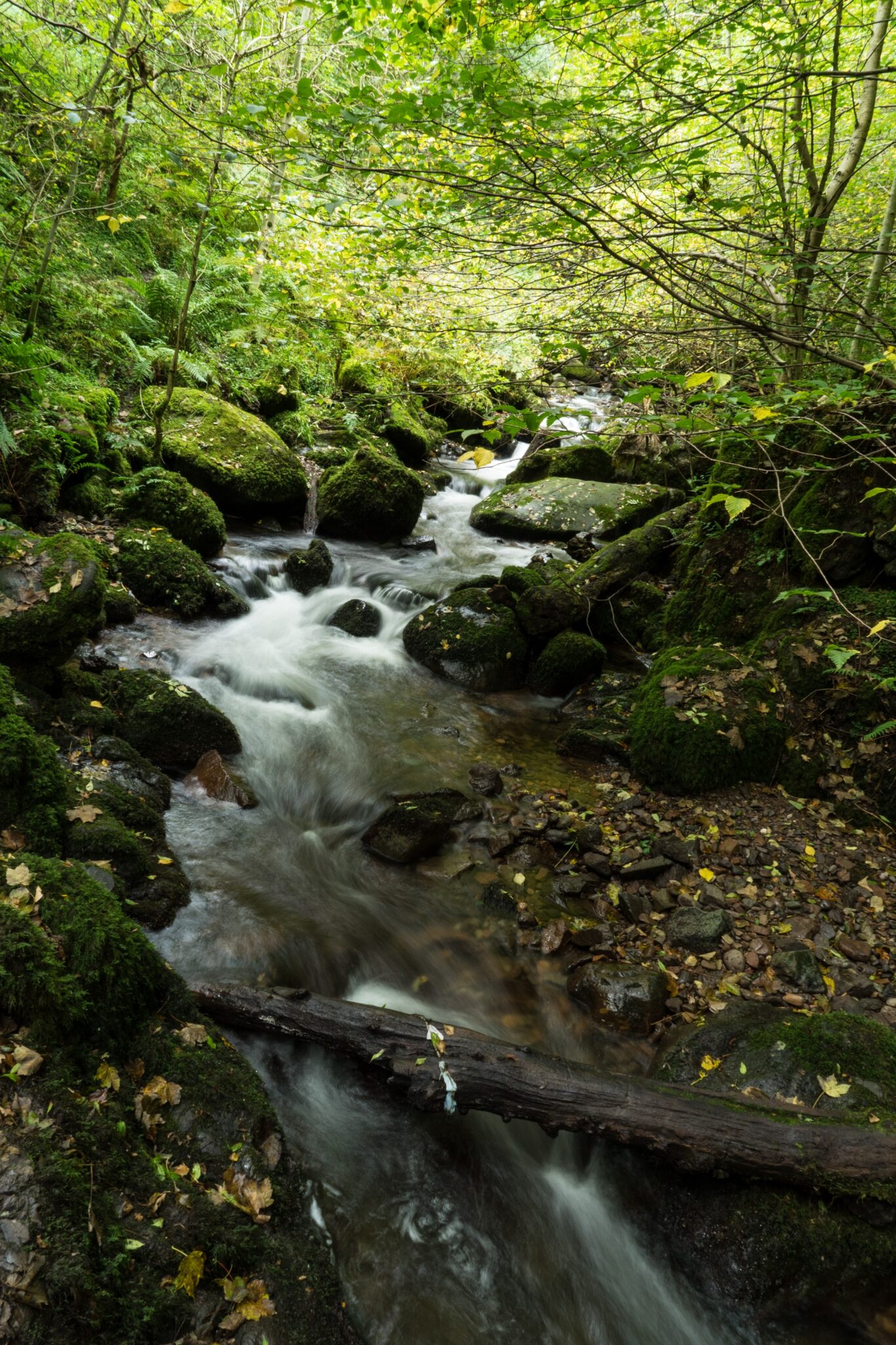
Dollar Glen


History
Originally known as Castle Glume, the stone fortress dates from the early 1400s. Around 1465, it passed through marriage to Colin Campbell, 1st Earl of Argyll. The powerful Highland chief needed a secure but impressive Lowland seat at the heart of the realm, within easy reach of the main centres of the royal court. Castle Glume fitted the bill perfectly.
The earl made the name change in 1489, and here the Campbells stayed for nearly 200 years. In the 1660s, the family made its main Lowland seat Argyll’s Lodging, a fine townhouse close to Stirling Castle.
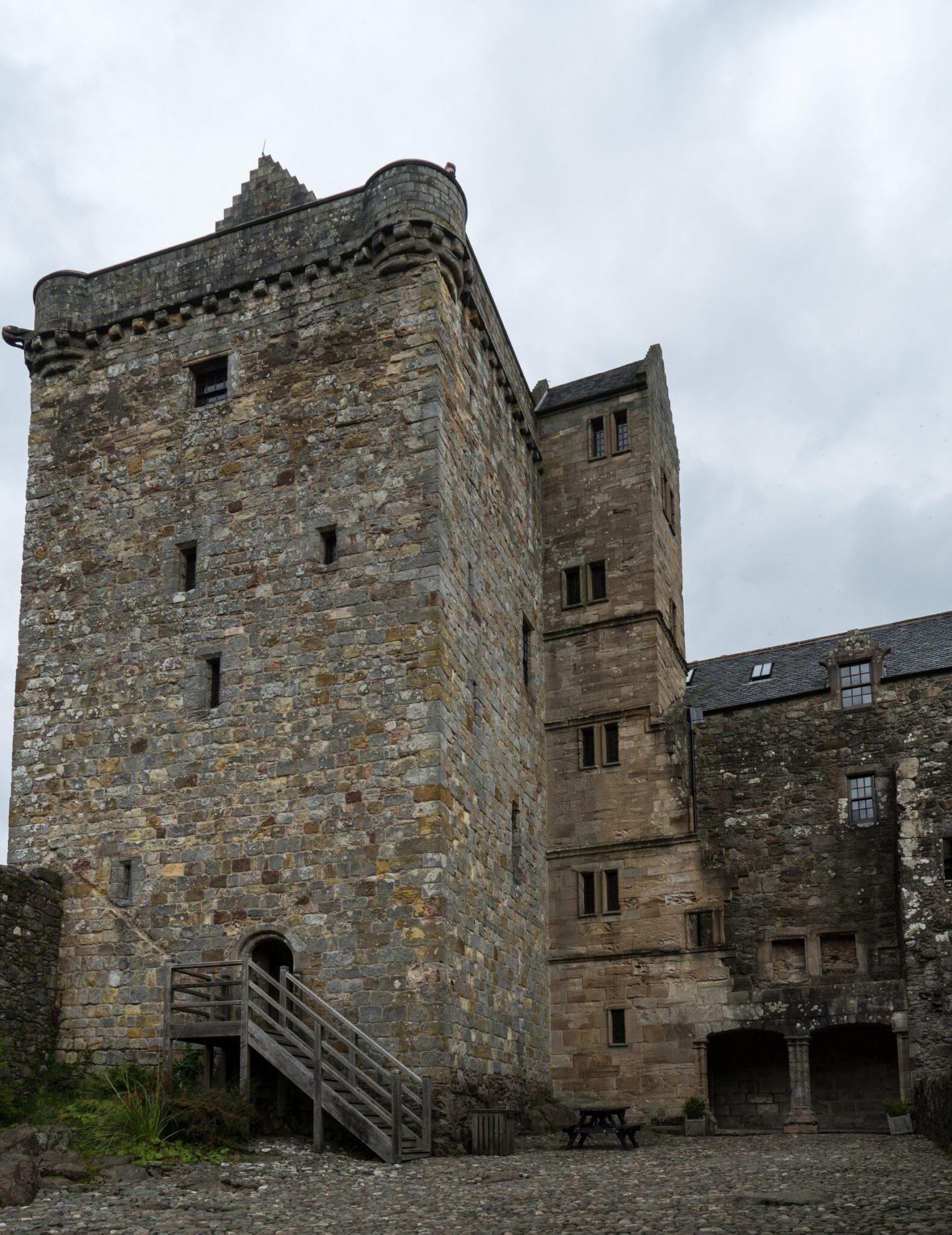
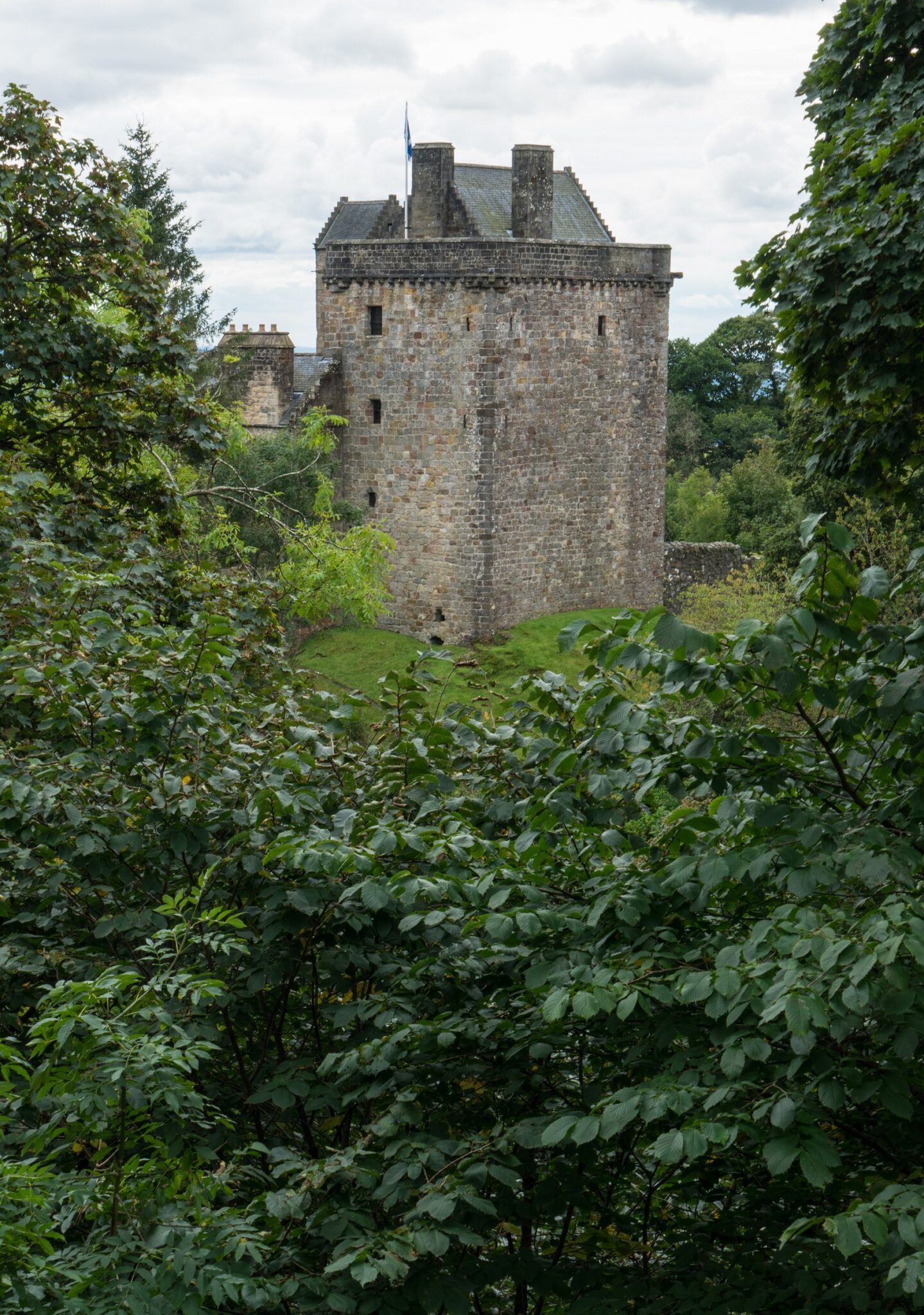
Castle Campbell is one of Scotland’s best-preserved tower house castles. The tower itself was the family residence and, at 20m tall, dominated the courtyard. Service access was at ground level, with the main entrance on the first floor, the norm at this time.
Inside were four floors of accommodation:
- a storage cellar at ground level
- a hall on the first floor
- private chambers on the two upper floors
The private chambers had been altered by around 1600. The fine vaulted ceiling at the top of the tower, which features two grotesque carvings representing the Green Man – was part of these renovations.
Across the courtyard, the Campbells added a two-storey range containing:
- a great hall (the main reception and banqueting suite), a withdrawing chamber and the court kitchen on the first floor
- vaulted storerooms below
This range looks remarkably similar to the royal lodging in Stirling Castle known as the King’s Old Building, built for James IV in the 1490s. The earl would have been a frequent visitor to the royal castle – and he clearly wanted to follow suit.
Among the many important visitors to Castle Campbell were:
- John Knox, the fiery Protestant preacher, in 1556
- Mary Queen of Scots in 1563
- the Marquis of Montrose, who laid waste to the surrounding land in 1645, on behalf of the beleaguered Charles I
- Cromwell’s lieutenant General Monck, who attacked the castle in 1654
The execution of the 8th Earl in 1661 effectively ended the castle’s days as a noble residence.
References
The Historic Scotland site with information on opening times is here and the history above is copied from that site.
The Wiki site gives plenty of detail about the castle here.