
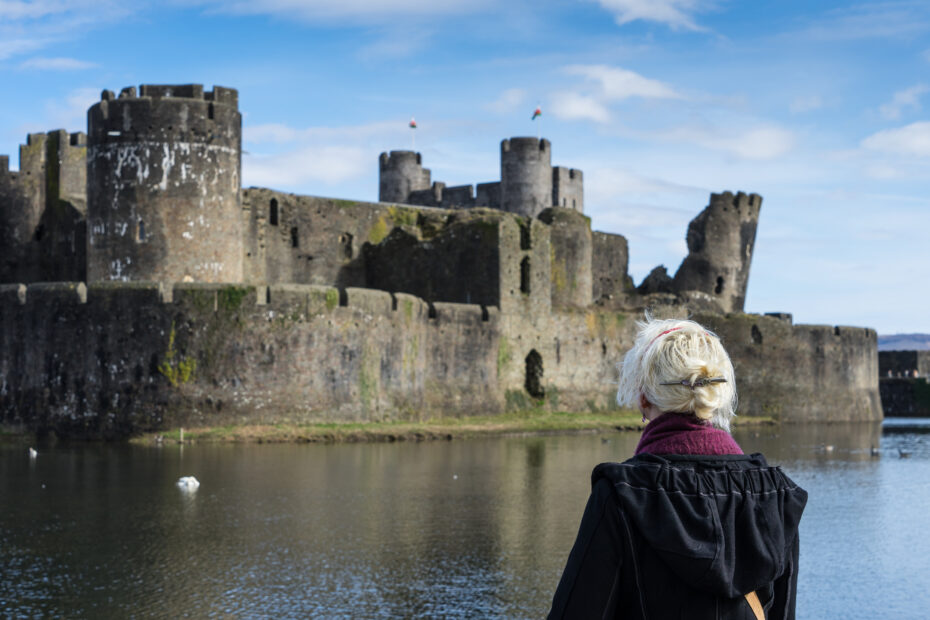
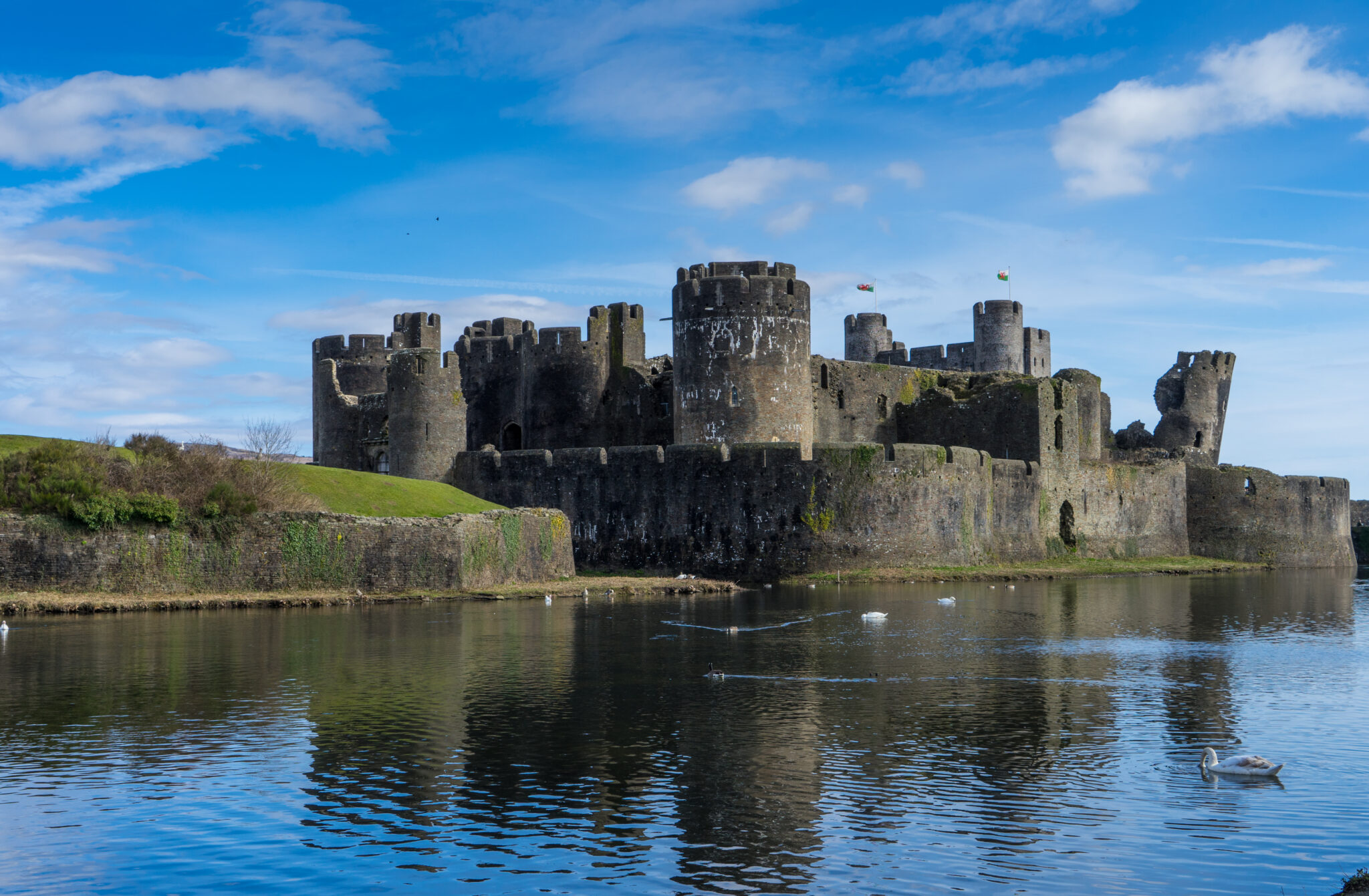
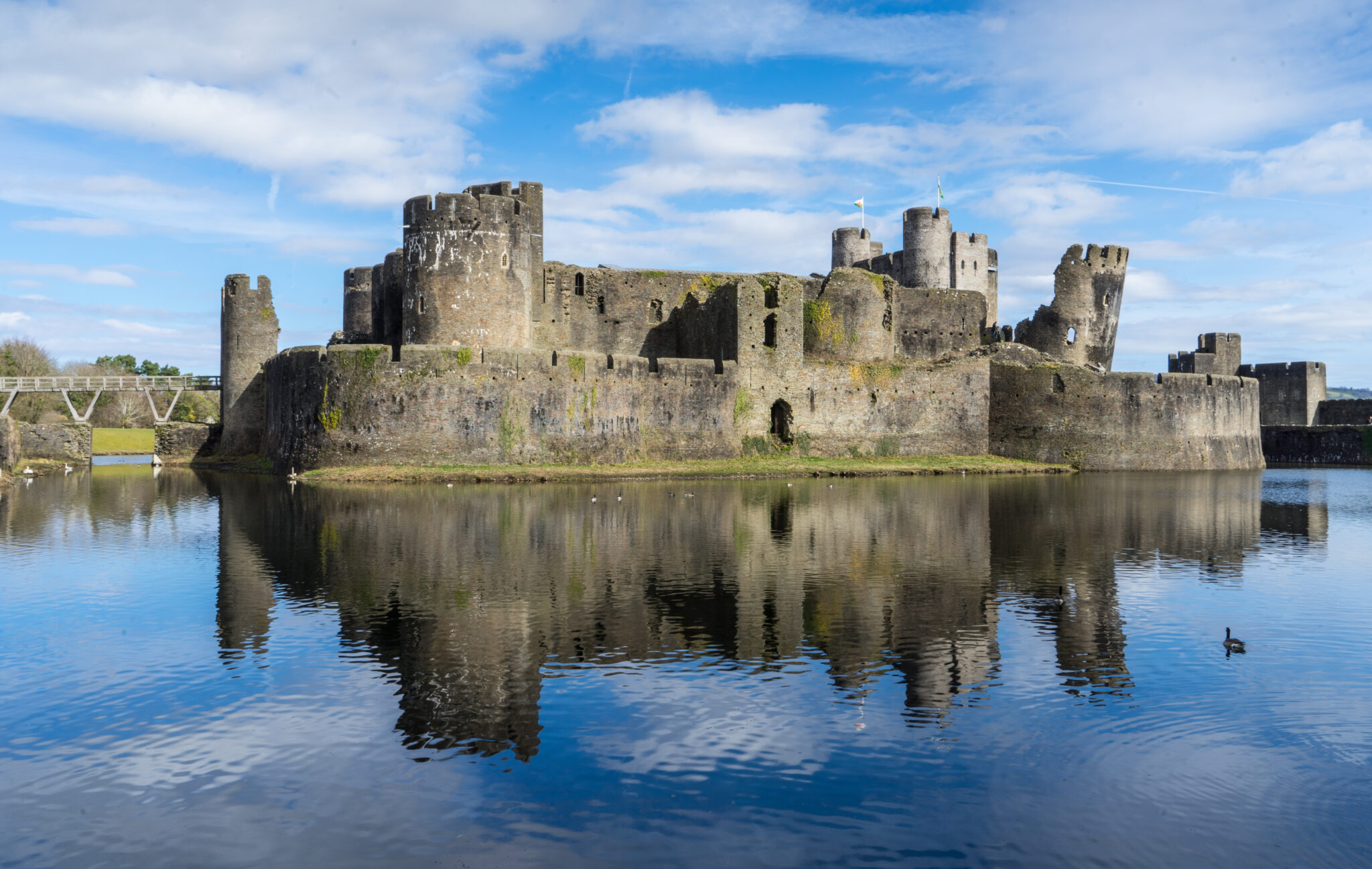
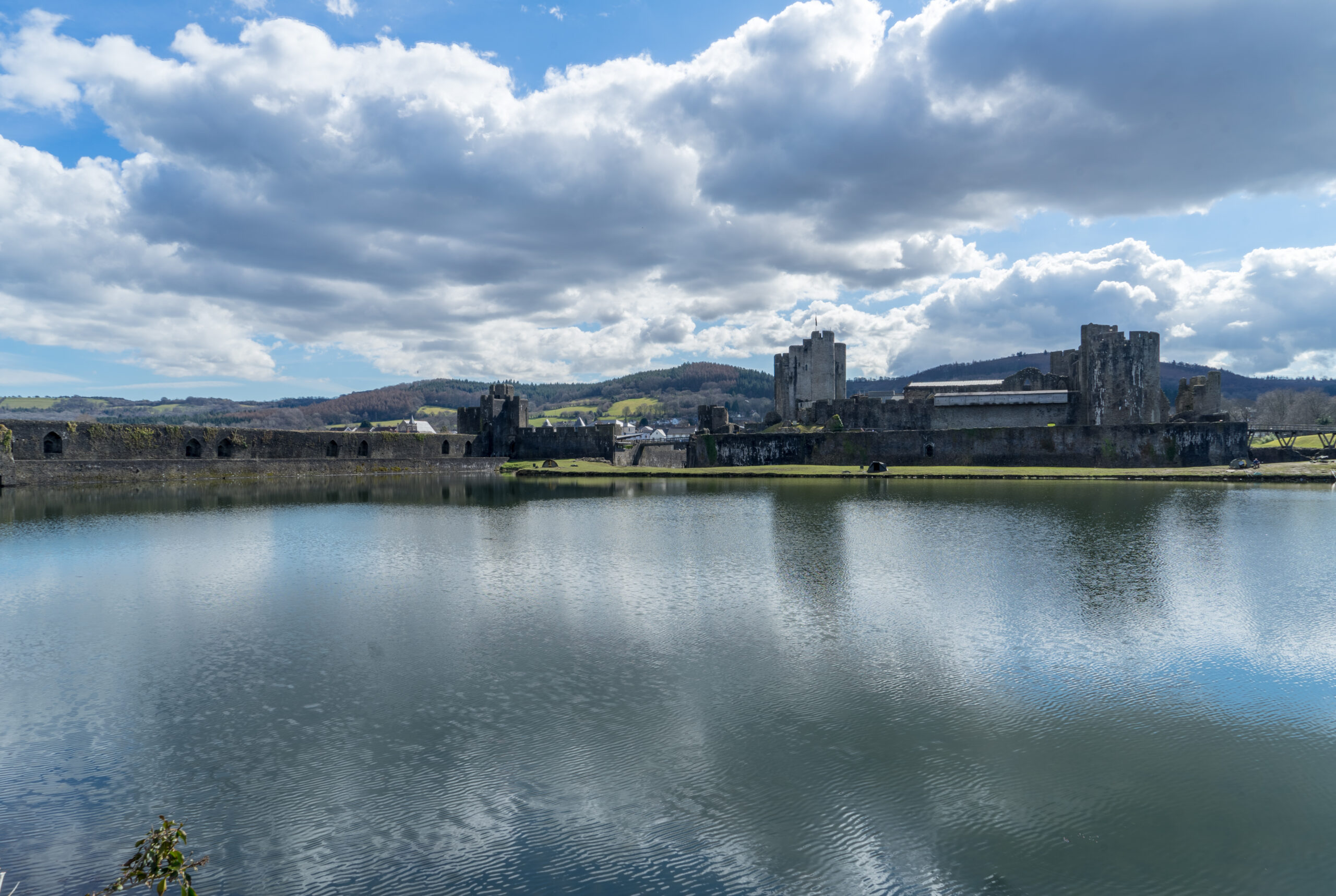
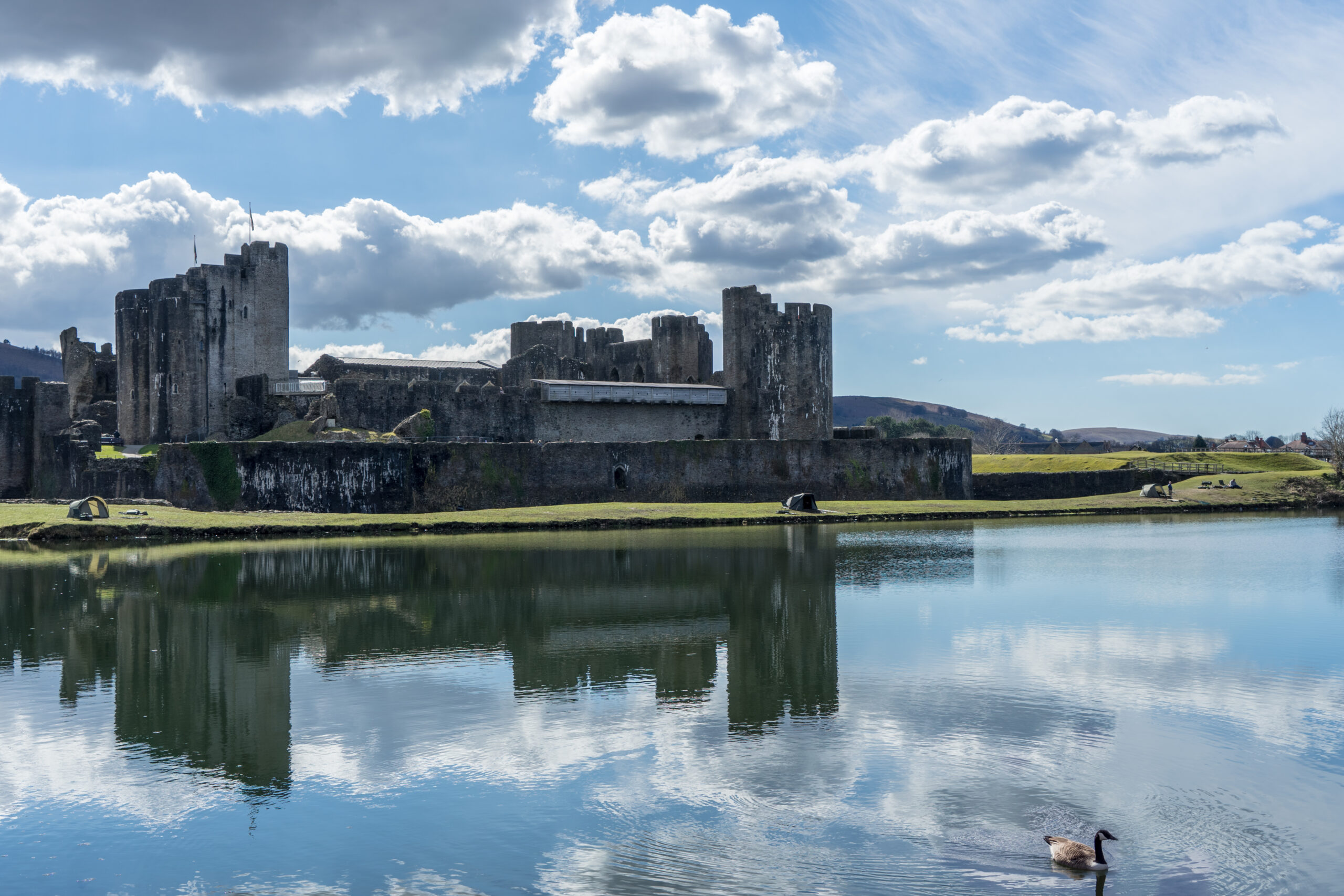
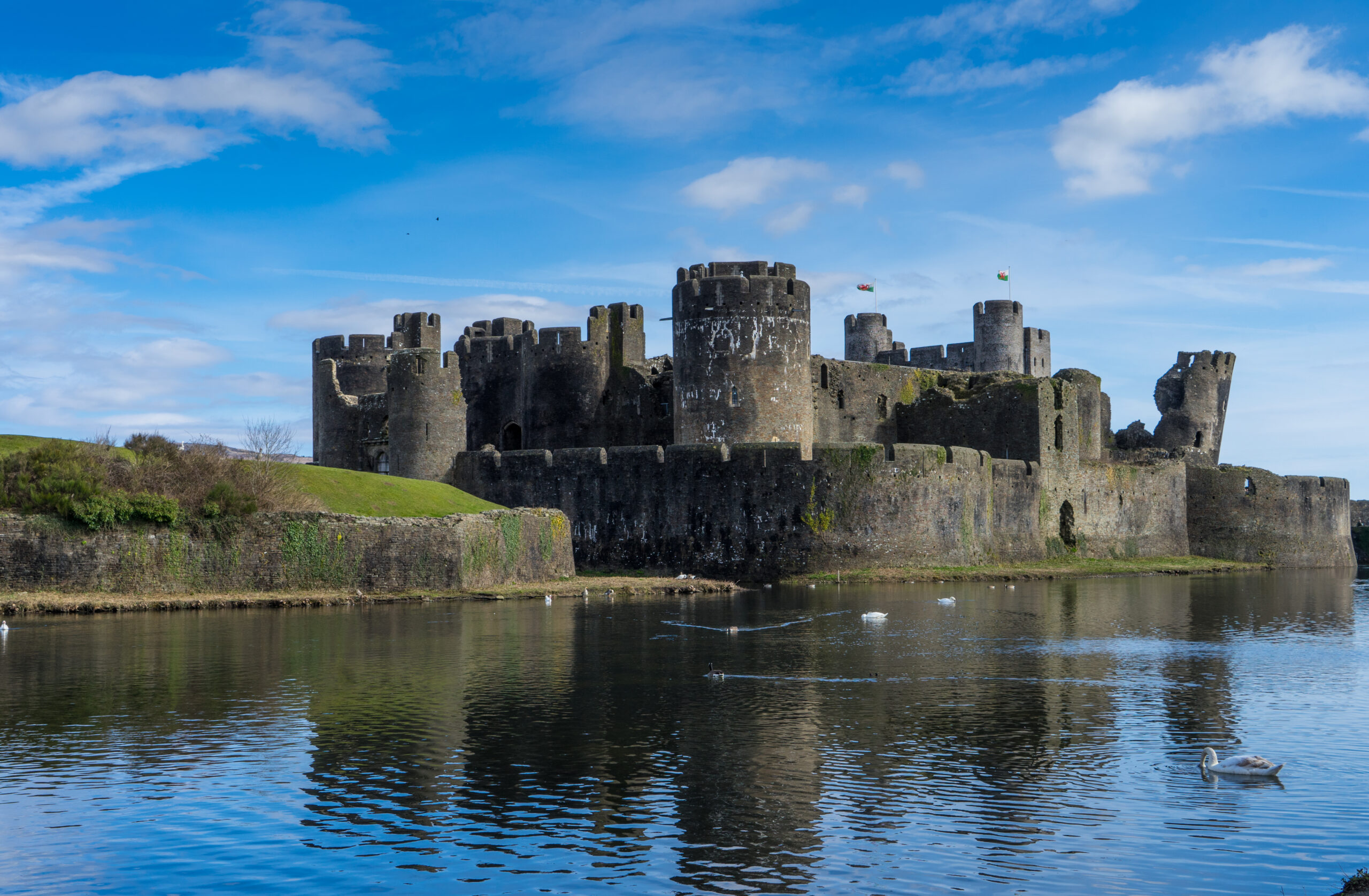
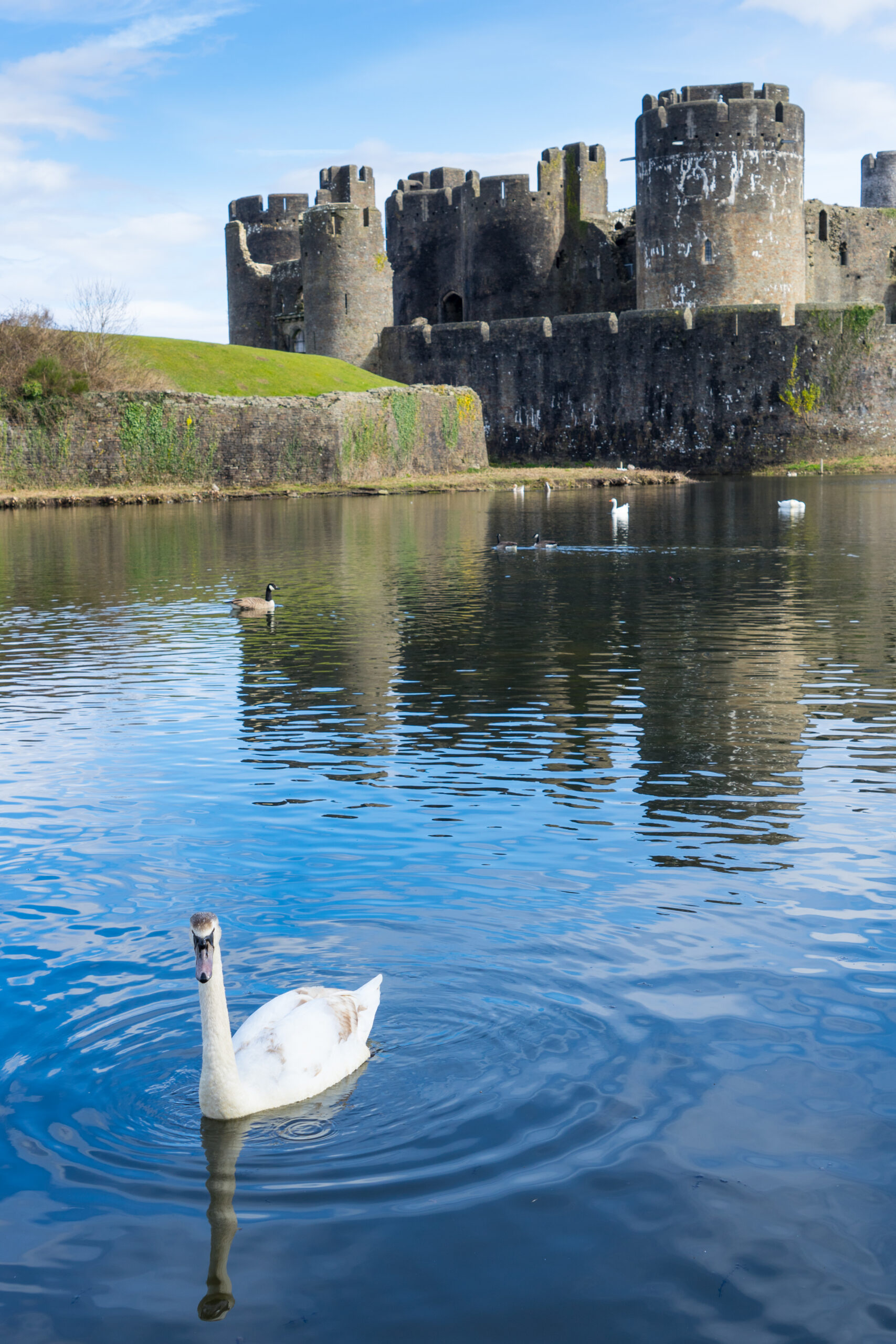
Caerphilly is a fantastic castle to visit. It is the largest in Wales and second largest in the UK and it’s position surrounded by parkland means you can really appreciate the scale of both the castle and its water defences. We were lucky enough to visit on a sunny and clam day which made it even more special.
Visiting Caerphilly Castle
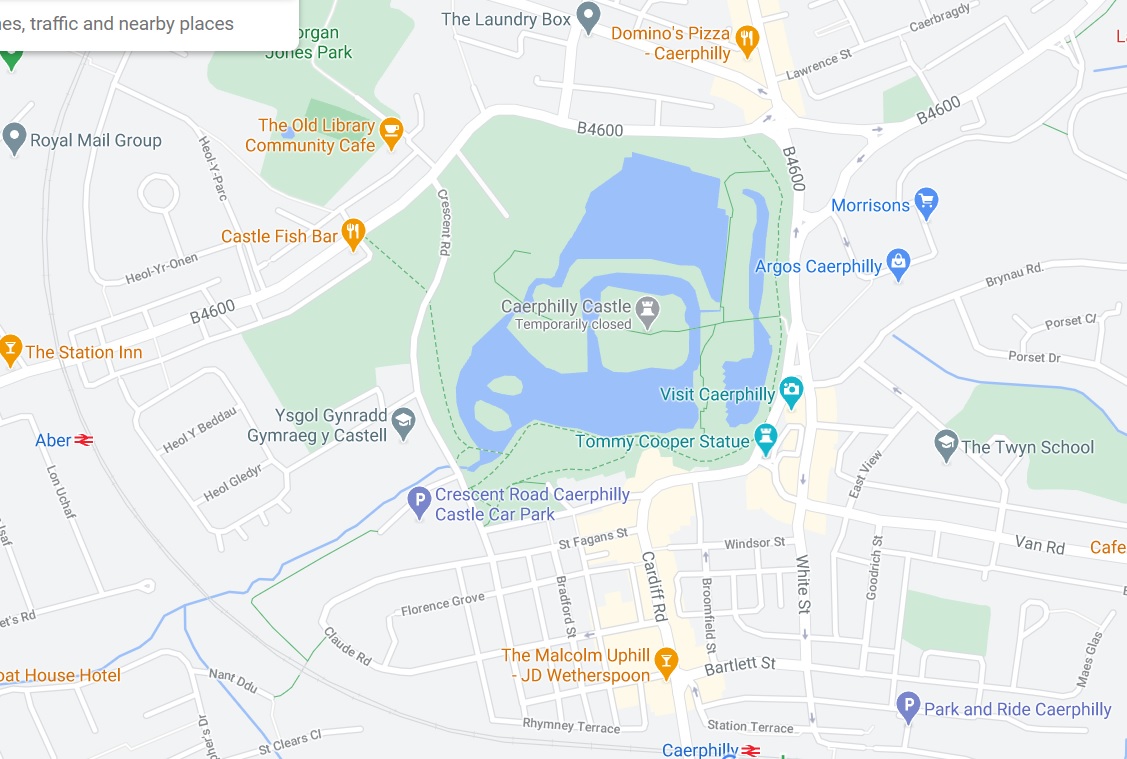
The castle is easy to reach and is well signposted from the M4. There is plenty of parking, either in the marked car parks or in the town itself. You can walk the entire circuit of the walls outside before entering the castle itself. The castle is administered by CADW so English Heritage members can also get in for free. There are plenty of cafes within a couple of minutes walk from the entrance.
My experience at Caerphilly Castle
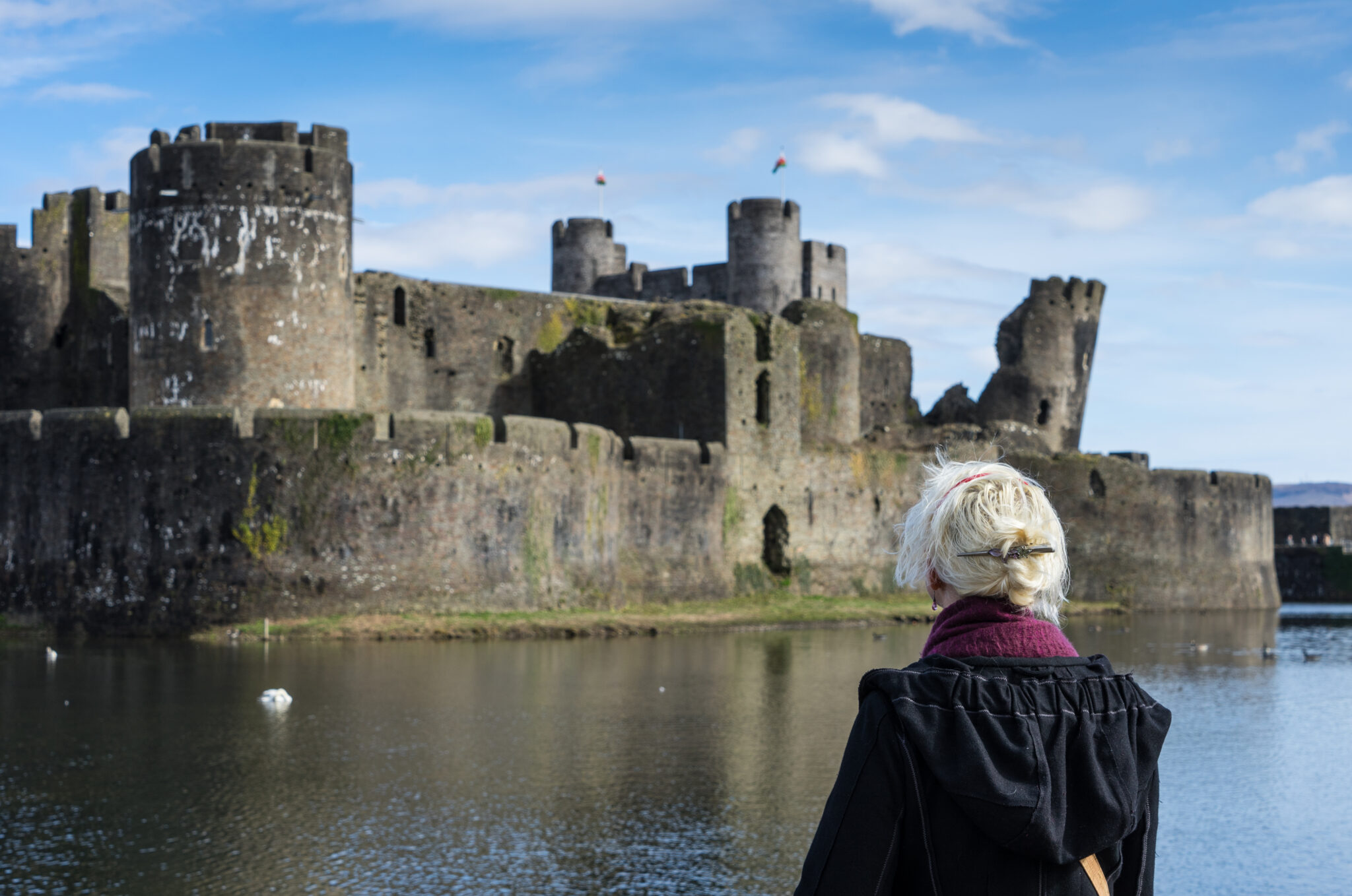
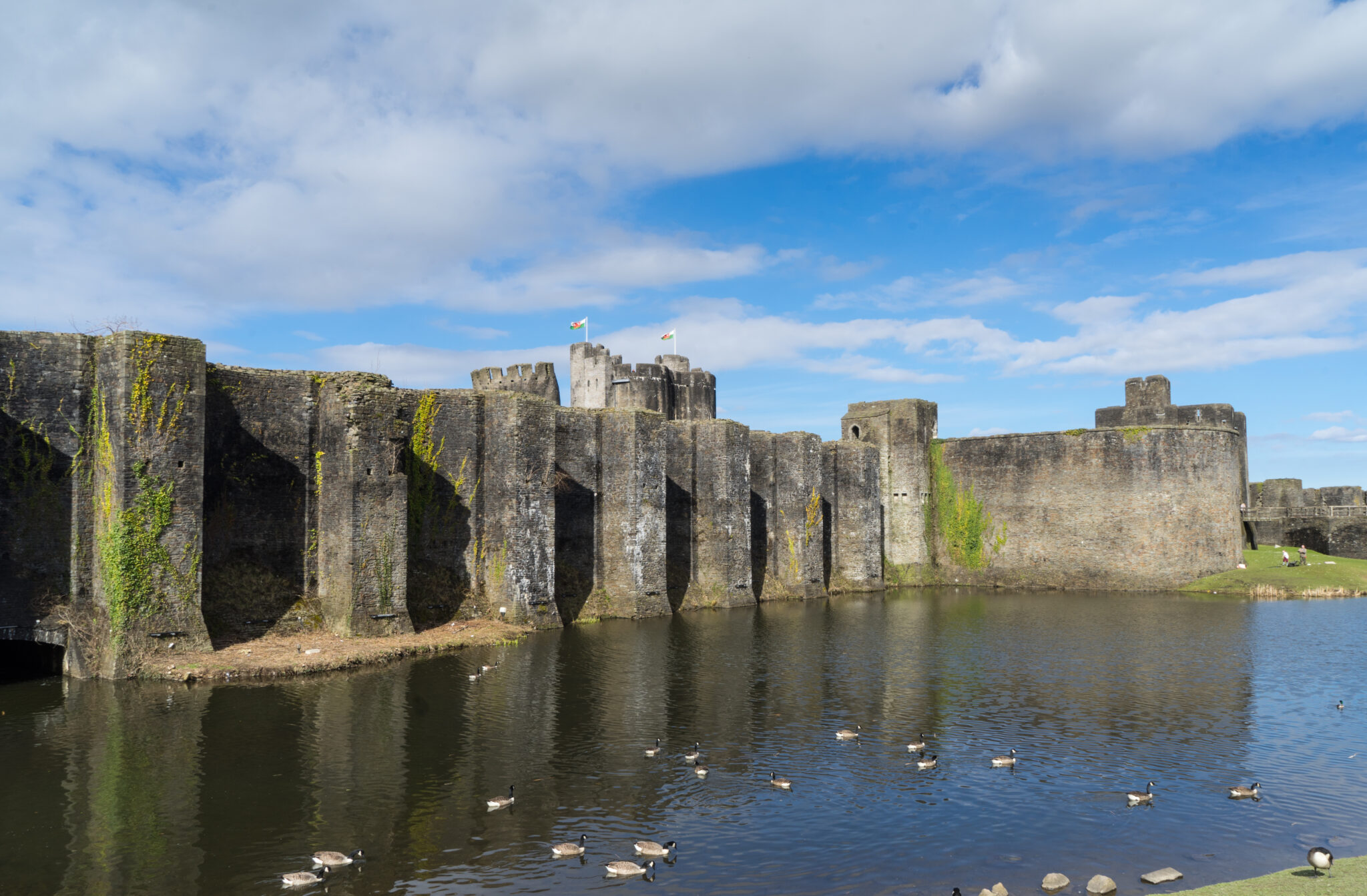
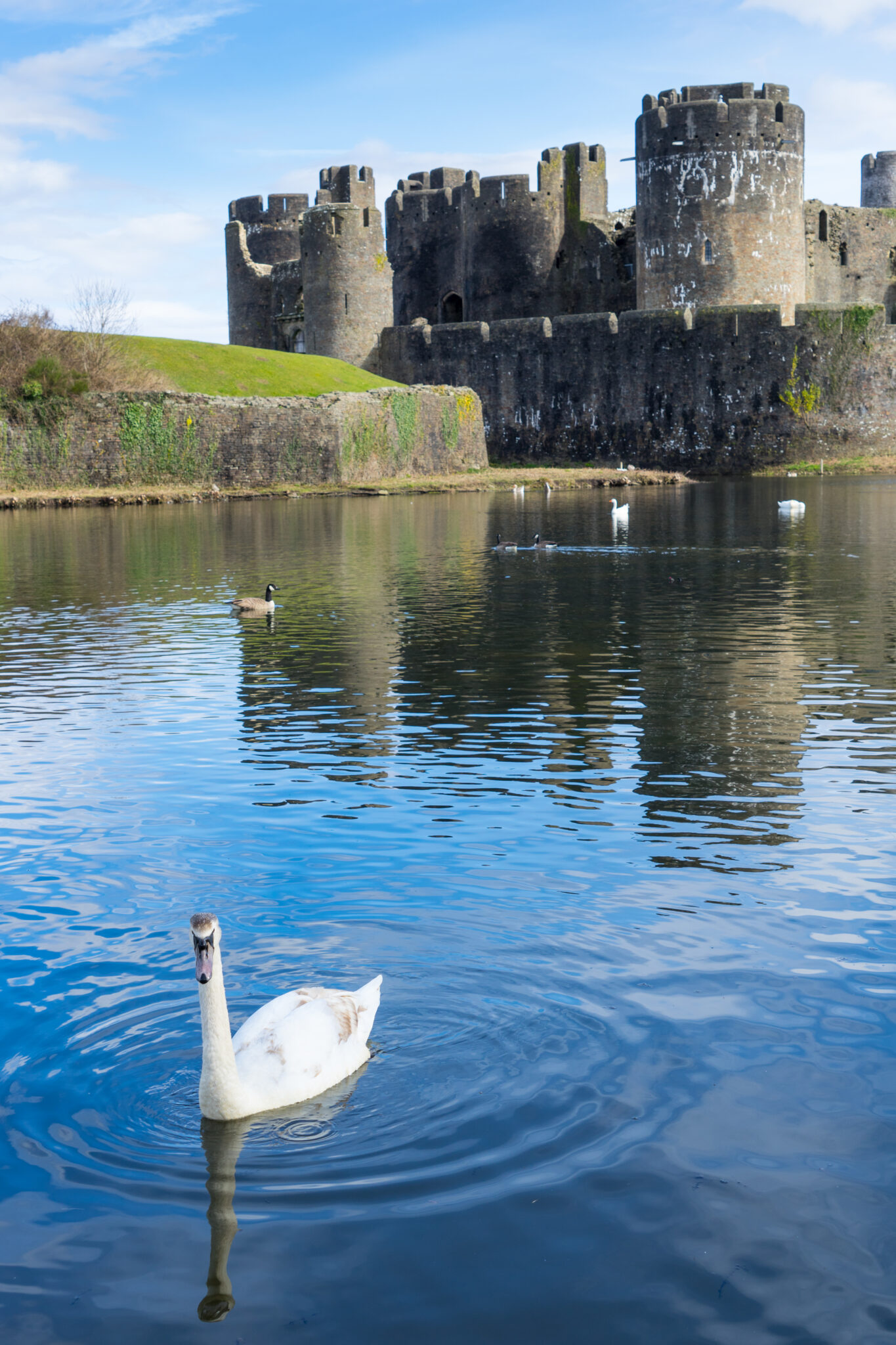
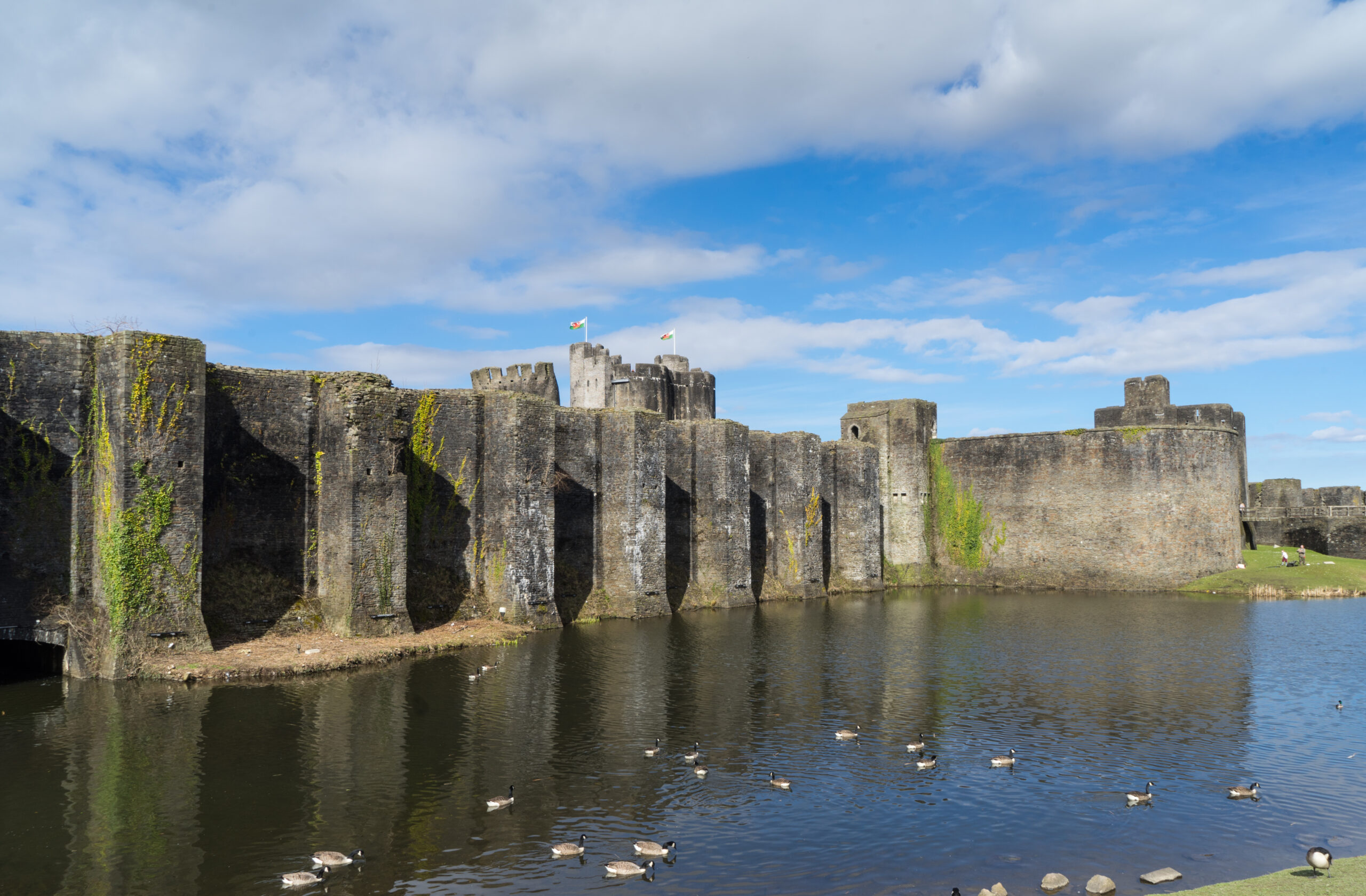
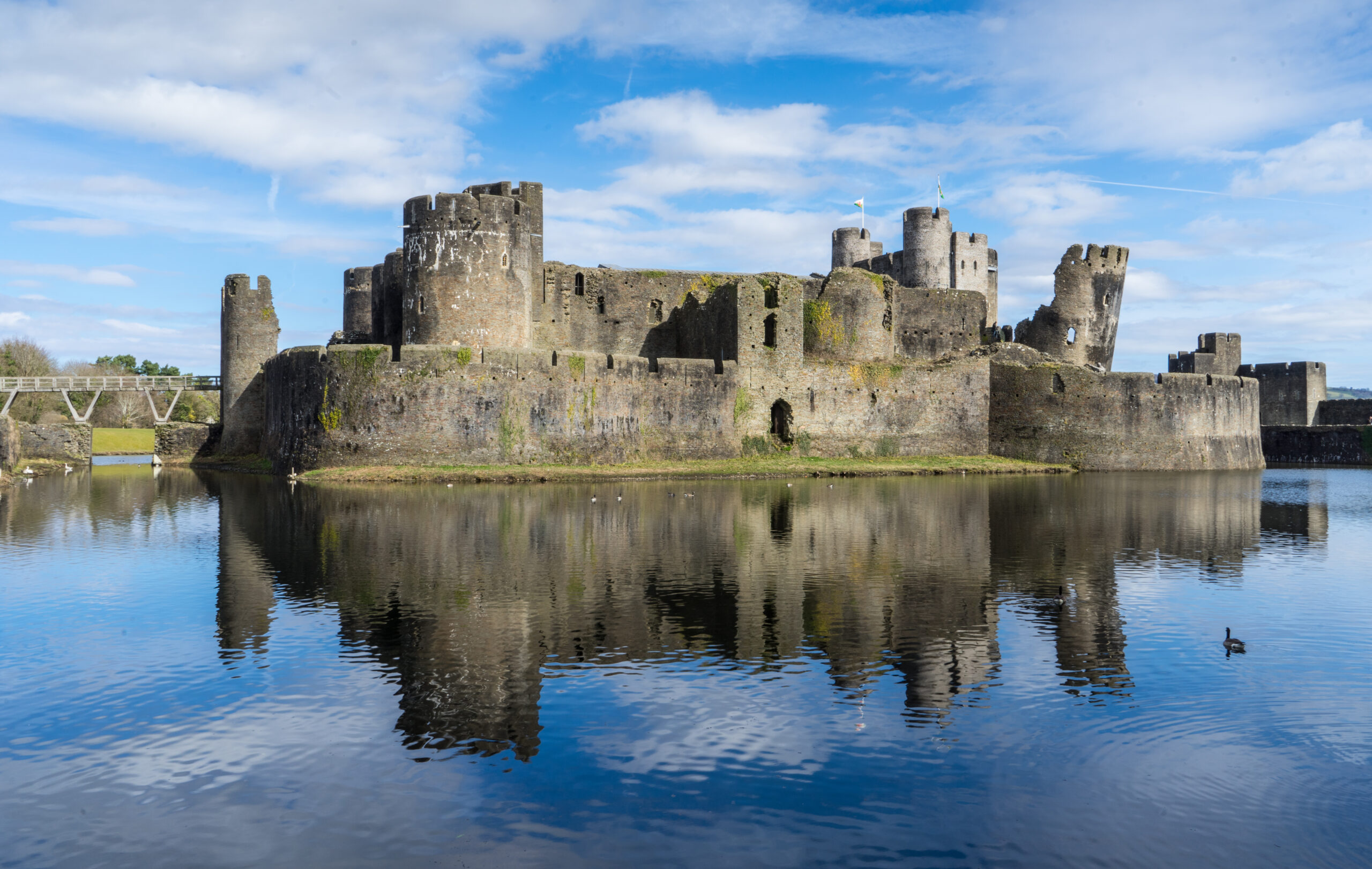
We walked around the outside of the castle before going in to enjoy the March sunshine and the reflections on the repaired water defences. I always find that once inside your sense of scale diminishes so a circuit lets you appreciate the size and design of the castle.
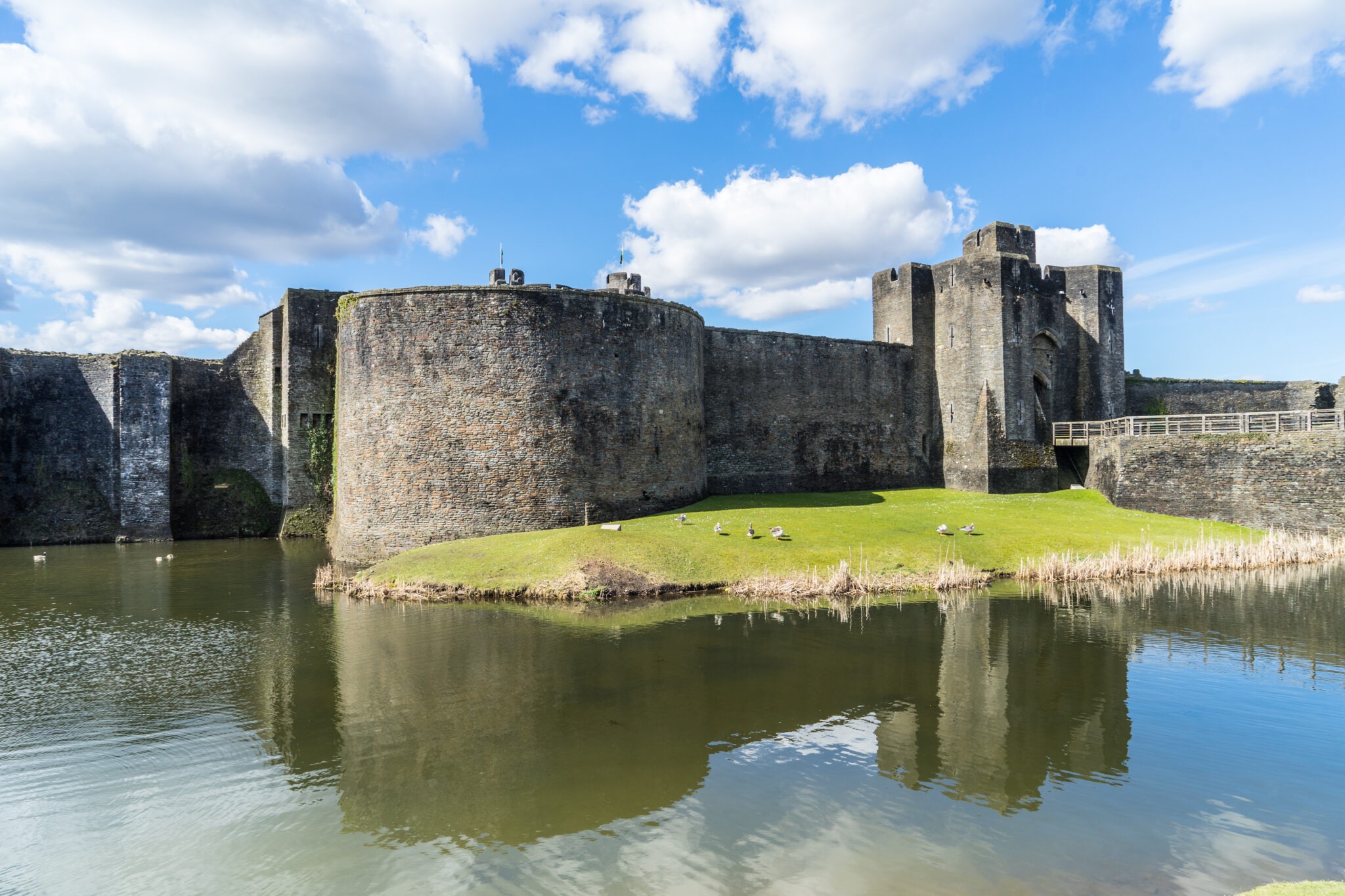
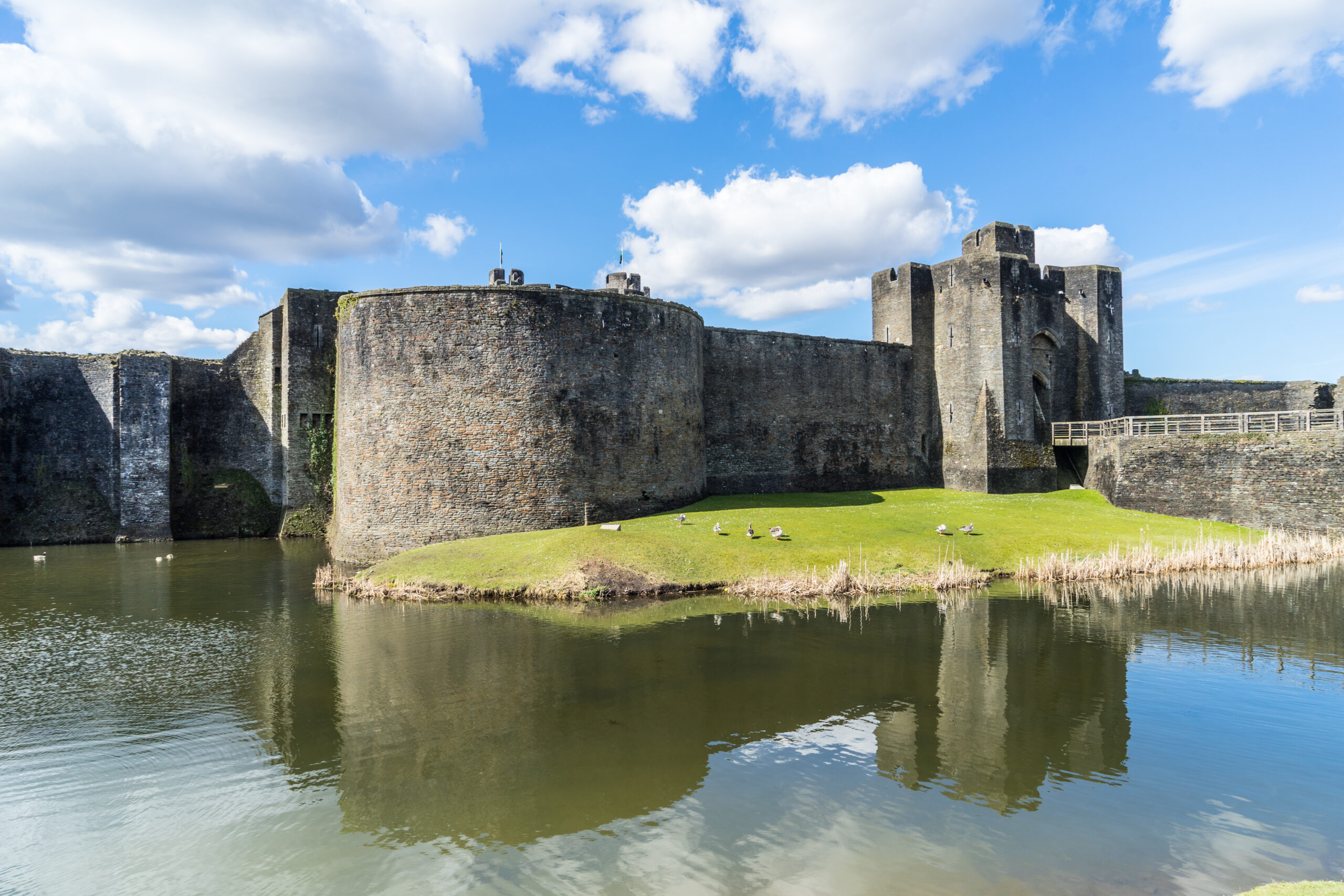
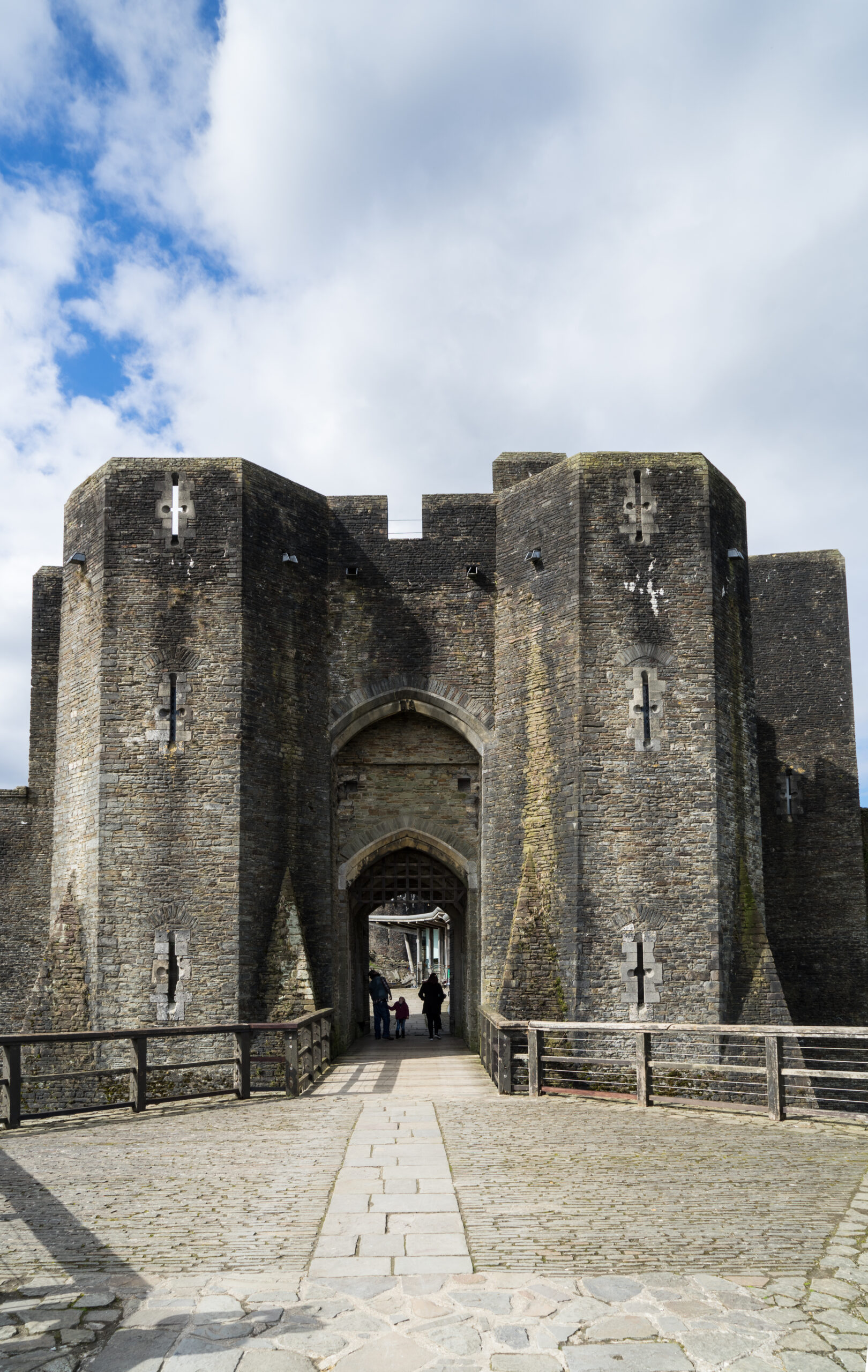
The first set of defences you enter are the dam platforms, as well as their defensive use these areas were originally the site of jousting tournaments. From here you cross into the main castle, surrounded by water now and crossed by a wooden drawbridge to pass into the gatehouse and inner bailey.
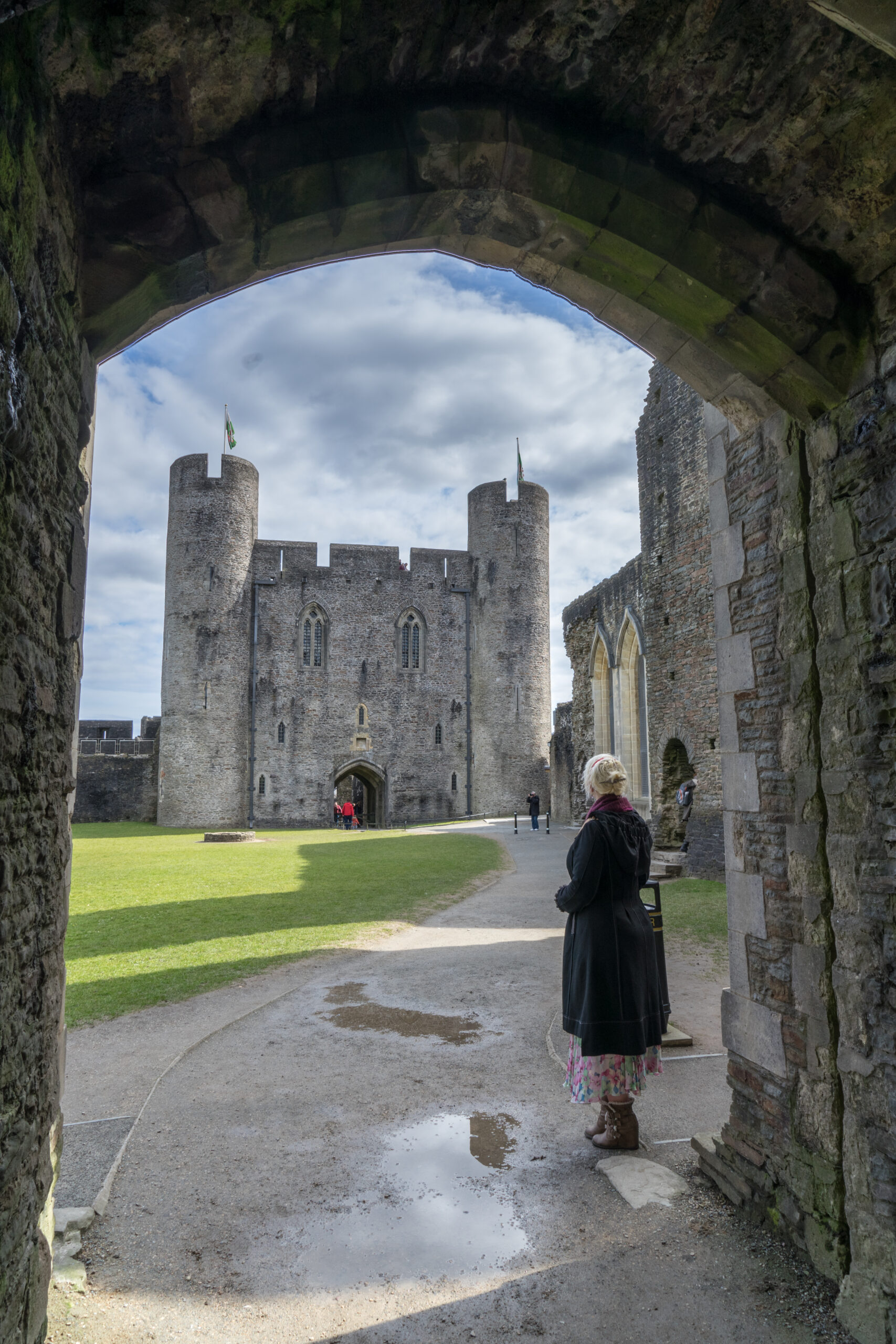
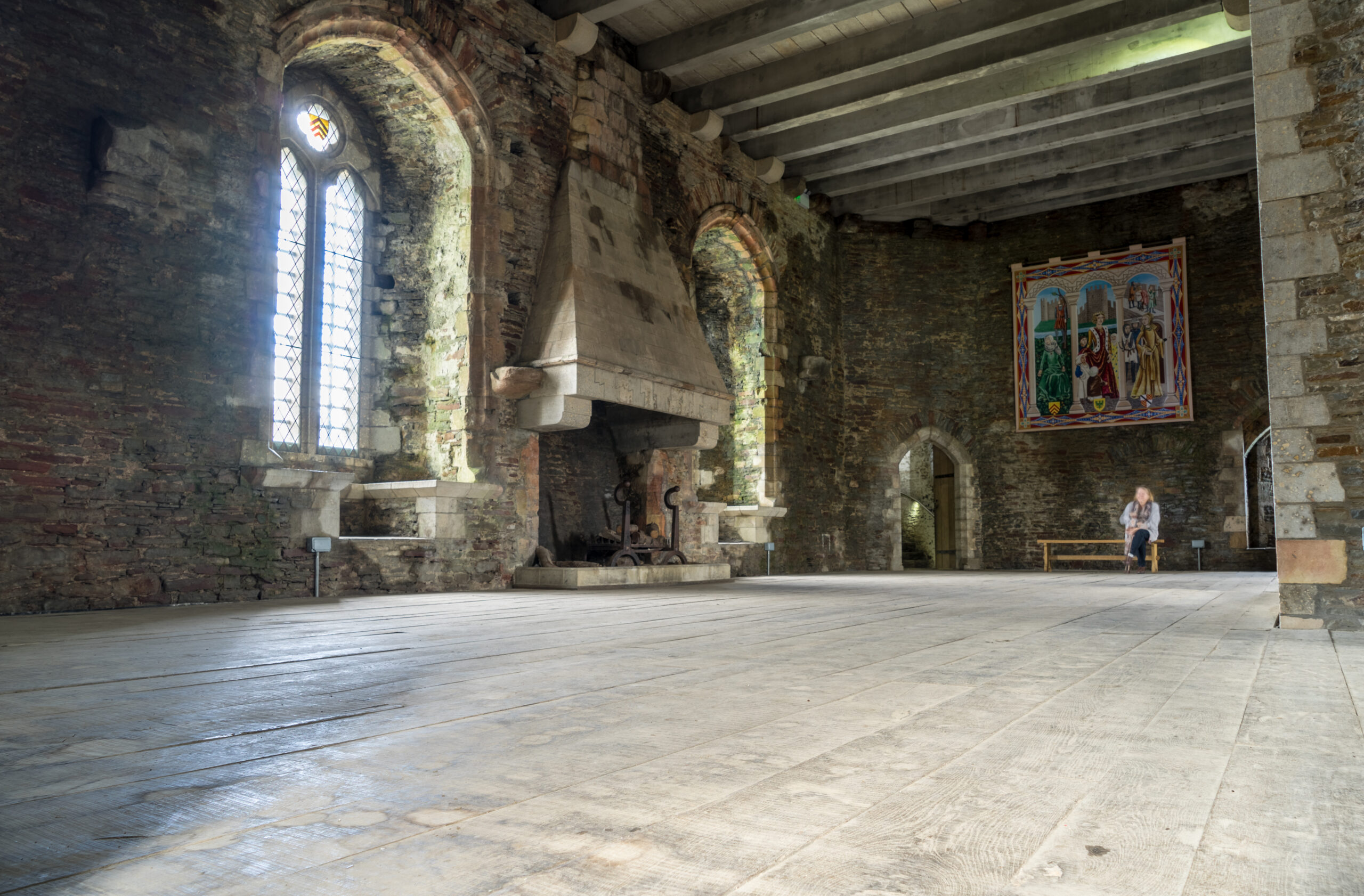
The castle has been massively restored by the Marquess of Bute (whose father was responsible for the rejuvenation of Cardiff Castle and Castell Coch – both of which are within 30 minutes for additional sightseeing) so some of the interior buildings are now actually complete. When we visited there was a wedding taking place in the Great Hall – what a fantastic setting!
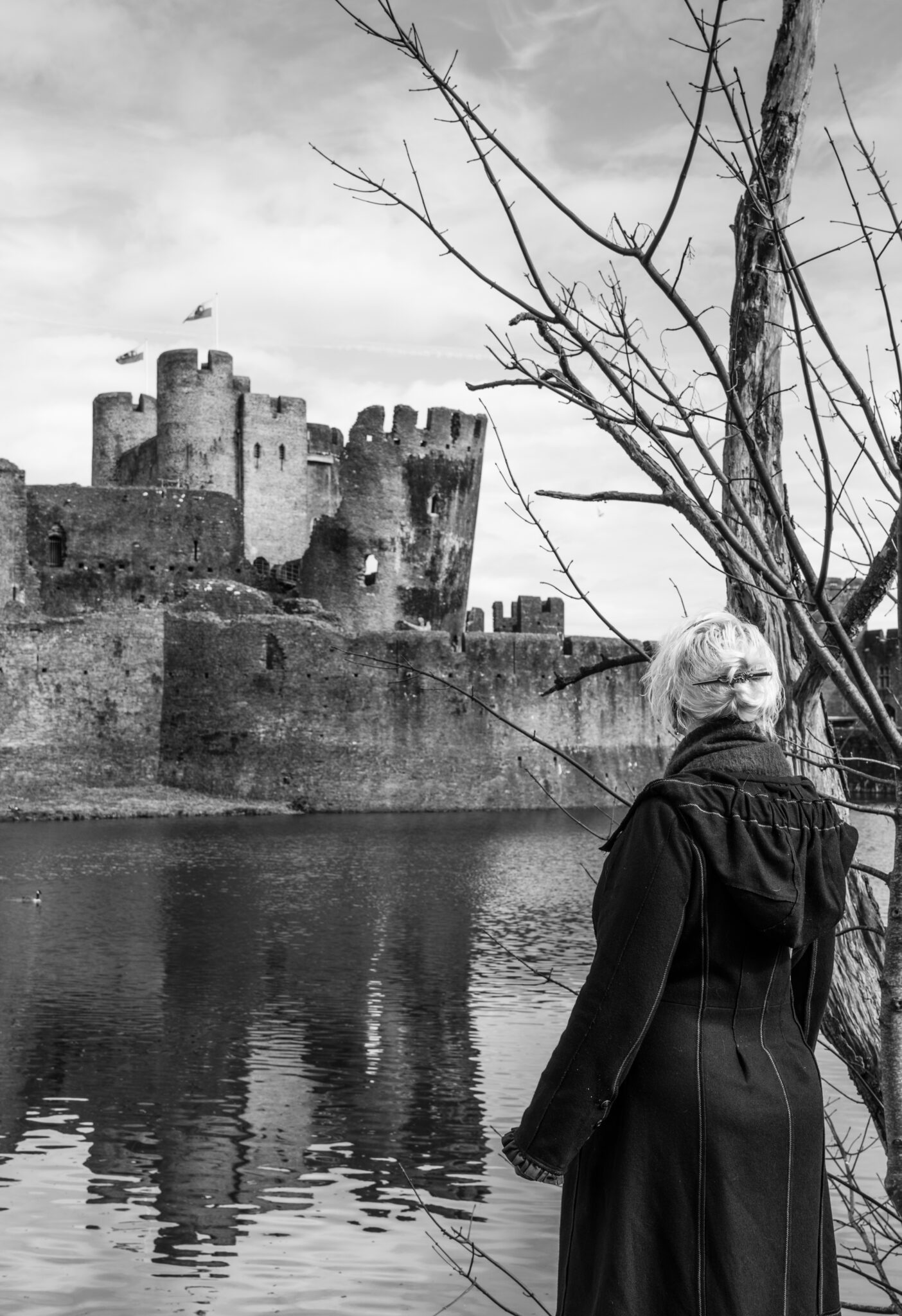
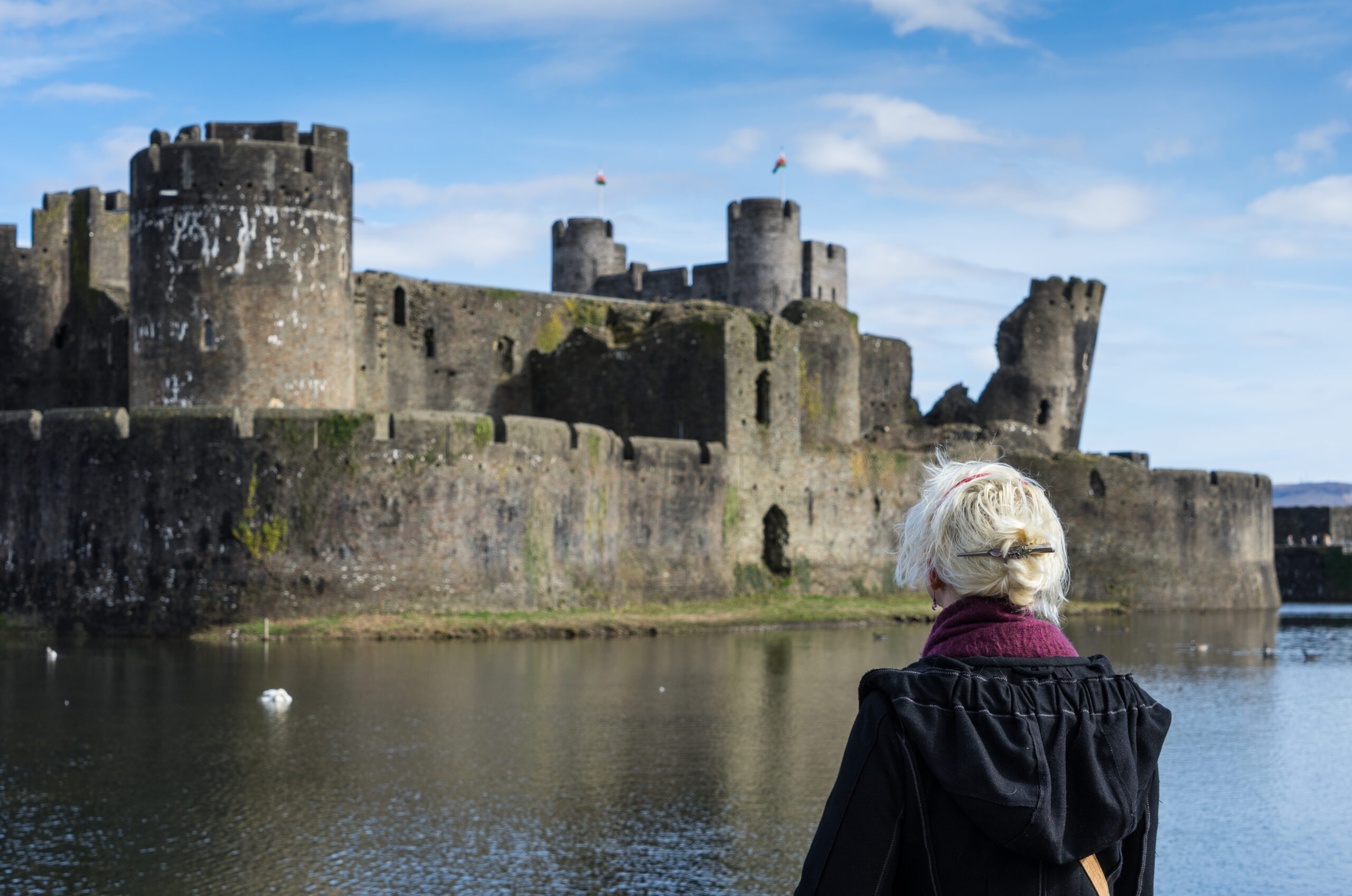
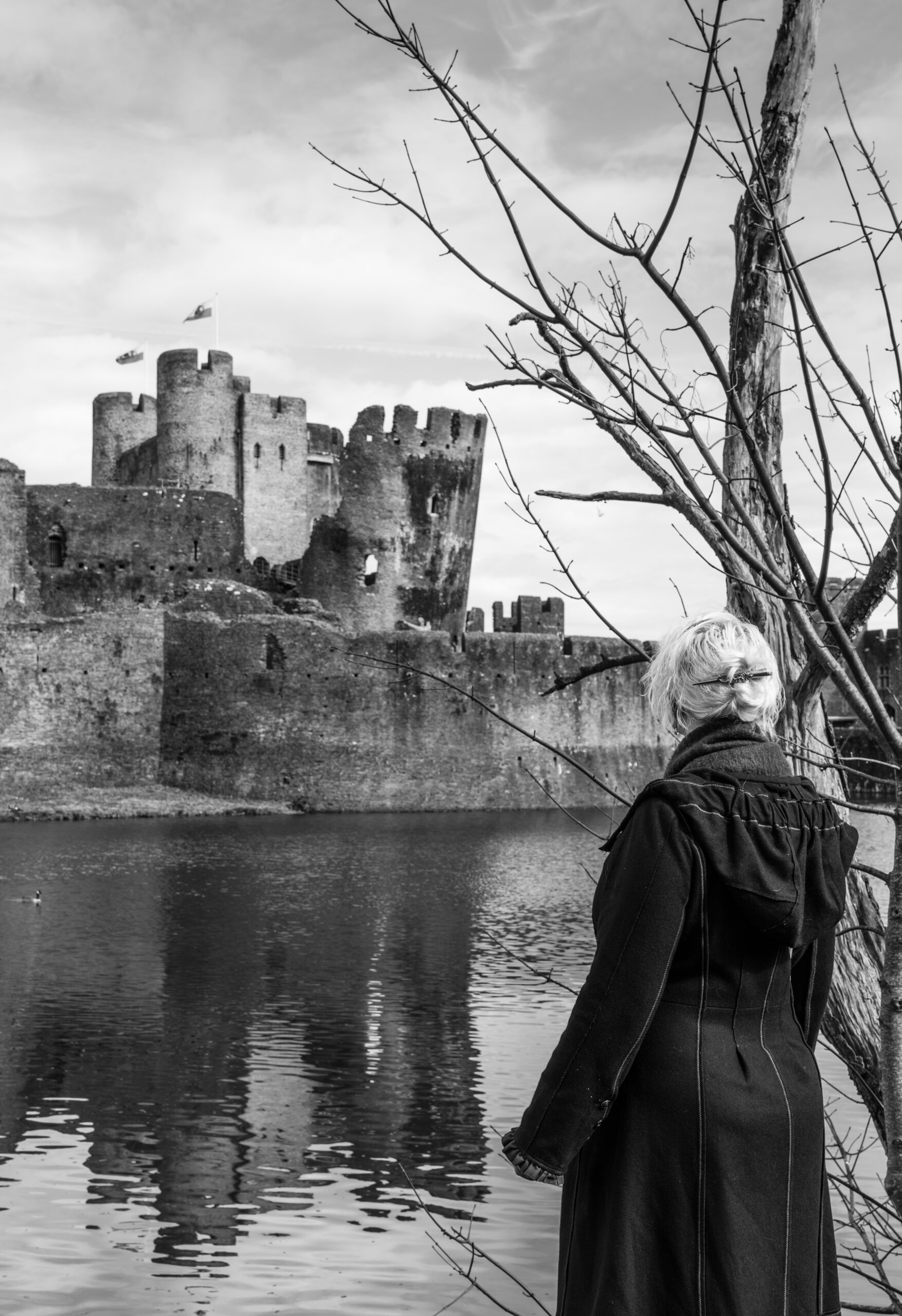
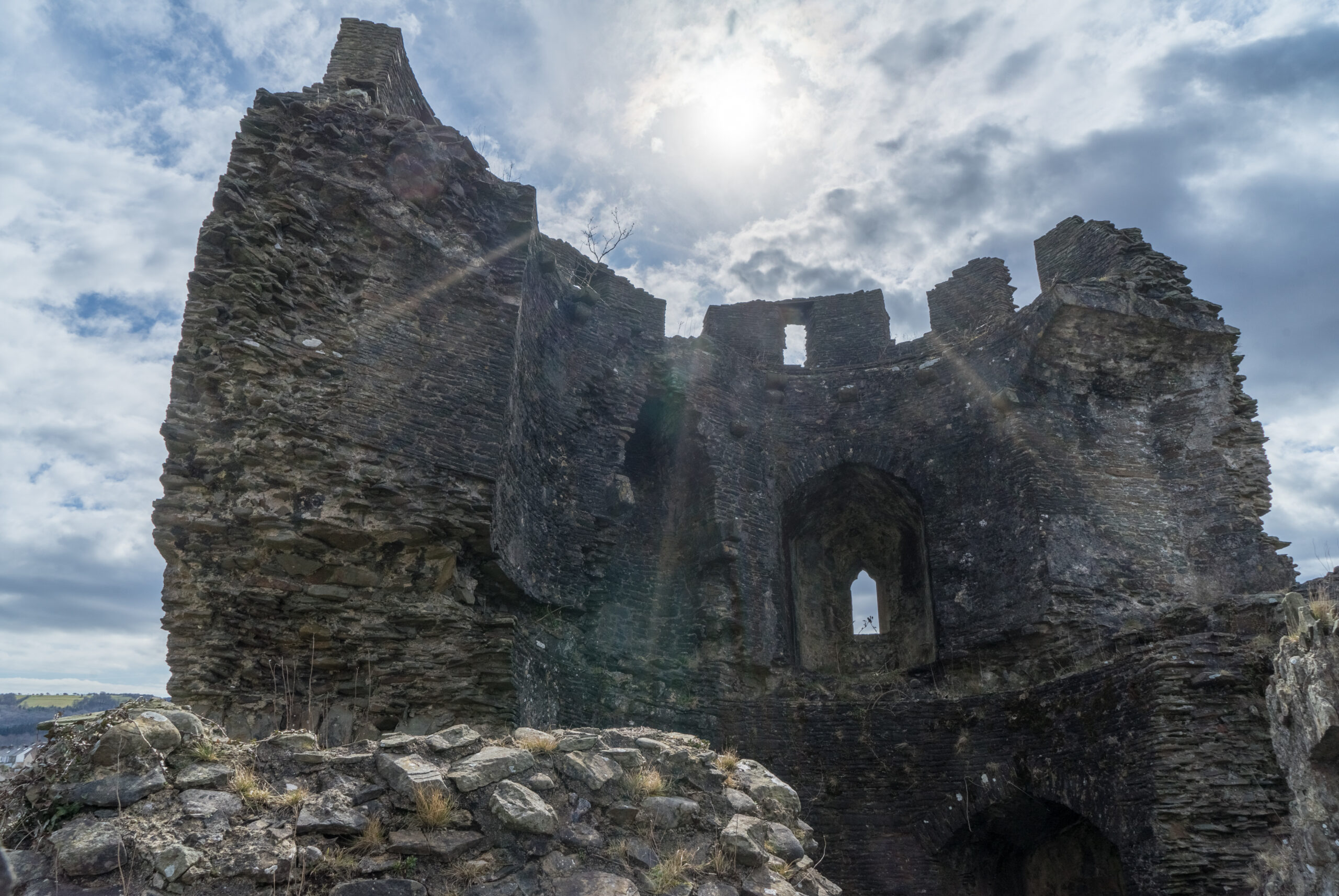
I thought the famous leaning tower was another of Cromwell’s gifts but apparently the castle was indefensible by the Civil War and the tower collapsed due to subsidence caused by the decay of the sluice gates. The castle suffered the usual sad and fairly rapid decline for these fortresses, falling out of use and then just being an easily accessible quarry.
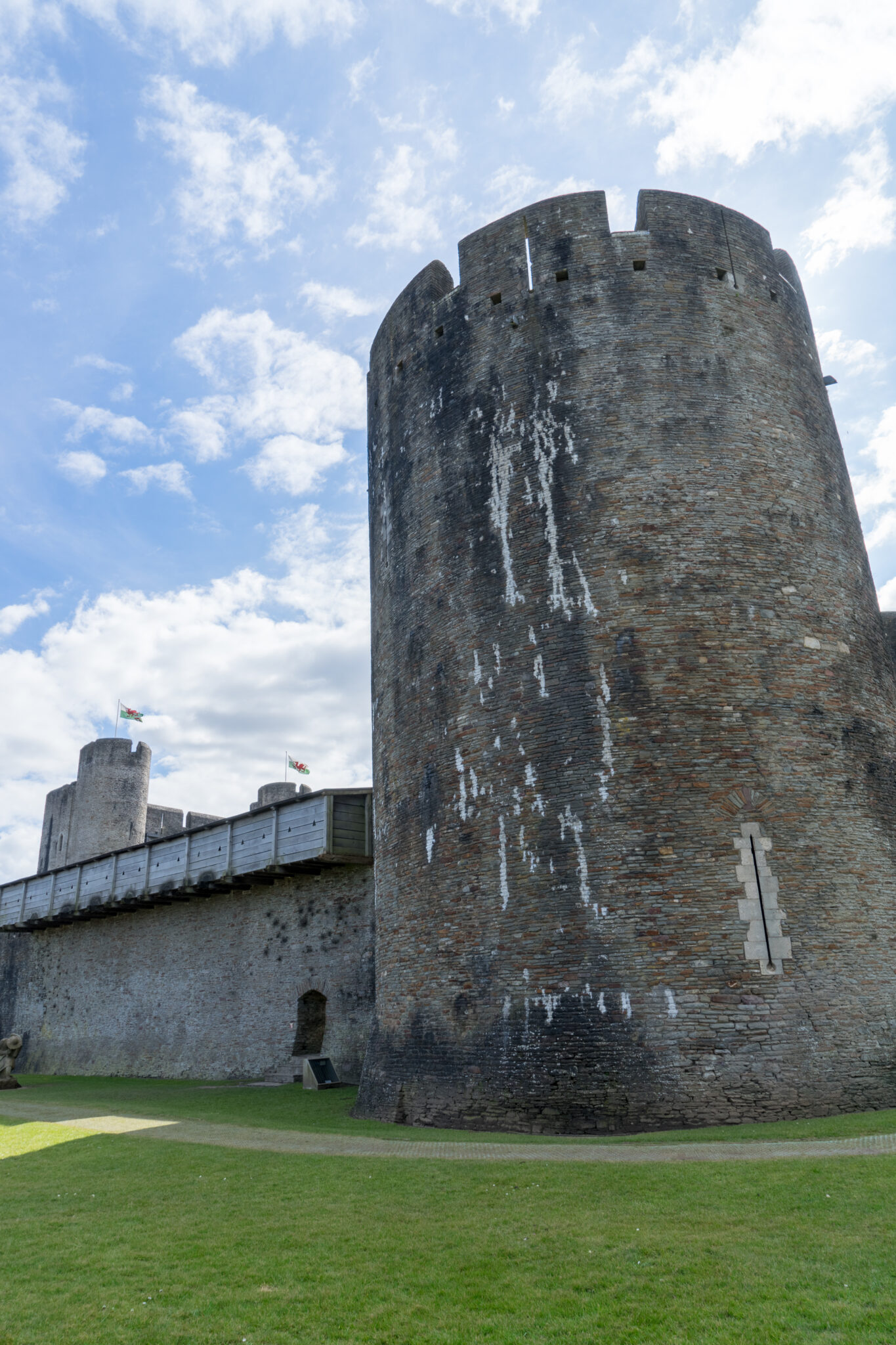
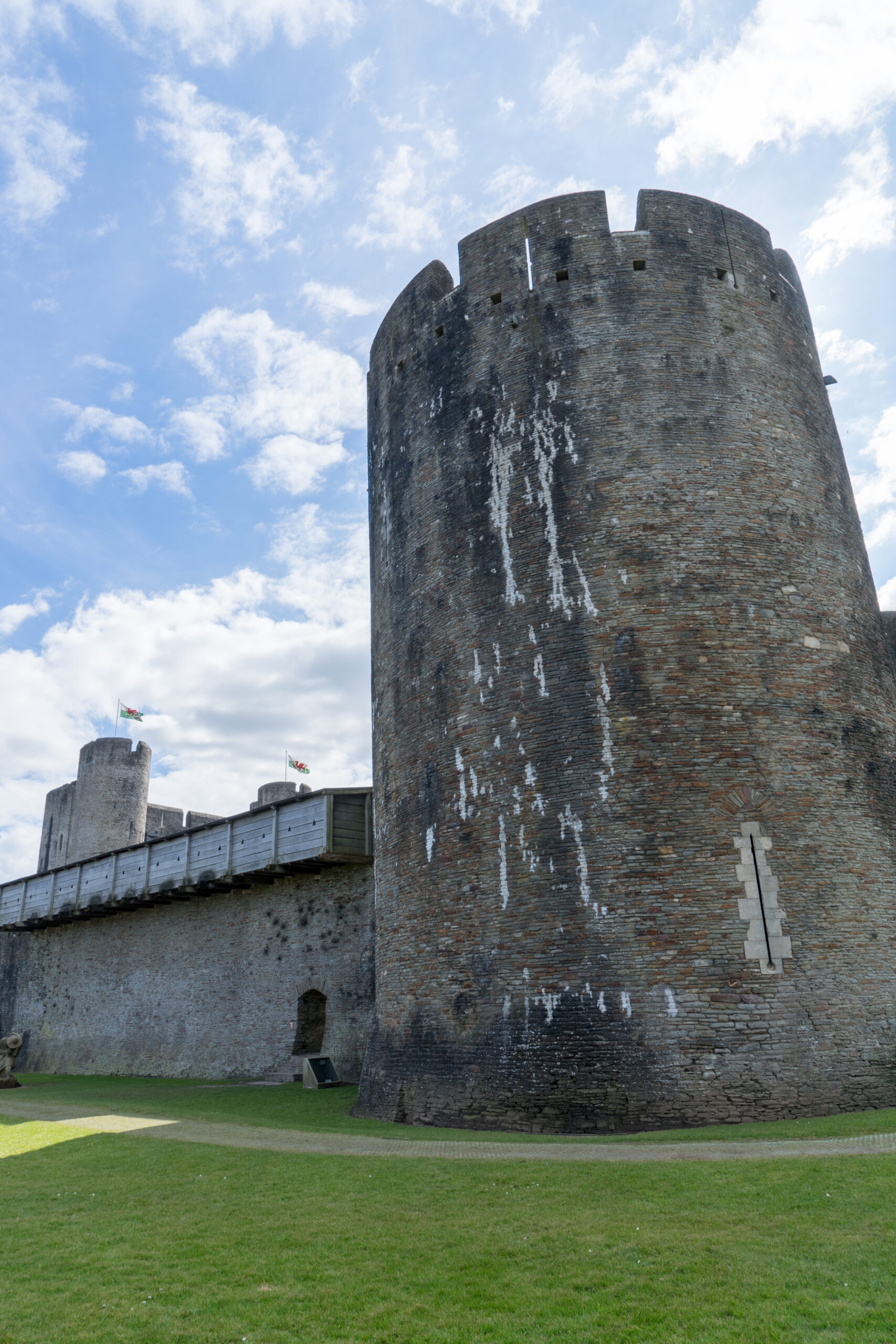
On this visit to Caerphilly Castle we watched some demonstrations of the siege engines, always fun and the view from the battlements really showed the concentric layout of the defences. This style of fortification was then continued to great effect in the castles of the fourteenth century in north Wales.
Caerphilly Castle photo gallery
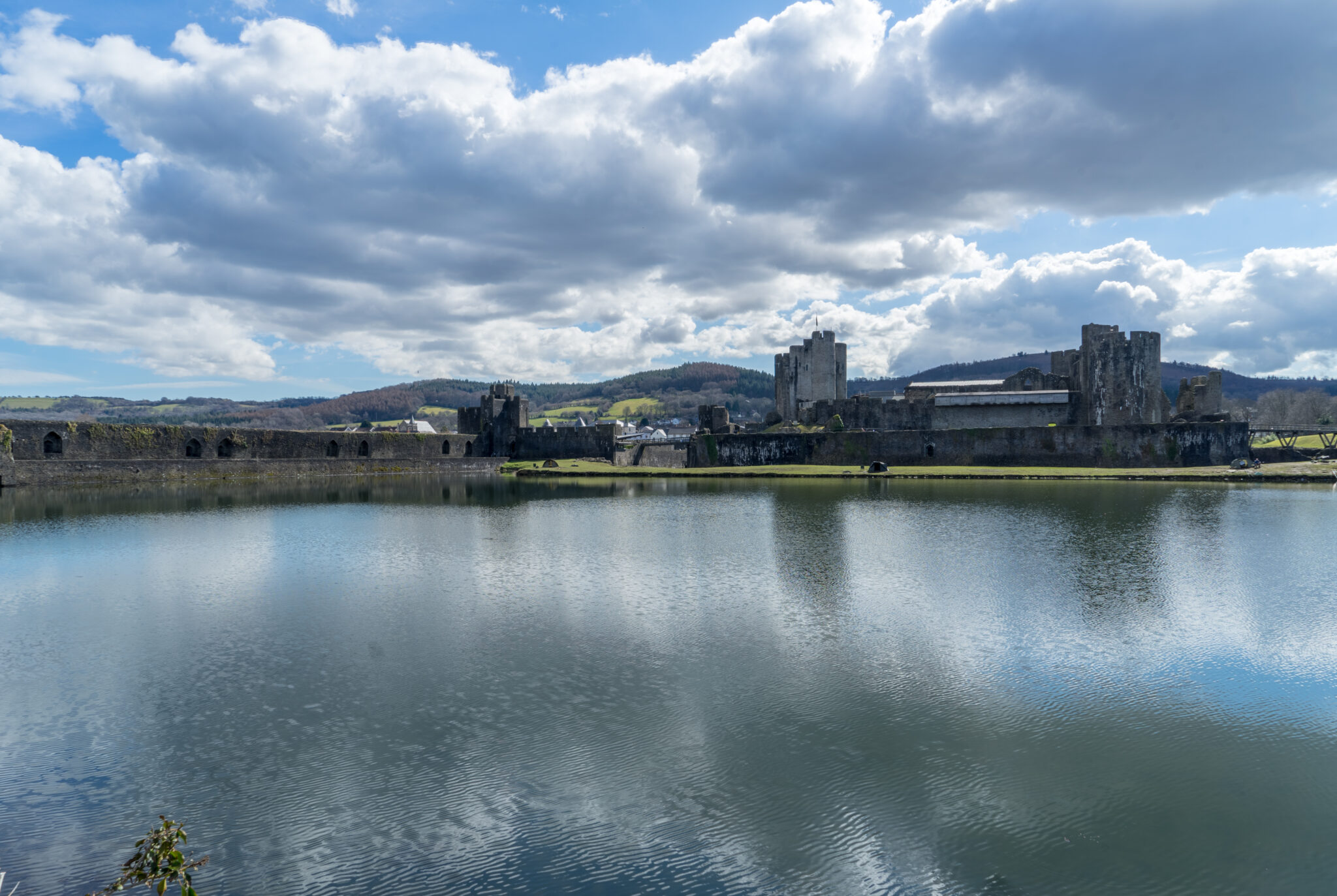
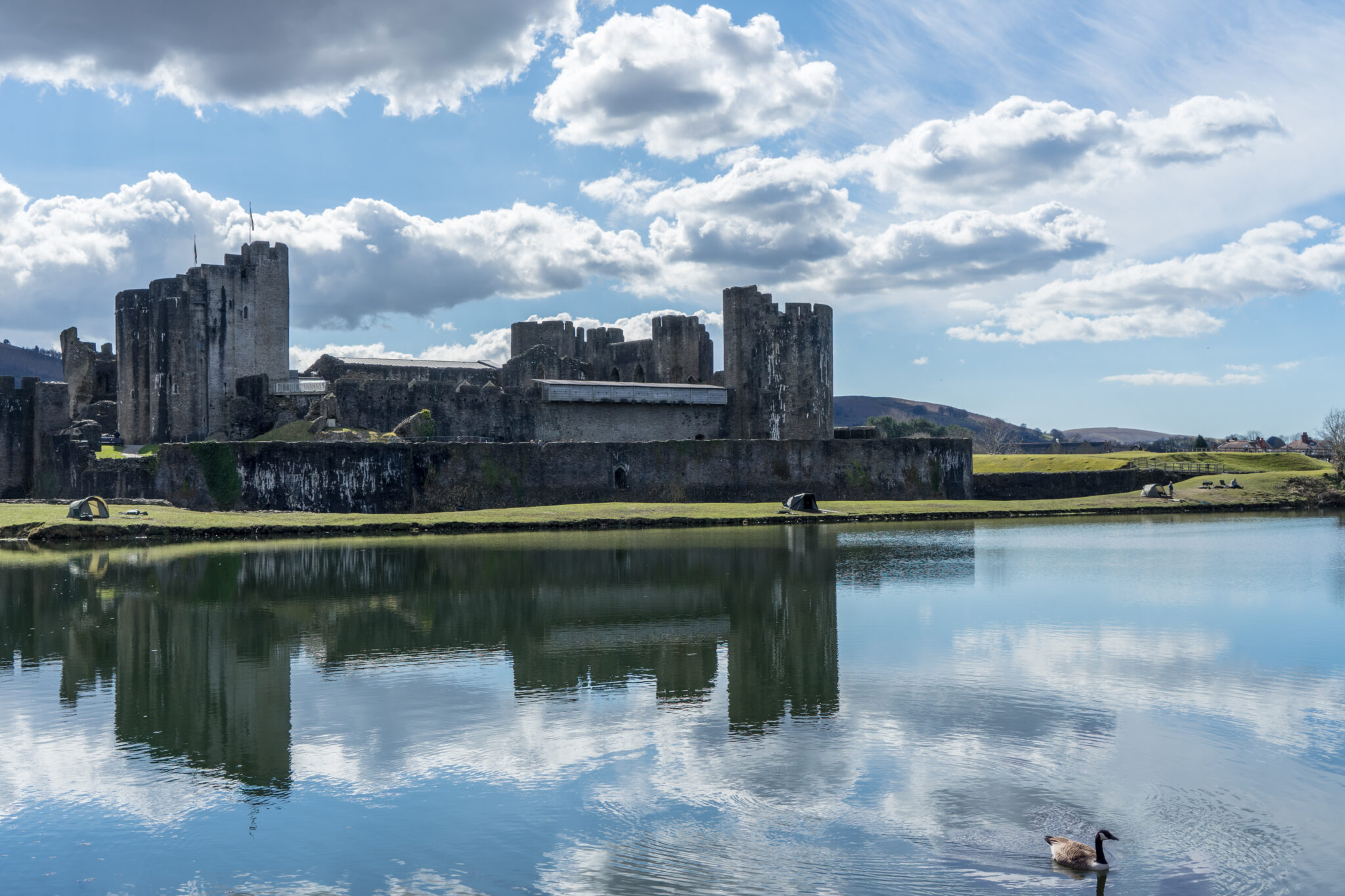
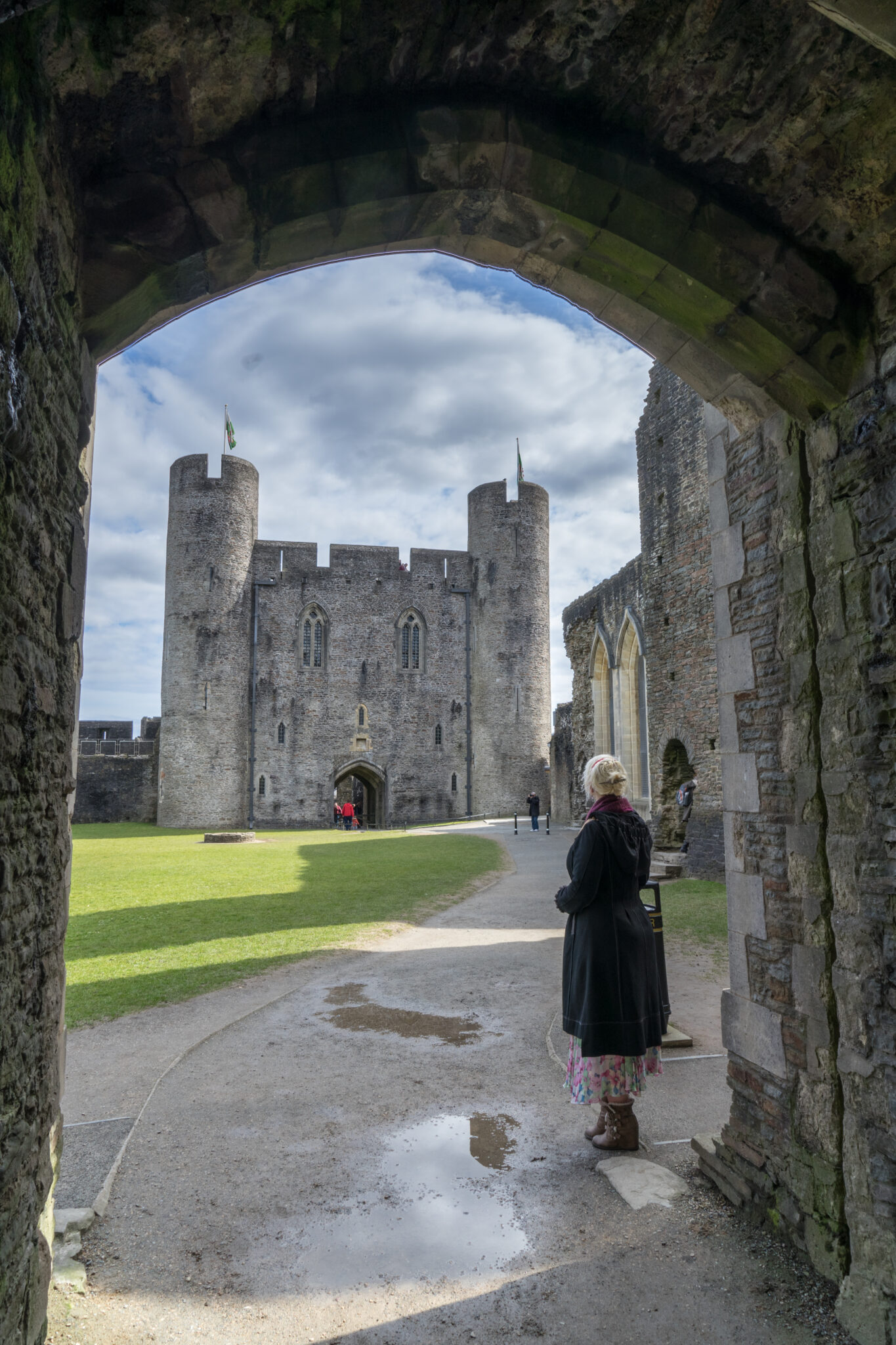
Keep 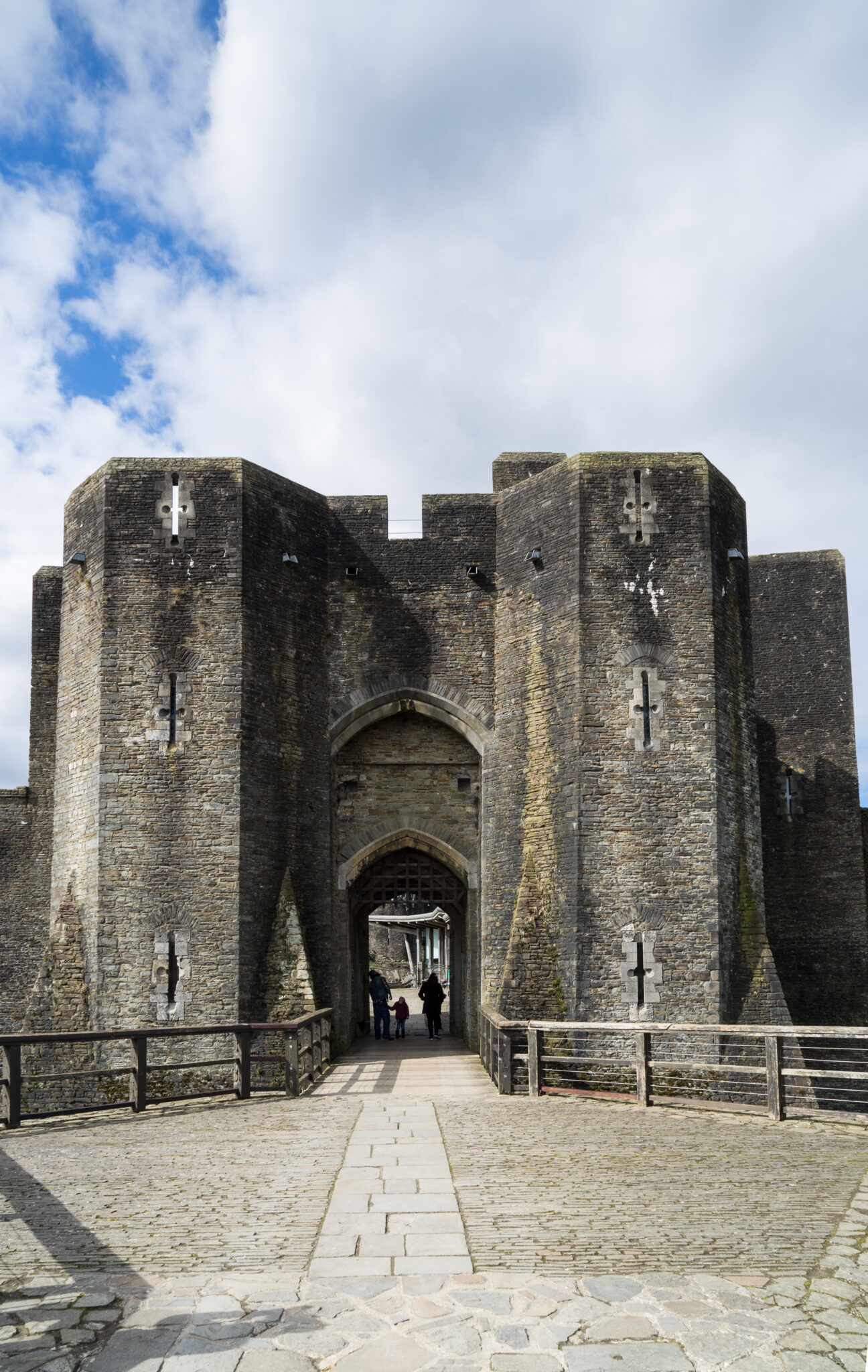
Gatehouse 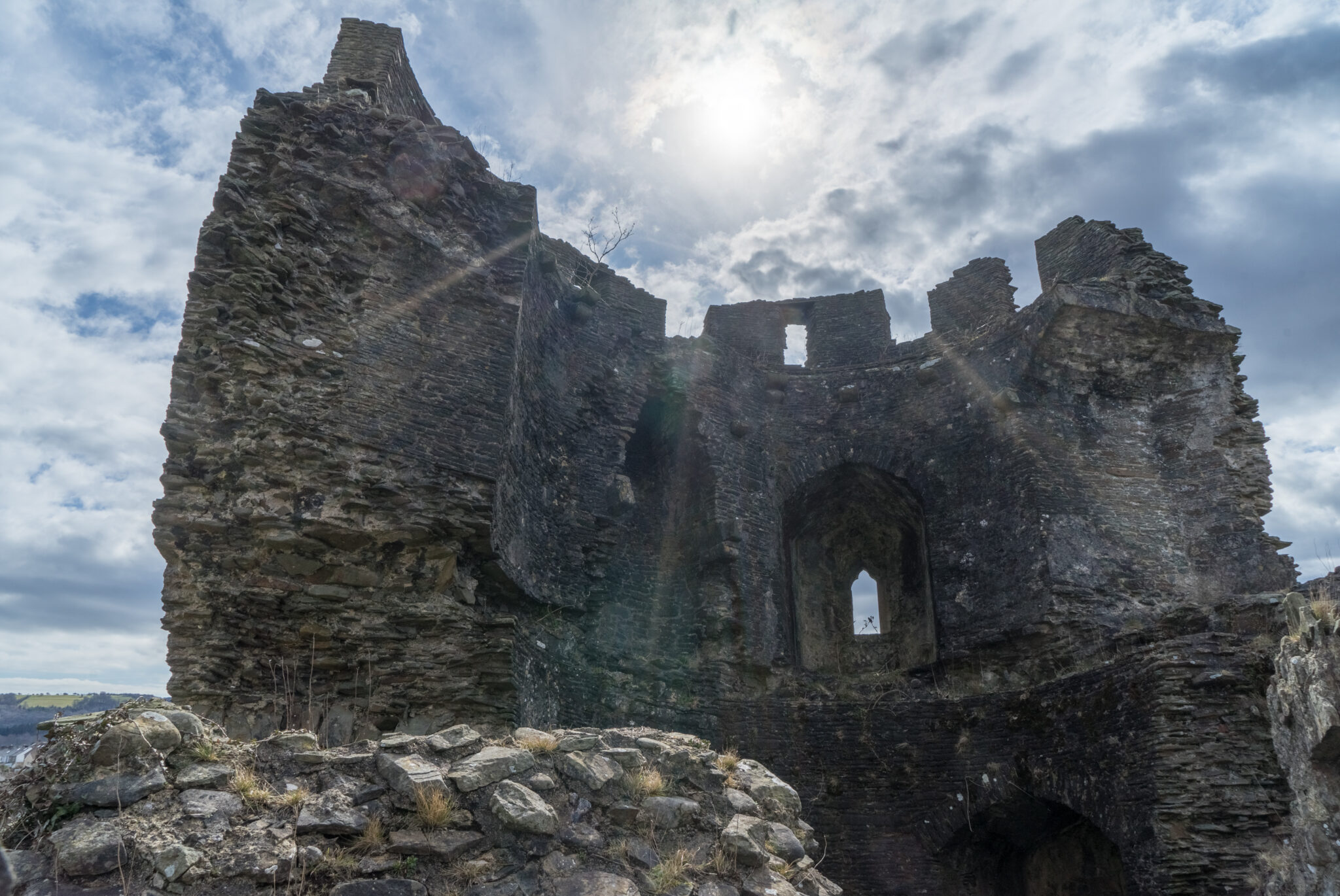
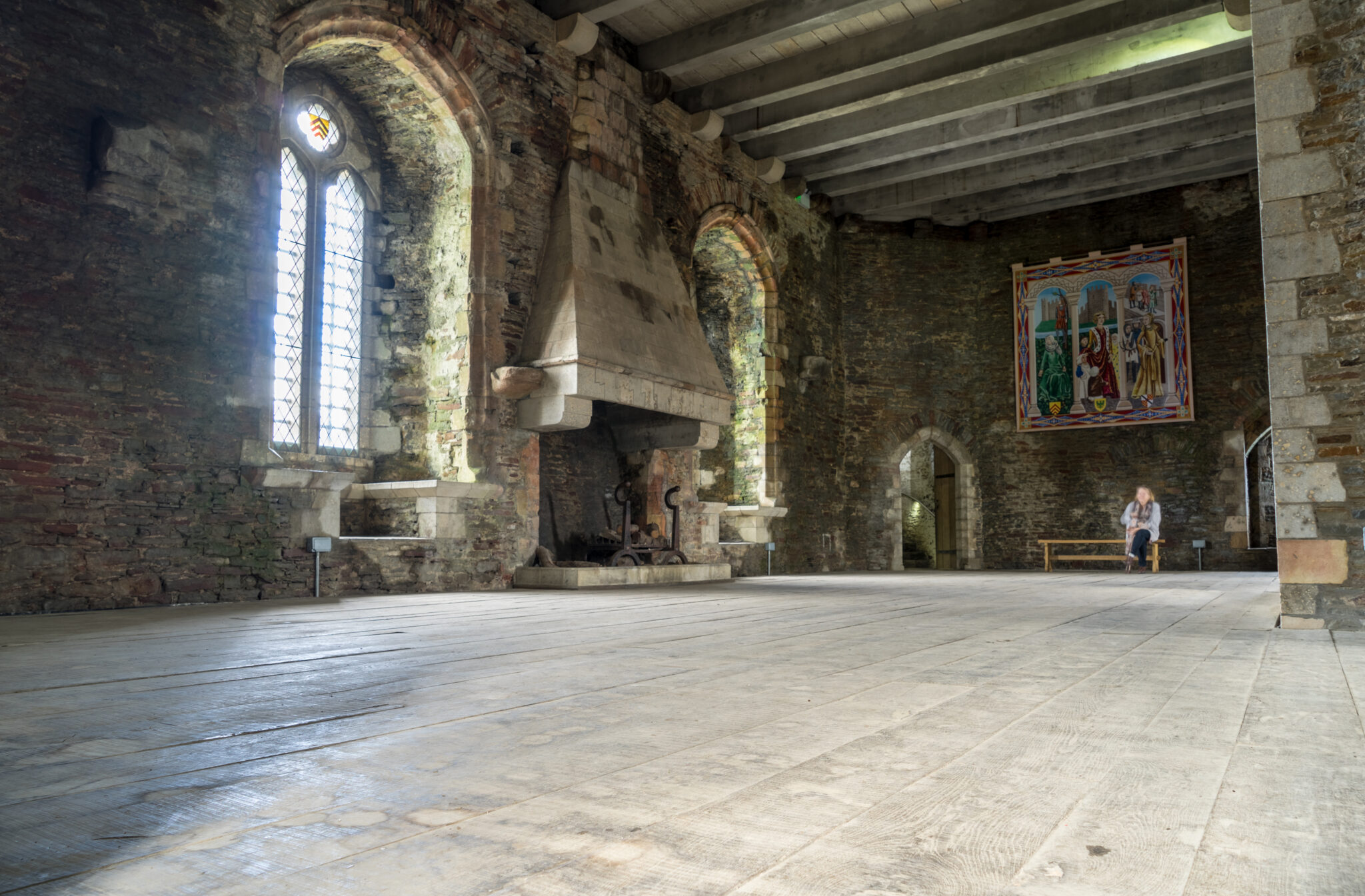
Inside the Great Hall 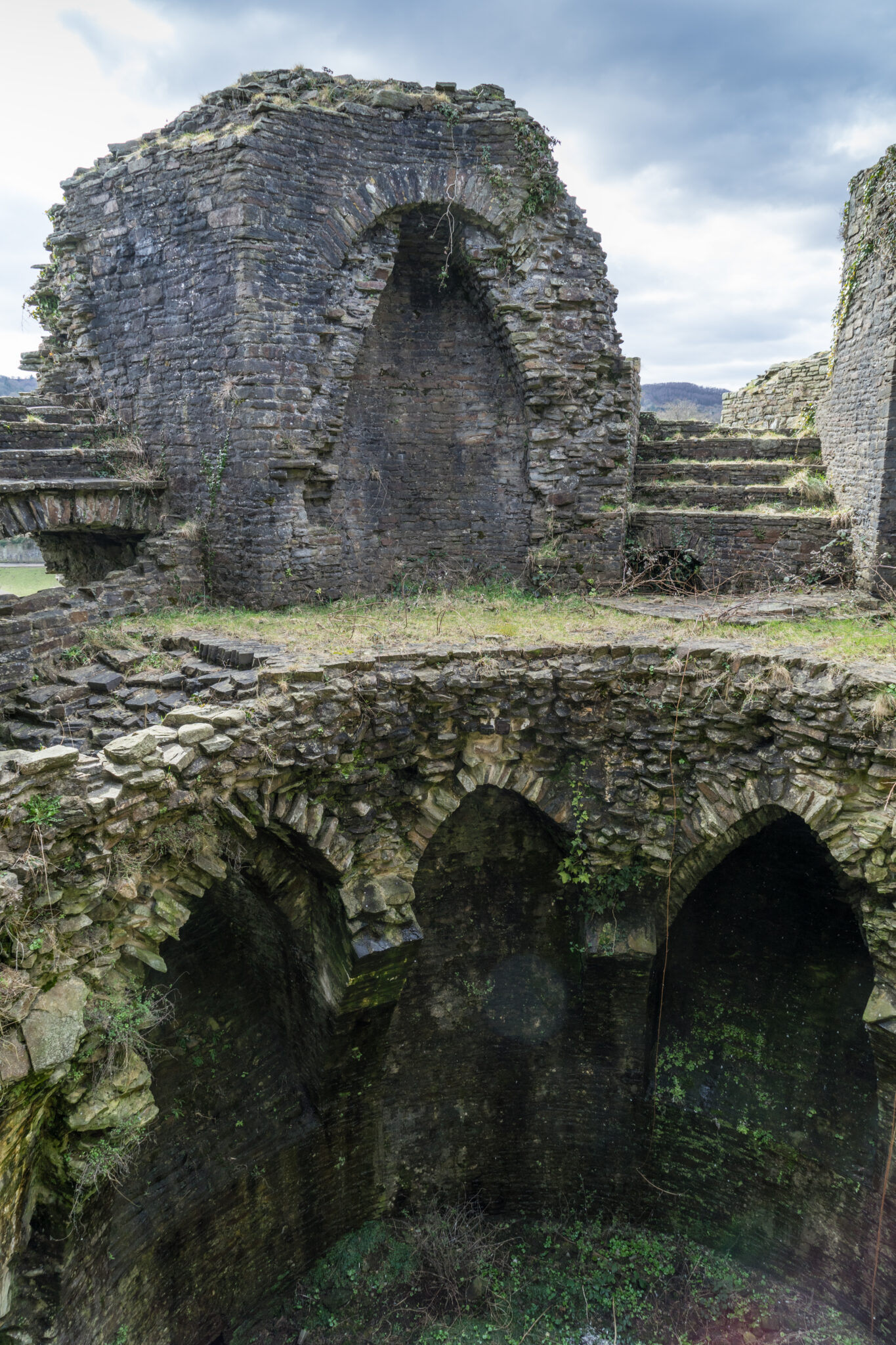
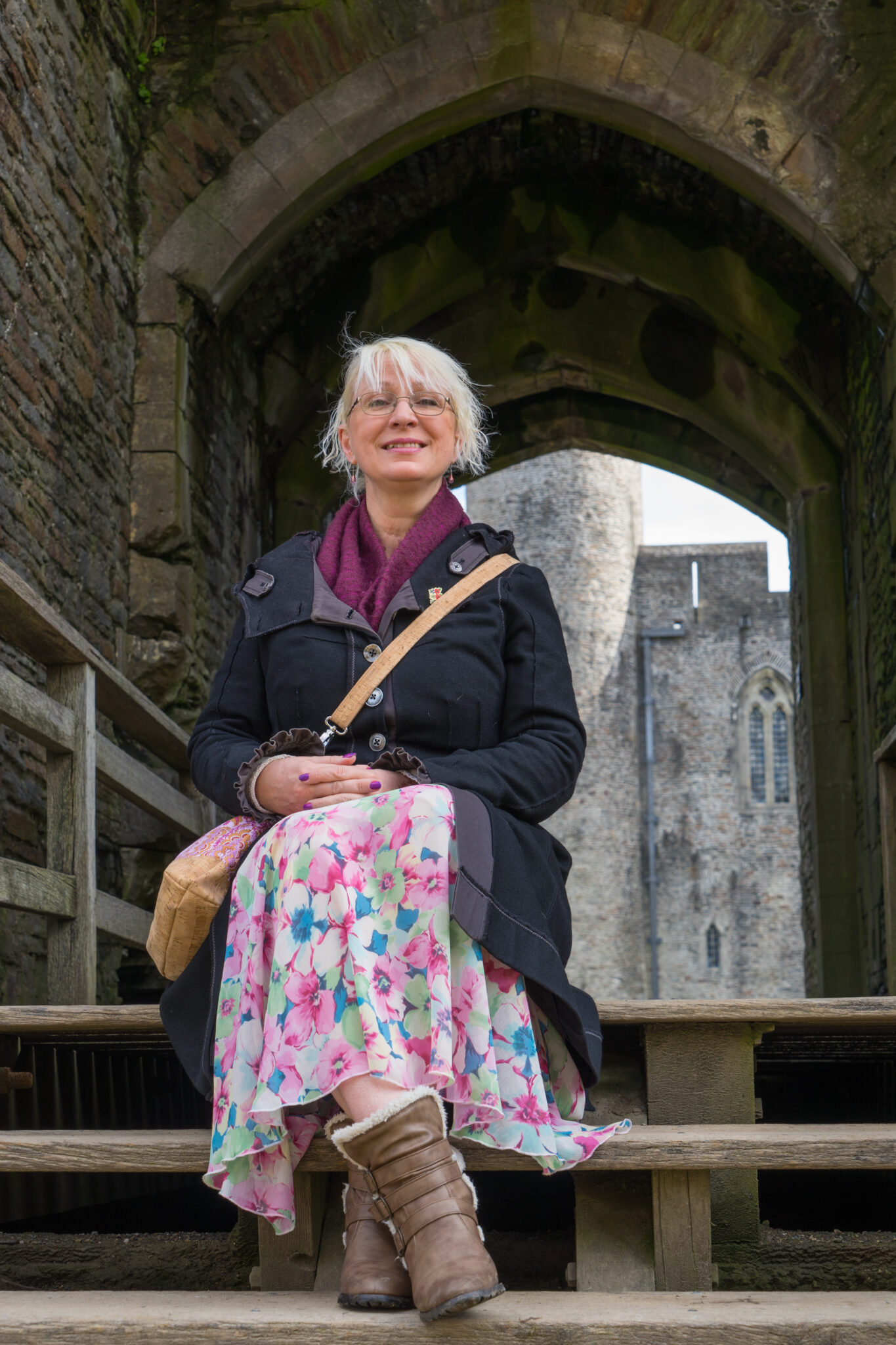
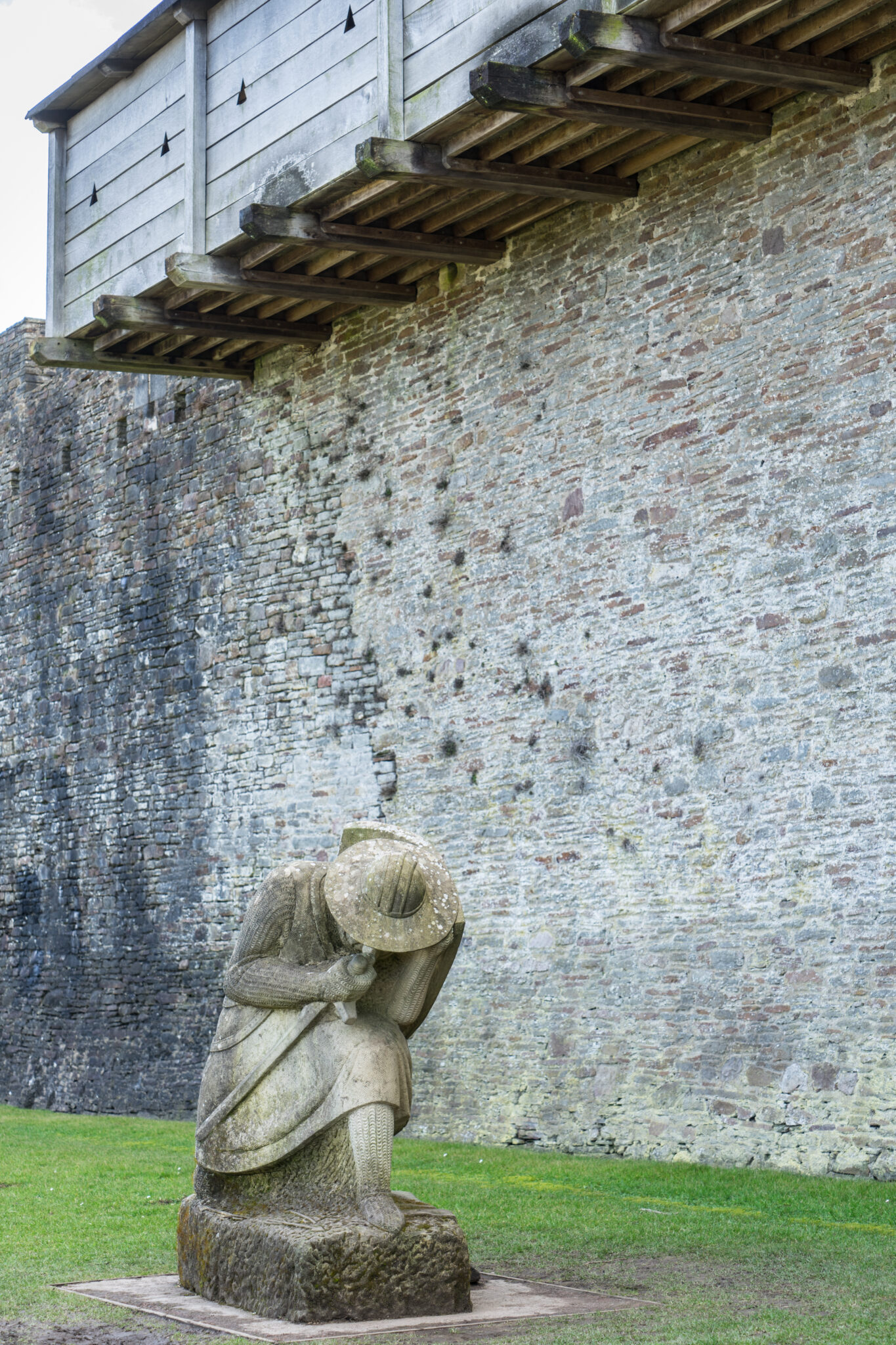
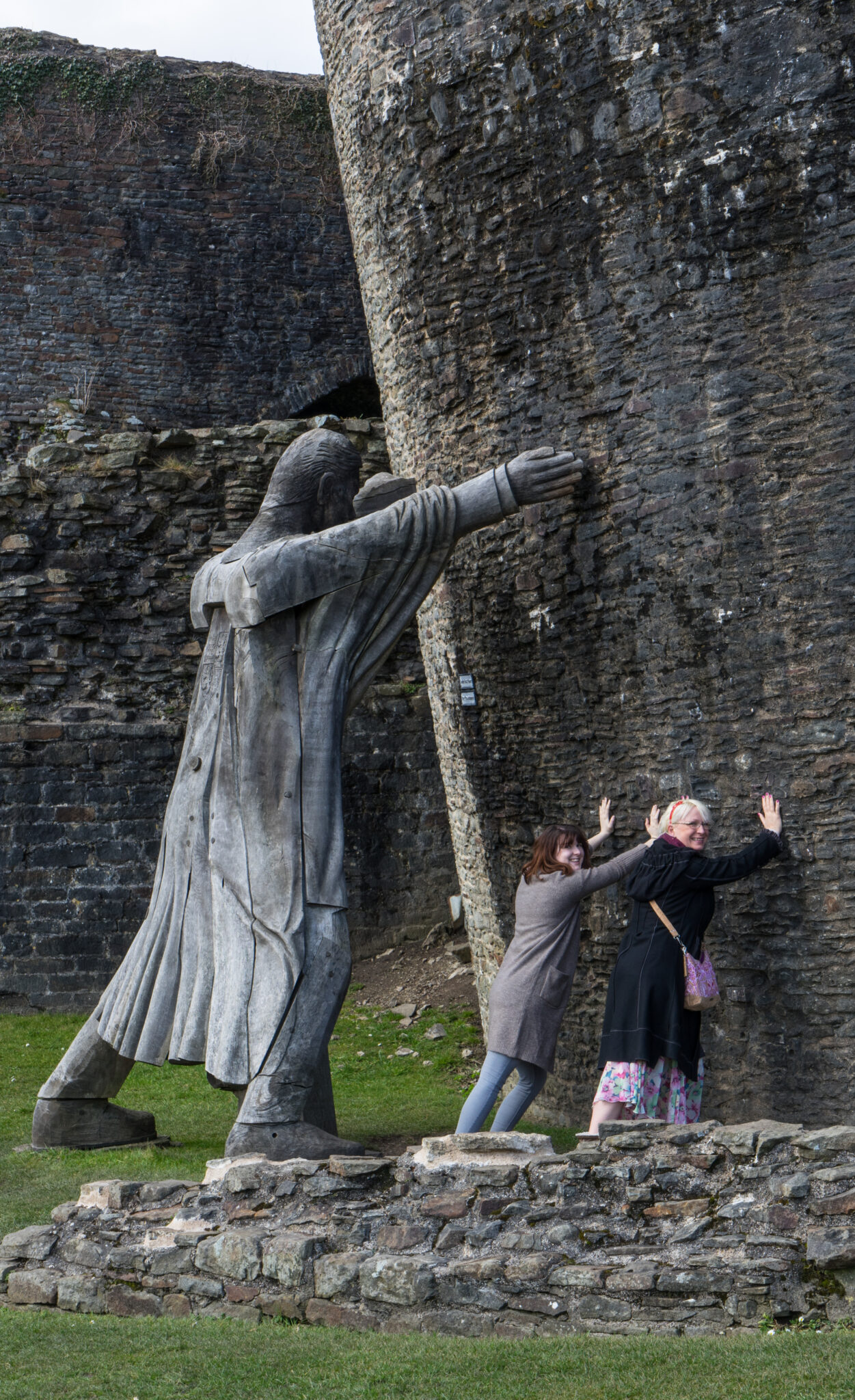
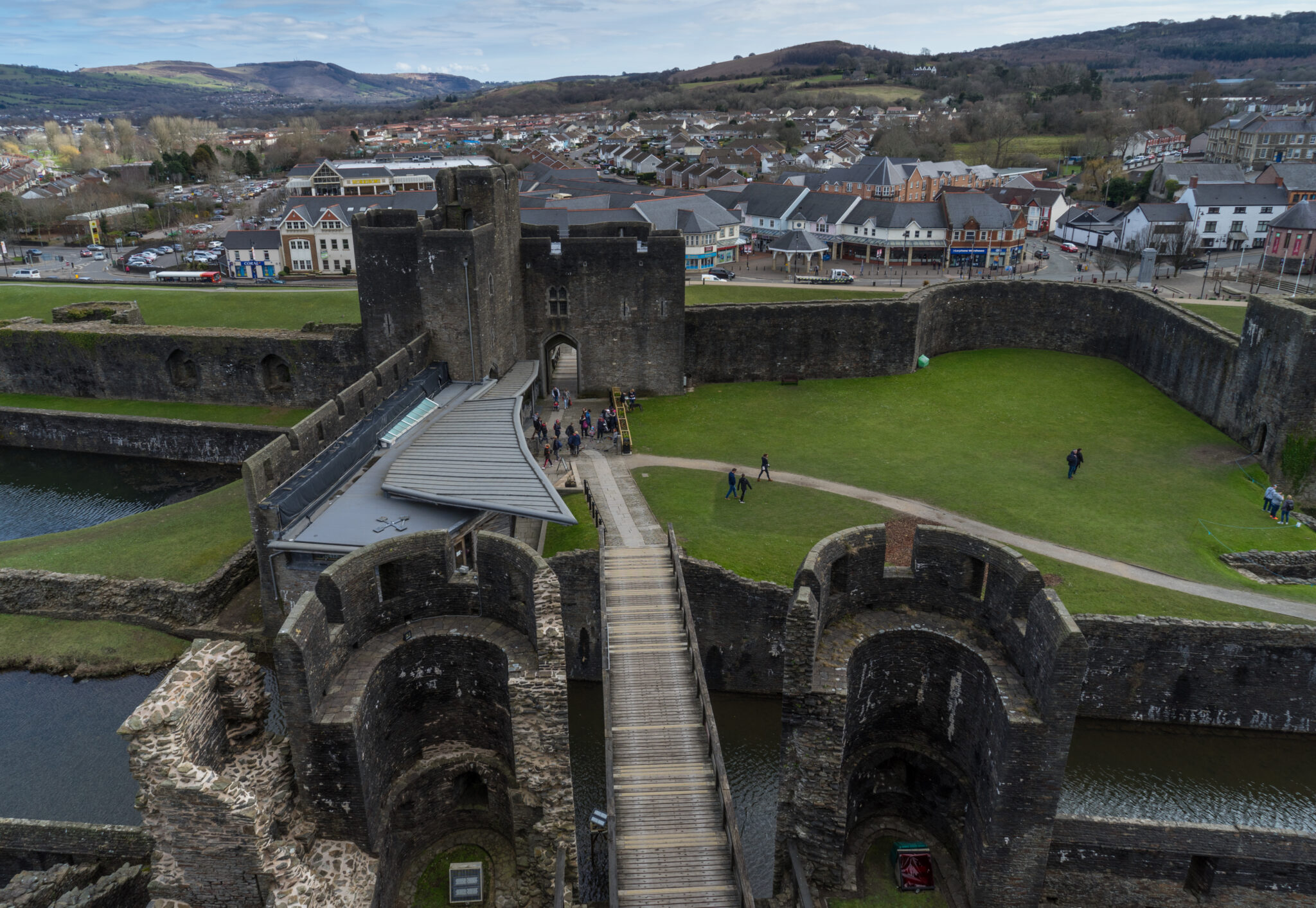
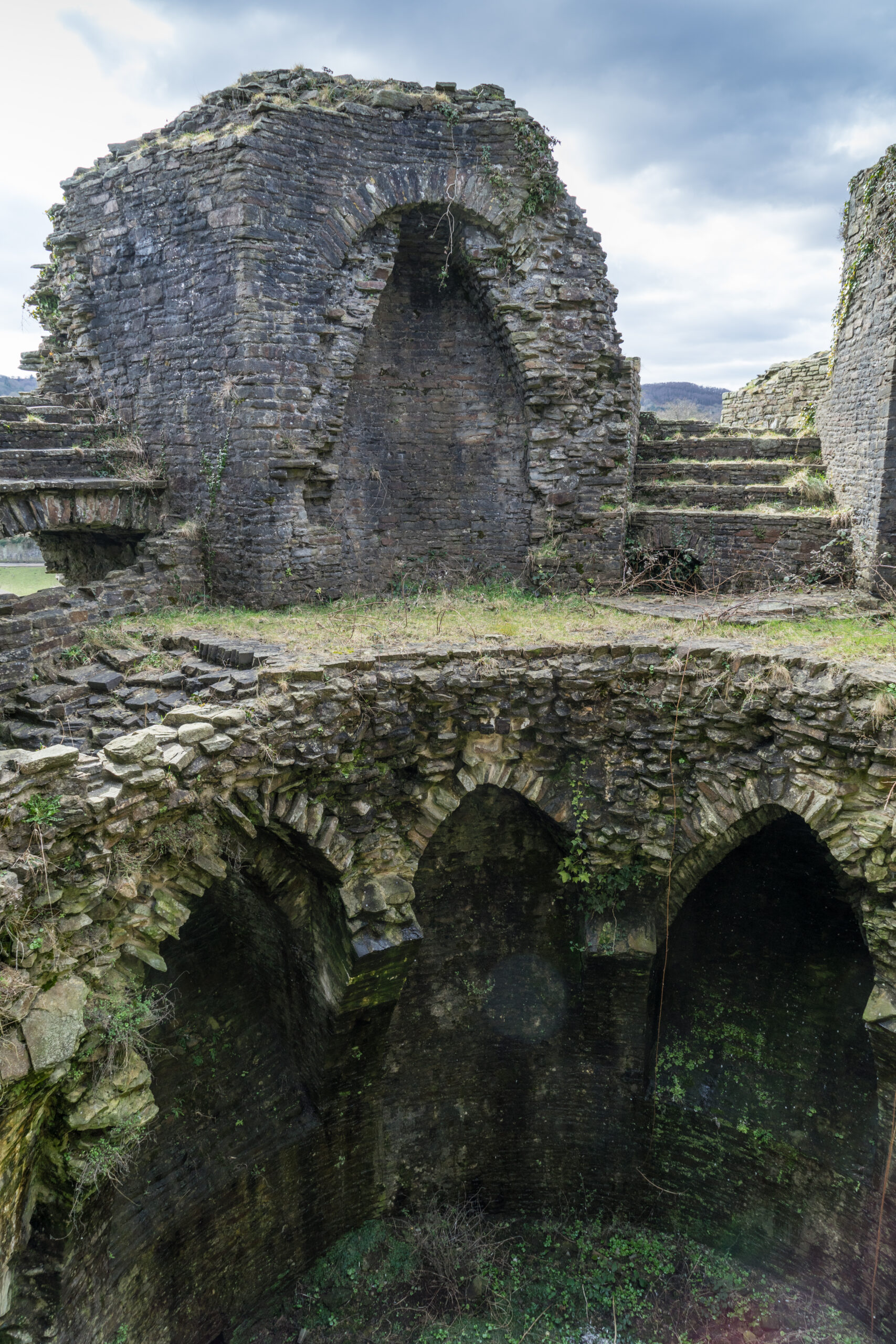
Looking over the inner gatehouse and dam defences
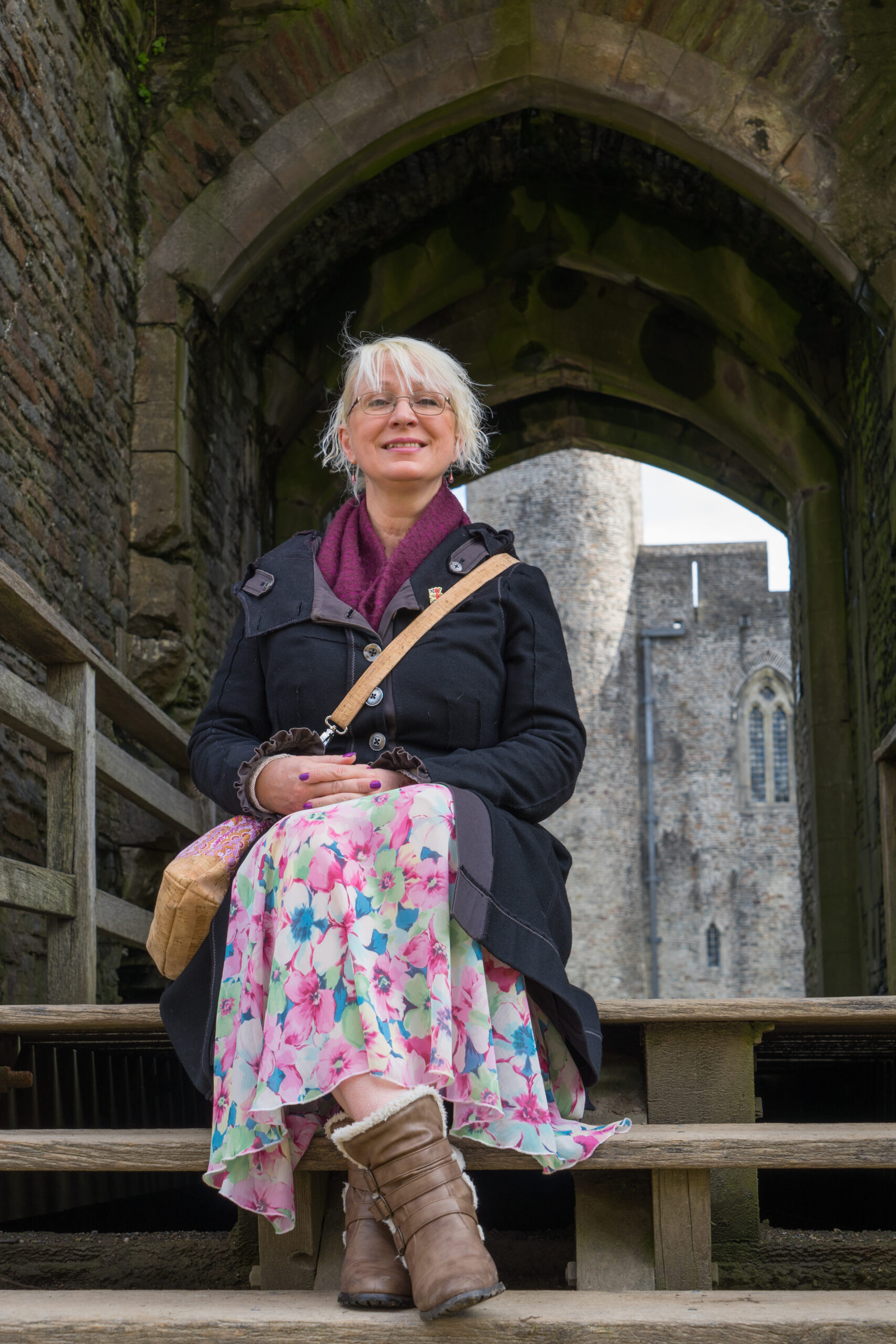
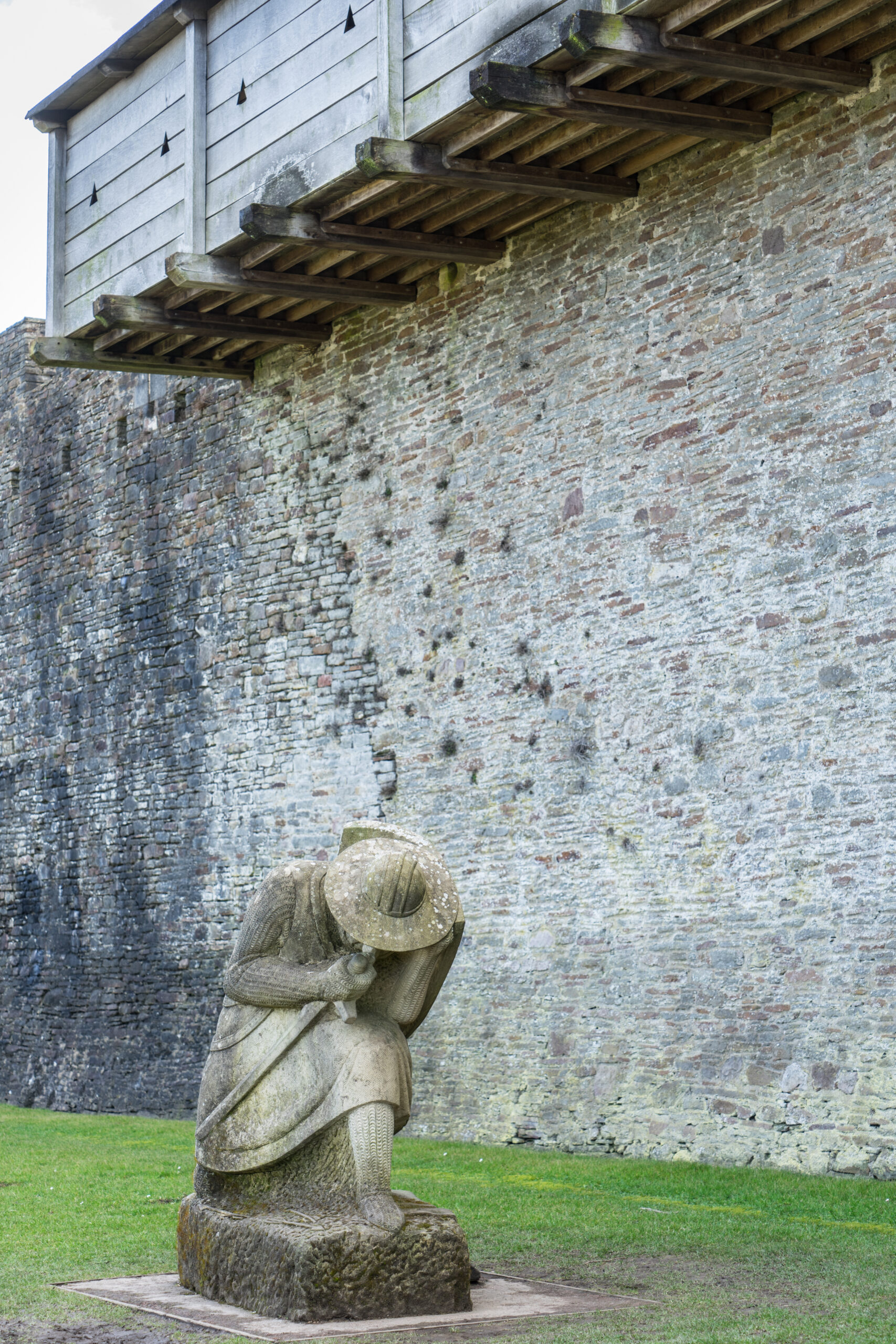
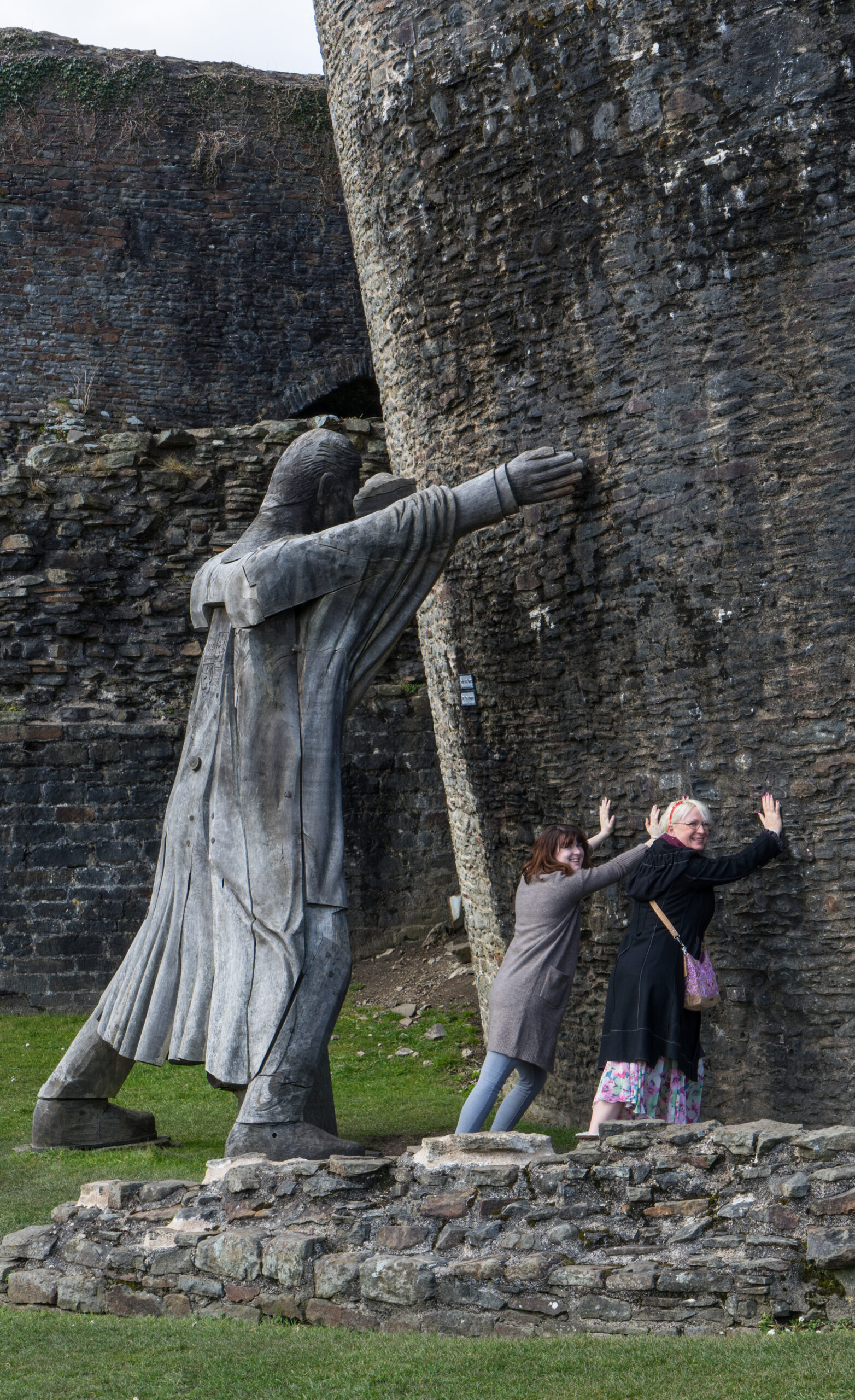
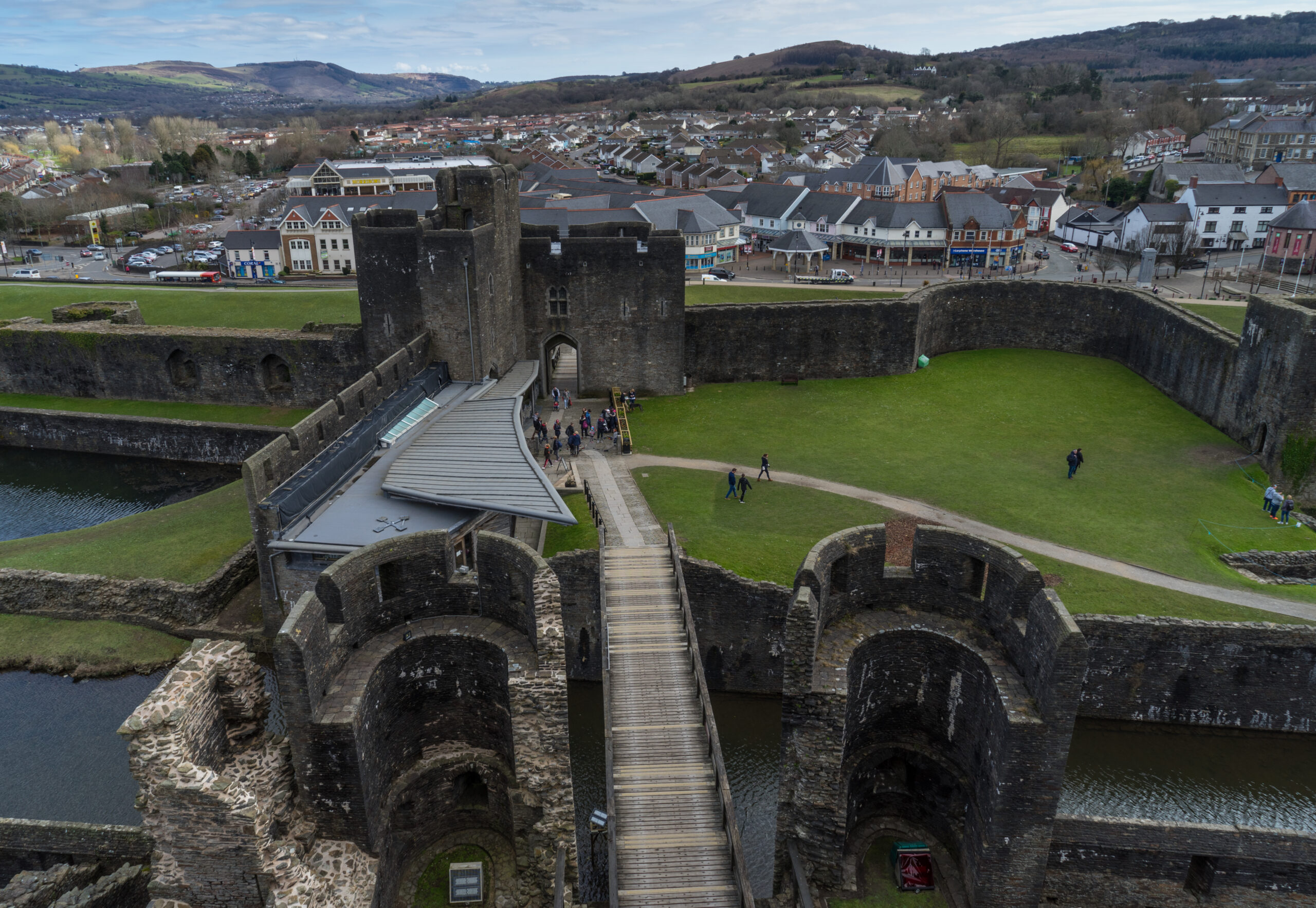


History of Caerphilly Castle
This is the summary history from the Wikipedia link below, the actual page has far more detail:
Caerphilly Castle (Welsh: Castell Caerffili) is a medieval fortification in Caerphilly in South Wales. The castle was constructed by Gilbert de Clare in the 13th century as part of his campaign to maintain control of Glamorgan, and saw extensive fighting between Gilbert, his descendants, and the native Welsh rulers. Surrounded by extensive artificial lakes – considered by historian Allen Brown to be “the most elaborate water defences in all Britain” – it occupies around 30 acres (12 ha) and is the second largest castle in the United Kingdom. It is famous for having introduced concentric castle defences to Britain and for its large gatehouses. Gilbert began work on the castle in 1268 following his occupation of the north of Glamorgan, with the majority of the construction occurring over the next three years at a considerable cost. The project was opposed by Gilbert’s Welsh rival Llywelyn ap Gruffudd, leading to the site being burnt in 1270 and taken over by royal officials in 1271. Despite these interruptions, Gilbert successfully completed the castle and took control of the region. The core of Caerphilly Castle, including the castle’s luxurious accommodation, was built on what became a central island, surrounding by several artificial lakes, a design Gilbert probably derived from that at Kenilworth. The dams for these lakes were further fortified, and an island to the west provided additional protection. The concentric rings of walls inspired Edward I’s castles in North Wales, and proved what historian Norman Pounds has termed “a turning point in the history of the castle in Britain”.
The castle was attacked during the Madog ap Llywelyn revolt of 1294, the Llywelyn Bren uprising in 1316 and during the overthrow of Edward II in 1326–27. In the late 15th century, however, it fell into decline and by the 16th century the lakes had drained away and the walls were robbed of their stone. The Marquesses of Bute acquired the property in 1776 and under the third and fourth Marquesses extensive restoration took place. In 1950 the castle and grounds were given to the state and the water defences were re-flooded. In the 21st century, the Welsh heritage agency Cadw manages the site as a tourist attraction.
References
CADW’s site with an excellent visitors guide is here
The Wikipedia page quoted above is here