
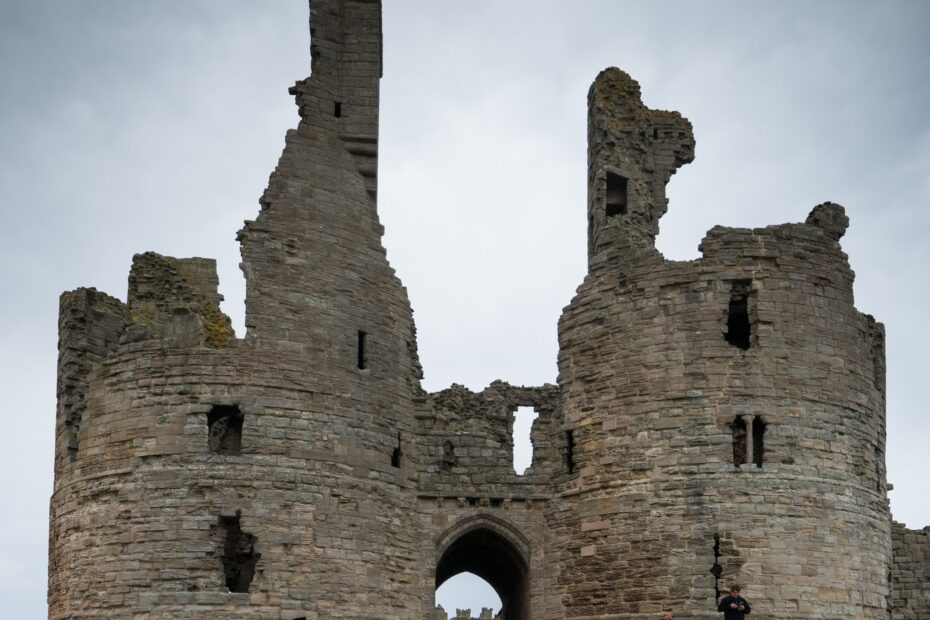
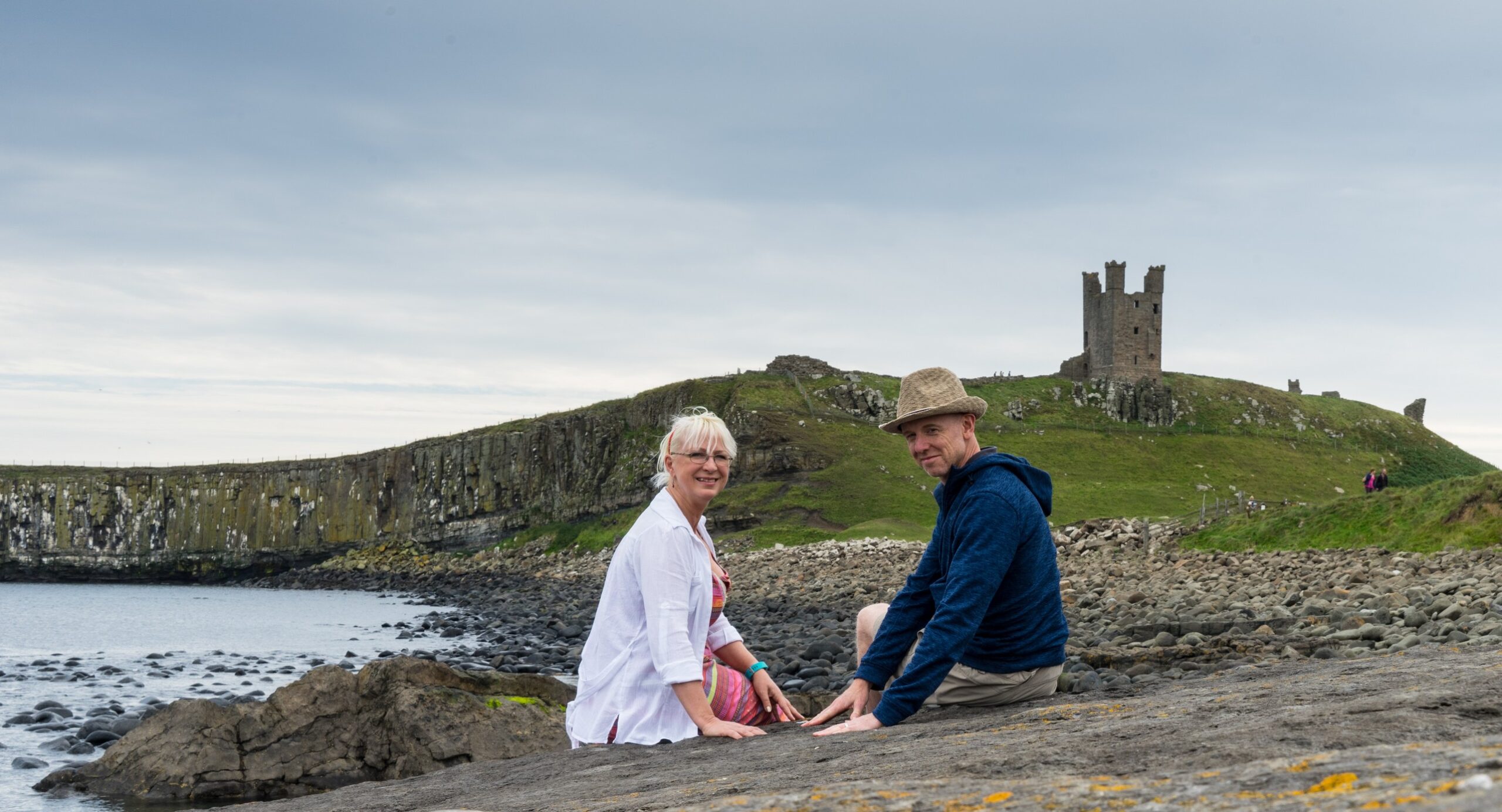
A visit to Dunstanburgh is an exhilarating experience but more because of the setting than the castle itself. This border fortress is now a much reduced ruin, set in beautiful Northumberland scenery.
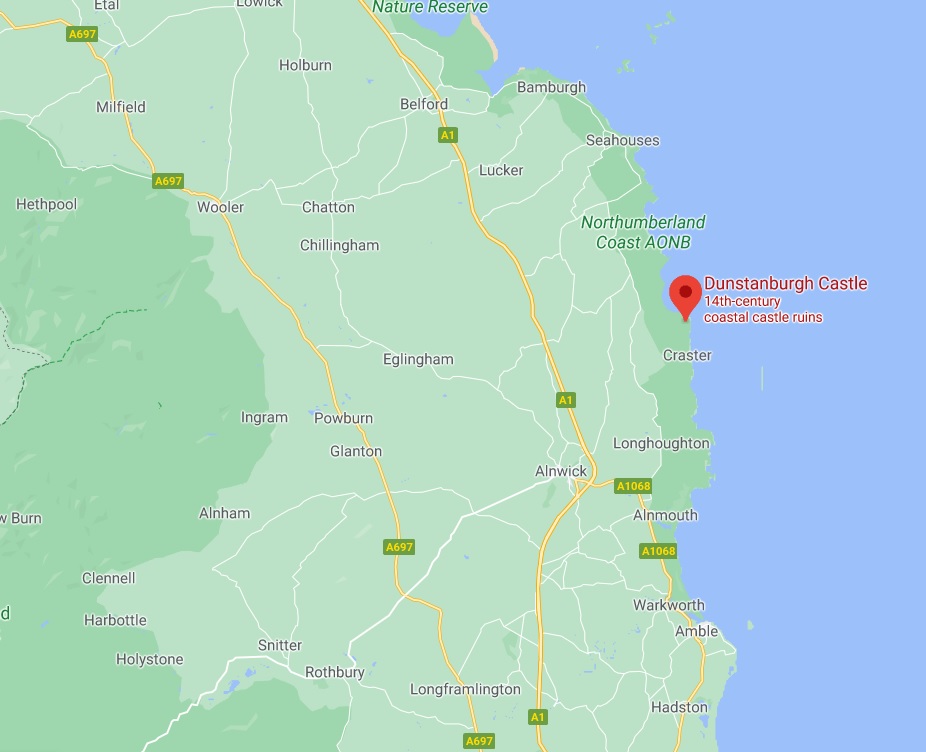
Visiting Dunstanburgh Castle
The closest car parking to Dunstanburgh castle is over a mile away but that is part of the appeal when you visit, walking down a long path beside the sea with the castle slowly looming larger in front of you. There is a small shop with limited catering facilities but no toilets.
My Experience
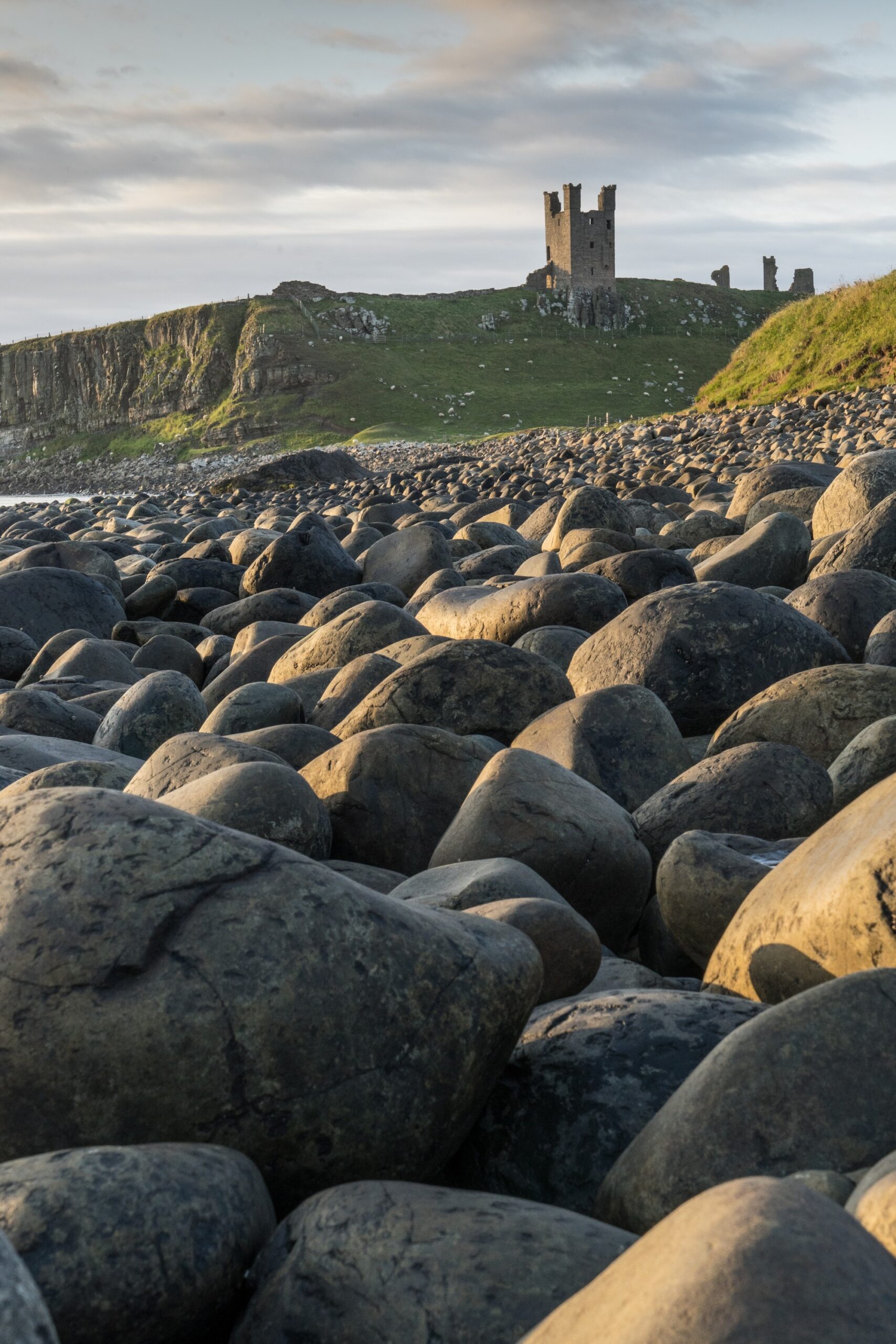
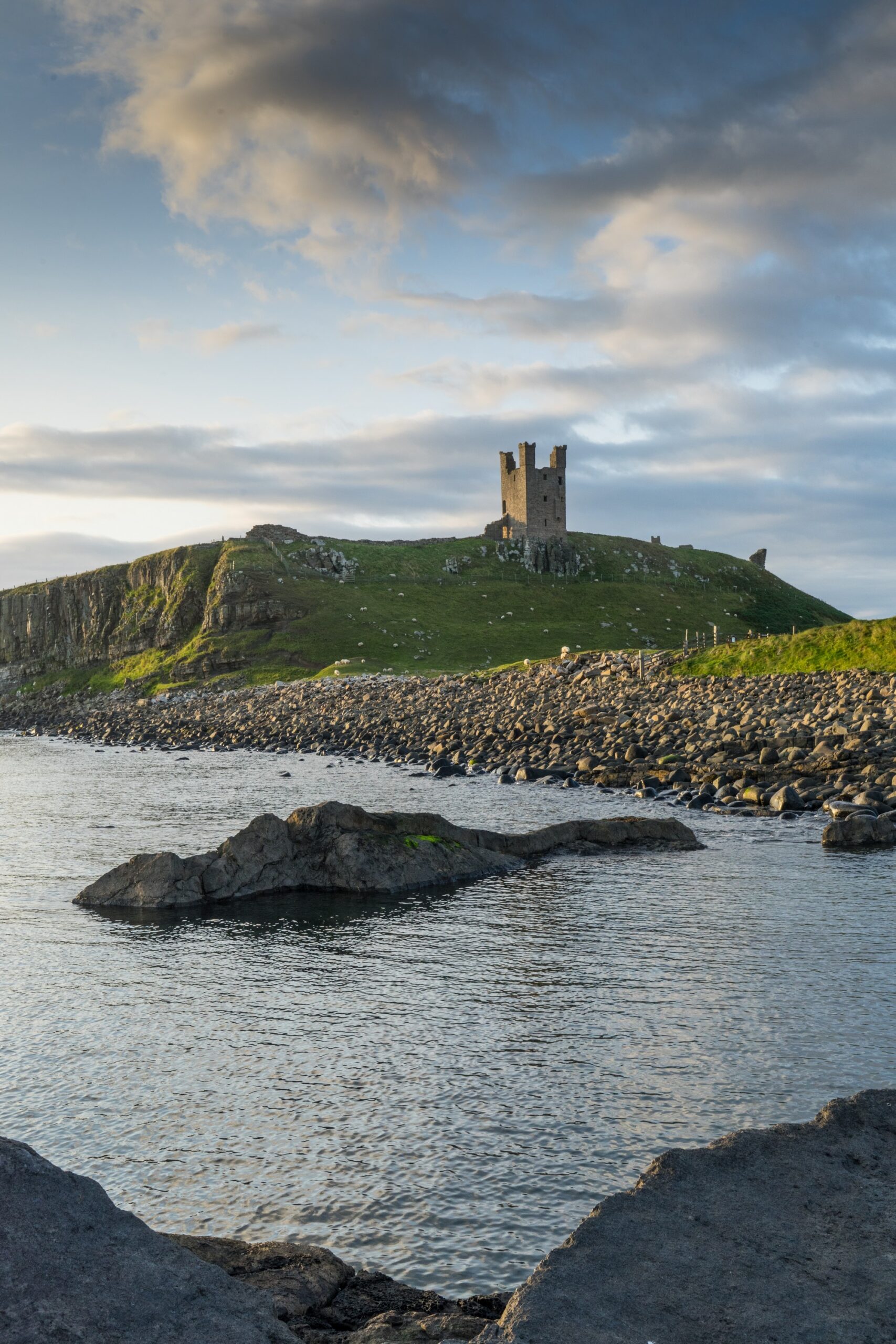
This visit to Dunstanburgh Castle was part of our northern England motor home tour. We were staying in a campsite nearby and I woke early and the sky was such a gorgeous colour I decided to walk to the coast to get some sunrise shots. I took the map with me (which was pointless as I didn’t take my glasses so couldn’t read it!) and headed through the woods down to the beach.
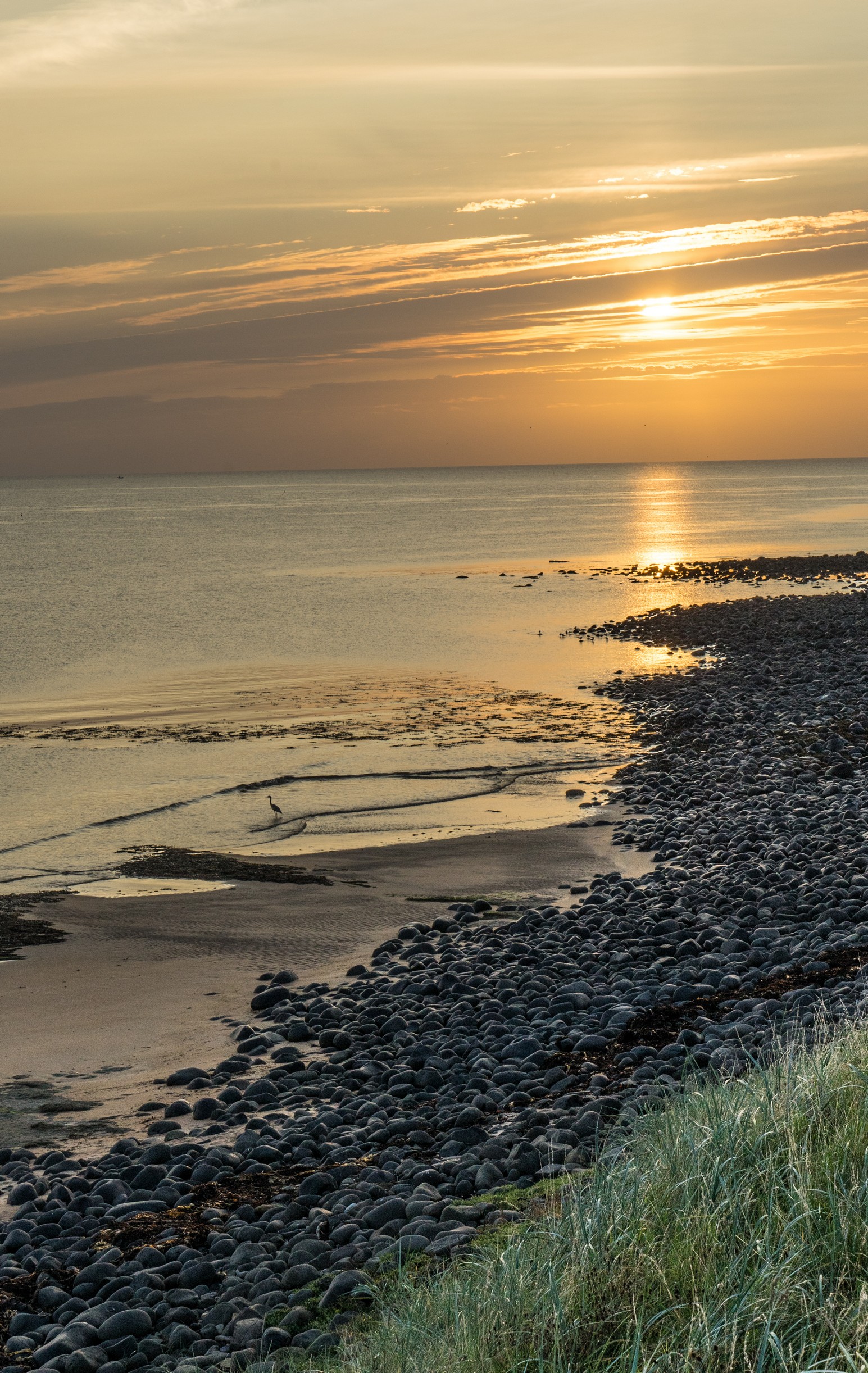
It was about a 30 minute walk to the beach and about another 20 to the castle. The sky was changing colours from reds to orange to yellow and the sea was utterly calm, it really is the best time of the day. There was a bird fishing on the beach, possibly a heron but for all I know it was an emu. It did look majestic in the sunrise though. After taking plenty of pictures I then headed back to the van. Deb was up and preparing breakfast so my timing was impeccable!
After a leisurely meal we decided to walk back to the castle. The weather was a bit more dull but we spent about 4 hours walking to the castle, then around the interior. The castle occupies such a large site it is difficult to get a grasp of the defences as the perimiter seemed much too large to defend. The main gatehouse is still standing and a couple of towers but other than that there are just low walls left. After exploring we went back to the caravan site via a coffee shop in the nearby village.
The second set of photos are taken on a 2007 visit, another day of glorious weather but this time approaching the castle from the opposite direction.
Dunstanburgh Castle Photo Gallery
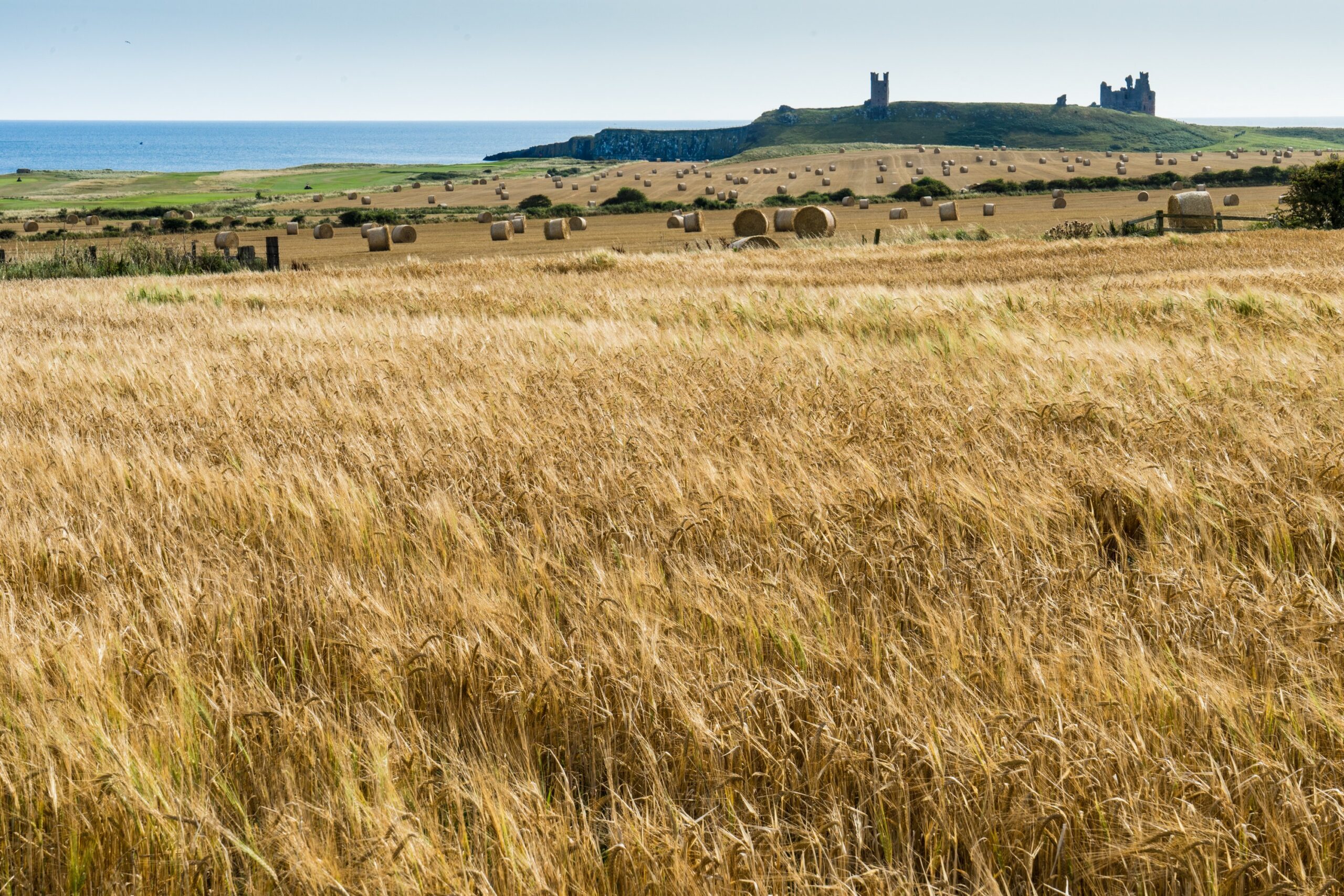
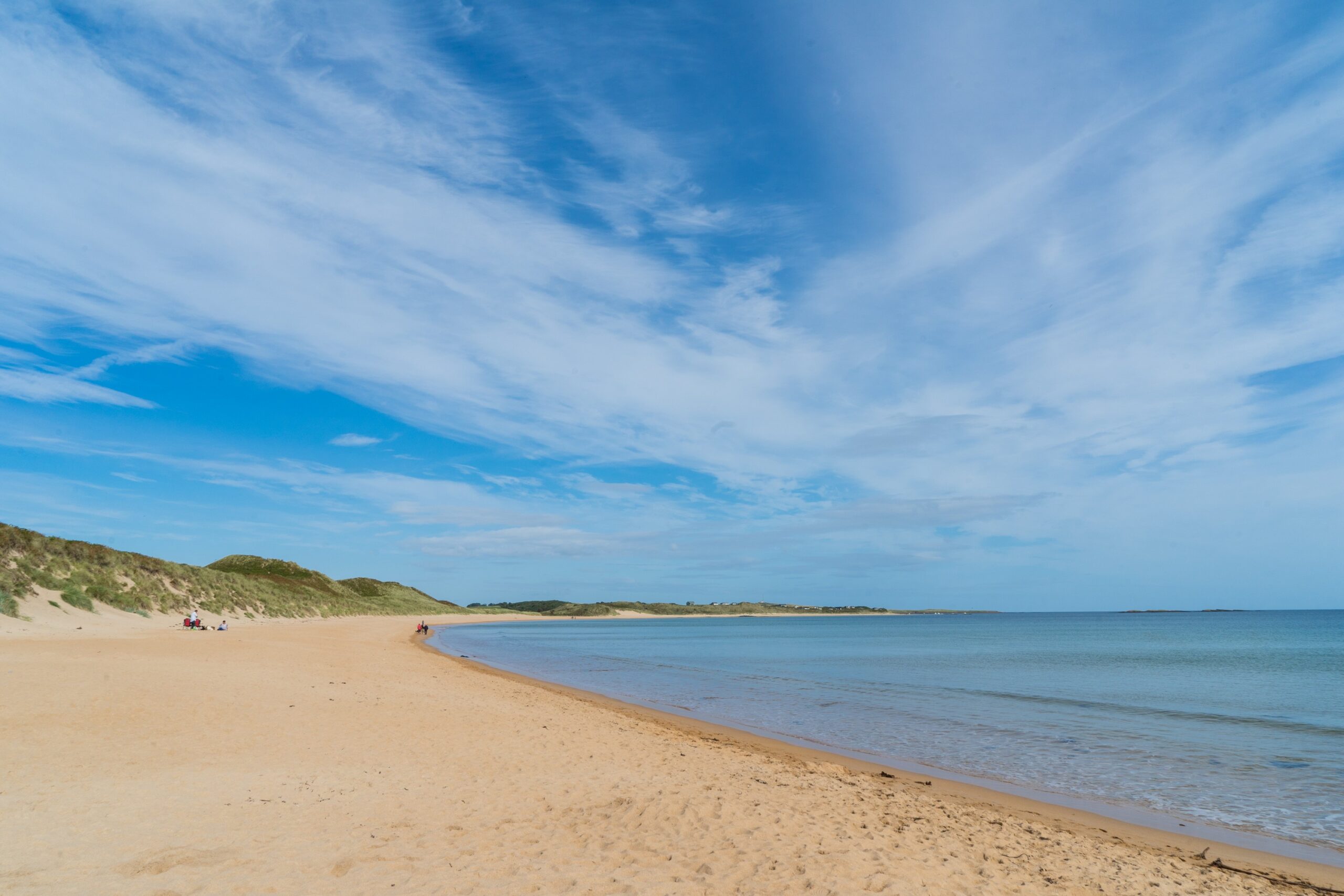
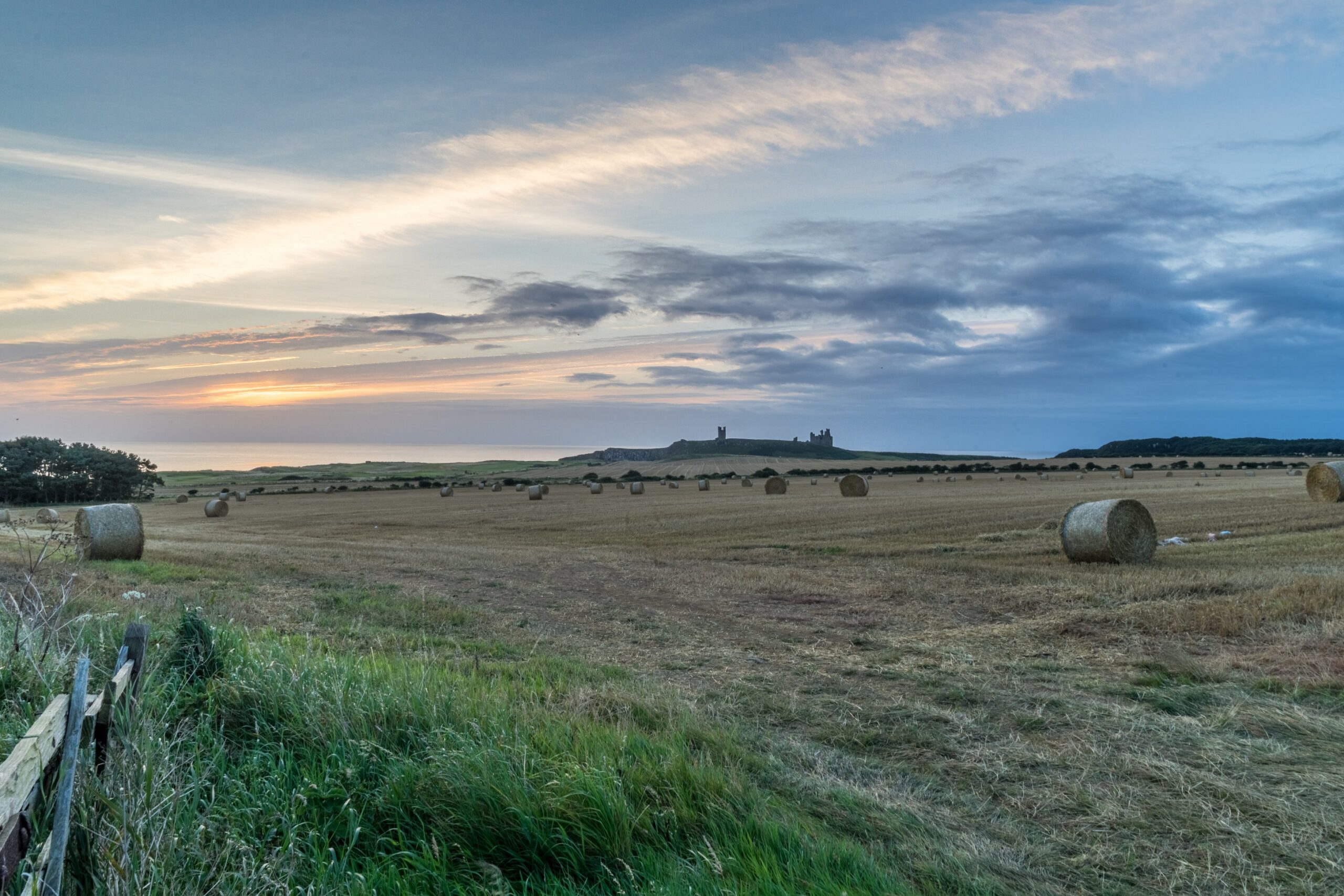
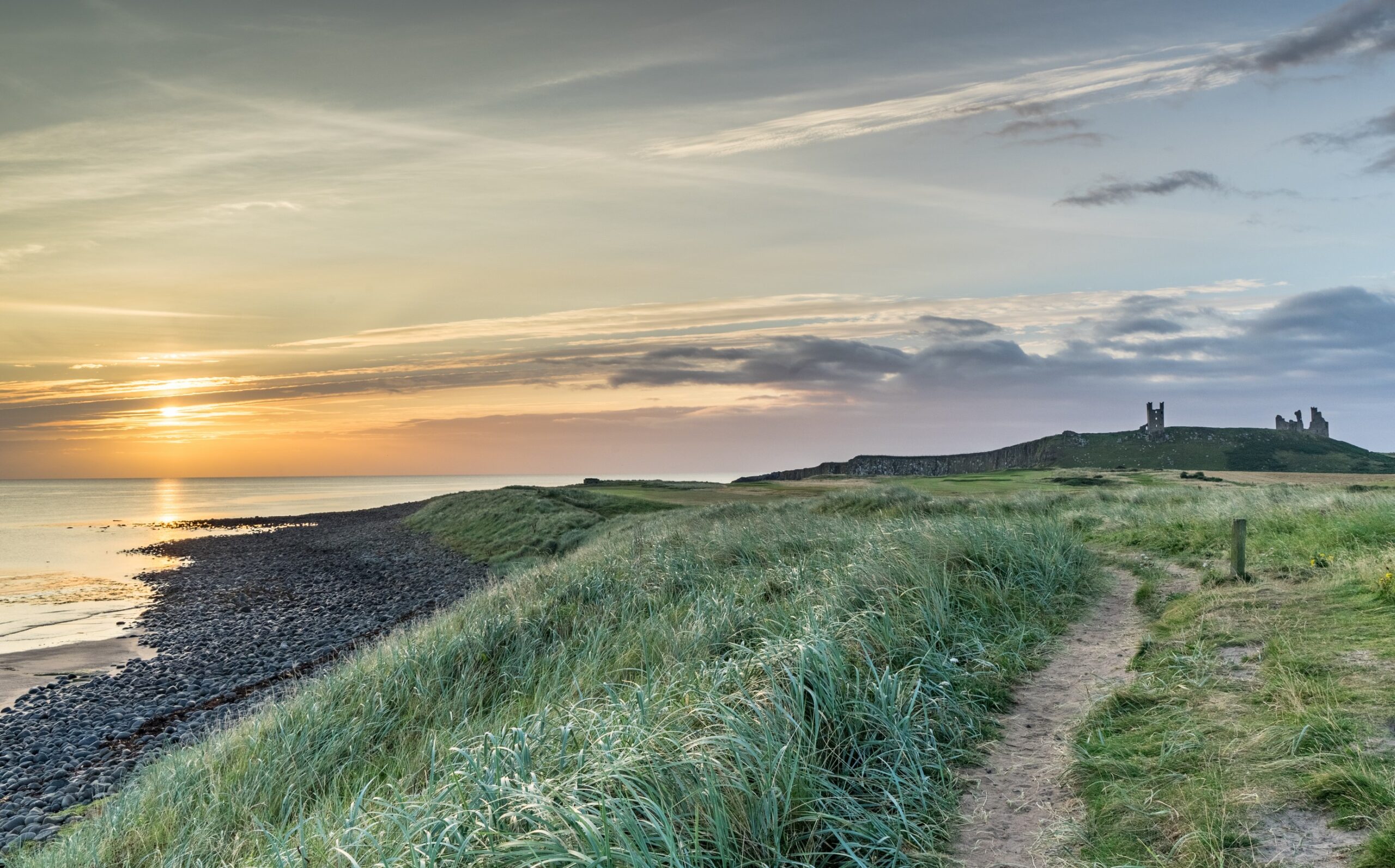
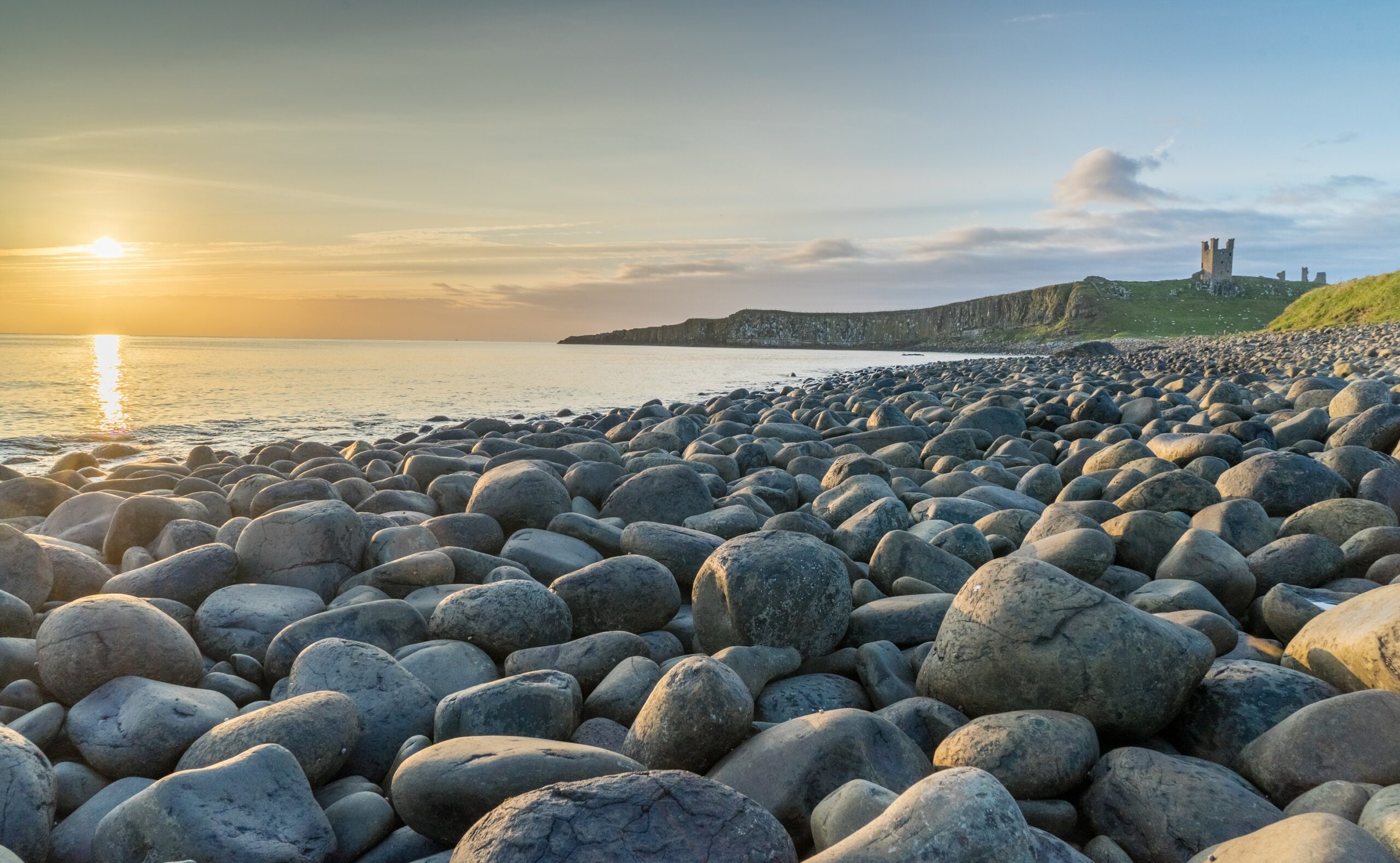
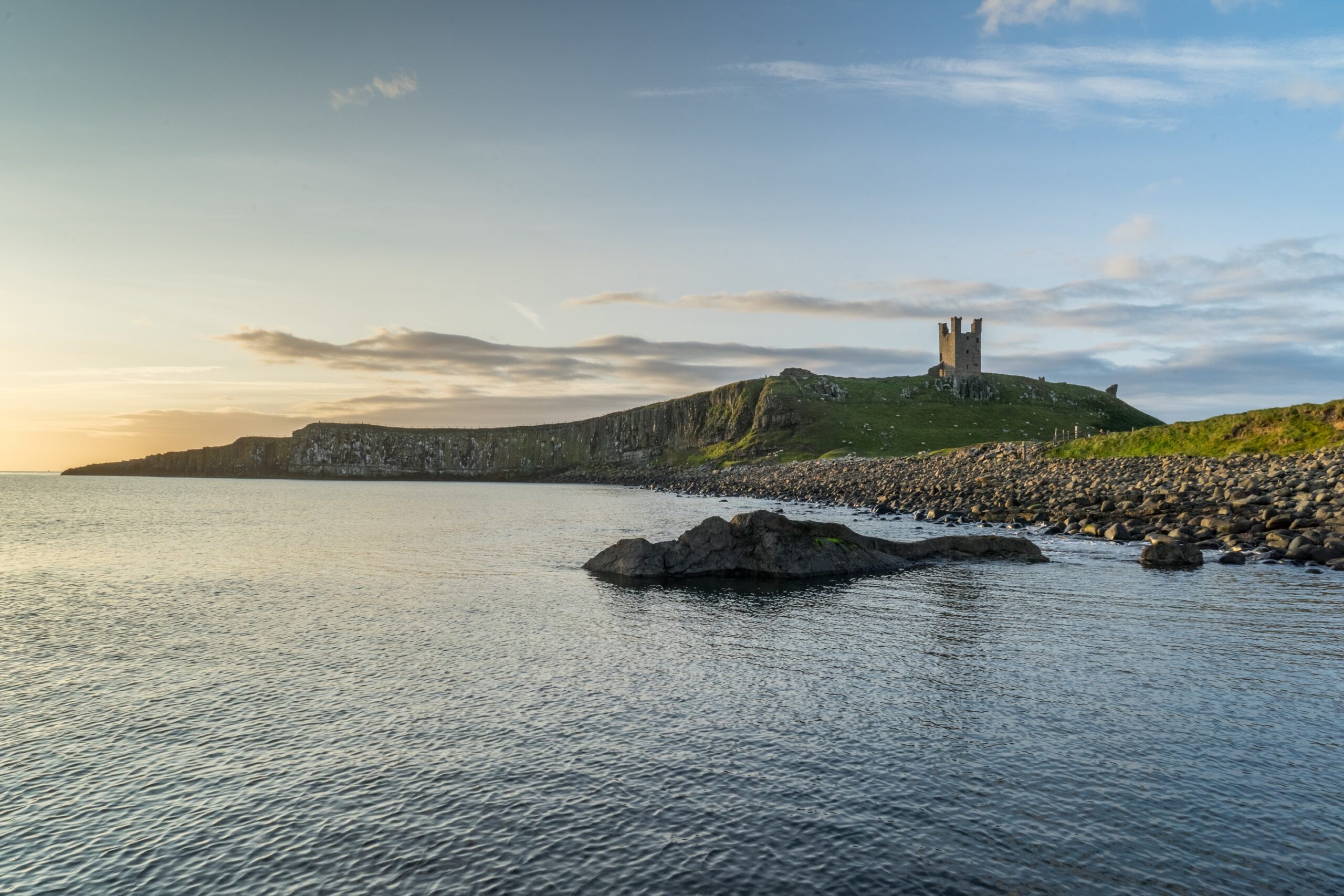
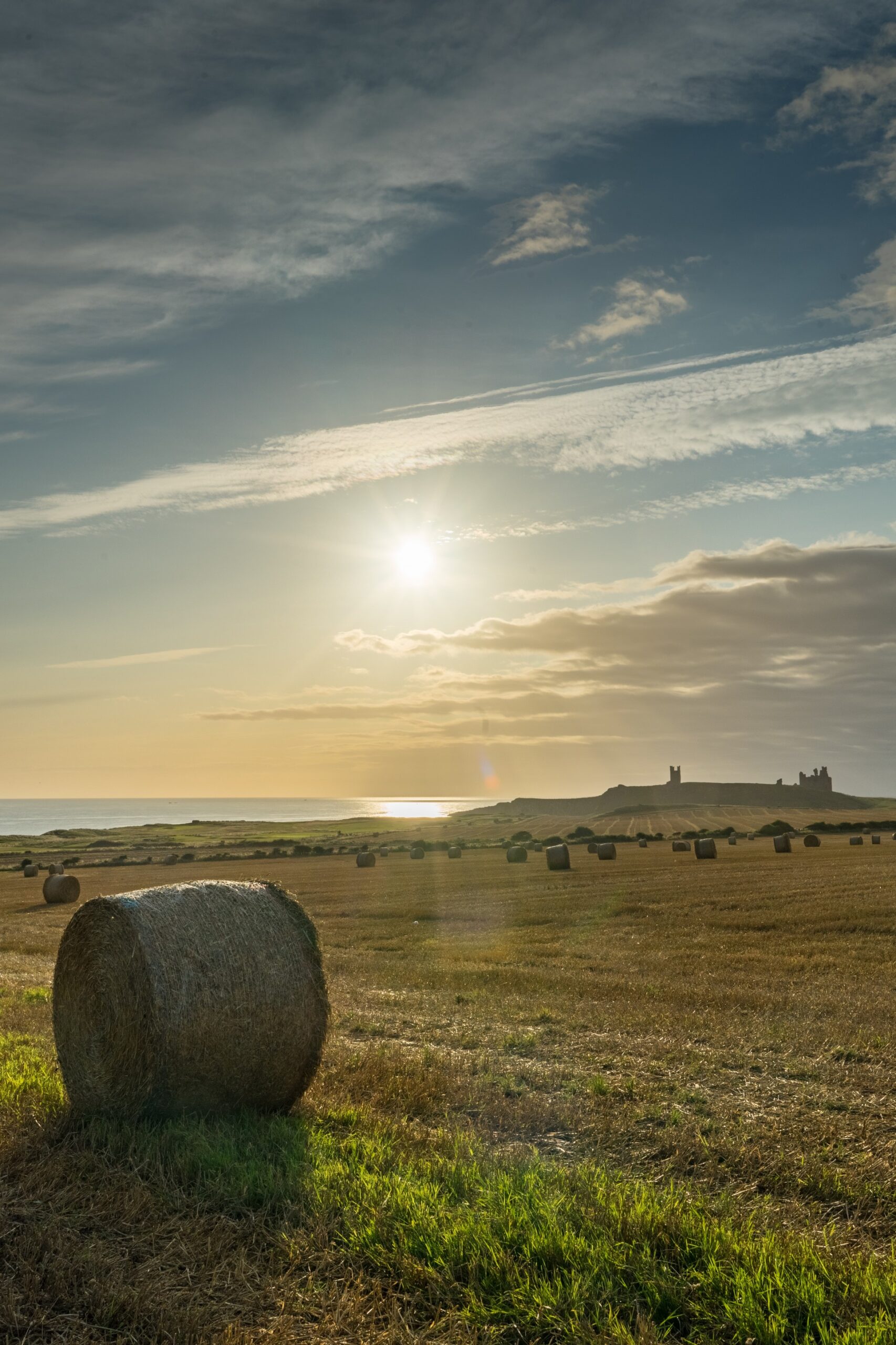
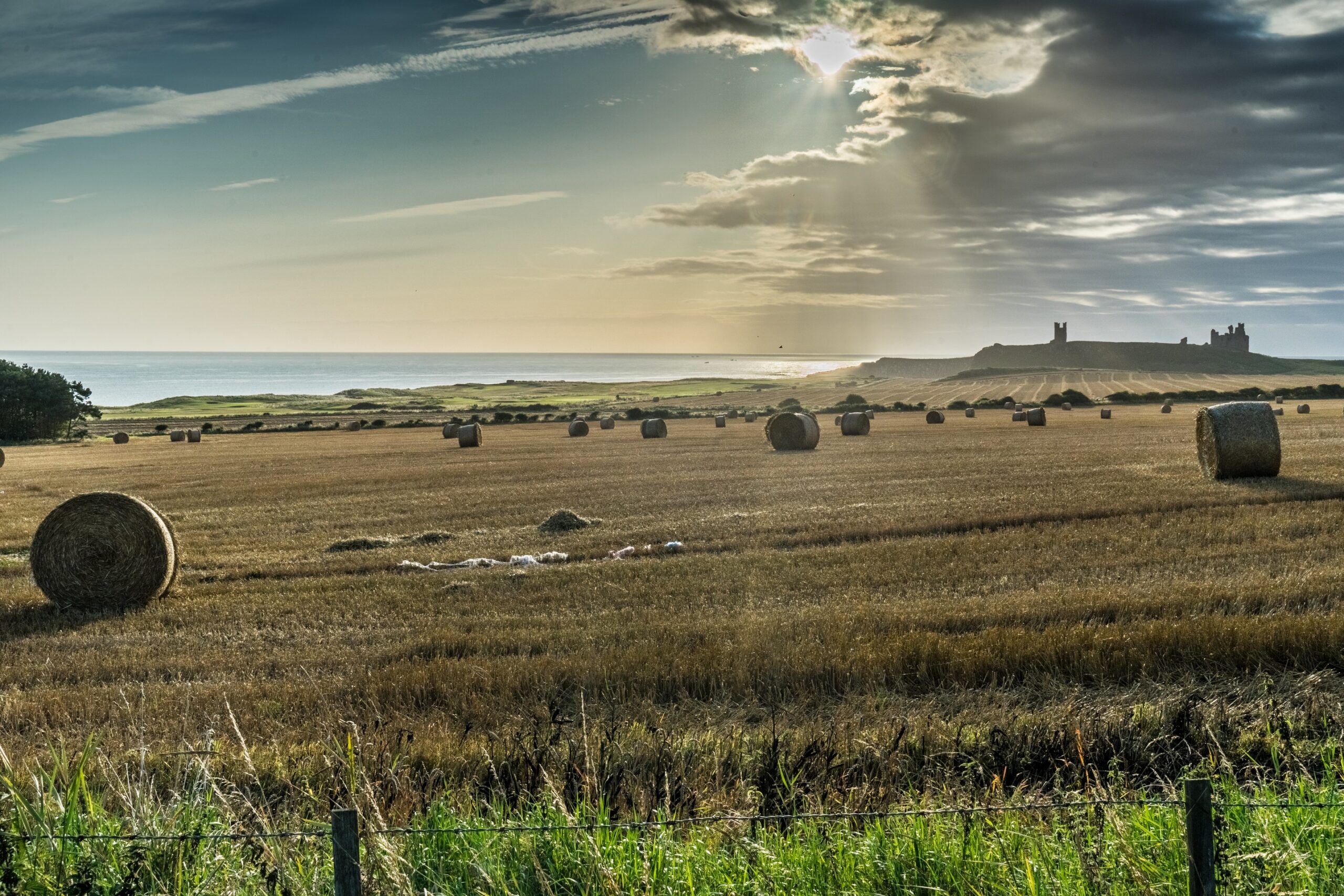
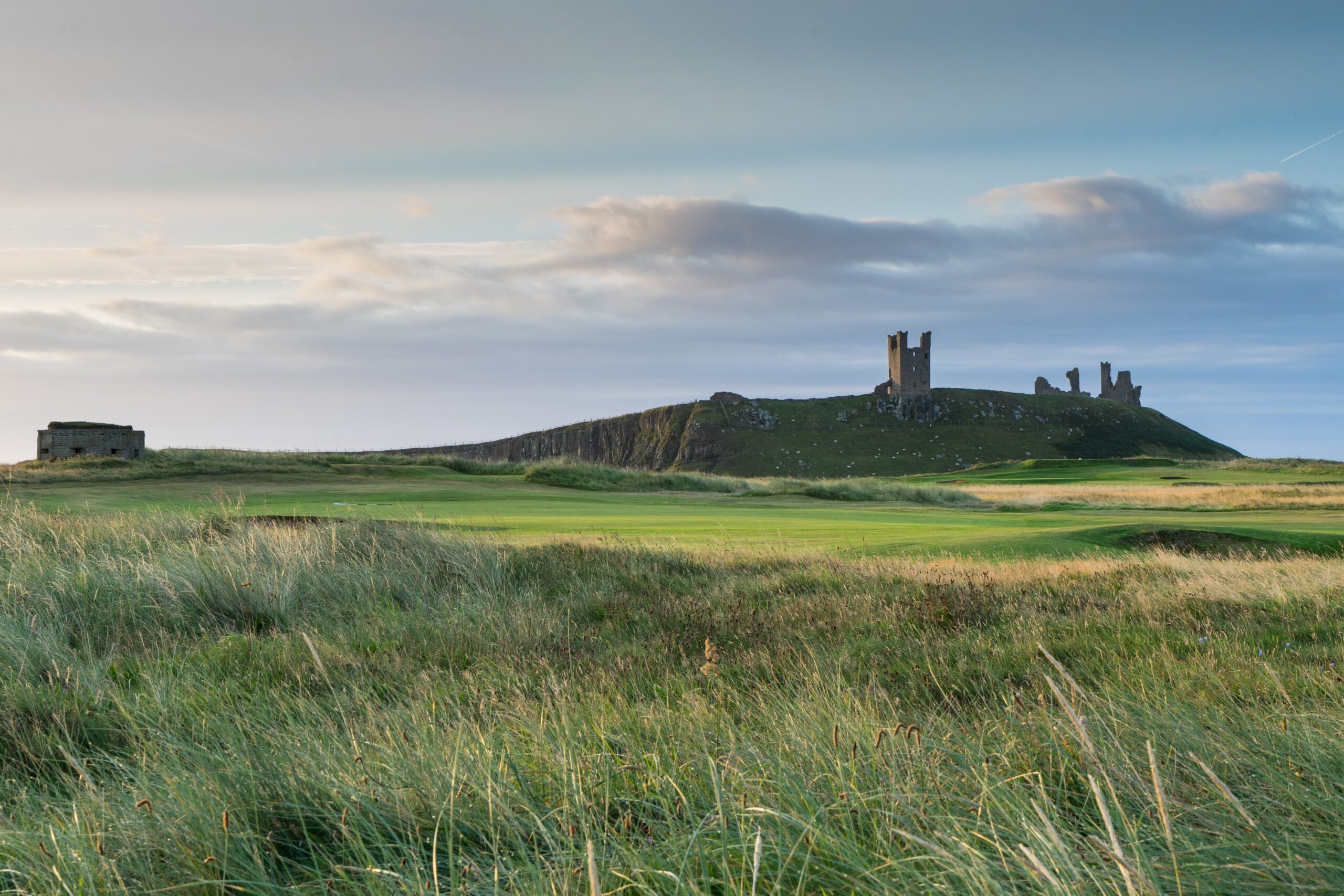
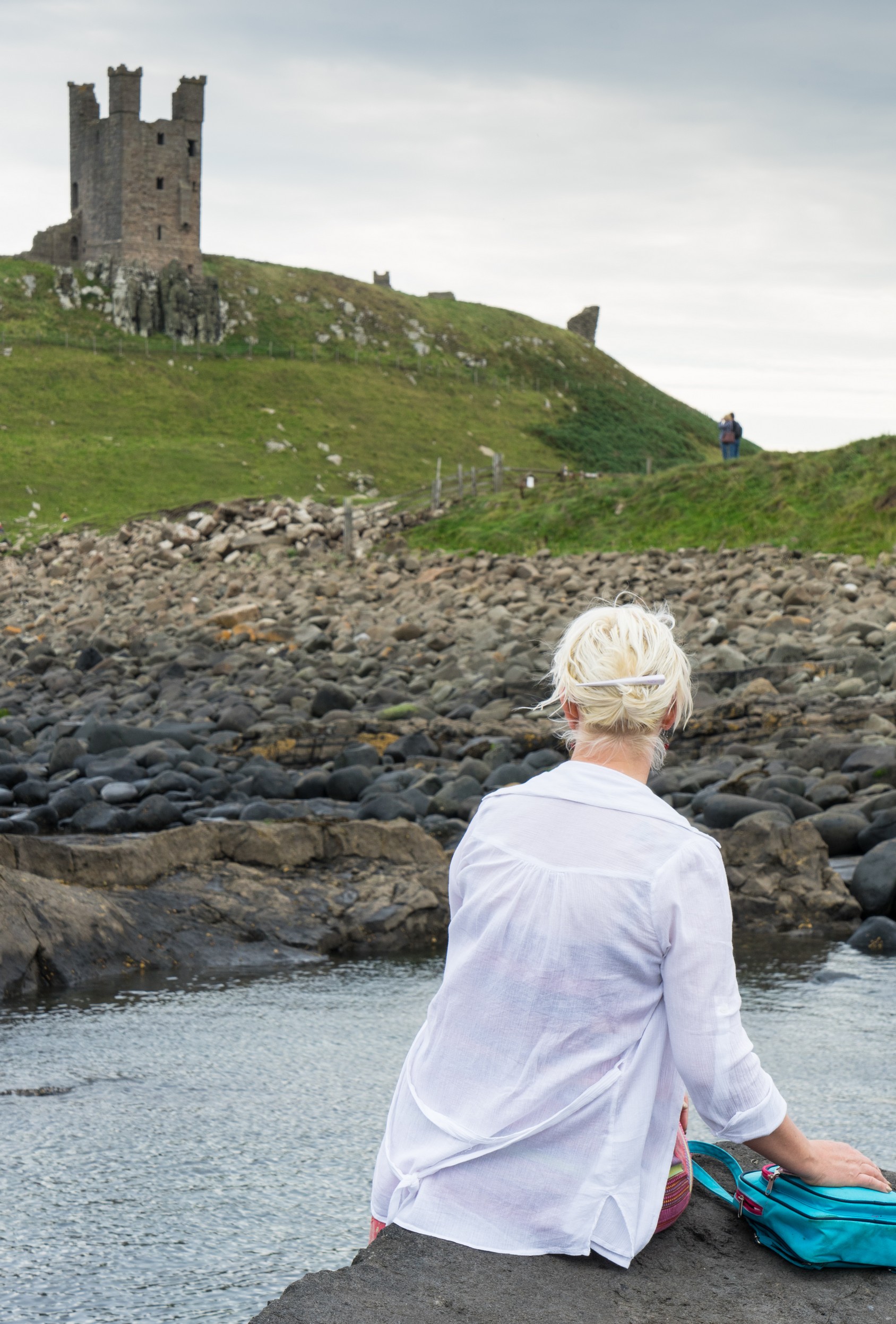
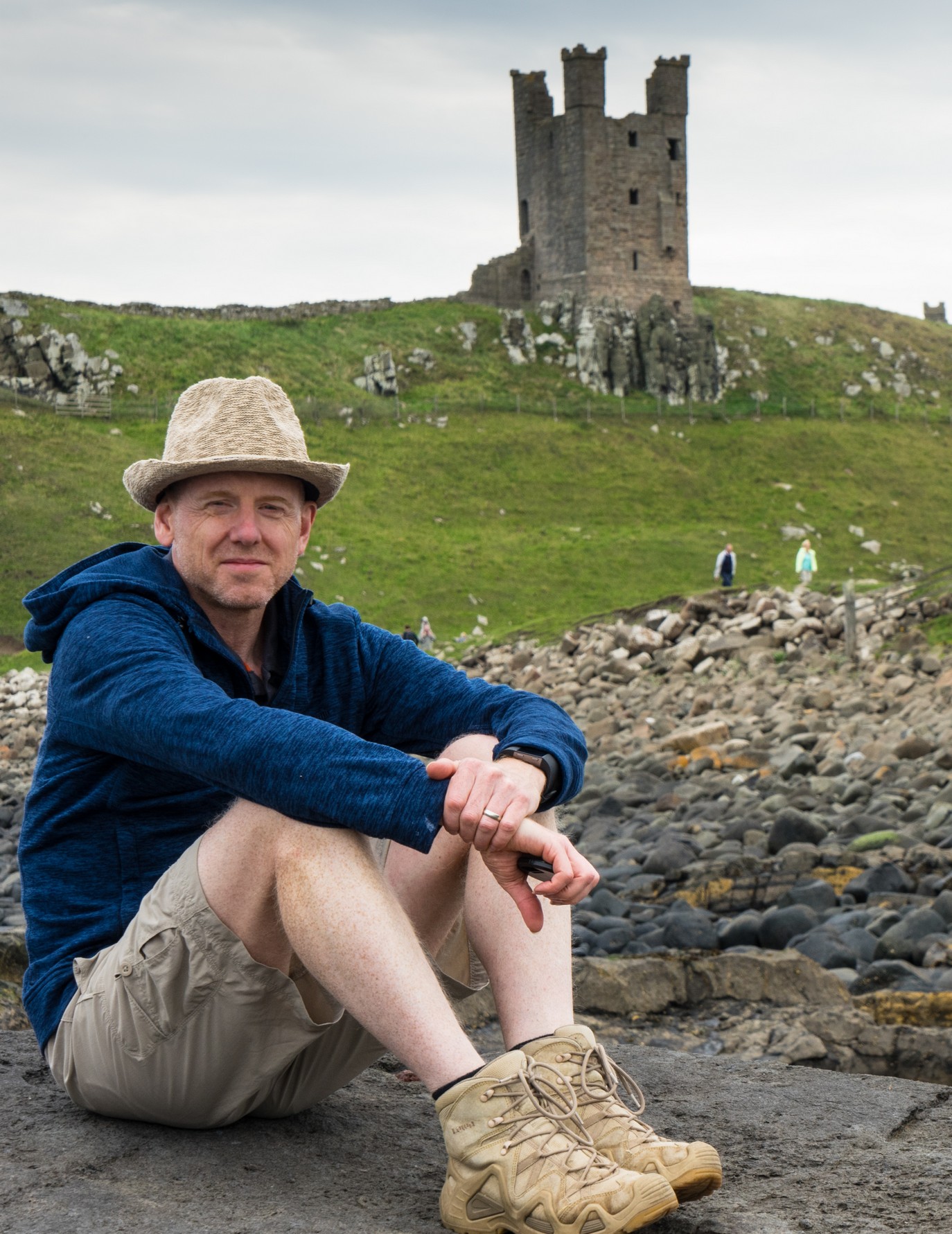
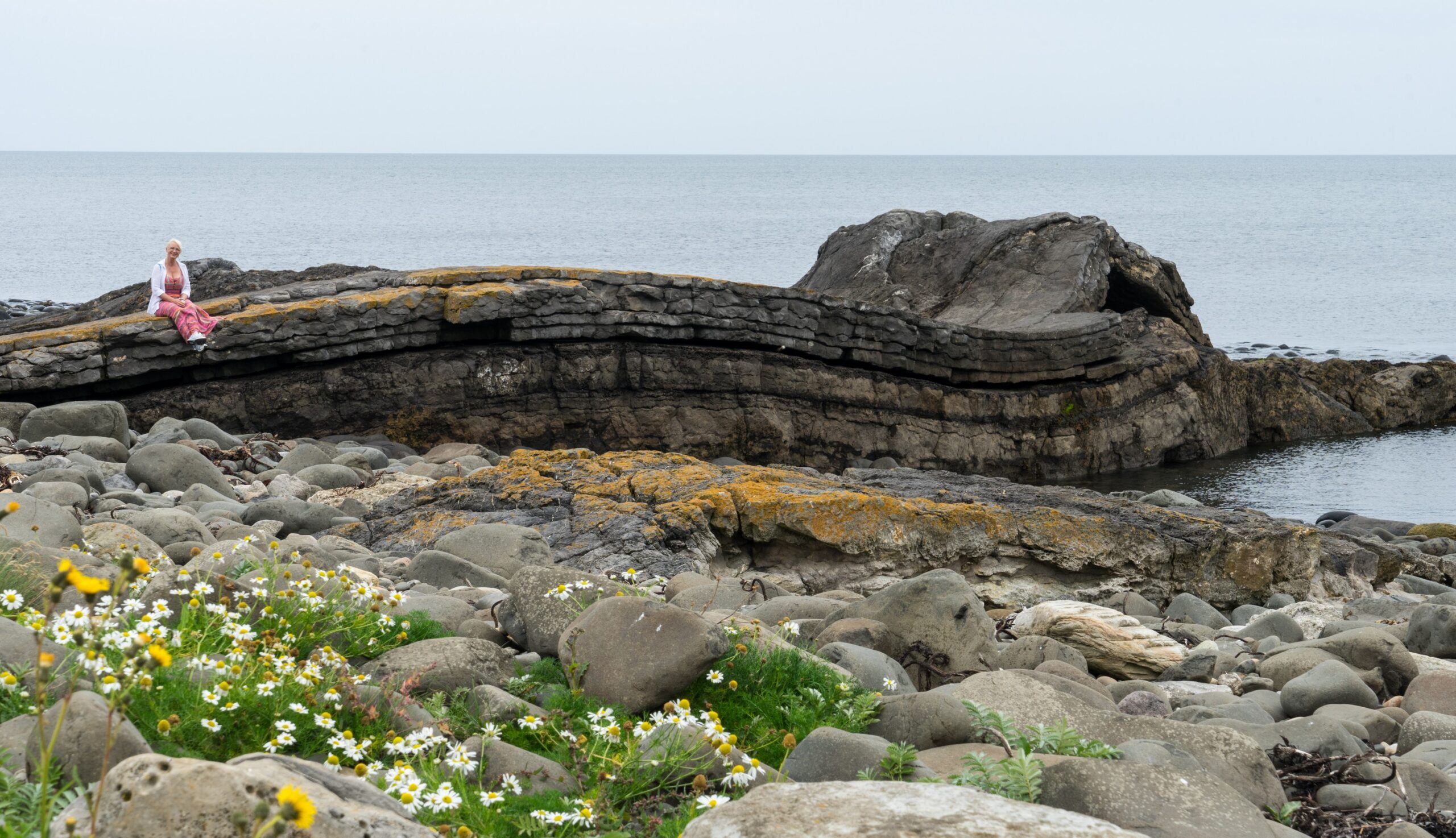
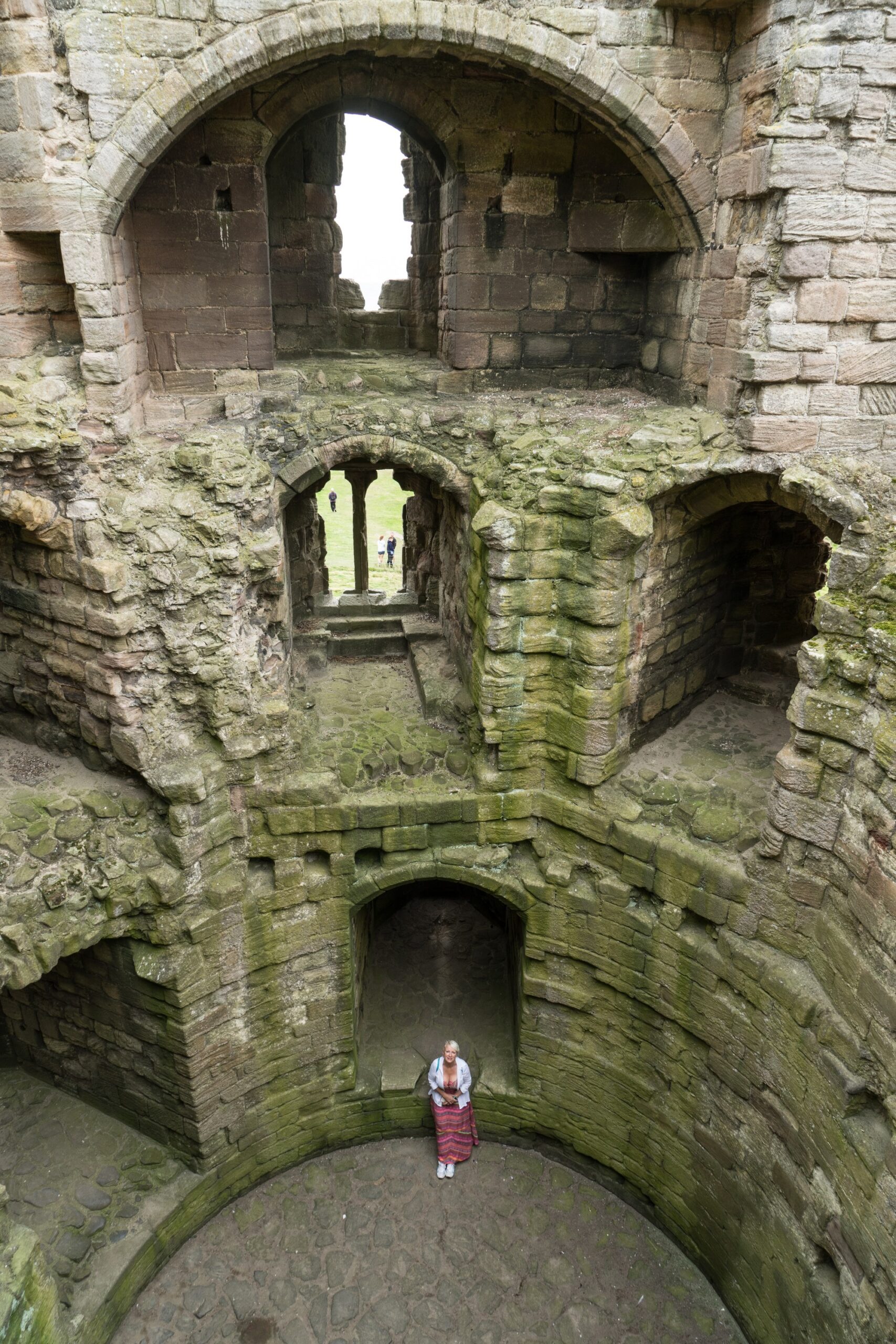
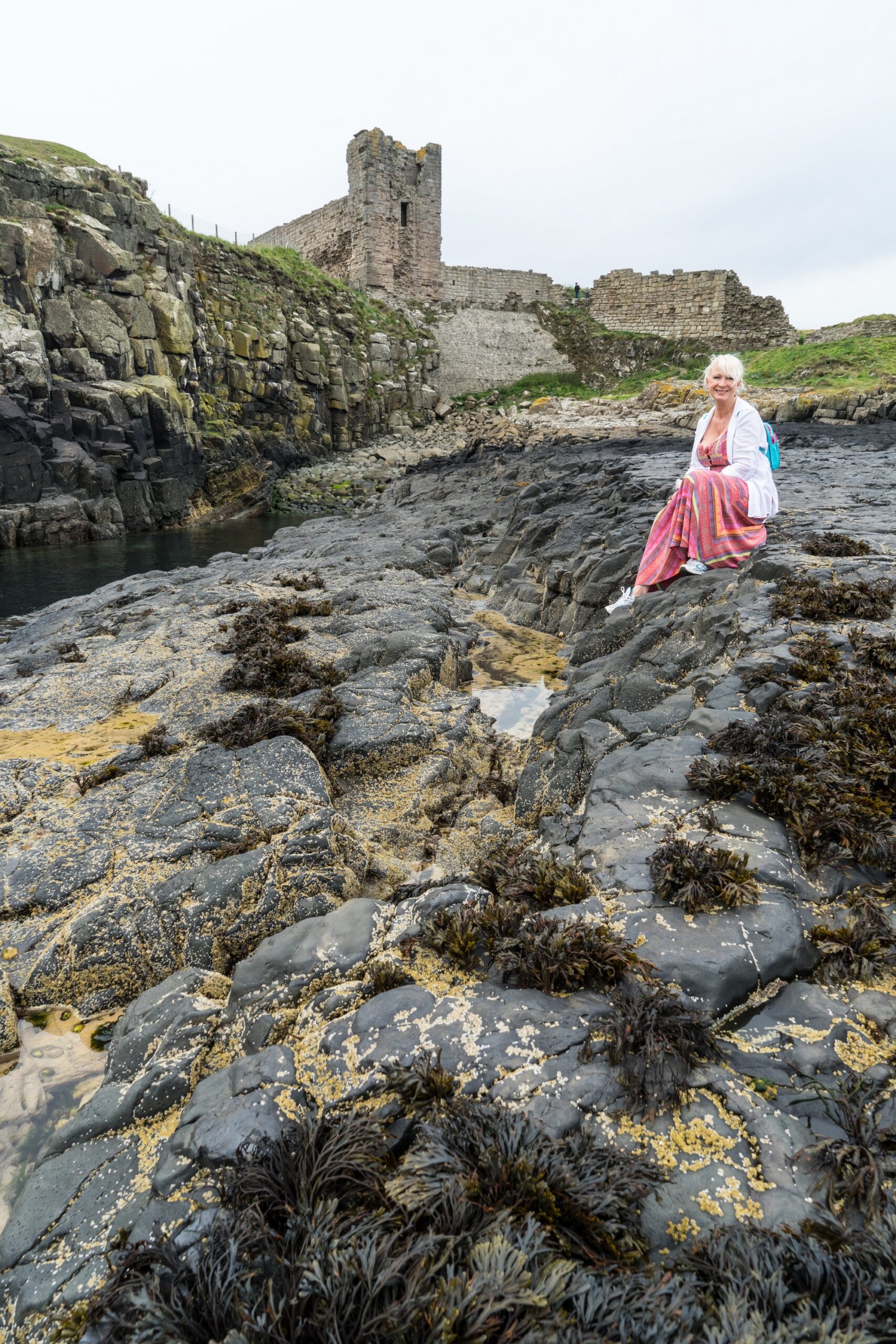
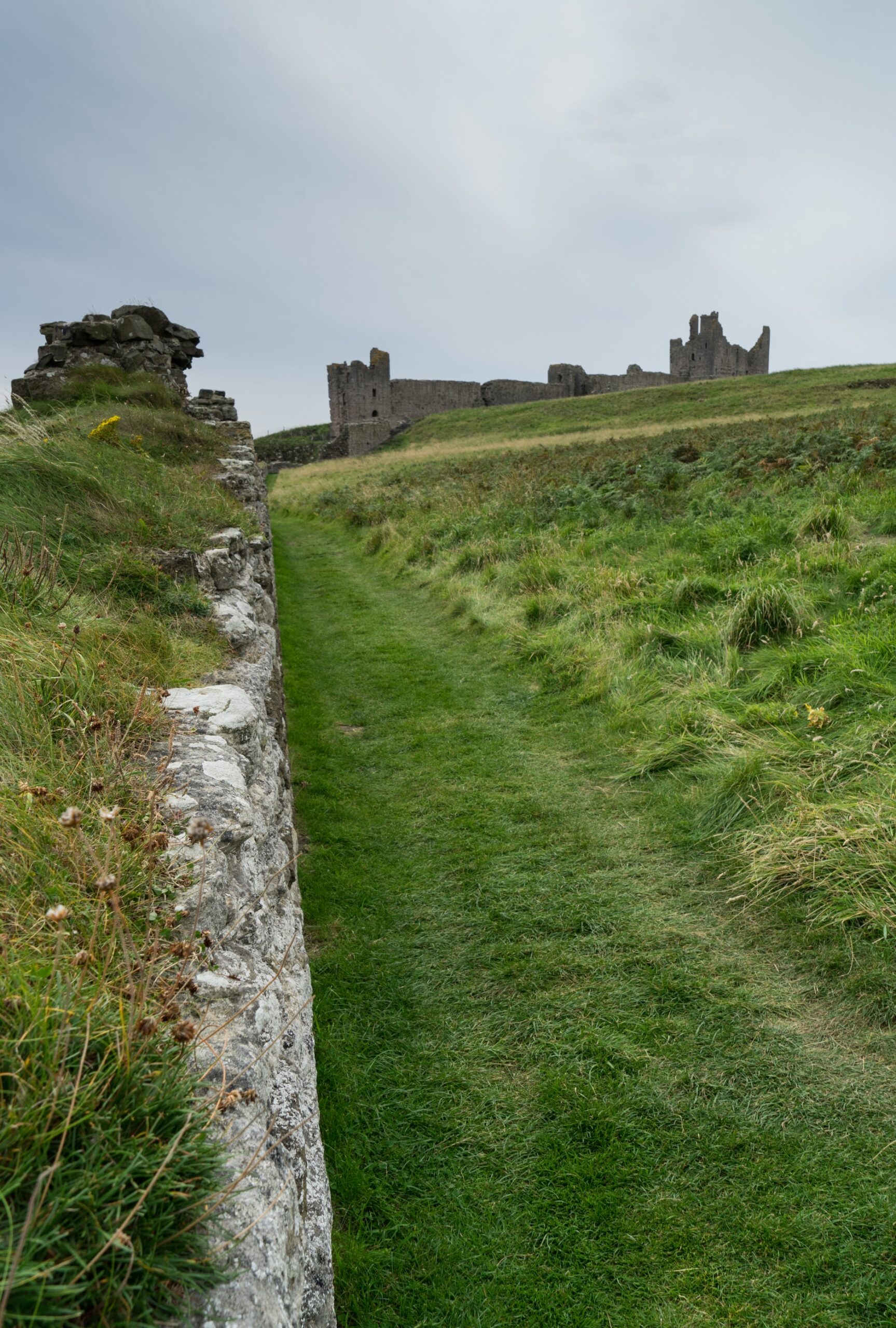
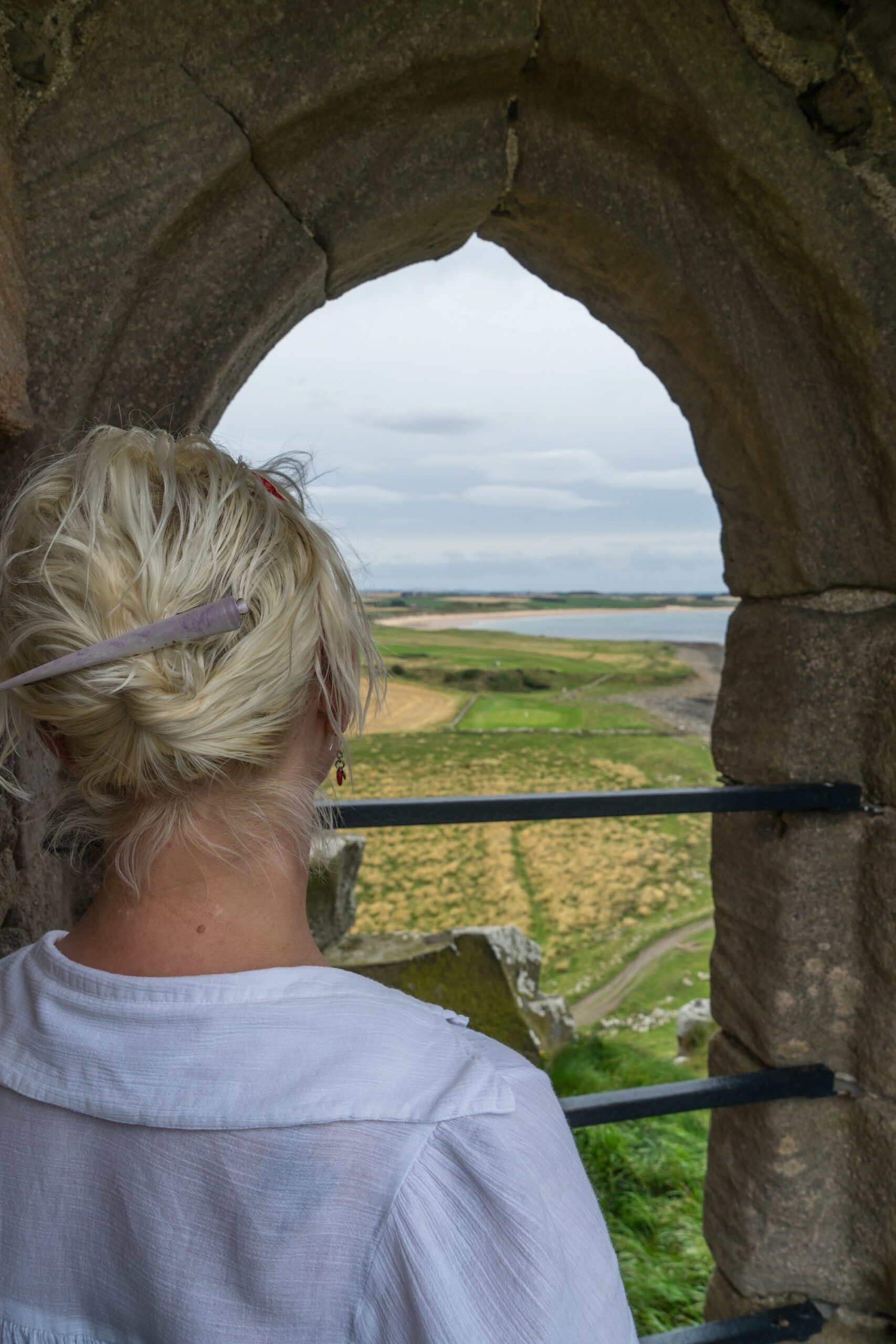
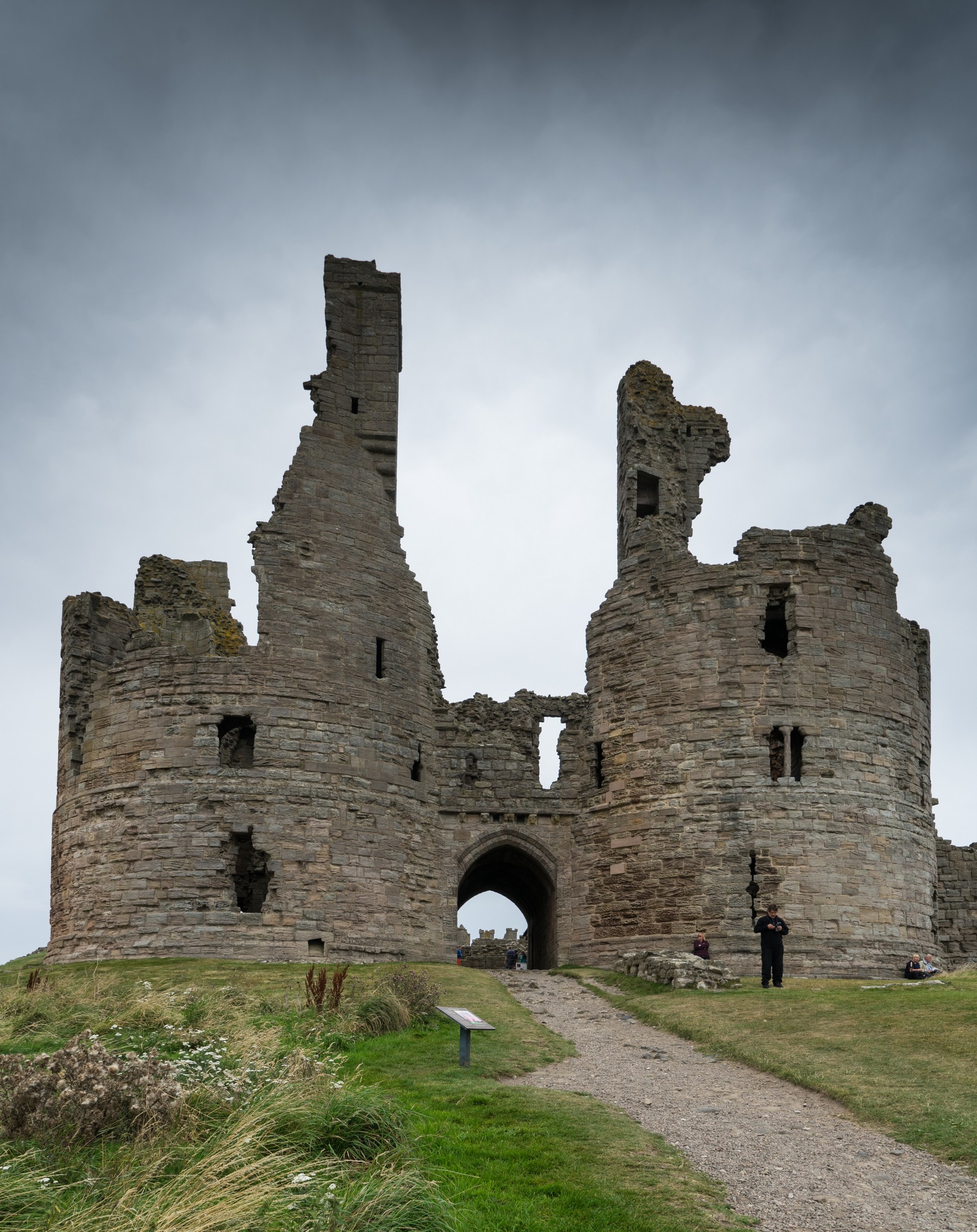
These next photos were taken in the dim and distant past of 2007 and they were not taken in RAW so these are pretty much unedited jpgs. I’d like to think my own skill in photography has moved on since then too so these may not be ideal pictures. Sorry!


History
Dunstanburgh Castle is a 14th-century fortification on the coast of Northumberland in northern England, between the villages of Craster and Embleton. The castle was built by Earl Thomas of Lancaster between 1313 and 1322, taking advantage of the site’s natural defences and the existing earthworks of an Iron Age fort. Thomas was a leader of a baronial faction opposed to King Edward II, and probably intended Dunstanburgh to act as a secure refuge, should the political situation in southern England deteriorate. The castle also served as a statement of the earl’s wealth and influence, and would have invited comparisons with the neighbouring royal castle of Bamburgh. Thomas probably only visited his new castle once, before being captured at the Battle of Boroughbridge as he attempted to flee royal forces for the safety of Dunstanburgh. Thomas was executed, and the castle became the property of the Crown before passing into the Duchy of Lancaster.
Dunstanburgh’s defences were expanded in the 1380s by John of Gaunt, the Duke of Lancaster, in the light of the threat from Scotland and the peasant uprisings of 1381. The castle was maintained in the 15th century by the Crown, and formed a strategic northern stronghold in the region during the Wars of the Roses, changing hands between the rival Lancastrian and Yorkist factions several times. The fortress never recovered from the sieges of these campaigns, and by the 16th century the Warden of the Scottish Marches described it as having fallen into “wonderfull great decaye”. As the Scottish border became more stable, the military utility of the castle steadily diminished, and King James I finally sold the property off into private ownership in 1604. The Grey family owned it for several centuries; increasingly ruinous, it became a popular subject for artists, including Thomas Girtin and J. M. W. Turner, and formed the basis for a poem by Matthew Lewis in 1808.
By the 1920s Sutherland could no longer afford to maintain the castle, and he placed it into the guardianship of the state in 1930. When the Second World War broke out in 1939, measures were taken to defend the Northumberland coastline from a potential German invasion. The castle was used as an observation post and the site was refortified with trenches, barbed wire, pill boxes and a mine field. In the 21st century the castle is owned by the National Trust and run by English Heritage. The ruins are protected under UK law as a Grade I listed building, and are part of a Site of Special Scientific Interest, forming an important natural environment for birds and amphibians.
Dunstanburgh Castle was built in the centre of a designed medieval landscape, surrounded by three artificial lakes called meres covering a total of 4.25 hectares (10.5 acres). The curtain walls enclose 9.96 acres (4.03 ha), making it the largest castle in Northumberland. The most prominent part of the castle is the Great Gatehouse, a massive three-storey fortification, considered by historians Alastair Oswald and Jeremy Ashbee to be “one of the most imposing structures in any English castle”. Multiple rectangular towers protect the walls, including the Lilburn Tower, which looks out towards Bamburgh Castle, and the Egyncleugh Tower, positioned above Queen Margaret’s Cove. Three internal complexes of buildings, now ruined, supported the earl’s household, the castle constable’s household and the running of the surrounding estates. A harbour was built to the south-east of the castle, of which only a stone quay survives.
References
The English Heritage site with full information on visiting the castle is here.
The history above is taken from the Wiki page here.