
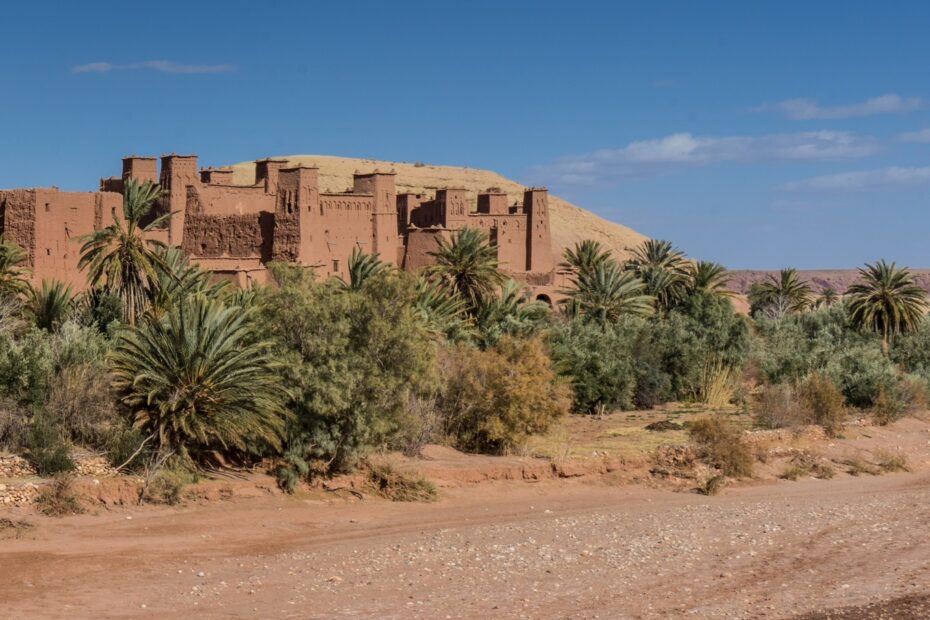
Our visit to Ait Benhaddou was as part of a trip from Marrakech that included a visit to Taourirt Kasbah. Ait Benhaddou is probably best known as the standard film location for something North African, having been used in Gladiator, The Mummy, Lawrence of Arabia, The Man Who Would be King, Kingdom of Heaven and many, many more.
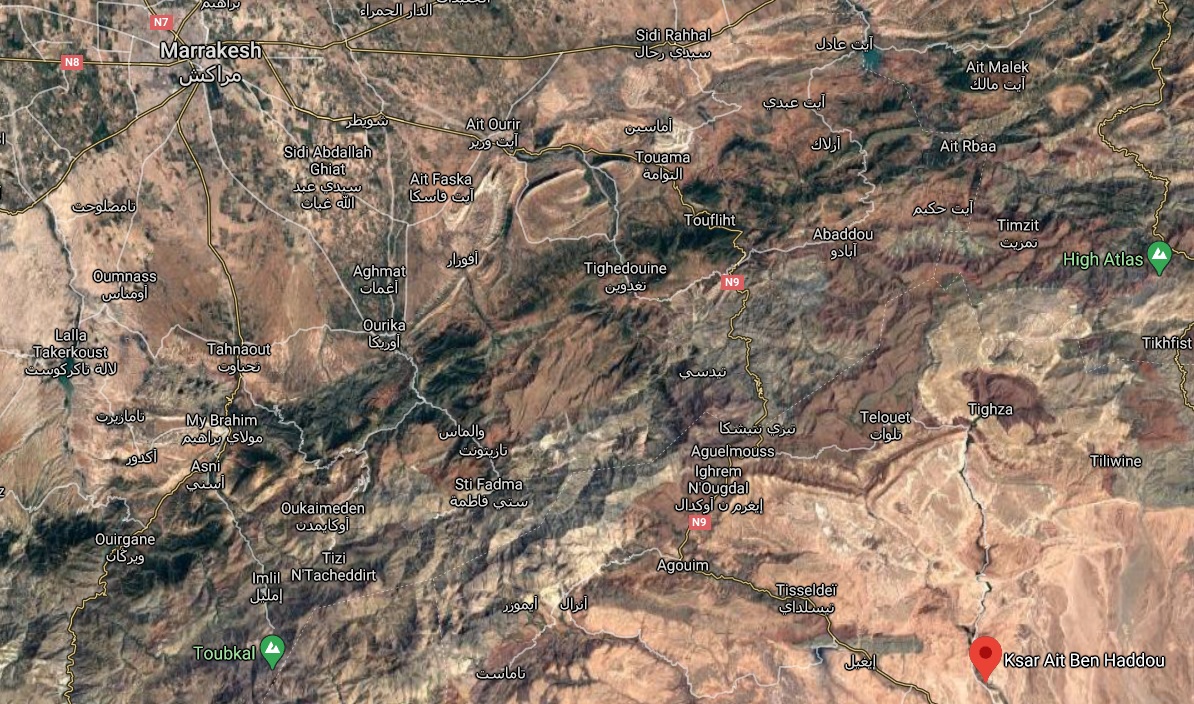
Visiting Ait Benhaddou
It is relatively easy to visit Ait Benhaddou from Marrakech and it is probably one of the most popular day trips. We took an organised tour but there are public buses as well as self drive options. It is a long trek (actually, that sounds pathetic considering we were in an air conditioned minibus and all I had to do was doze and gaze out the window for a few hours compared to a multi day trek by camel in previous centuries!) but the roads are decent and Ait Benhaddou is one of the main tourist attractions in the country.
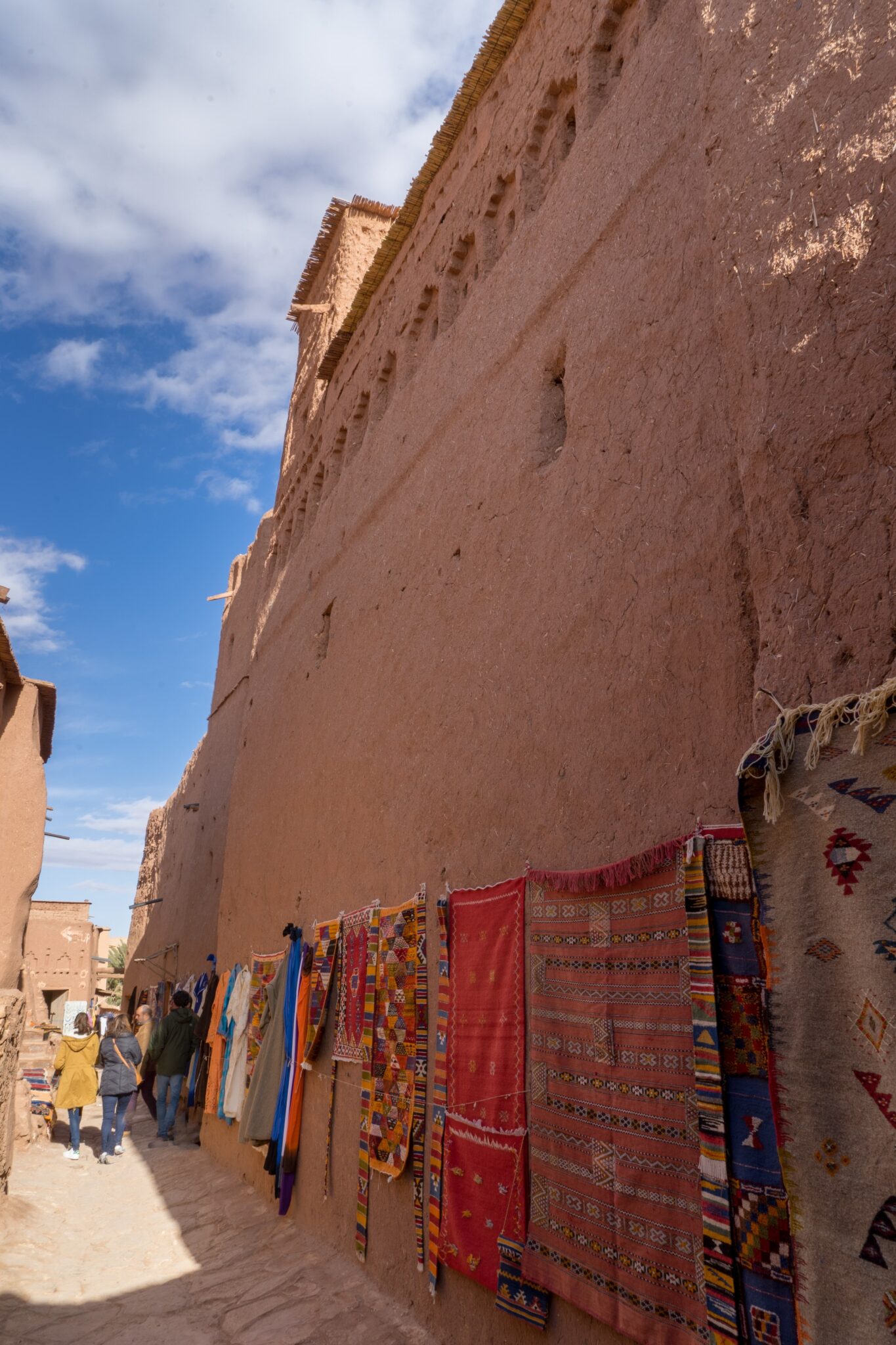
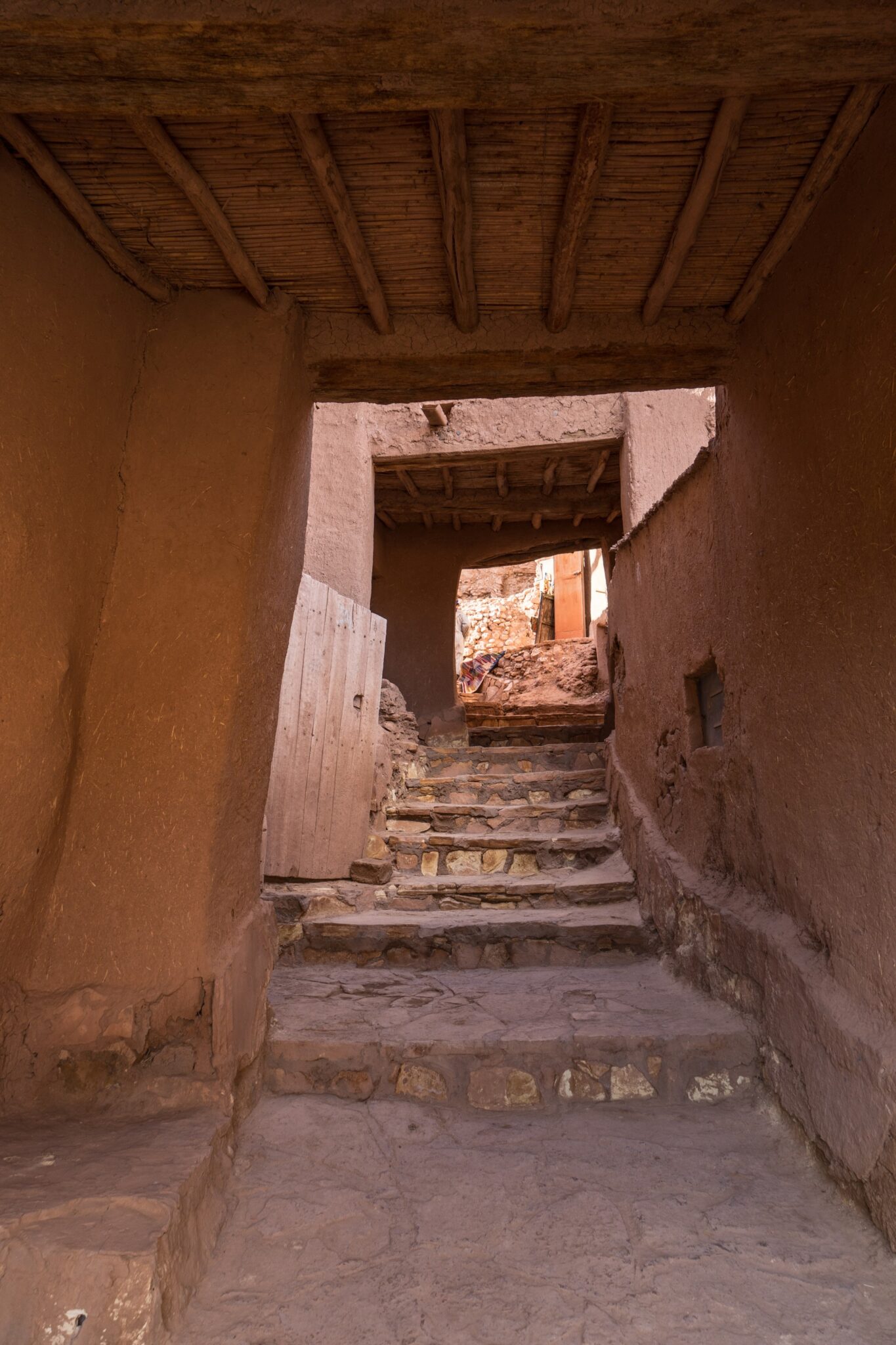
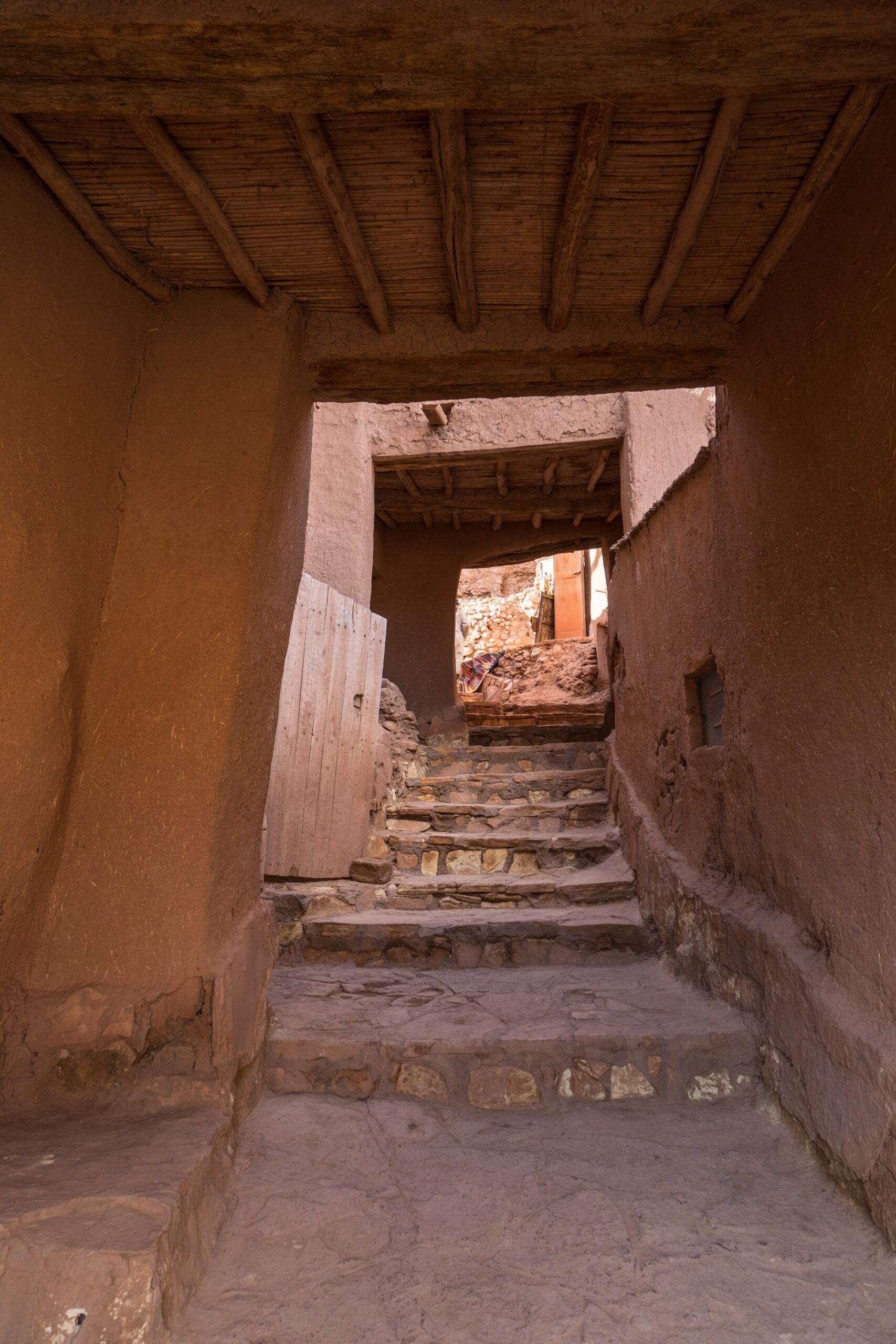
The area felt reasonably safe to walk around, the usual procedure seemed to be to drop tourists off in front of the fortified village. They could then either follow the guide to the top and make their own way down or just do their own thing. Plenty of hawkers as always and some narrow passage ways and steep steps but nothing too strenuous.
My Experience at Ait Benhaddou
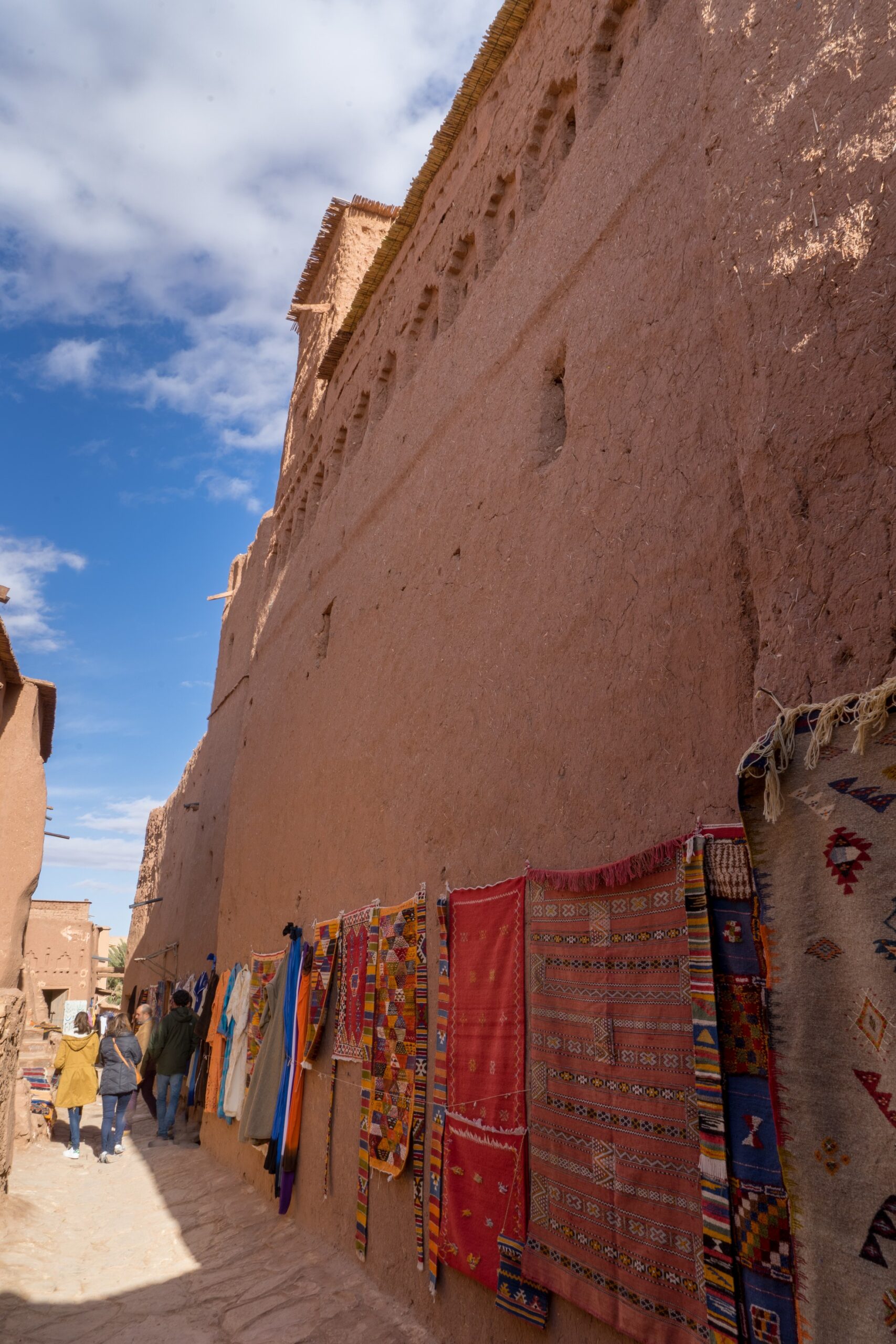
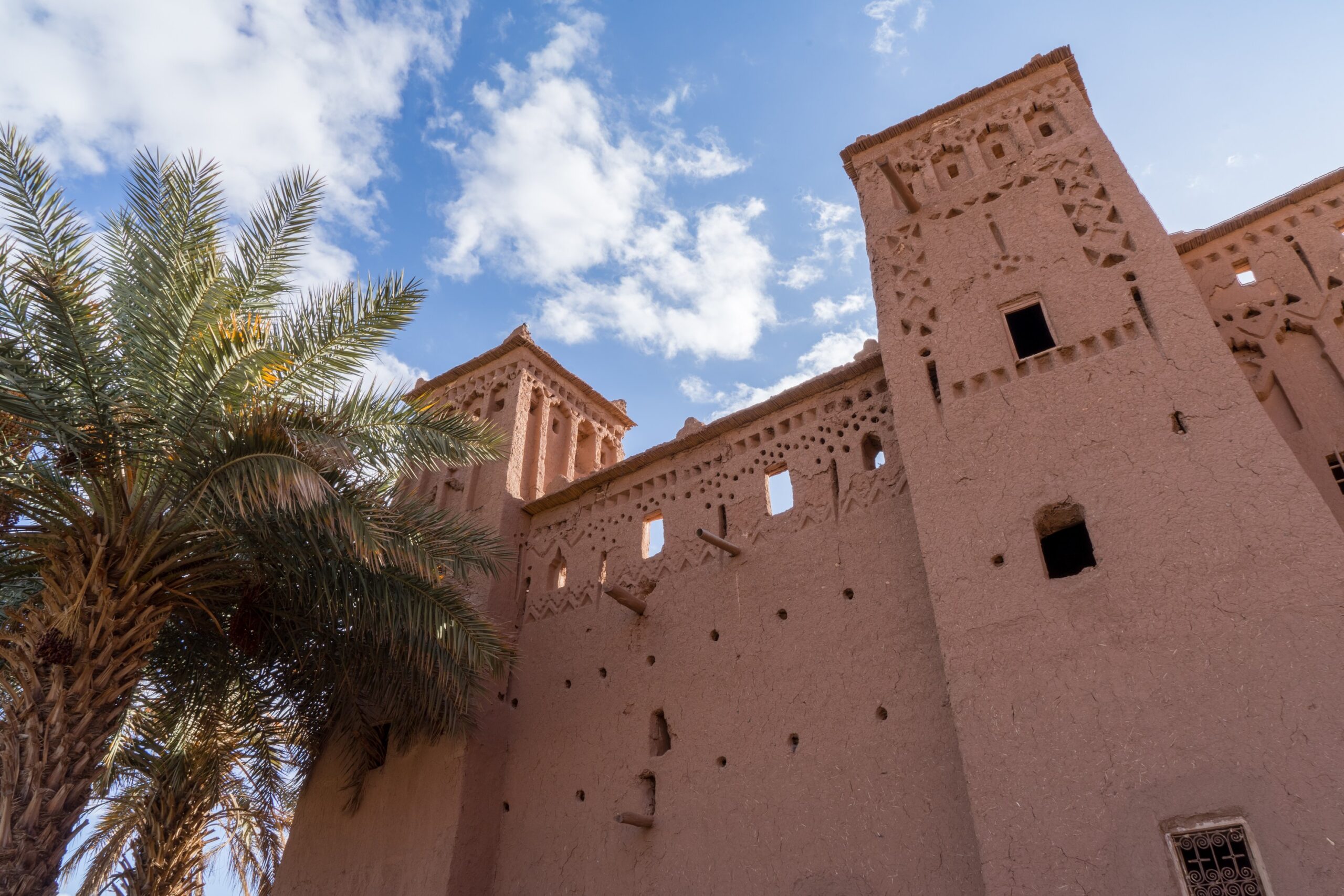
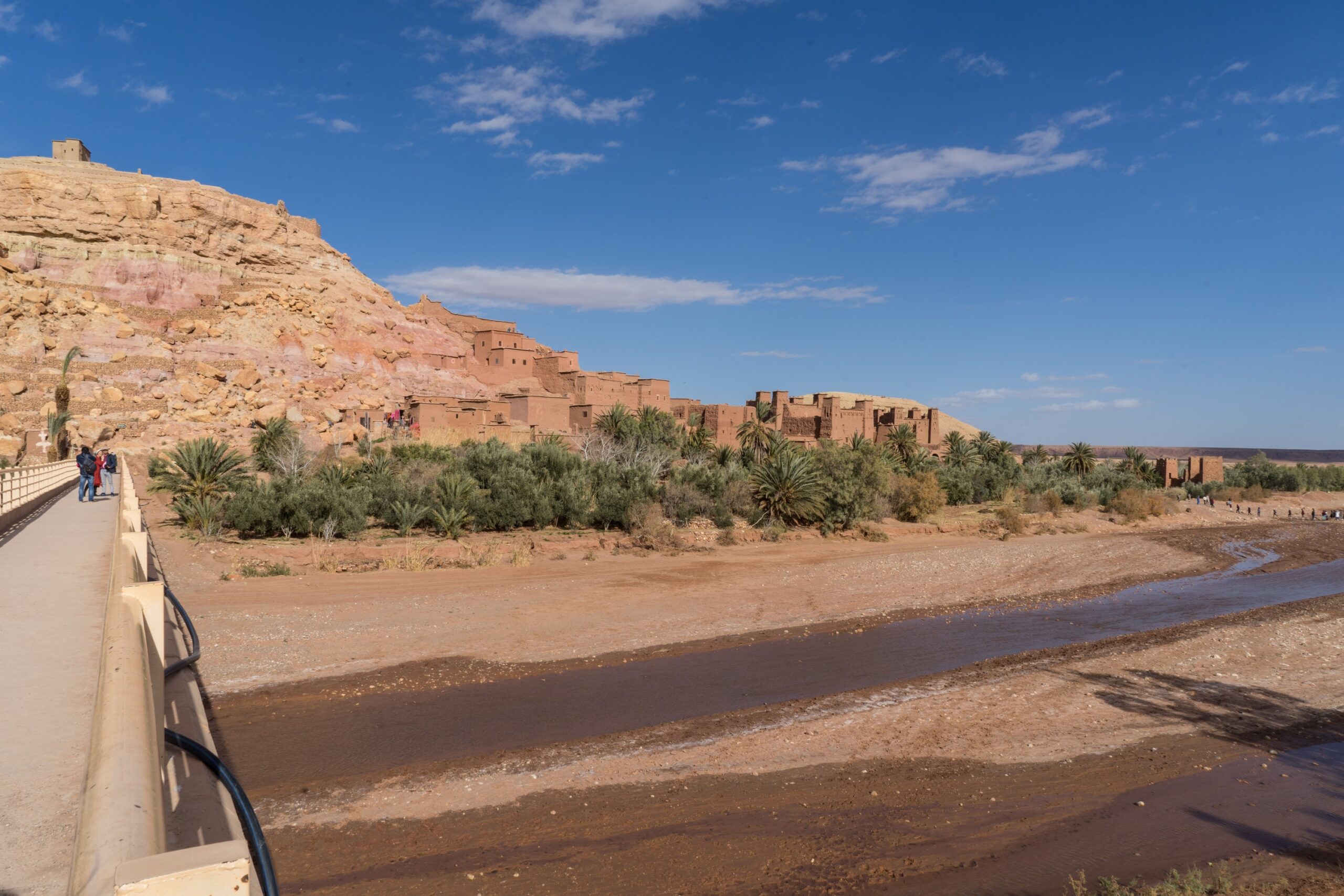
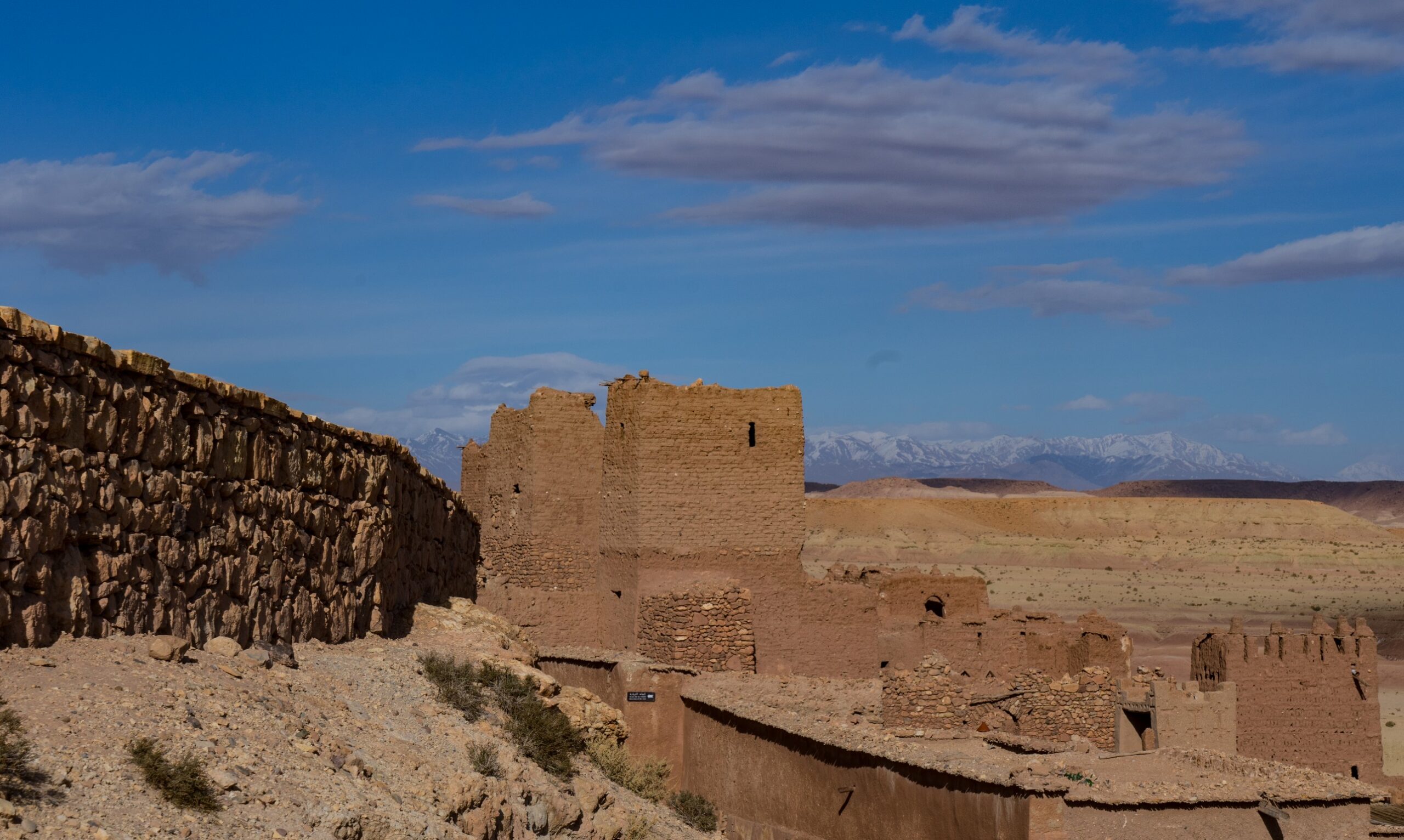
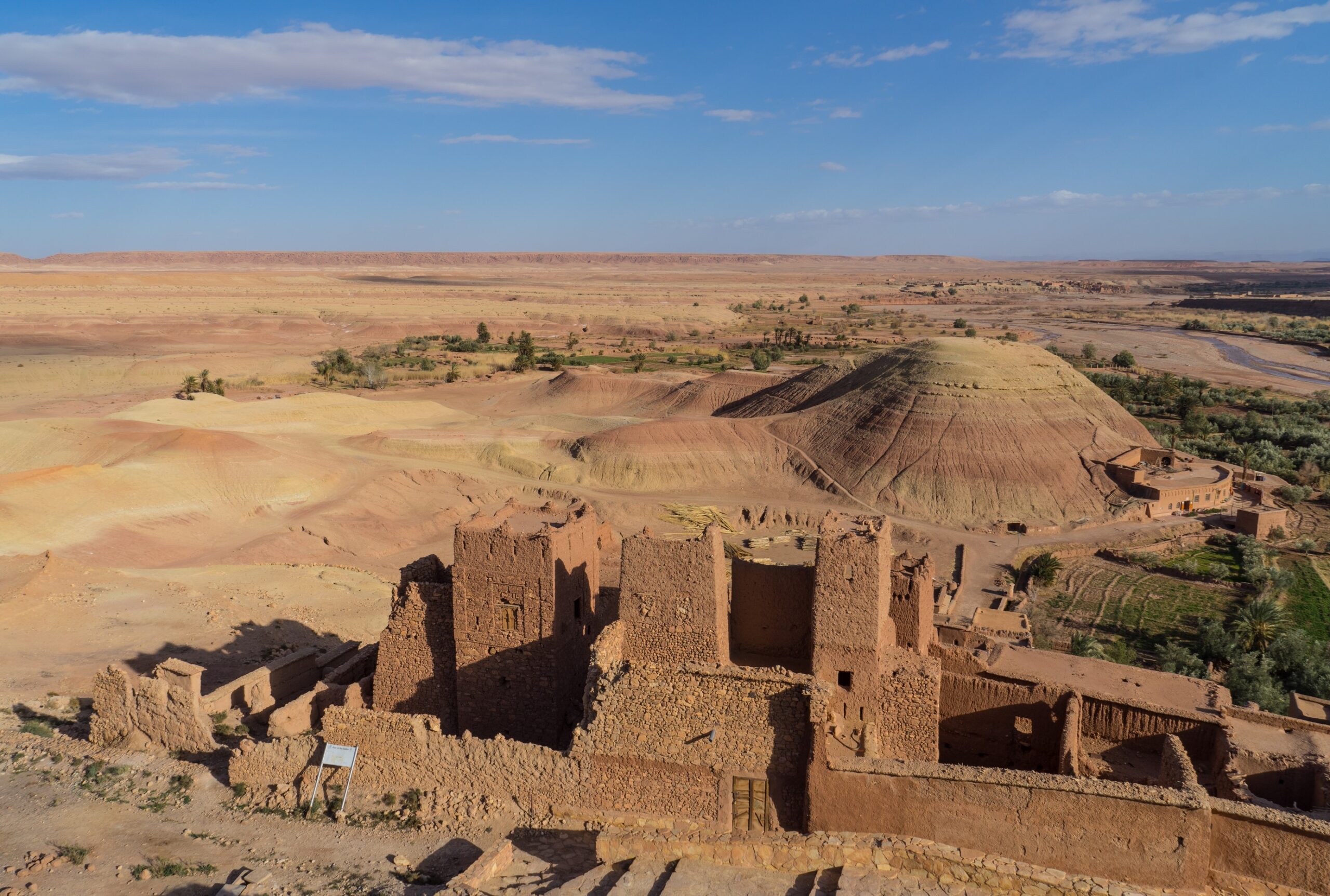
Ait Ben Haddou Kasbah was immediately recognisable as the backdrop for the Mummy, Gladiator etc. It is a fortified village of tightly packed houses and narrow, winding streets on a steep hill. The bottom of the hill, where the village was more open, had a few streets with traders and stalls but as you entered the gaps in the houses and followed one of the winding pathways upwards the people seemed to disappear.
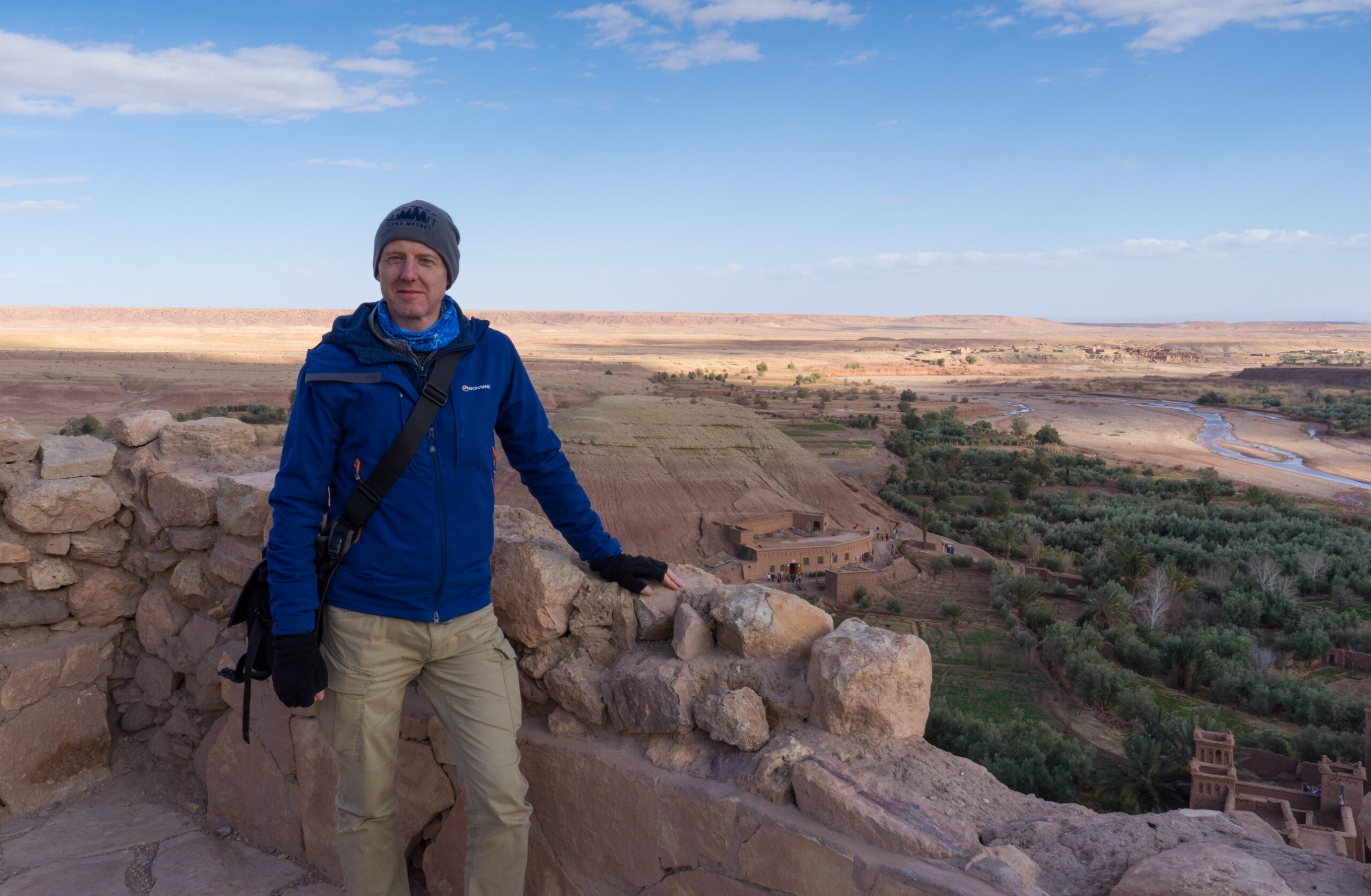
The top of the hill was well worth the walk, especially with the views we got over the snow capped mountains. Other than a few fellow tourists the area was deserted so maybe it was low season and in summer things would have been different.
I’m not sure how much of the village was original as the weather and building materials meant that repair work was almost a continual cycle. Some of the houses were in definite need of some repair but I guess most took advantage of the tourist premium from being UNESCO registered to keep theirs looking good.
Photo Gallery
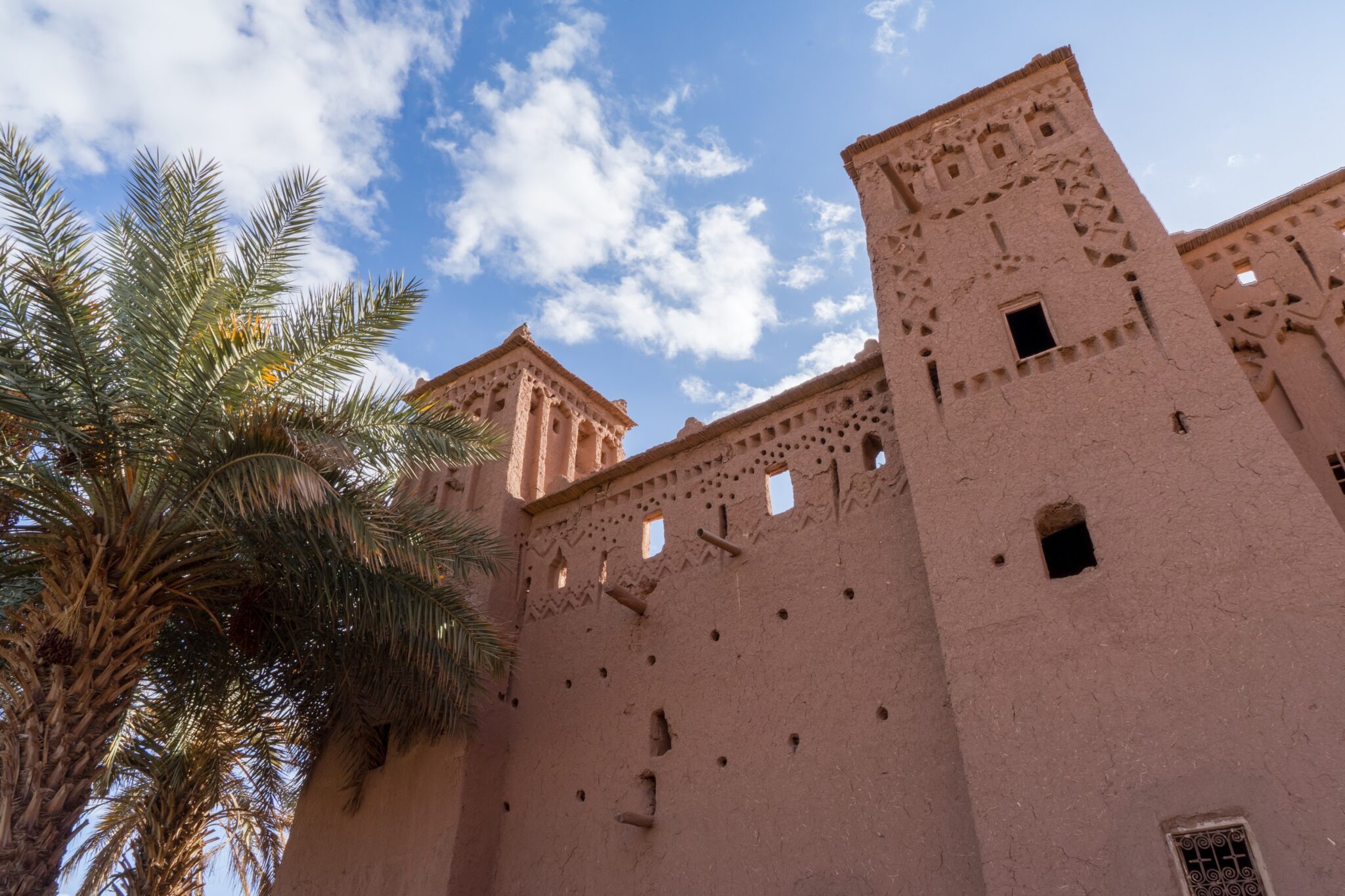
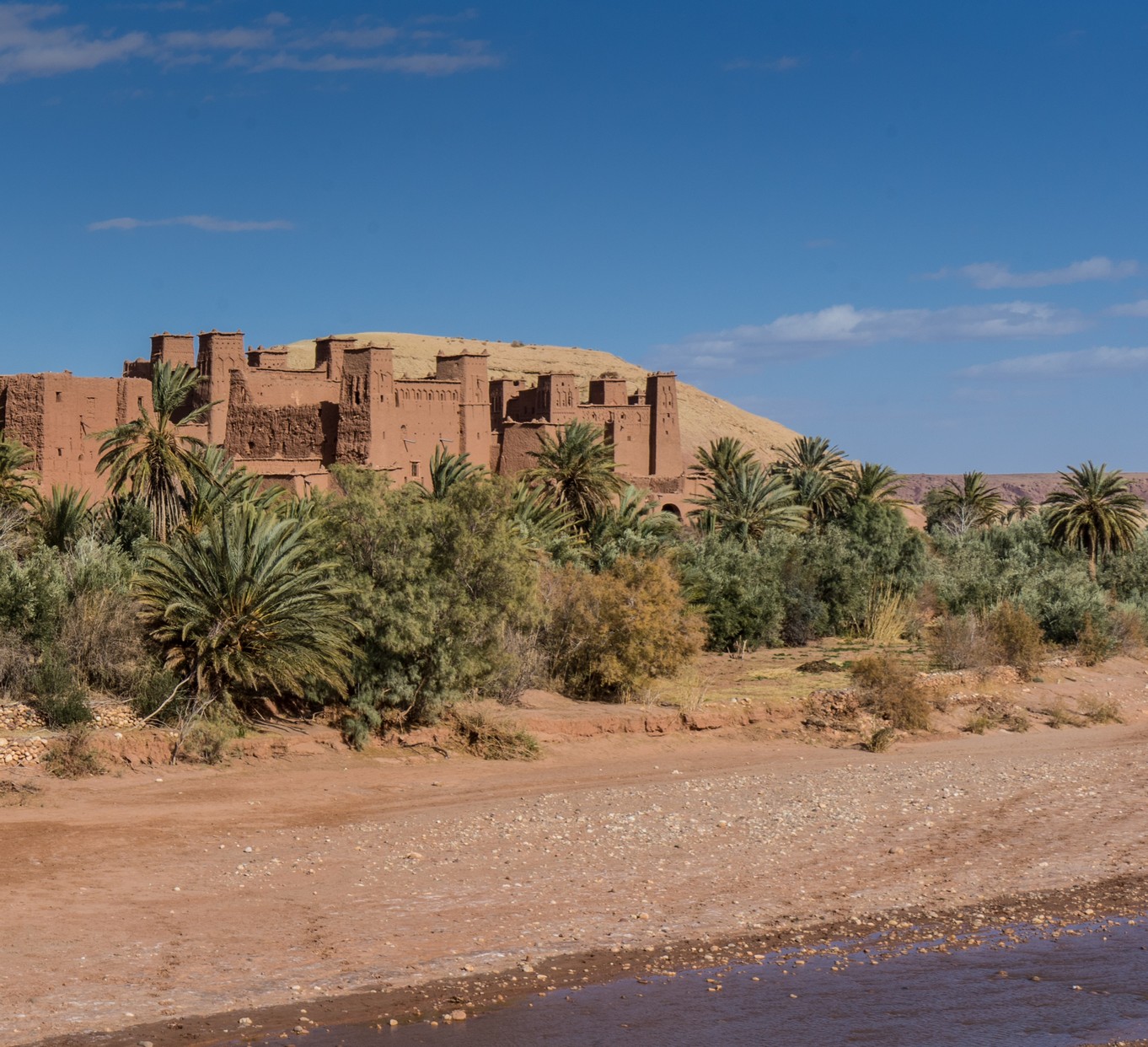
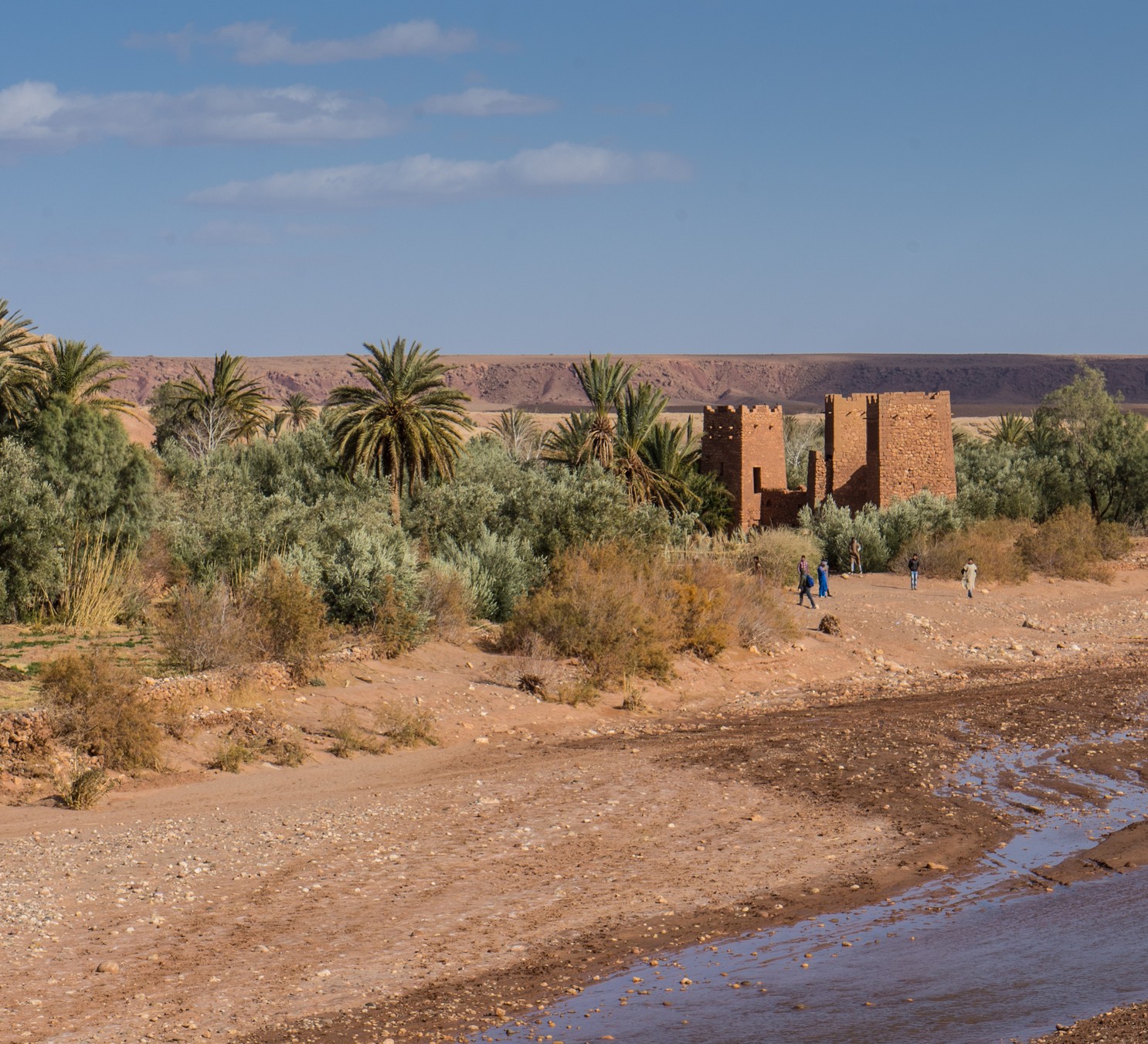
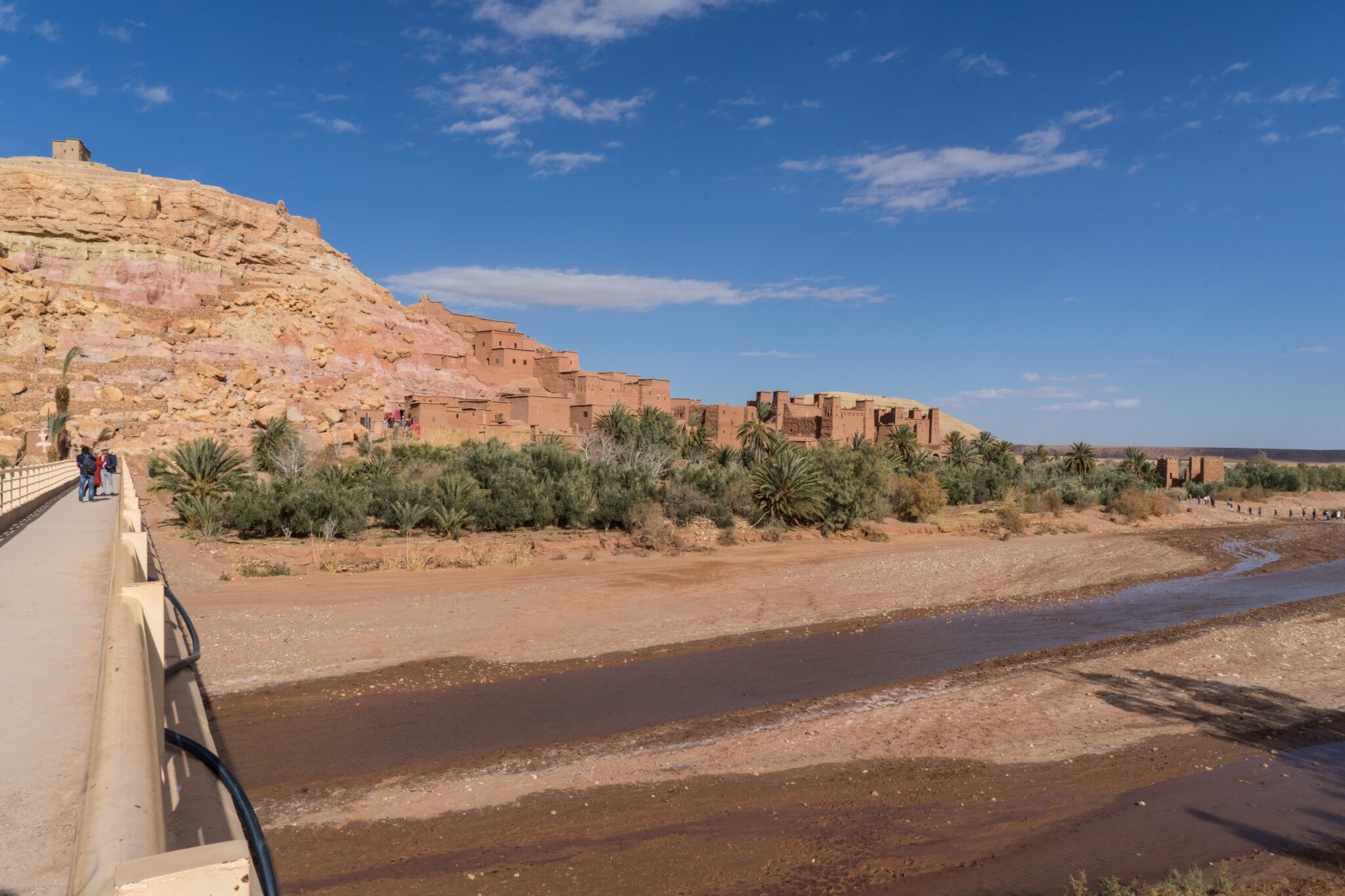
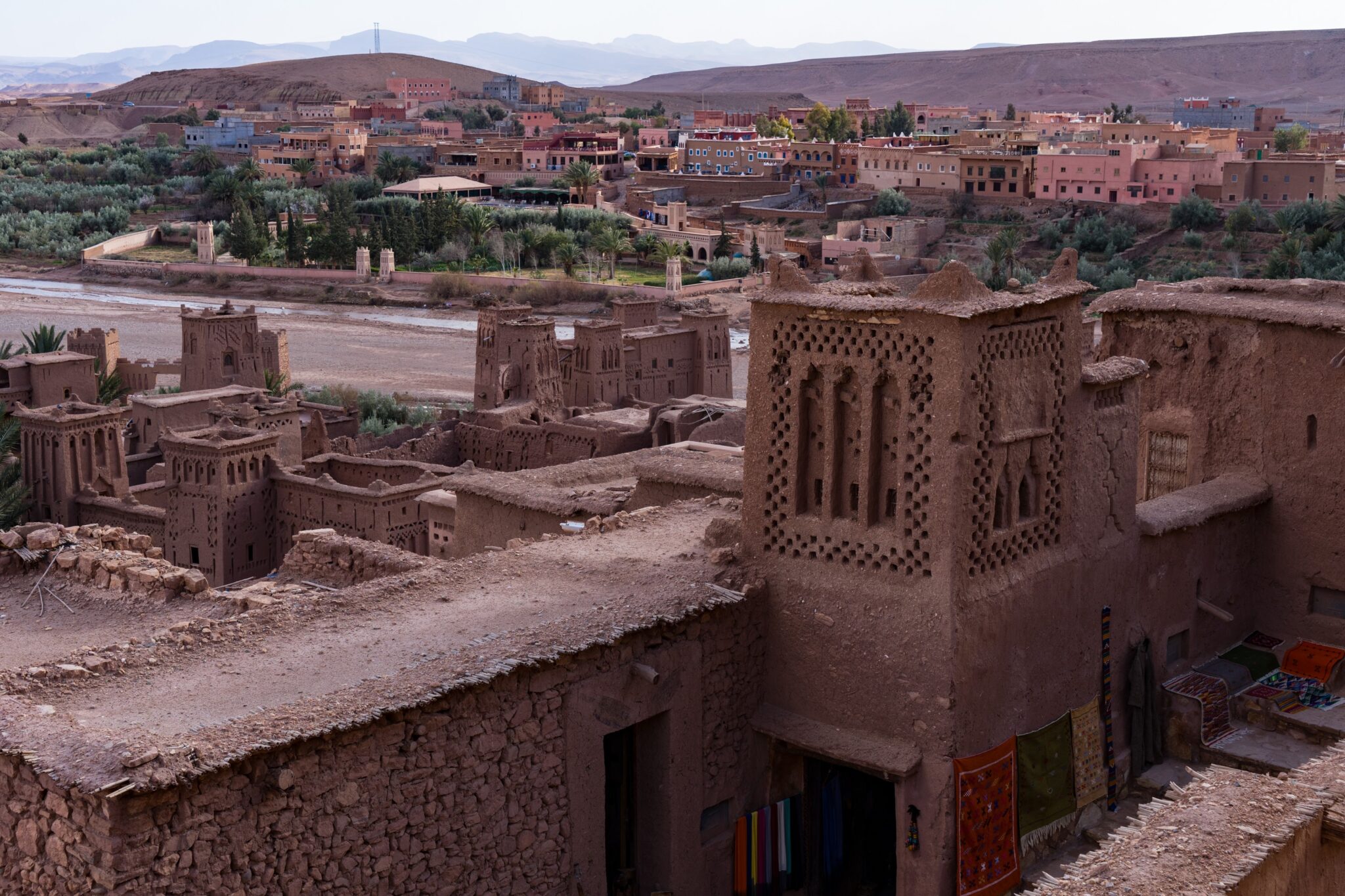
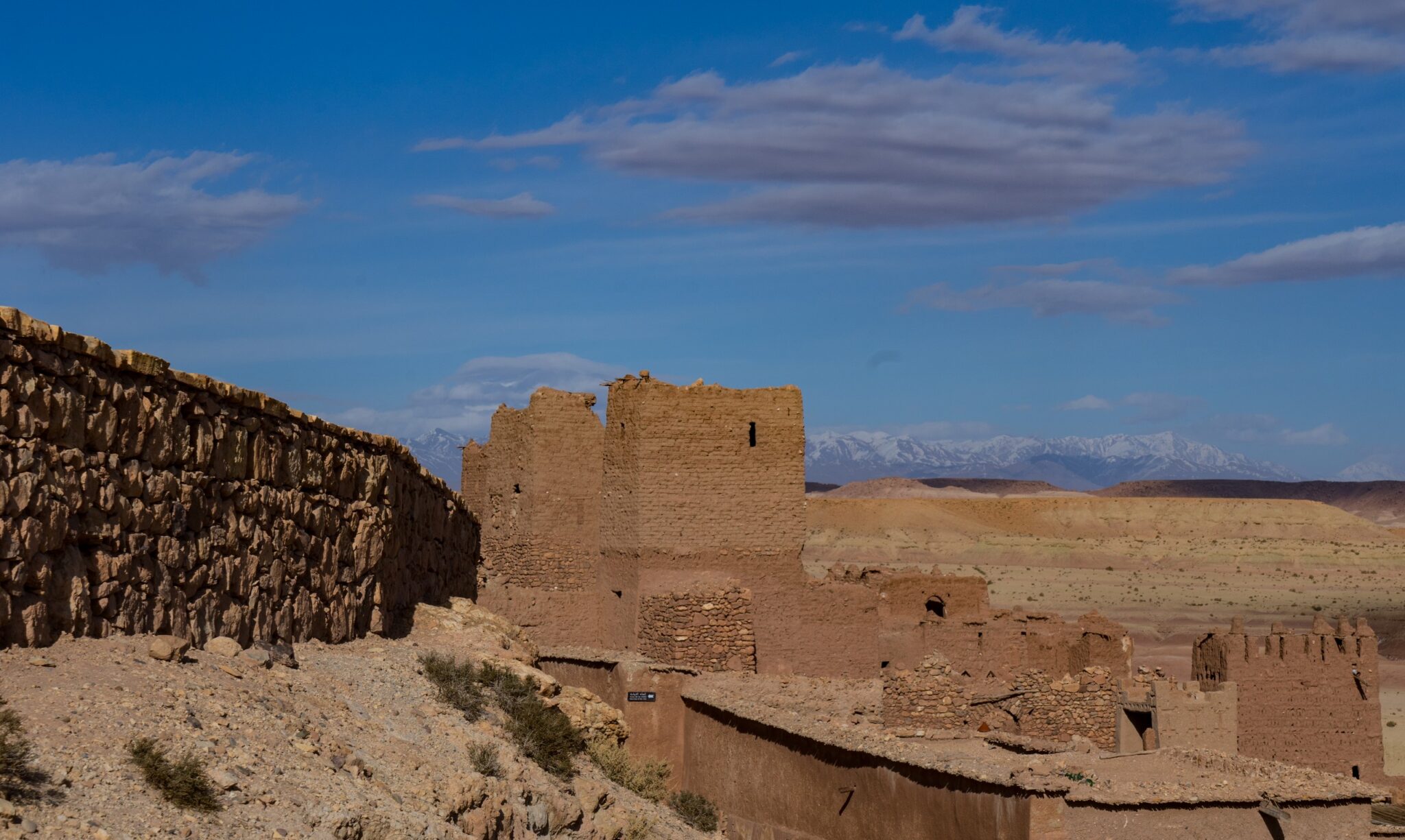
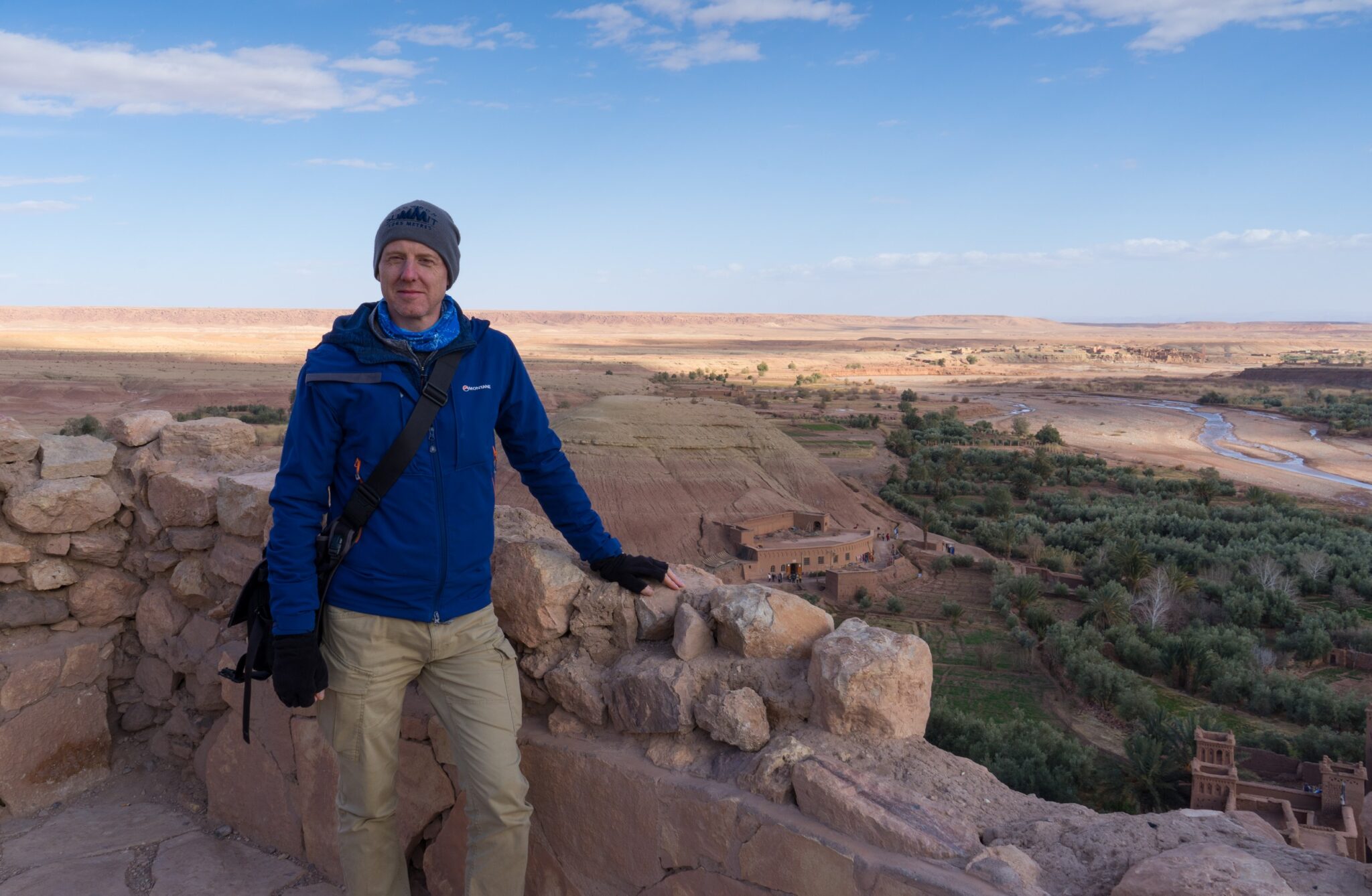
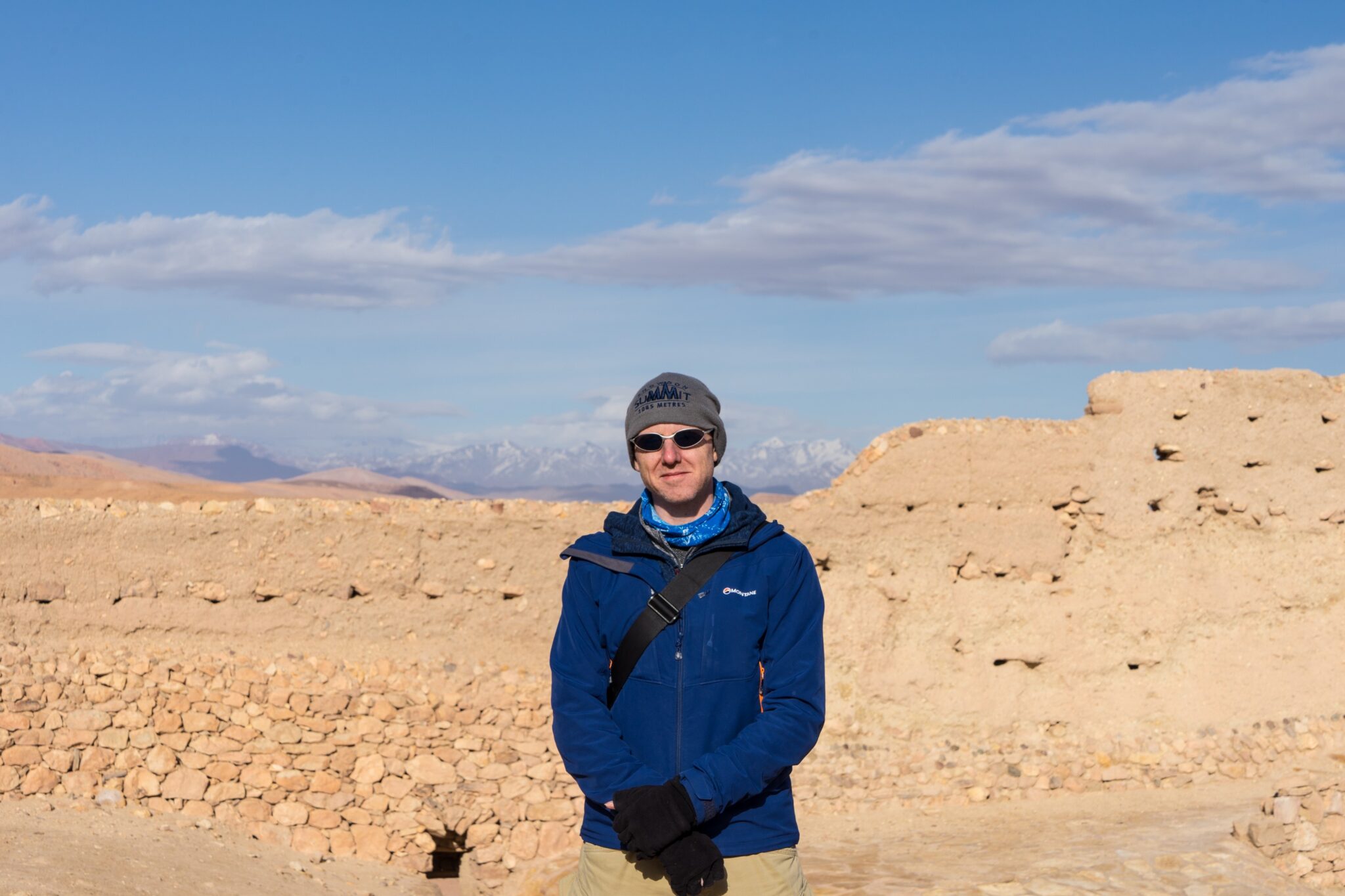
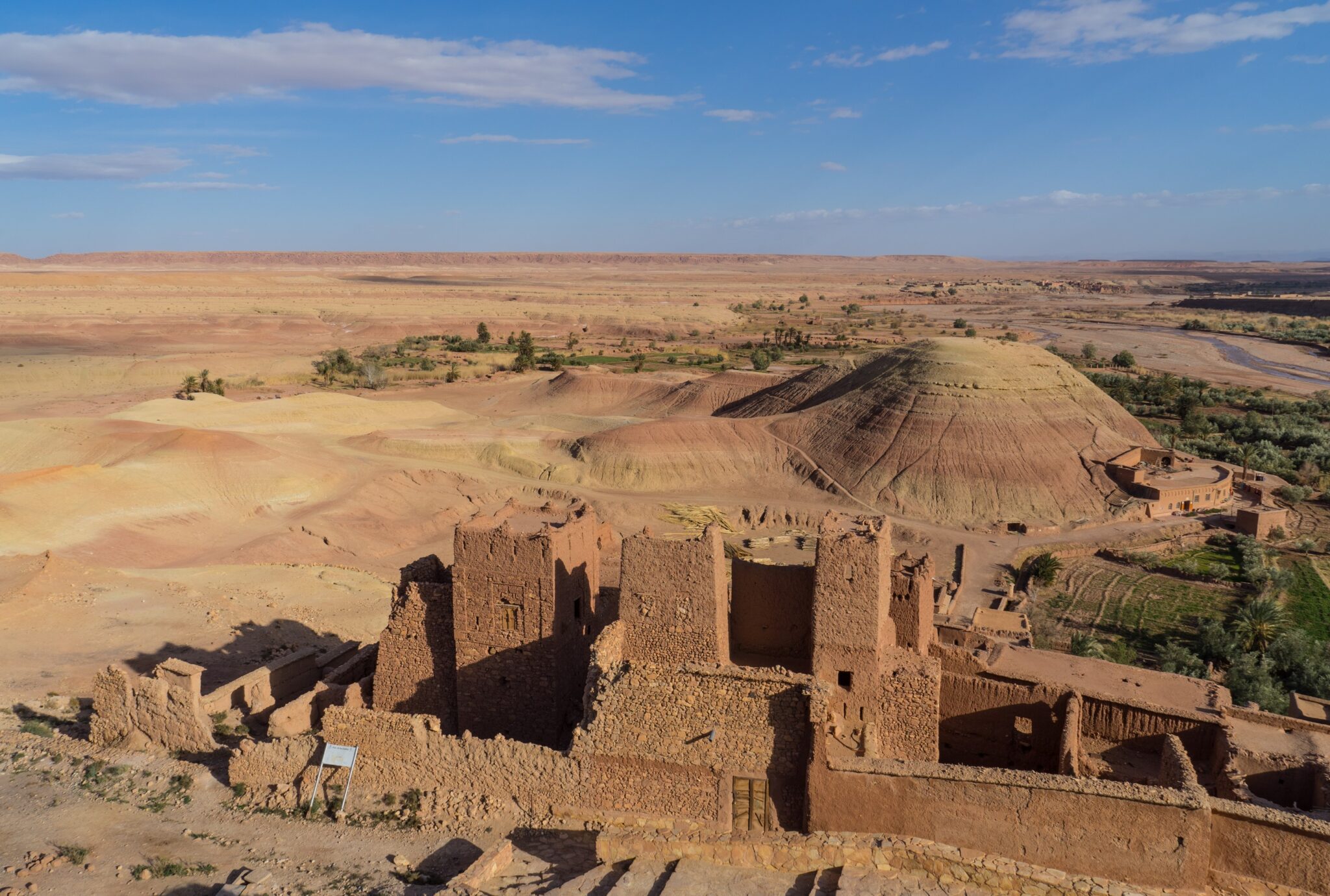
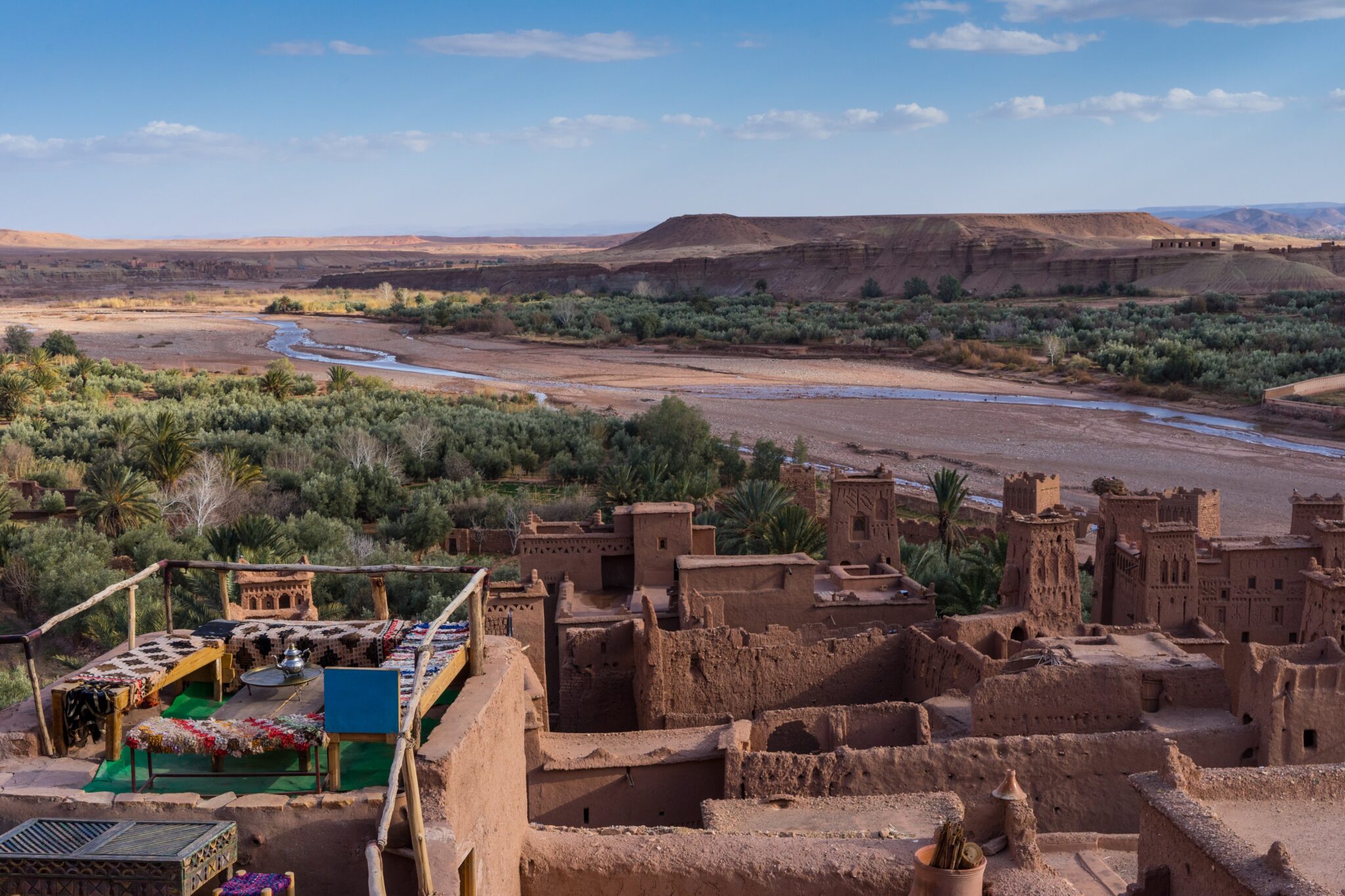
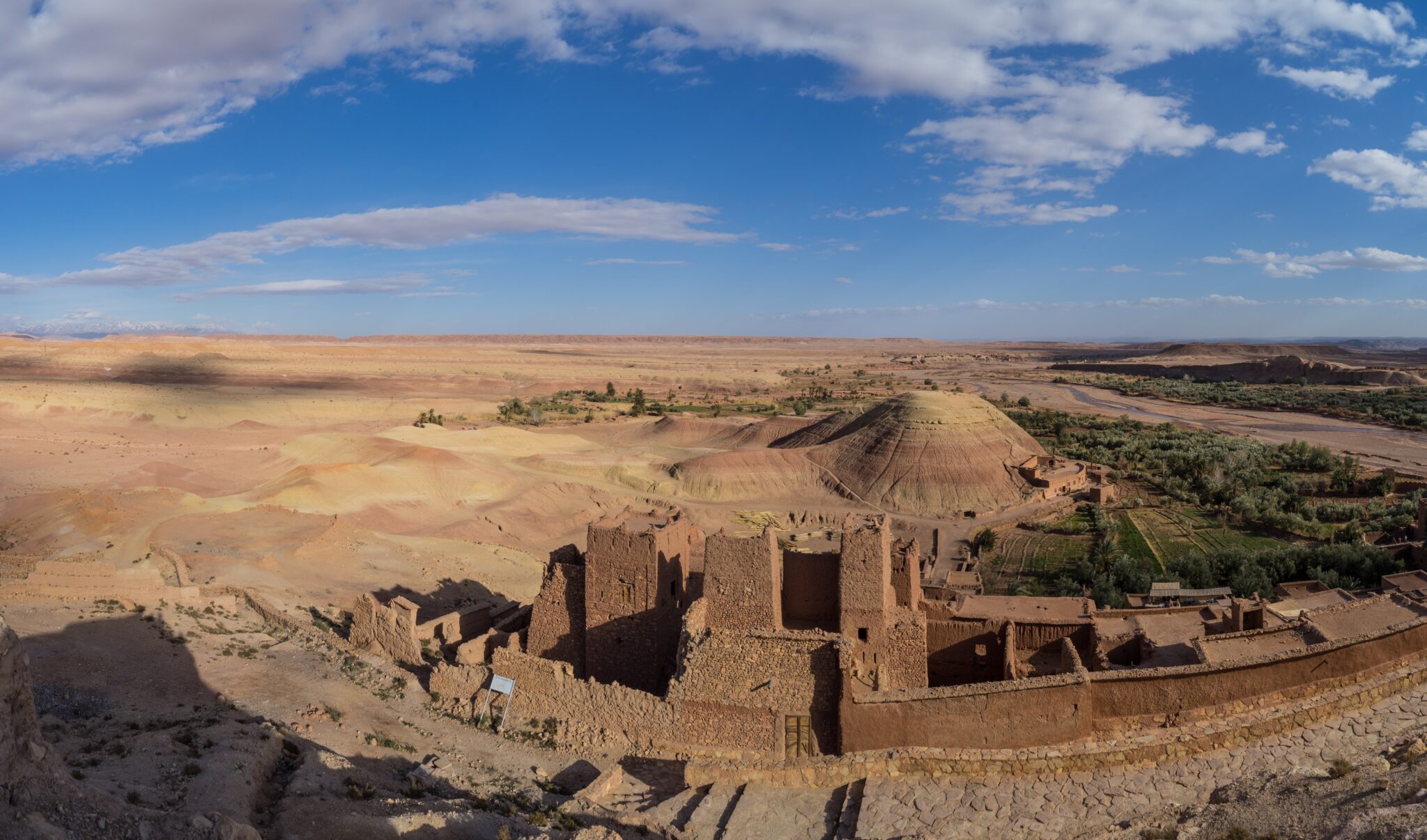
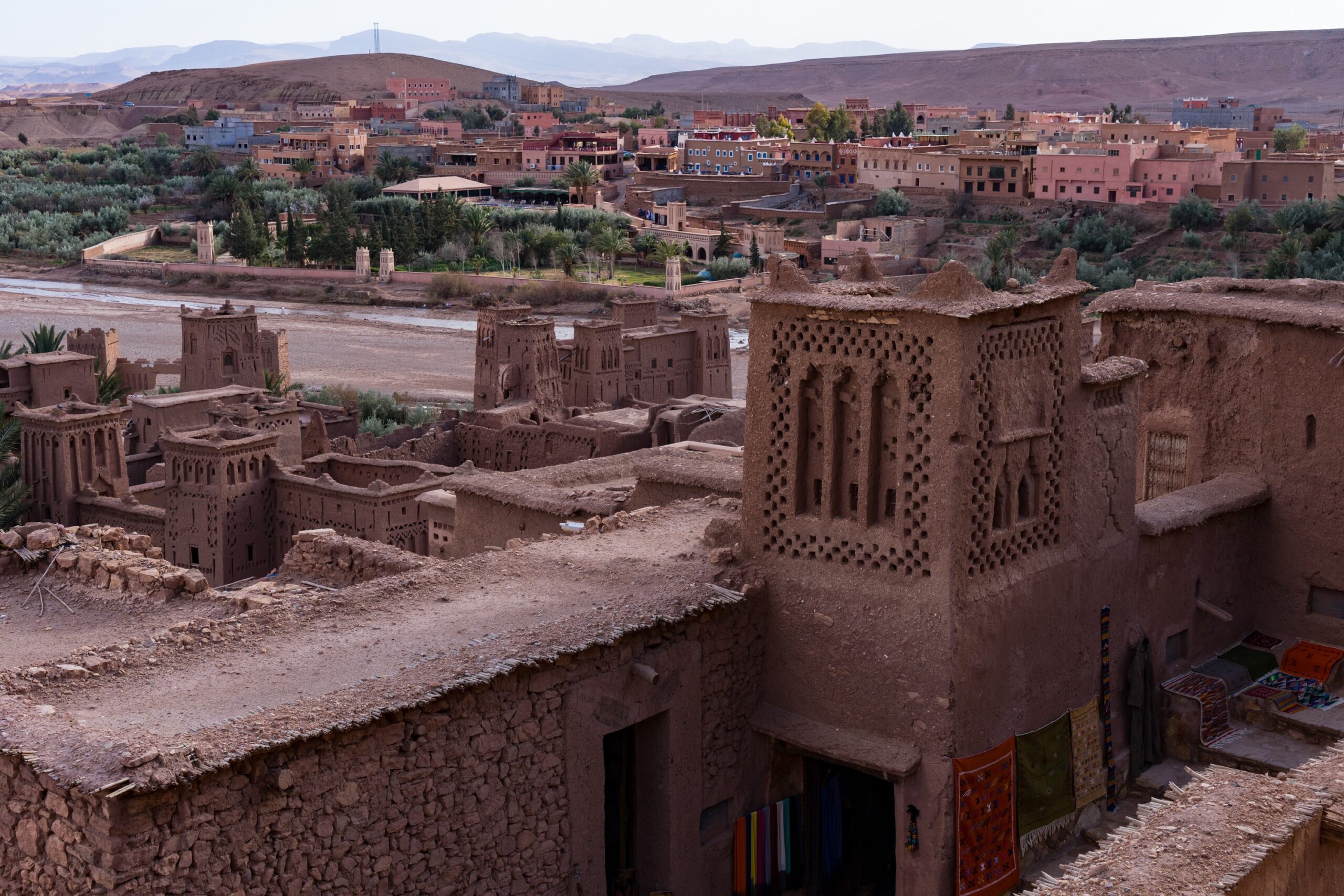
Looking down on Ait Benhaddou
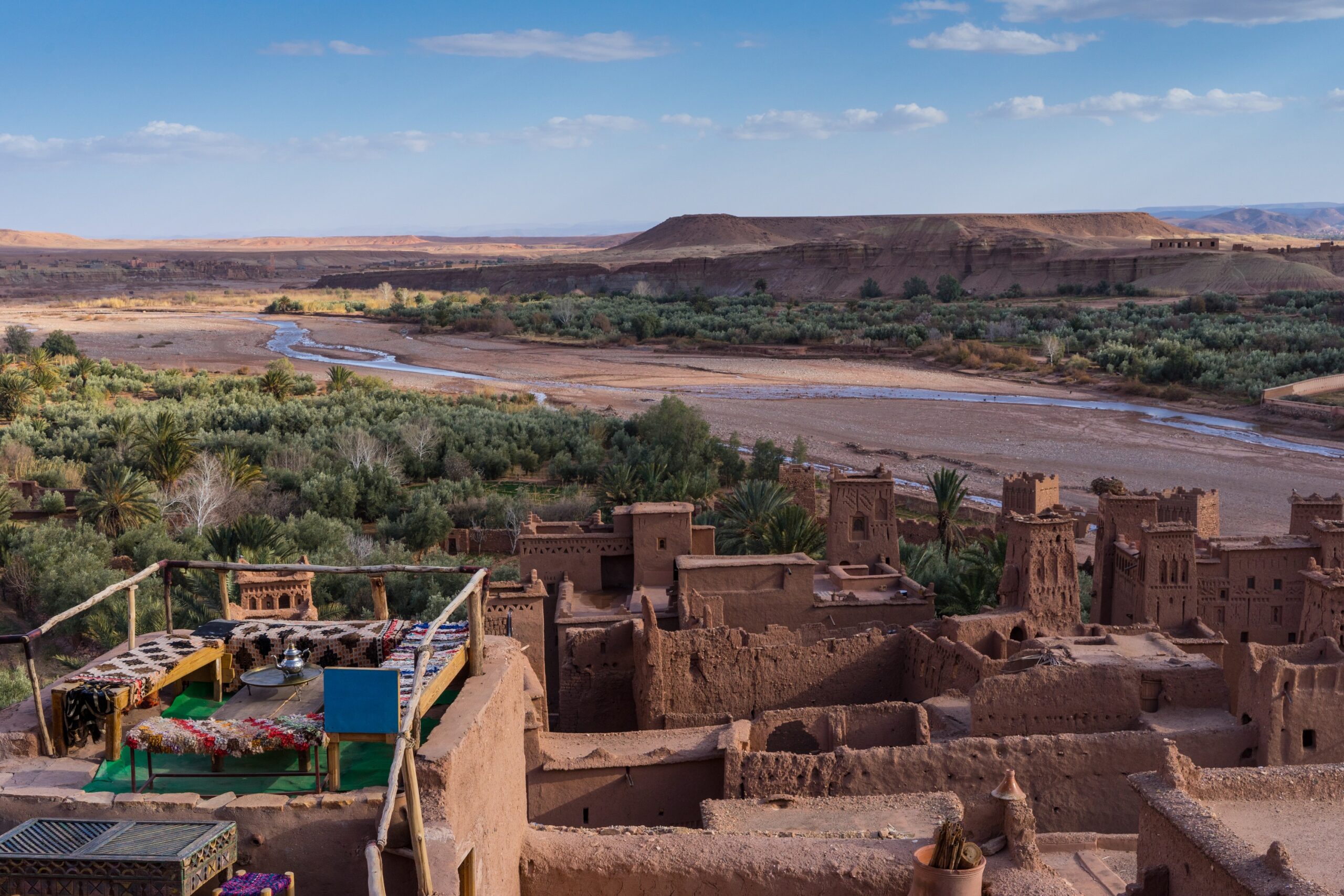
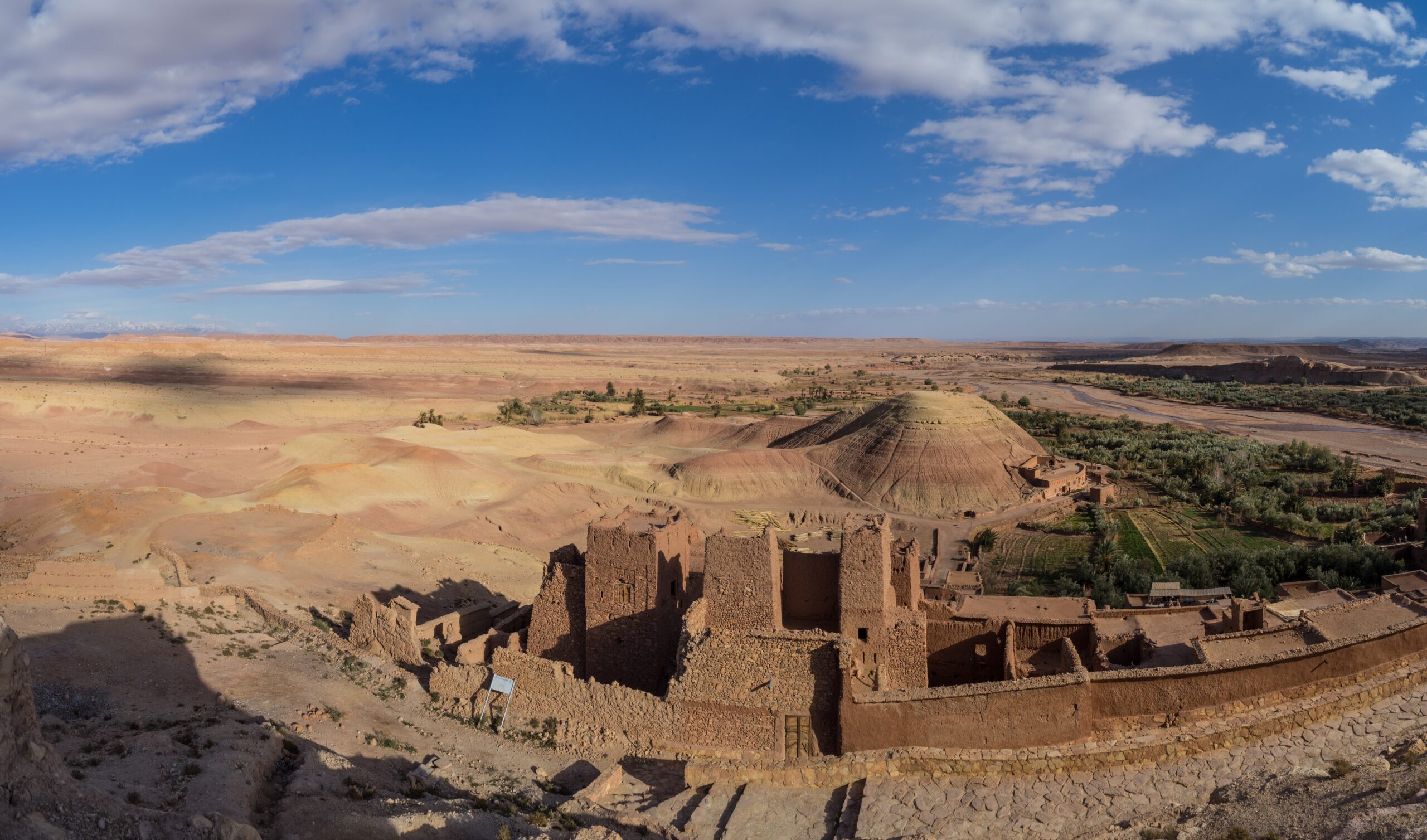
History of Ait Benhaddou
The site of the ksar has been fortified since the 11th century during the Almoravid period. None of the current buildings are believed to date from before the 17th century, but they were likely built with the same construction methods and designs as had been used for centuries before. The site’s strategic importance was due to its location in the Ounila Valley along one of the main trans-Saharan trade routes. The Tizi n’Tichka pass, which was reached via this route, was one of the few routes across the Atlas Mountains, crossing between Marrakech and the Dra’a Valley on the edge of the Sahara. Other kasbahs and ksour were located all along this route, such as the nearby Tamdaght to the north.
Today, the ksar itself is only sparsely inhabited by several families. The depopulation over time is a result of the valley’s loss of strategic importance in the 20th century. Most local inhabitants now live in modern dwellings in the village on the other side of the river, and make a living off agriculture and especially off the tourist trade.
References
The Wiki page for the village is here and the history above is taken from that page.